Understanding NVH in Engine Cylinder Heads
Noise, Vibration, and Harshness (NVH) are critical factors affecting the performance of automotive components, particularly in engine cylinder heads. In a world where vehicle comfort is paramount, the mitigation of NVH through effective sealing solutions becomes essential.
The Role of Seals in NVH Reduction
Engine cylinder head gaskets play a significant role in reducing NVH by ensuring an airtight seal between the cylinder head and the engine block. The proper selection of materials for these seals influences not only their durability but also their ability to dampen vibrations and minimize noise transmission.
Material Selection for Optimal Performance
- Rubber Compounds: High-quality rubber compounds, such as those produced by Guanghua, provide excellent elasticity and resilience, which are vital for absorbing vibrations.
- Polymer Blends: Advanced polymers can enhance thermal stability and chemical resistance, crucial for high-temperature engine environments.
- Thickness and Density: The thickness and density of the sealing material directly affect its NVH damping capabilities. Thicker materials often yield better results in terms of sound insulation.
Innovative Manufacturing Techniques
The manufacturing process itself is pivotal in achieving high-performance seals. Advanced techniques such as injection molding and compression molding allow for precision fabrication of complex shapes, ensuring tighter fits that further reduce NVH levels.
Quality Control Measures
In factories like Guanghua, stringent quality control measures are implemented throughout the production cycle. This includes testing for material integrity, dimensional accuracy, and performance under simulated operational conditions.
Integration with Other Components
Sealing solutions must work harmoniously with various engine components, including but not limited to CV Joint Boots , Steering Rack Boots , and Shock Absorber Boots . Each component contributes to the overall NVH reduction strategy.
Design Considerations
- Compatibility: Ensure that seals are compatible with other materials used in the engine assembly to prevent premature wear.
- Location of Seals: Strategic placement of seals can significantly impact NVH performance; for instance, placing O-Rings & Rubber Sealing Rings in areas where vibrations are most prominent can enhance effectiveness.
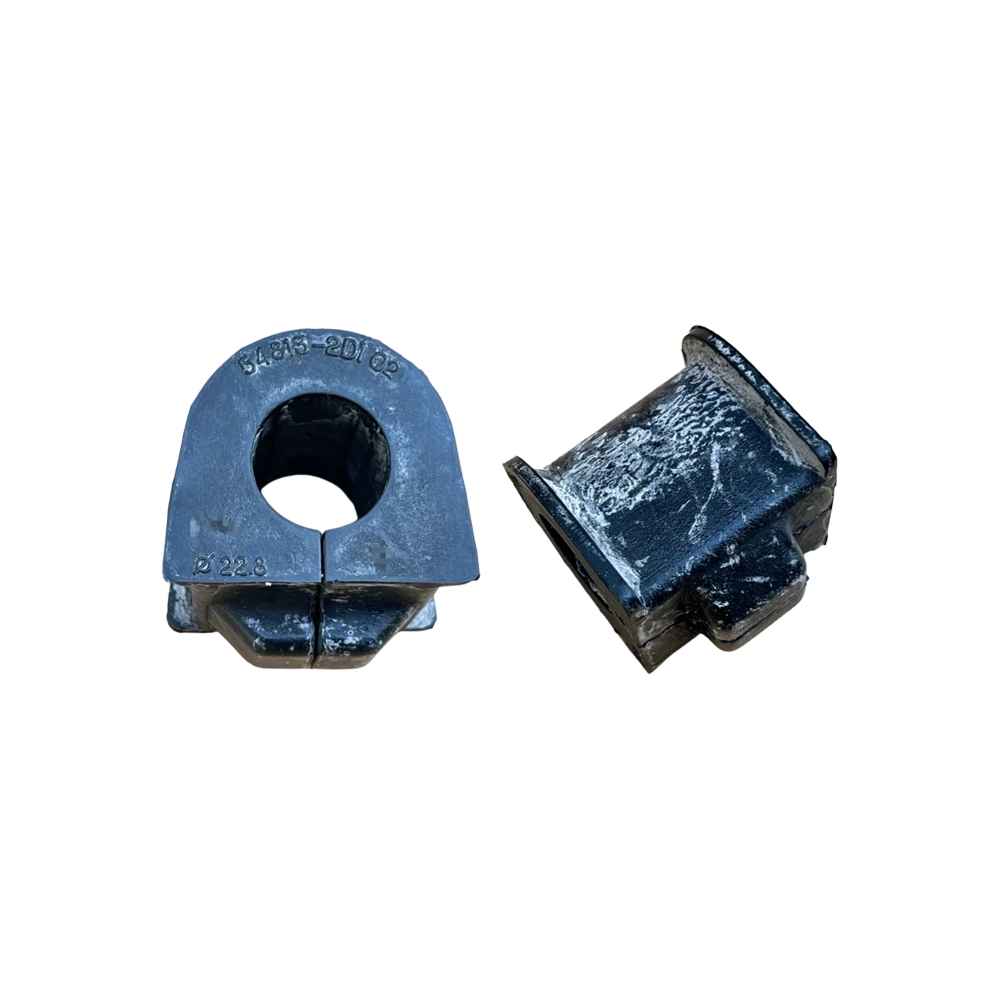
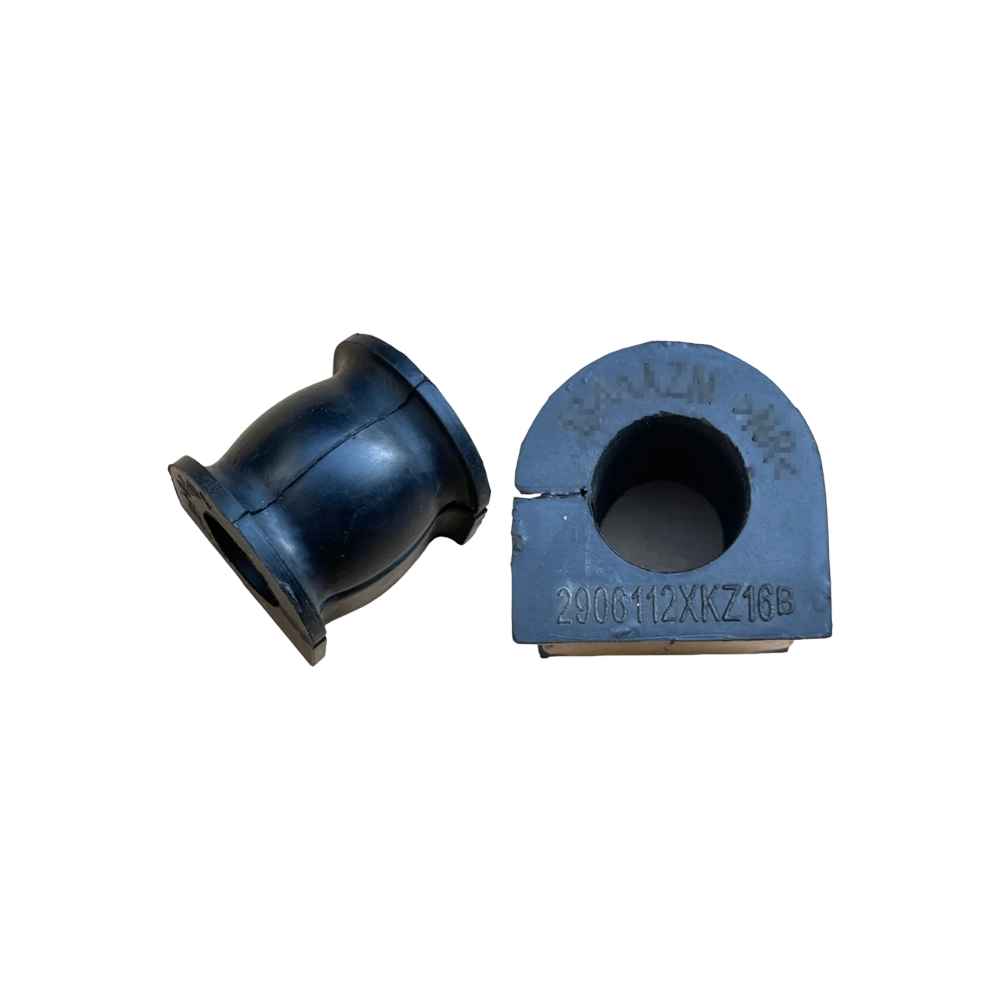
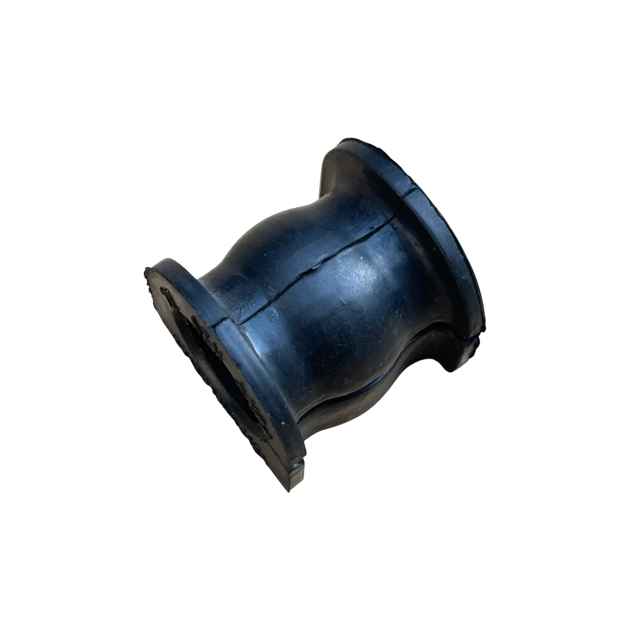
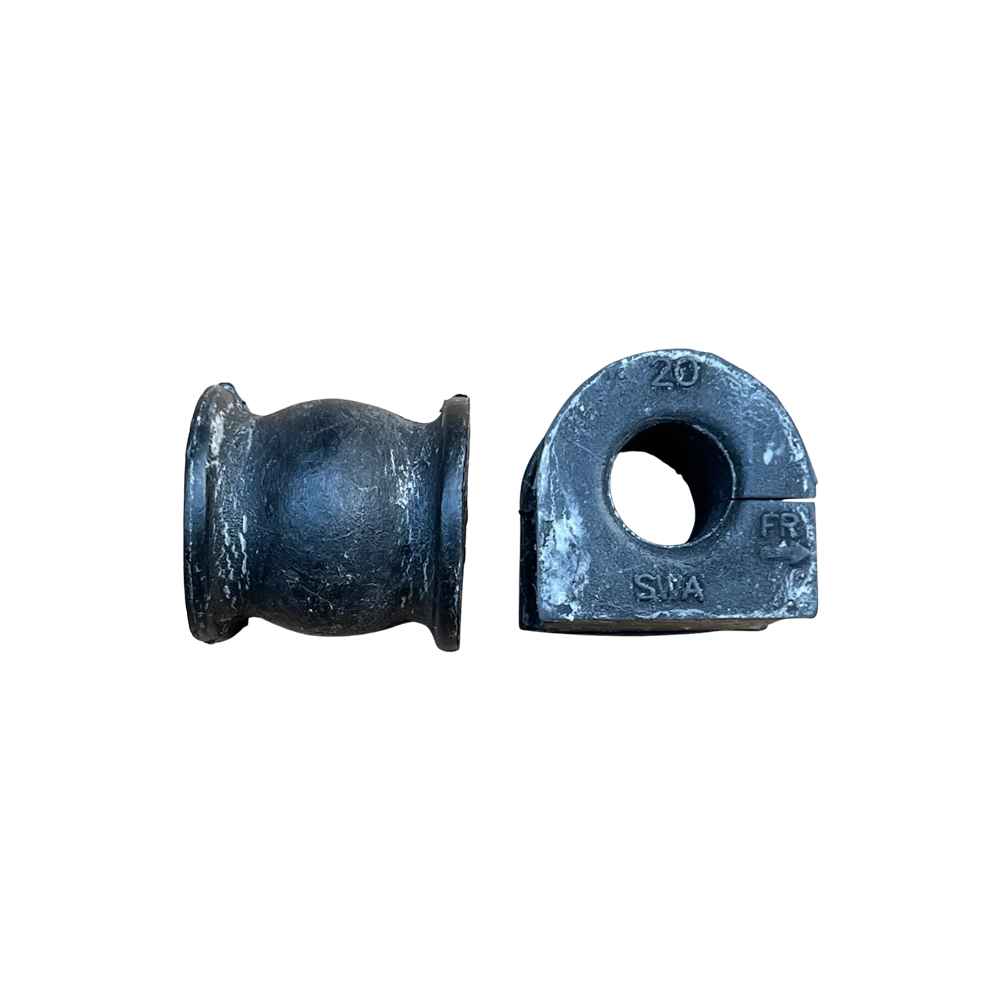
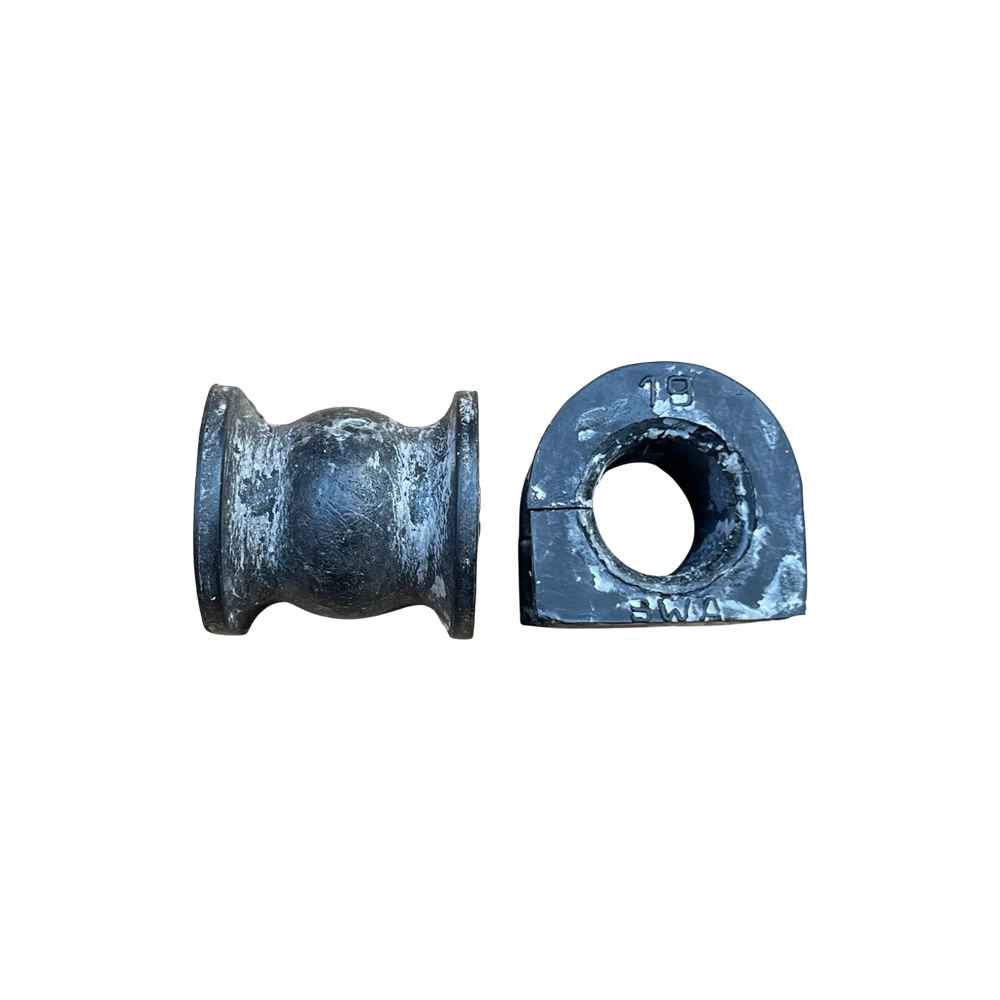
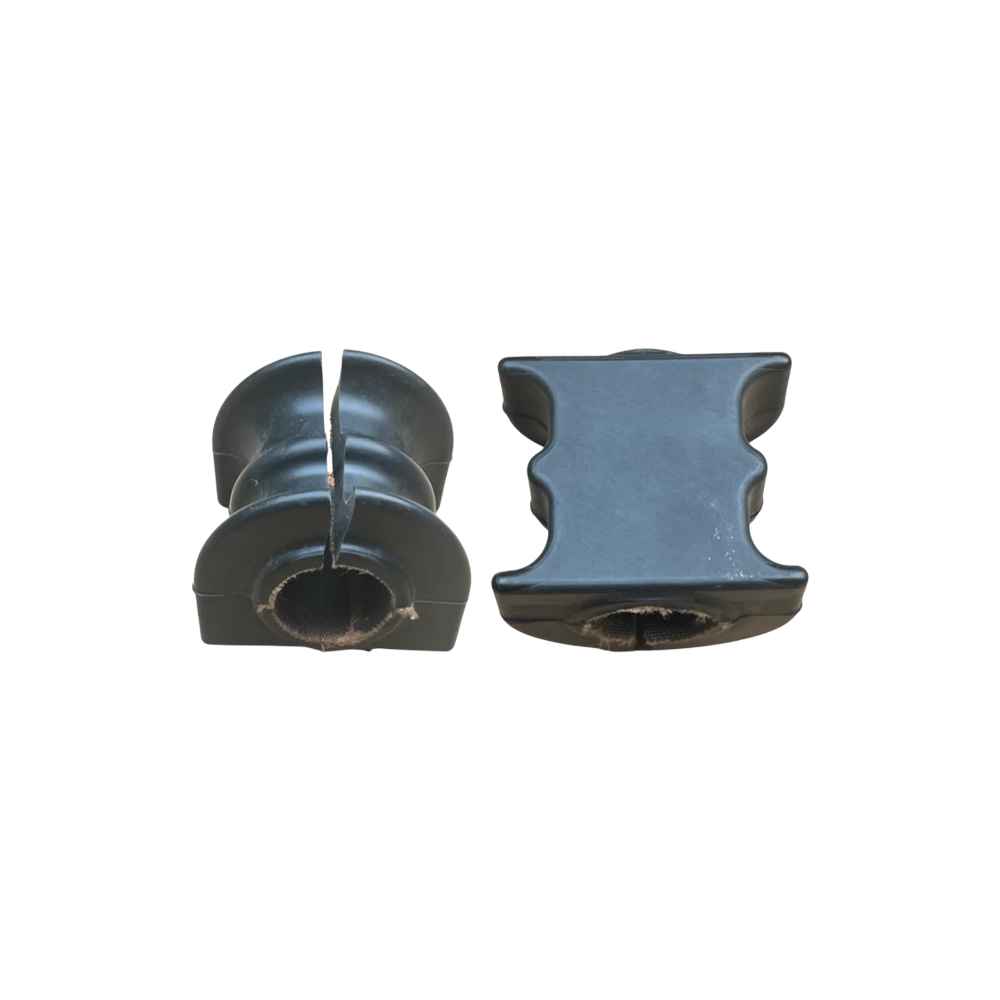
- Stabilizer Bar Bushings: These components should be designed to work alongside cylinder head seals, providing additional dampening to vibrations transmitted from the chassis.
Testing and Validation of NVH Performance
After manufacturing, it’s imperative to conduct thorough testing to validate the NVH performance of the engine cylinder head seals. This typically involves both laboratory tests and real-world simulations to ensure reliability under varying conditions.
Methods of Assessment
- Dynamic Testing: Evaluating how well the seals perform under dynamic load conditions helps in understanding their vibration absorption capabilities.
- Anechoic Chamber Tests: Using an anechoic chamber allows engineers to measure noise levels accurately, revealing how much sound is transmitted through the seals.
Future Trends in NVH Reduction Technologies
As the automotive industry evolves, so too do the technologies aimed at NVH reduction. Trends indicate a growing preference for eco-friendly materials and manufacturing processes, which could lead to innovative rubber formulations and sealing technologies.
Research and Development Initiatives
Continuous investment in research and development is vital for staying ahead in this competitive market. Collaborations between manufacturers and academic institutions may lead to breakthroughs in materials science, enhancing the NVH characteristics of engine components.
Conclusion
Ultimately, a comprehensive approach to NVH reduction in engine cylinder head sealing involves meticulous material selection, robust manufacturing processes, and rigorous testing. Companies such as Guanghua are at the forefront of this effort, striving to deliver products that not only meet but exceed the expectations of modern automotive engineering.