
Understanding NVH in Automotive Applications
Noise, Vibration, and Harshness (NVH) are critical factors that affect the overall driving experience. For both OEM and aftermarket parts, addressing NVH is essential not just for comfort but also for performance and safety. The right rubber sealing solutions play a significant role in mitigating these issues.
The Role of Rubber Sealing Solutions
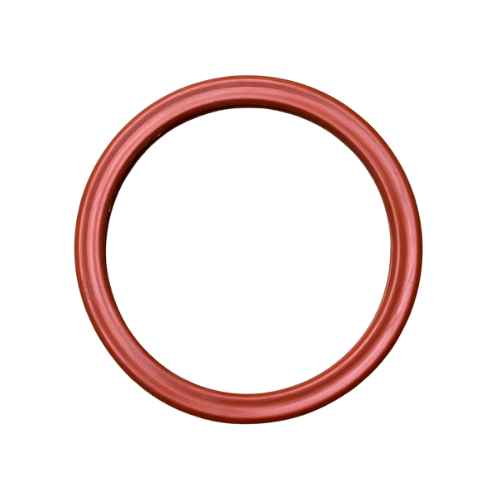
Rubber components, such as O-Rings & Rubber Sealing Rings , are often the unsung heroes when it comes to reducing NVH. They provide cushioning and dampening capabilities that are crucial in various automotive applications.
- Flexibility: Rubber's inherent flexibility allows it to absorb vibrations effectively.
- Durability: Quality rubber sealing solutions can withstand harsh environmental conditions, ensuring longevity.
- Customizable: These materials can be formulated to meet specific requirements, making them ideal for diverse applications.
Navigating the Challenges of NVH Reduction
Despite advancements in technology, reducing NVH remains a complex challenge. Engineers must consider multiple factors, from materials selection to component design. A common misconception is that thicker components always lead to better noise reduction—this isn’t always true. Sometimes, a well-designed thinner part can outperform its bulkier counterpart.
Key Components for NVH Mitigation
When focusing on NVH reduction, certain components deserve attention. Here are a few that are particularly effective:
- CV Joint Boots : These protect the CV joints while minimizing vibration transmission.
- Steering Rack Boots : Vital for steering precision, they help reduce noise from steering systems.
- Shock Absorber Boots: Essential for controlling vibrations caused by road irregularities.
- Stabilizer Bar Bushings: These enhance stability and minimize unwanted noises during cornering.
- Valve Cover Gasket: This prevents oil leaks while also contributing to sound insulation.
The Importance of Material Selection
Choosing the right material is pivotal for effective NVH reduction. Not all rubber compounds are created equal; high-performance formulations will often outperform standard options. For instance, Guanghua has been recognized for producing specialized rubber components designed for extreme durability and effective NVH mitigation. Their products are engineered to provide superior performance in demanding environments.
Testing and Validation Processes
Before any rubber sealing solution hits the market, rigorous testing is essential. This includes examining the product under various temperatures, pressures, and loads. Advanced testing methods help manufacturers ensure that their parts meet stringent NVH standards. It's not just about compliance; it's about delivering peace of mind to customers who rely on these components.
Aftermarket Considerations
For those in the aftermarket sector, selecting the right replacement parts can significantly influence vehicle performance and comfort. In many cases, OEM parts may offer superior NVH attributes compared to generic alternatives. However, reputable brands like Guanghua provide aftermarket solutions that closely match or exceed OEM standards.
As an industry professional, I have seen firsthand how quality aftermarket parts can restore a vehicle’s ride comfort and overall performance. It's imperative to encourage consumers to opt for reliable brands rather than cheaper, low-quality alternatives.
Future Trends in NVH Reduction
The automotive industry is evolving rapidly, and so are the technologies associated with NVH reduction. As electric vehicles (EVs) gain popularity, the focus on NVH will shift. EVs are inherently quieter, which means that any residual noise can become more pronounced. Therefore, there will be an increased emphasis on advanced rubber sealing solutions that address new types of vibrations and sounds unique to electric drivetrains.
Innovative Material Technologies
Emerging technologies, such as nanocomposite materials, are paving the way for more effective noise attenuation solutions. These innovations could revolutionize how we approach NVH challenges in the future. Manufacturers must stay ahead of these trends to keep pace with the demands of modern vehicles.
Conclusion
Addressing NVH effectively requires a multifaceted approach involving careful material selection, rigorous testing, and understanding the unique needs of both OEM and aftermarket sectors. By prioritizing high-quality rubber sealing solutions, industry professionals can significantly improve the driving experience for consumers everywhere. As we move forward, the collaboration between manufacturers, engineers, and suppliers will be paramount in achieving greater NVH reductions.







