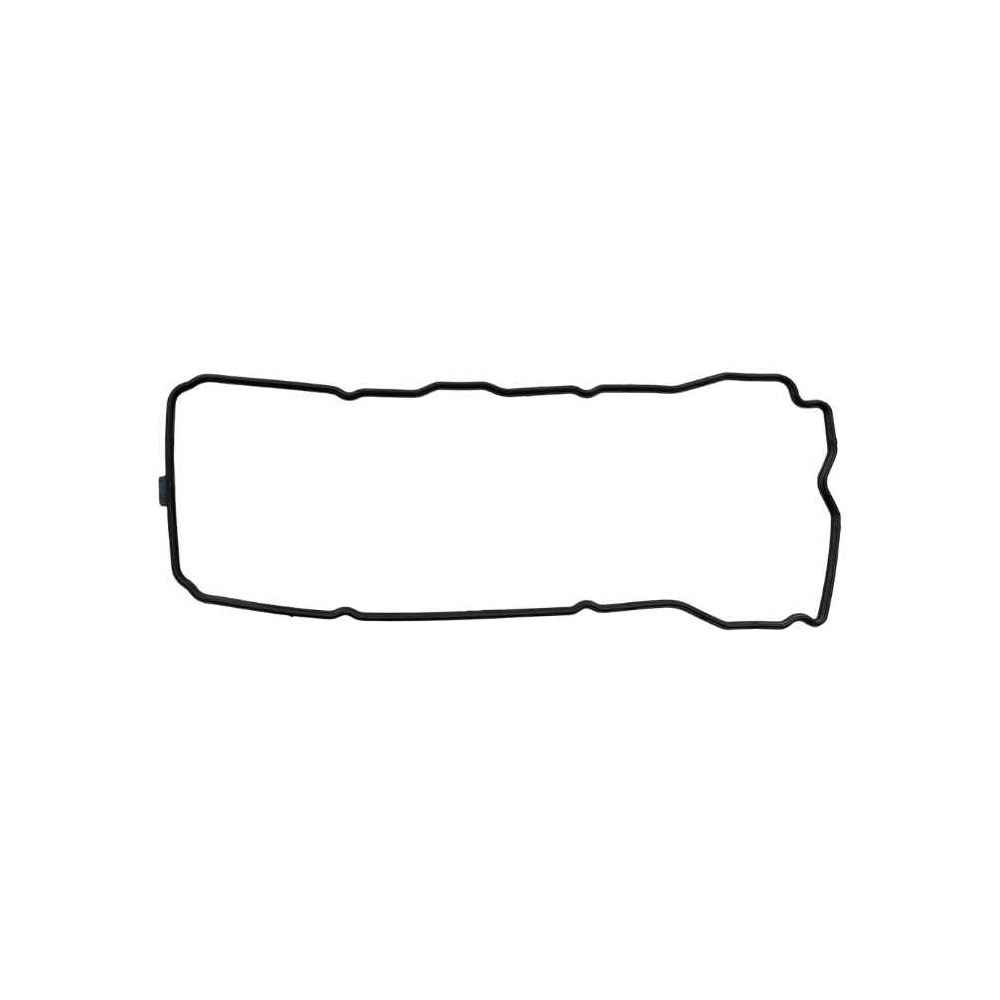
Understanding O-Ring Seals
O-rings are one of the simplest yet most effective sealing solutions in various industries. They provide a reliable barrier against fluid and gas leakage, making them essential for both OEM and aftermarket parts replacements. Their design consists of a round elastomeric material that fits into a groove and is compressed during assembly, creating a tight seal.
The Importance of O-Rings in OEM Parts
In original equipment manufacturing, O-rings play a crucial role in ensuring the longevity and performance of components. They are used in automotive applications, hydraulic systems, and even aerospace technologies. Suppliers like Guanghua understand the nuances of these seals, offering a range of materials such as nitrile rubber, silicone, and fluorocarbon to meet specific industry requirements.
Aftermarket Replacement: Why Quality Matters
When it comes to aftermarket parts replacement, the quality of O-rings cannot be overstated. Inferior seals may lead to system failures, increased maintenance costs, and even safety hazards. As a B2B wholesale supplier, it’s essential to source O-rings from reputable manufacturers who adhere to strict quality standards. This ensures that the seals will perform reliably under various conditions.
Types of O-Ring Materials
Different applications require different materials. Here’s a quick rundown of the most commonly used O-ring materials:
- Nitrile Rubber (NBR): Ideal for petroleum-based fluids and has excellent abrasion resistance.
- Silicone: Great for high-temperature applications but less resistant to abrasives.
- Fluorocarbon (FKM): Offers superior chemical resistance, ideal for harsh environments.
- EPDM: Best suited for water and steam applications, also UV and ozone resistant.
Choosing the Right O-Ring
When selecting an O-ring, consider factors such as temperature range, chemical compatibility, and application pressure. Working closely with a trusted supplier can save time and ensure you get the right solution for your needs. For instance, Guanghua provides detailed specifications and technical support, making the selection process smoother for customers.

Common Applications of O-Ring Seals
O-rings are utilized across various sectors. Here are some common applications:
- Automotive: Used in engines, gearboxes, and hydraulic systems to prevent leaks and ensure proper functioning.
- Aerospace: Critical in fuel systems and pressurized cabins, where safety and reliability are paramount.
- Industrial Machinery: Found in pumps, valves, and compressors, O-rings help maintain efficiency and reduce downtime.
Installation Tips for Optimal Performance
Proper installation of O-rings is key to achieving optimal performance. Here are some best practices:
- Ensure the groove is clean and free from debris before installation.
- Lubricate the O-ring with suitable lubricant; this helps in reducing friction and wear.
- Check for any distortion or damage to the O-ring before use.
Challenges Faced When Sourcing O-Ring Seals
Sourcing O-rings can sometimes be a complex task. One of the main challenges includes ensuring the correct size and material match. If you're dealing with custom applications, the variability in designs can complicate matters further. Additionally, timing can be critical; delays in sourcing can halt production lines.
Working with a Reliable Supplier
Partnering with a reliable supplier can mitigate many of these challenges. A good supplier not only provides quality materials but also offers technical assistance and prompt delivery services. For instance, Guanghua’s reputation in the industry stems from its commitment to customer satisfaction and timely service.
The Future of O-Ring Technology
Innovations in material science are paving the way for new types of O-rings that can withstand more extreme conditions and have better longevity. With advancements in 3D printing and custom manufacturing, we might soon see tailored solutions that fit unique applications perfectly.
Conclusion
Whether you’re working within OEM or aftermarket domains, understanding the intricacies of O-ring seals can significantly impact your operational success. By prioritizing quality, sourcing from reputable suppliers, and implementing best practices in installation, you can optimize your systems for better performance and reliability. Always keep an eye on emerging trends and technologies in the field to stay ahead of the curve.