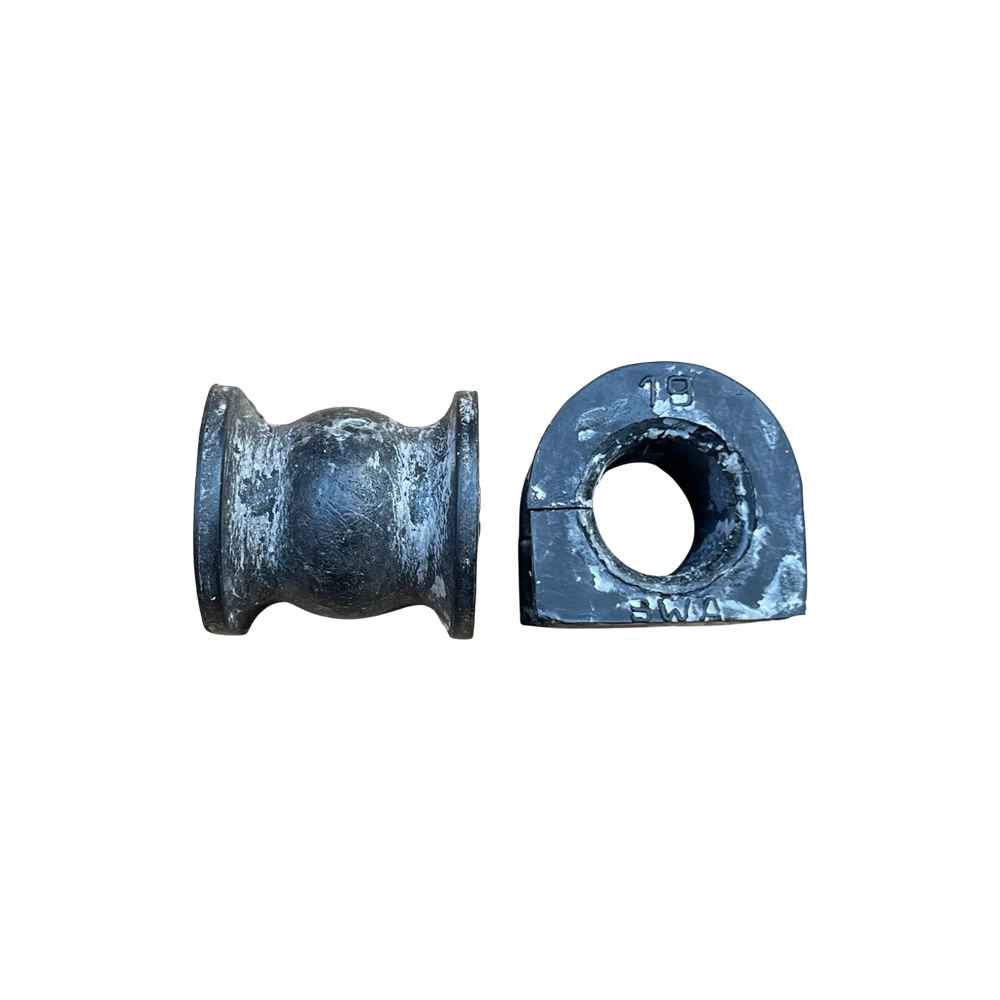
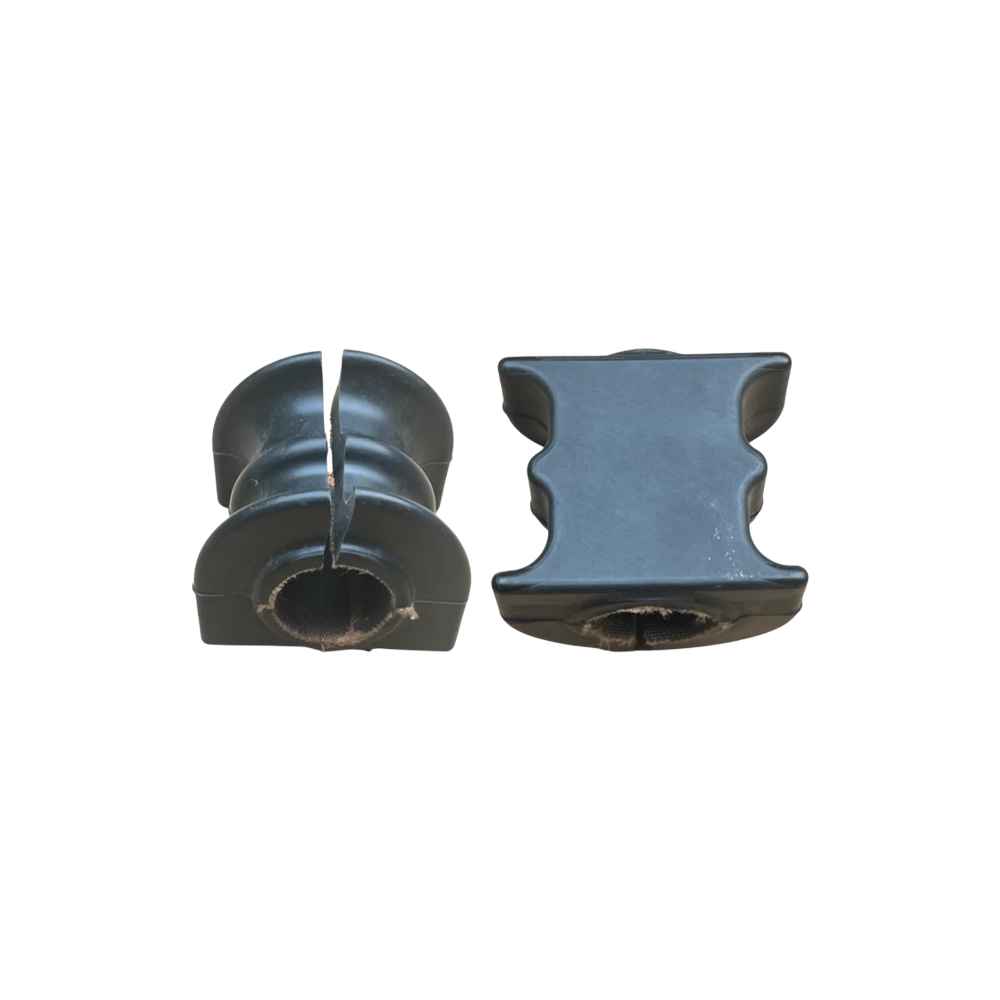
Understanding O-Rings and Rubber Sealing Rings
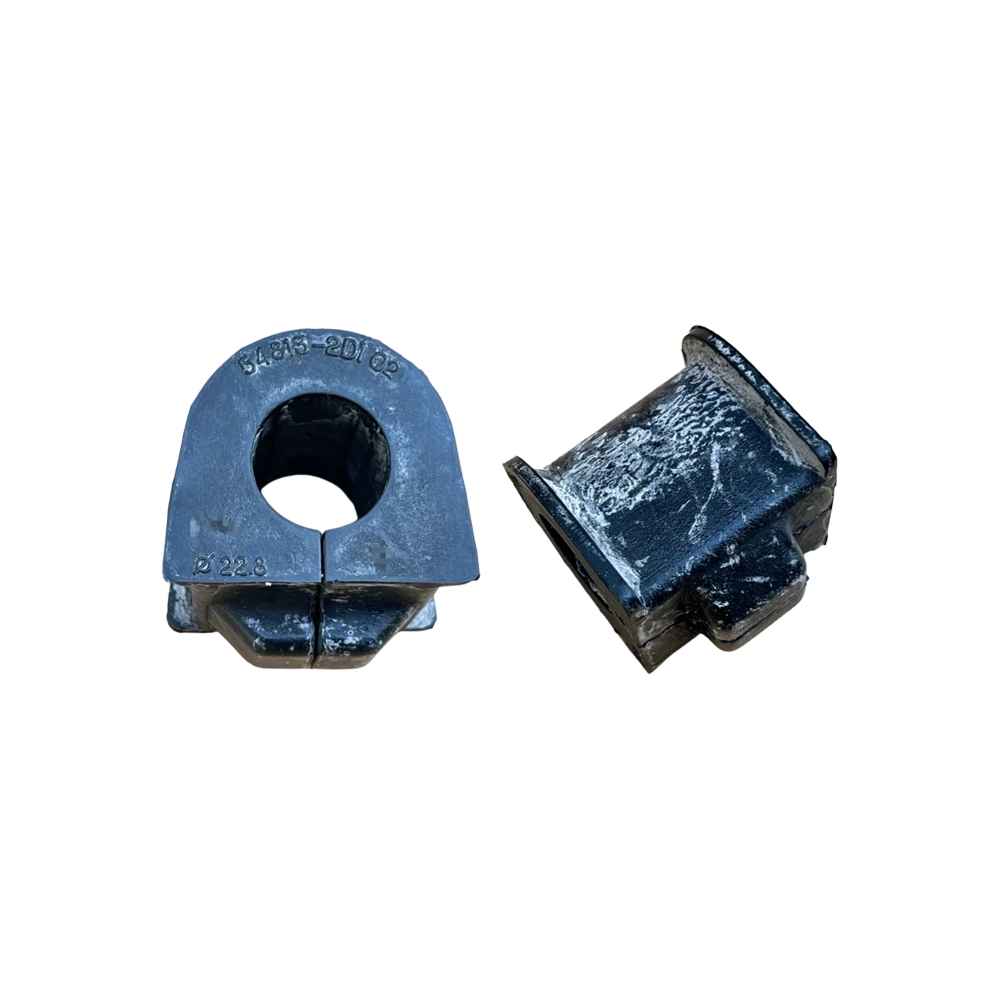
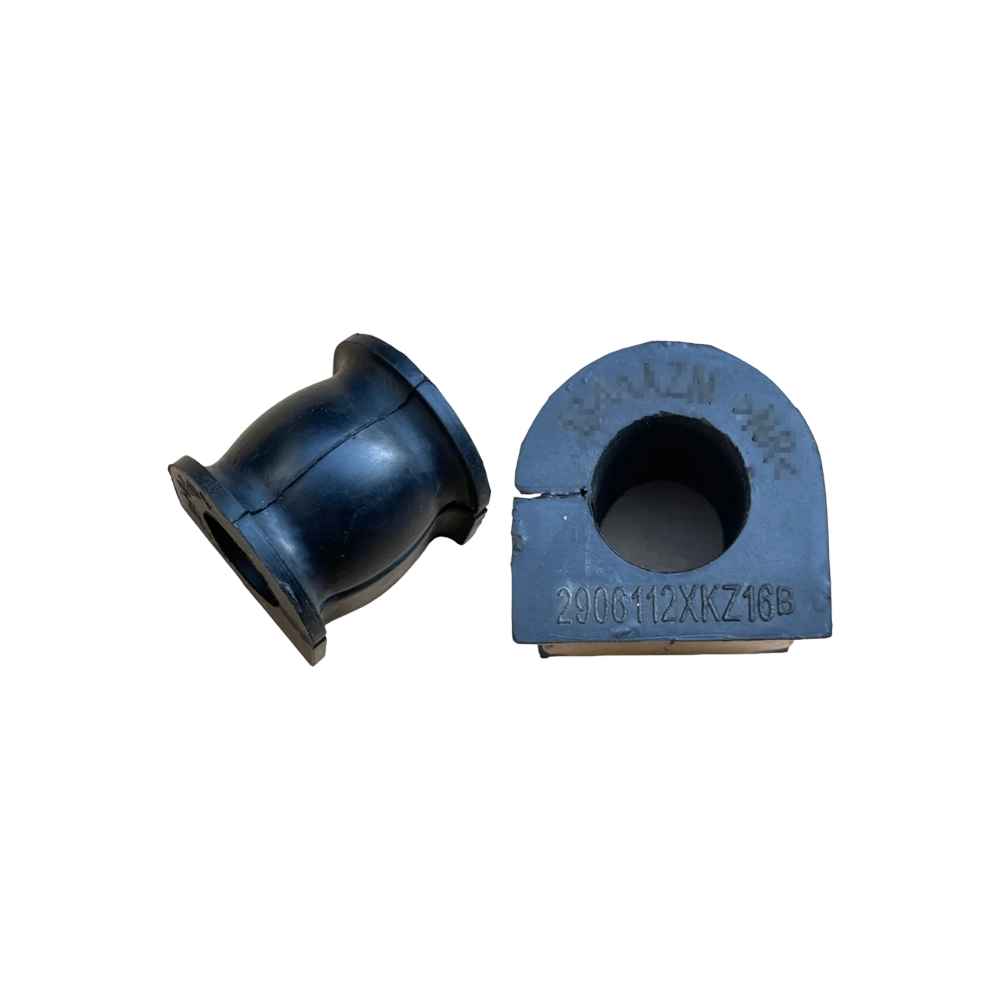
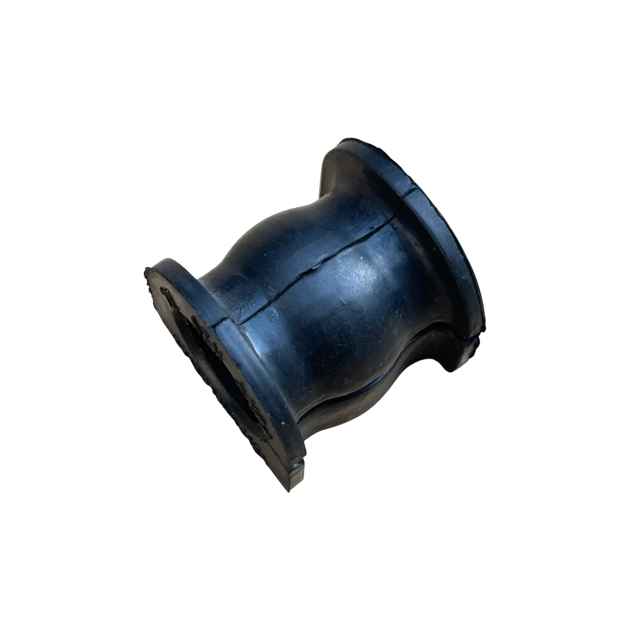
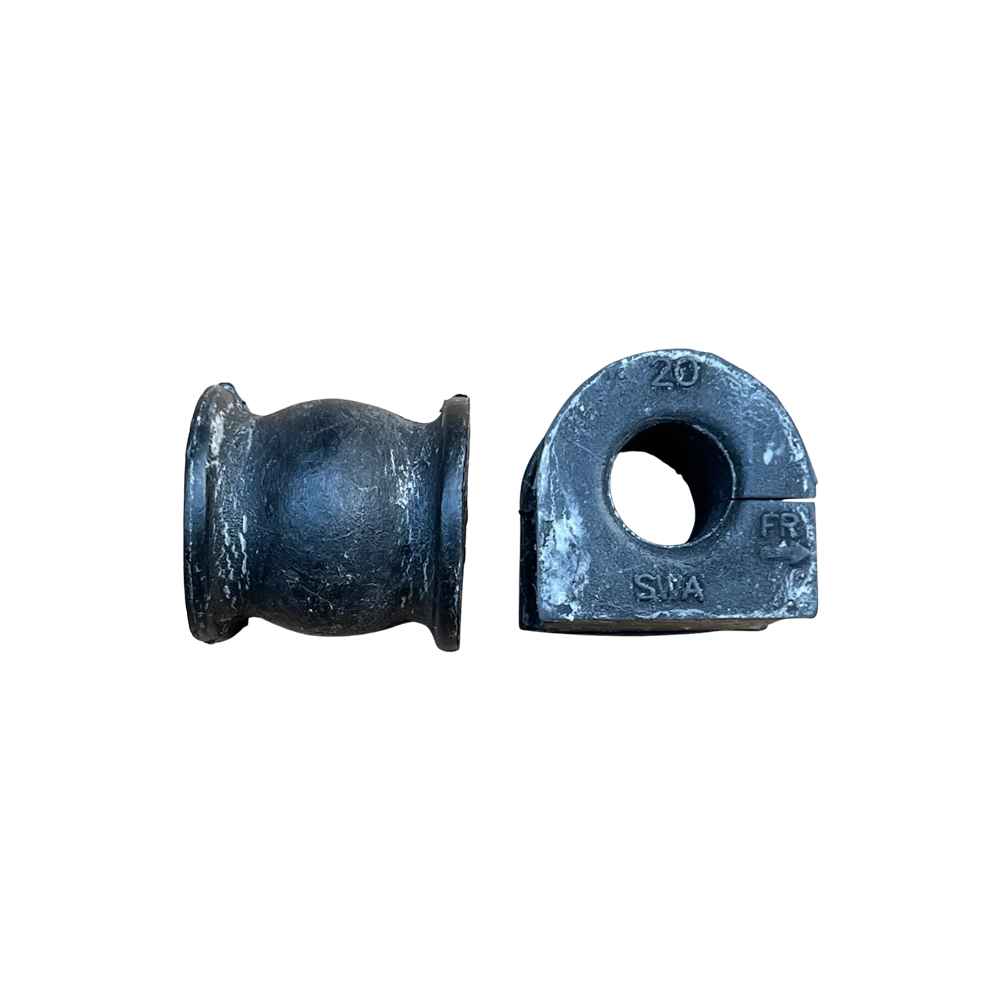
O-rings and rubber sealing rings are essential components in various applications, serving to prevent leaks and maintain pressure in mechanical systems. These rings play a crucial role in both Original Equipment Manufacturer (OEM) and aftermarket parts replacement, ensuring that vehicles and machinery operate smoothly.
The Importance of Material Selection
When it comes to manufacturing O-rings and rubber sealing rings, the choice of material cannot be overlooked. Typically crafted from elastomers such as nitrile rubber, silicone, or fluorocarbon rubber, these materials offer different properties suited for specific environments. For instance, nitrile rubber is often favored for its oil resistance, making it ideal for automotive applications, while silicone is preferred in high-temperature scenarios.

Common Materials Used
- Nitrile Rubber: Excellent for fuel and oil exposure.
- Silicone: Suitable for extreme temperatures and good aging properties.
- Fluorocarbon Rubber: Offers superior chemical resistance, ideal for harsh environments.
- EPDM: Known for excellent weather resistance, commonly used in outdoor applications.
Applications in Automotive Systems
In the automotive sector, O-rings and rubber sealing rings find utility in numerous systems—ranging from engine components to transmission assemblies. They are integral in ensuring effective sealing in areas where fluids might leak, affecting overall performance. For example, valve cover gaskets, which often integrate O-ring designs, prevent oil leakage from the engine, thereby maintaining optimal lubrication.
Aftermarket vs. OEM Parts Replacement
Choosing between OEM and aftermarket parts can be a daunting task for vehicle owners and repair professionals. OEM parts are manufactured to the original specifications and standards, ensuring compatibility and reliability. In contrast, aftermarket options may provide cost savings but could vary in quality and effectiveness. It is essential for contract manufacturers to maintain stringent quality controls when producing these components to meet industry standards.
Key Factors in Manufacturing
A number of factors influence the manufacturing process of O-rings and rubber sealing rings, particularly when considering a contract manufacturing partnership. Precision in dimensions is critical; even slight variations can lead to compromised functionality.
Tolerances and Specifications
- Size: Adhering to precise internal and external diameters.
- Hardness: Ensuring proper durometer measurement to match application requirements.
- Surface Finish: Achieving the appropriate finish to enhance sealing performance.
Guanghua's Role in Production
Among the notable brands in the market, Guanghua has established a reputation for delivering high-quality O-rings and rubber sealing rings, catering to both OEM and aftermarket needs. Their commitment to utilizing advanced manufacturing techniques ensures that each ring meets rigorous performance criteria.
Sealing Technologies and Innovations
The evolution of sealing technologies continues to shape how O-rings and rubber sealing rings are produced. Innovations such as the incorporation of advanced composites and coatings can enhance durability and resistance to environmental factors. Furthermore, the development of custom solutions tailored to specific applications has become increasingly prevalent, allowing for optimized performance in unique conditions.
Quality Assurance Practices
To guarantee the reliability of O-rings and rubber sealing rings, implementing robust quality assurance practices is essential. This includes rigorous testing procedures such as:
- Pressure Testing: To ensure seals withstand operational pressures without failure.
- Temperature Cycling: Evaluating material performance under fluctuating thermal conditions.
- Chemical Resistance Testing: Assessing how materials react with various fluids and chemicals.
Conclusion
As industries evolve, the demand for reliable sealing solutions like O-rings and rubber sealing rings will continue to grow. A thorough understanding of material selection, manufacturing processes, and quality assurance practices will enable contract manufacturing partners to meet the expectations of both OEM and aftermarket sectors effectively.