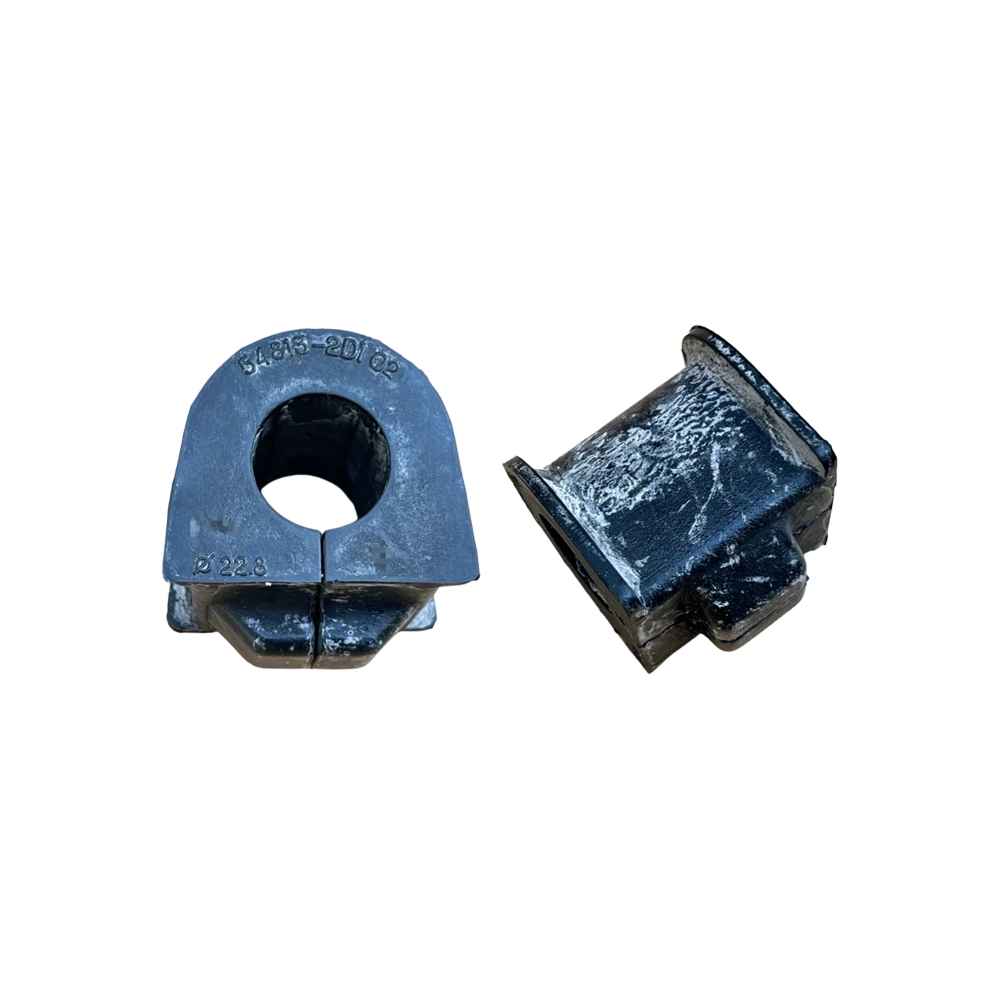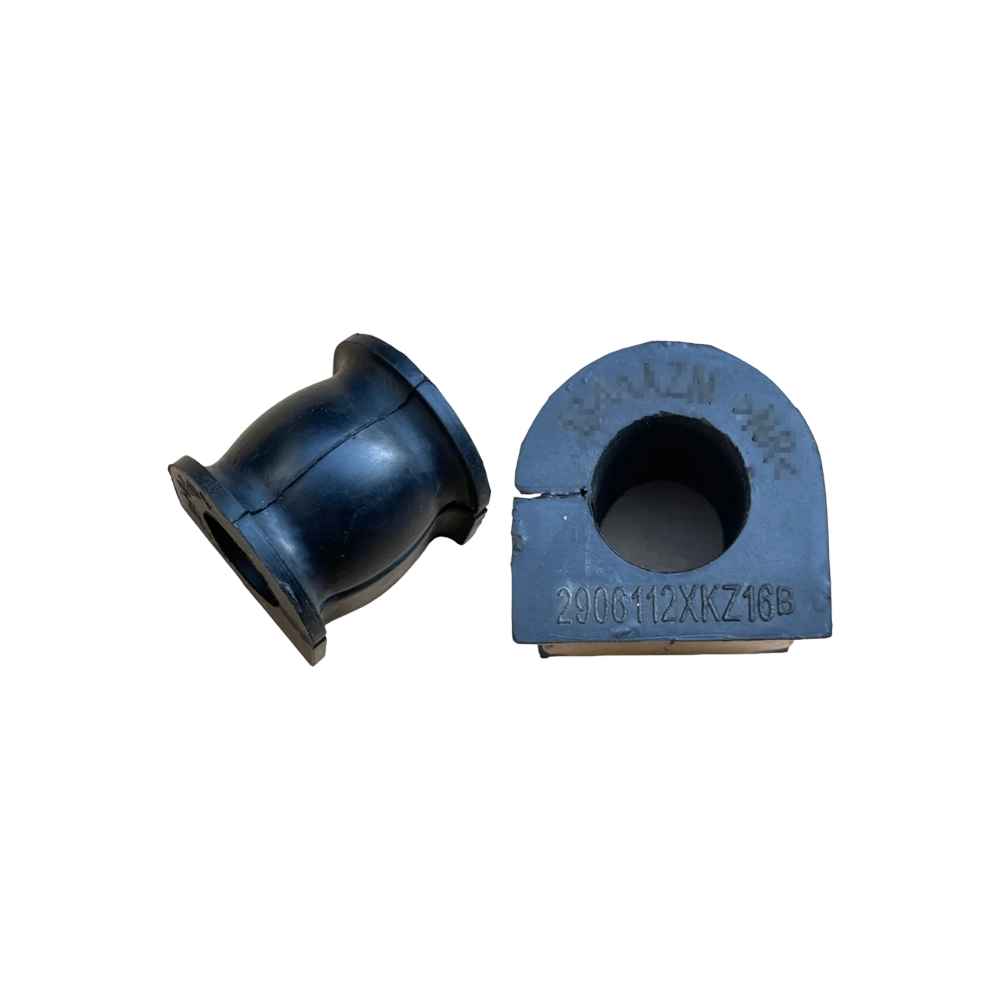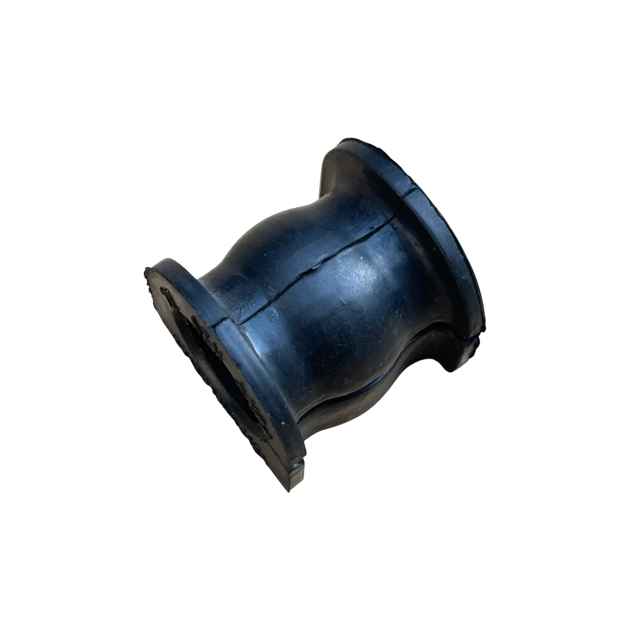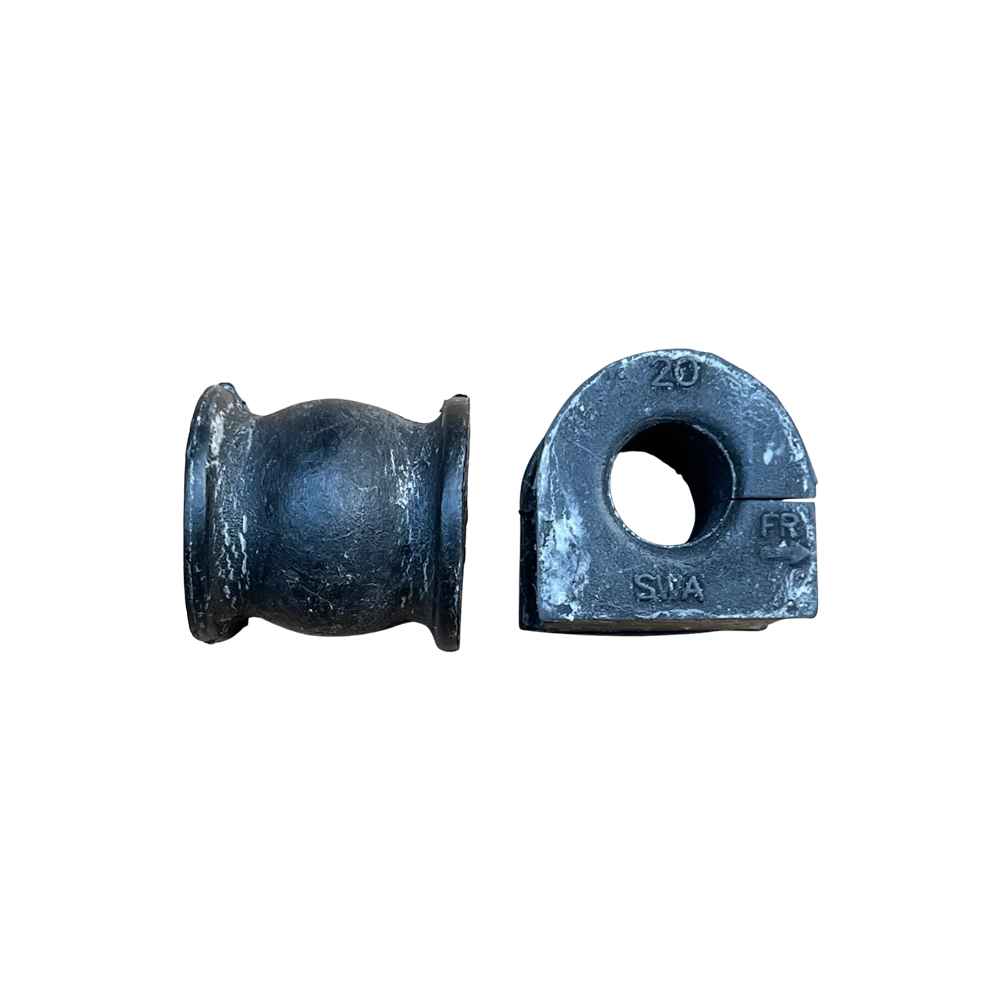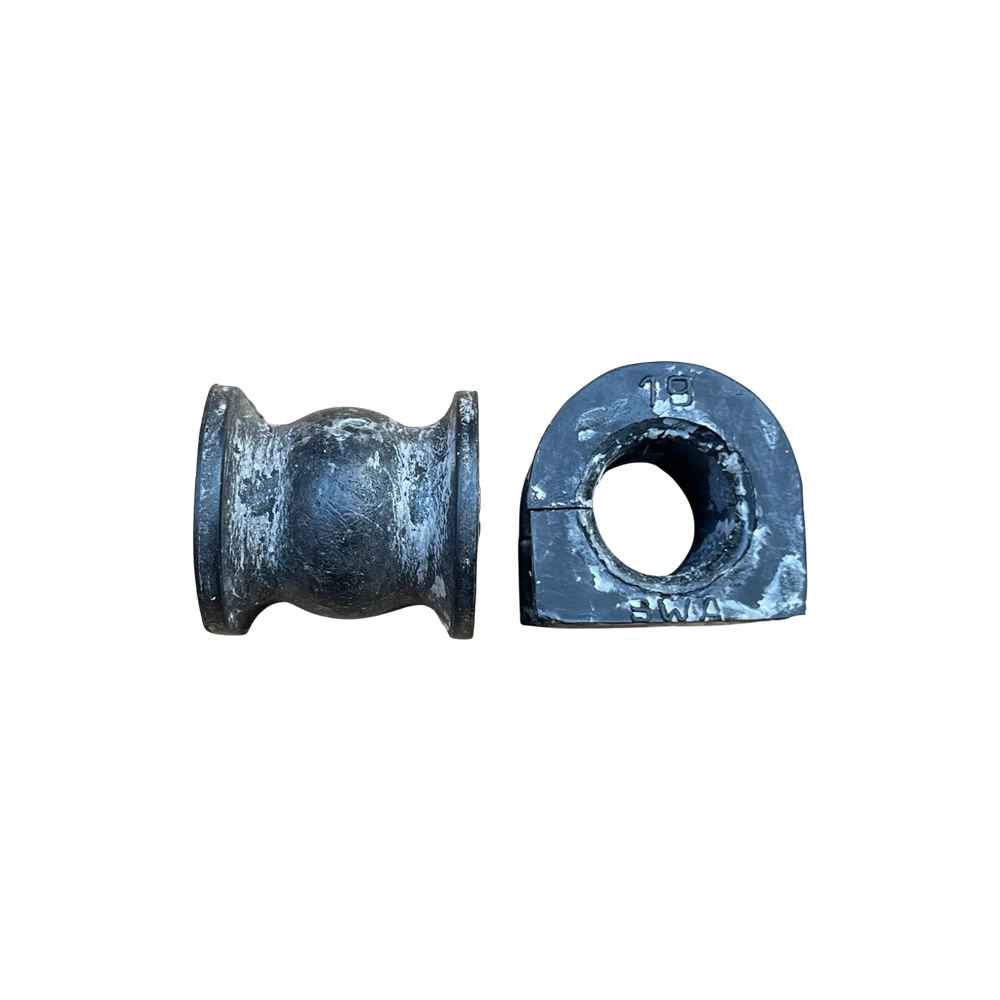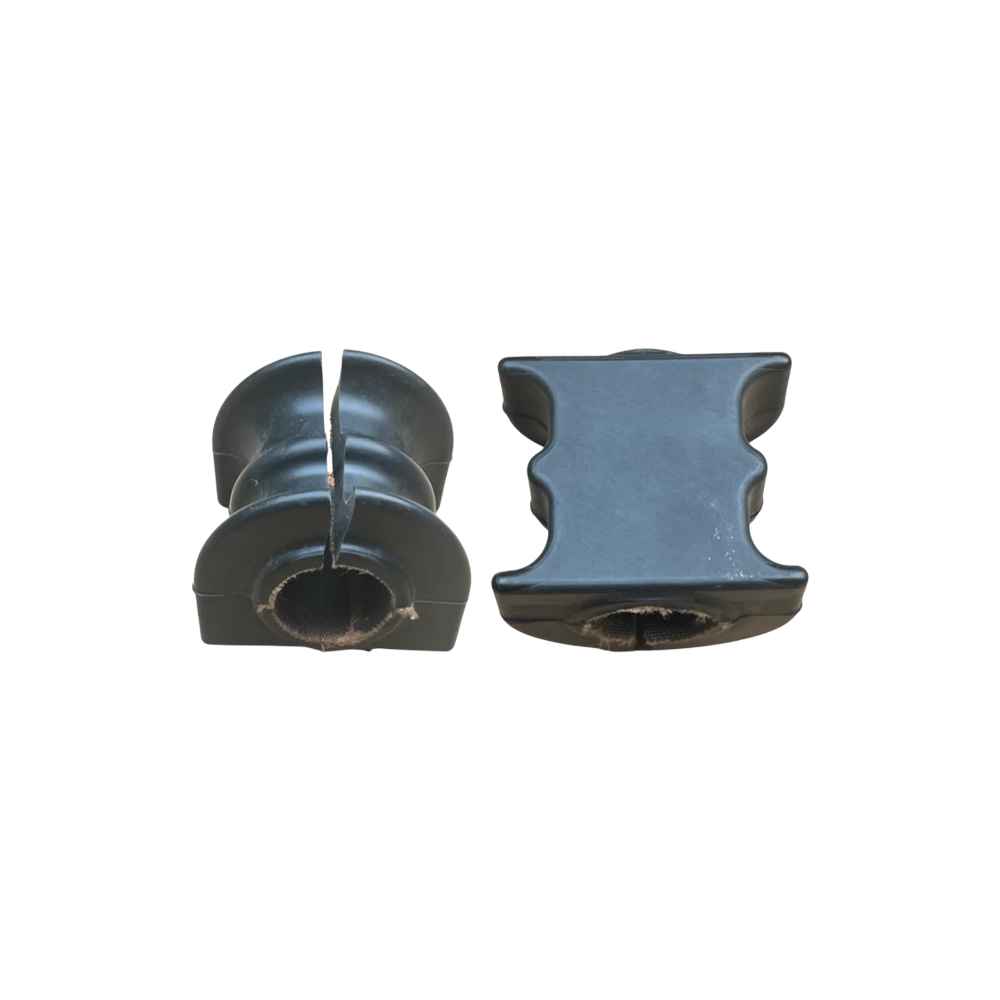
Understanding the Role of Shock Absorber Boots
The shock absorber boot is a critical component in vehicle suspension systems, ensuring that the shock absorbers function optimally over time. It serves to protect the internal parts of the shock absorber from dirt, moisture, and other contaminants, which can significantly reduce performance and longevity.
Importance of Material Selection
When considering Shock Absorber Boots , the choice of materials is paramount. High-quality rubber compounds are typically favored due to their resilience and ability to withstand extreme temperatures and environmental conditions. Brands like Guanghua have gained recognition for employing advanced rubber formulations that enhance durability while maintaining flexibility.
Design Features That Enhance Performance
The design of Shock Absorber Boots is not merely aesthetic; it plays a crucial role in their functionality. Key features include:
- Flexibility: A properly designed shock absorber boot must allow for the full range of motion of the shock absorber without tearing or cracking.
- Sealing Capability: The boots should effectively seal the shock absorber to prevent ingress of contaminants.
- Resistance to UV and Ozone Damage: Given exposure to various weather conditions, resistance to degradation from UV rays and ozone is essential.
Manufacturing Standards: TS16949 and ISO Certifications
For automotive components such as shock absorber boots, adherence to international quality standards is crucial. TS16949 and ISO certifications signify that manufacturers, including those like Guanghua, have implemented stringent quality management systems. These standards ensure that products meet not only customer expectations but also regulatory requirements in the automotive industry.
Quality Control Processes
Manufacturers follow rigorous quality control processes throughout the production cycle, which often includes:
- Material Testing: Each batch of raw materials undergoes testing to ensure compliance with specified properties.
- Dimensional Inspections: Regular checks are performed on the dimensions of the finished products to confirm they align with design specifications.
- Functional Testing: Shock absorber boots are subjected to various tests simulating real-world conditions to validate performance.
Installation Considerations
Proper installation of shock absorber boots is vital for their effectiveness. Incorrect installation can lead to premature failure or inadequate protection. Technicians must ensure that the boots are fitted snugly, avoiding any pinching or misalignment during the process.

Common Installation Pitfalls
Some common mistakes made during the installation of shock absorber boots include:
- Inadequate Lubrication: Failing to use the appropriate lubricant can result in friction and damage during movement.
- Neglecting Cleaning: Installing boots over dirty surfaces can trap contaminants, compromising the seal.
- Ignoring Torque Specifications: Not adhering to specified torque values when securing the components can lead to failures.
Maintenance Tips for Longevity
The lifespan of shock absorber boots can be extended through a few simple maintenance practices. Regular inspections are recommended to look for signs of wear or damage. Additionally, keeping the surrounding area clean can help prolong the integrity of the boots.
Identifying Signs of Wear
Mechanics should be trained to recognize indications that shock absorber boots may need replacement, such as:
- Cracks or splits in the boot material
- Swelling or abnormal bulging
- Presence of leaks around the shock absorber area
Comparative Overview: Shock Absorber Boots vs. Other Sealing Components
While shock absorber boots serve a specific purpose, they share some similarities with other sealing components in vehicles, such as CV joint boots and valve cover gaskets. However, each type of boot or gasket is tailored to meet the unique demands of its application, further emphasizing the importance of proper selection and installation based on the respective operating environments.
Conclusion: The Future of Shock Absorber Boot Technology
As technology advances, we can anticipate improvements in the materials and designs used for shock absorber boots. Innovations may lead to enhanced performance characteristics and longer lifespans, ultimately contributing to better overall vehicle reliability. Continuous research and development in this sector will play a significant role in shaping future manufacturing practices.