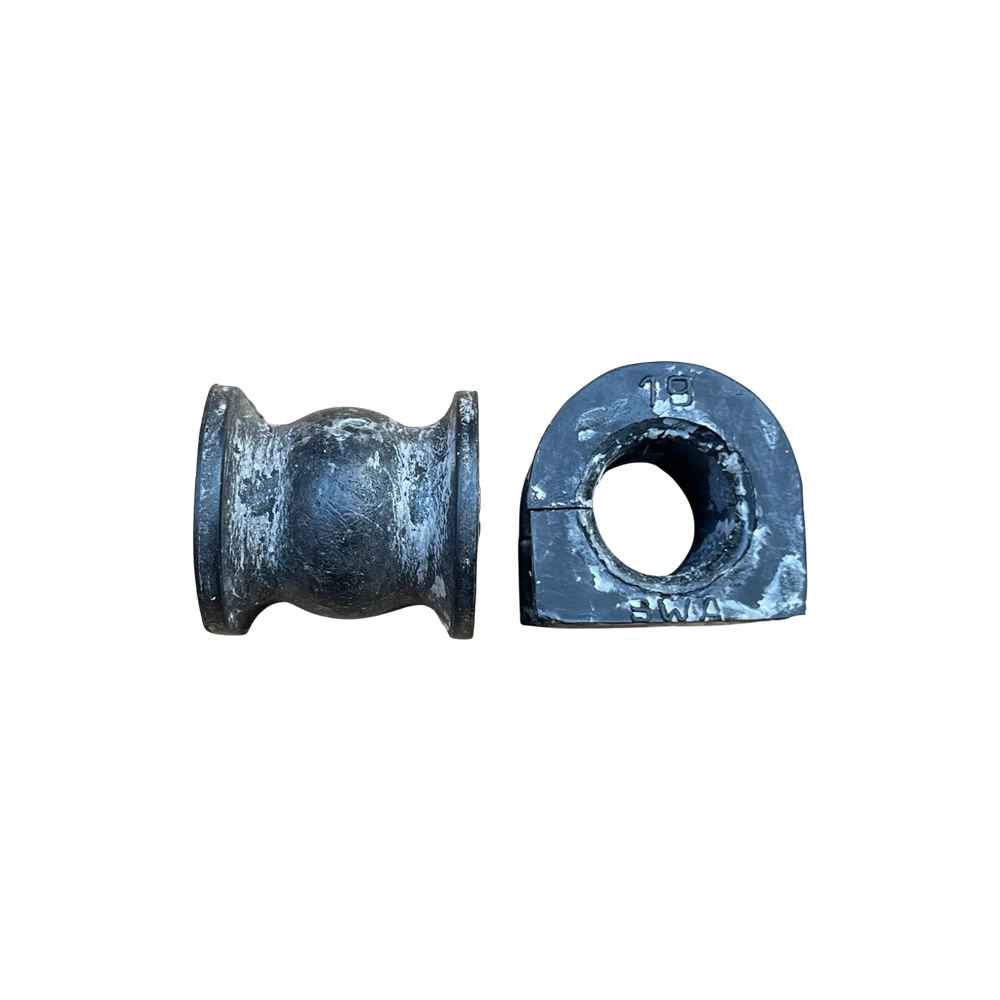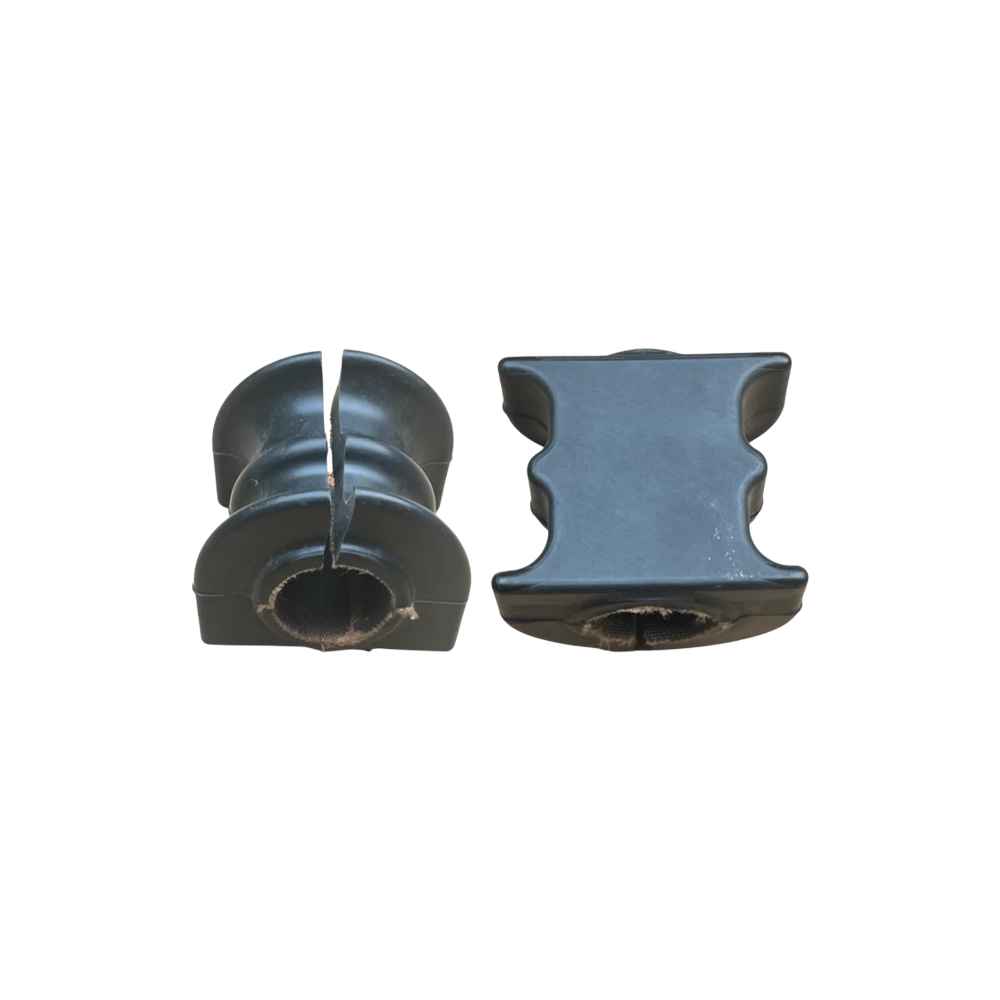
Understanding Shock Dust Covers in Automotive Hydraulic Systems
The importance of shock dust covers, often overlooked, plays a crucial role in the longevity and efficiency of automotive hydraulic systems. These components not only protect shock absorbers from dirt and debris but also contribute significantly to overall vehicle performance.
What are Shock Dust Covers?
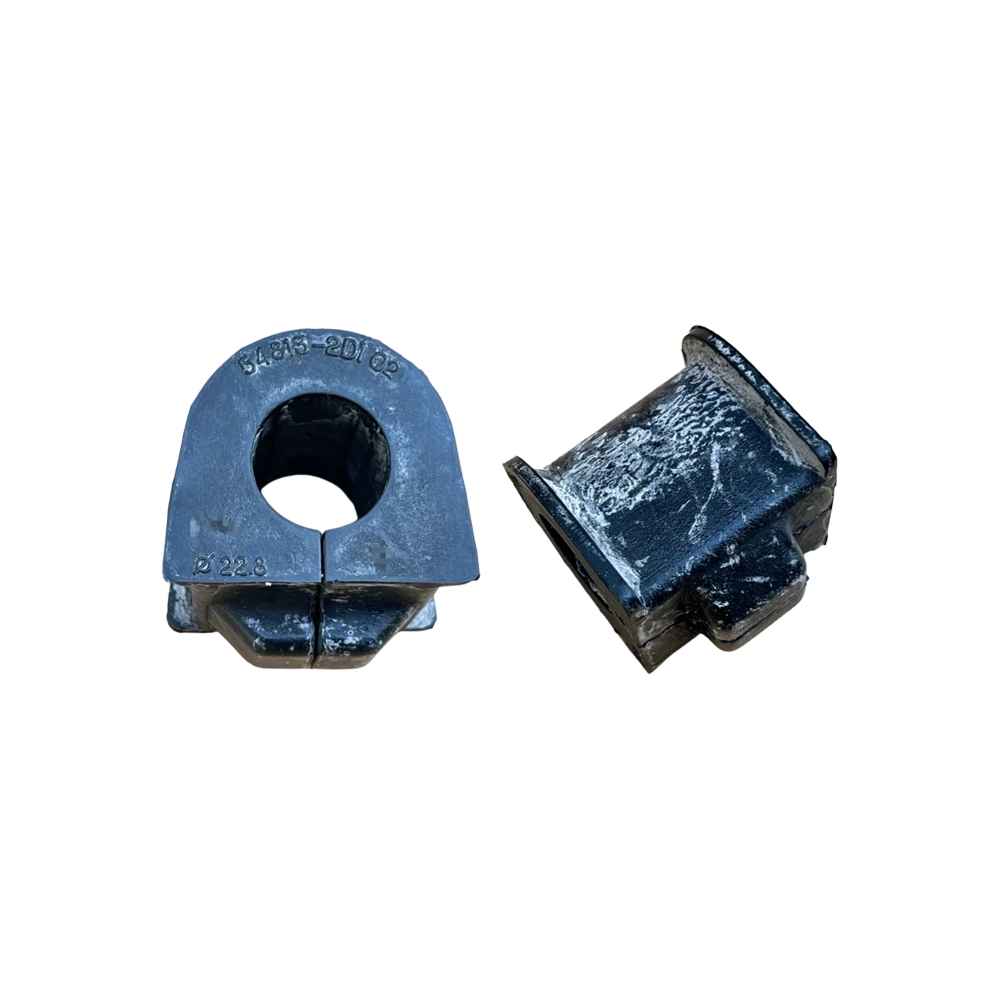
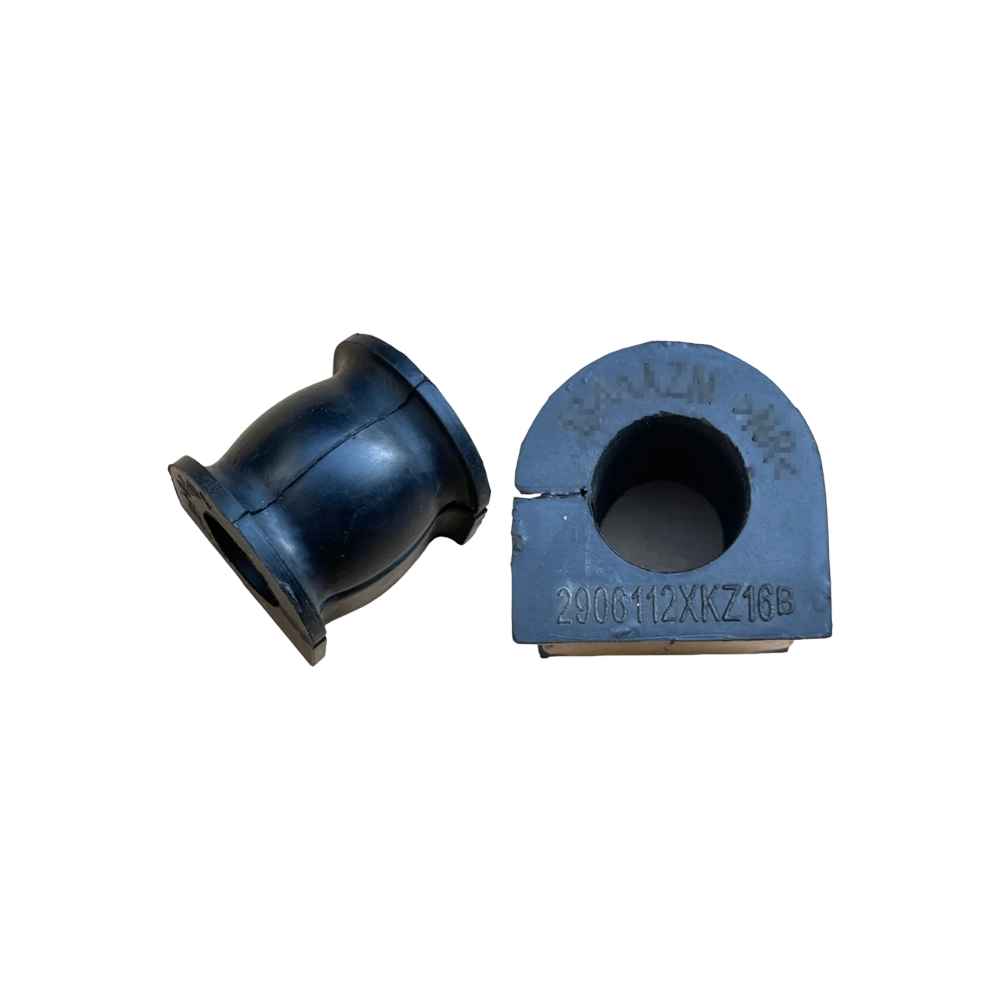
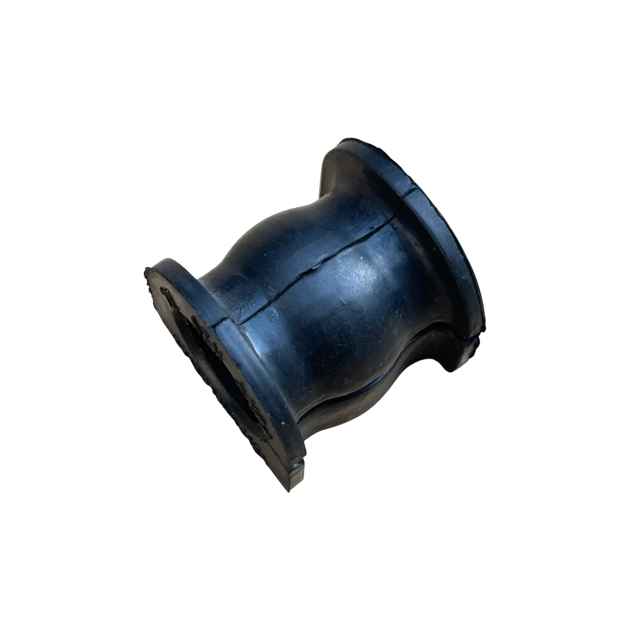
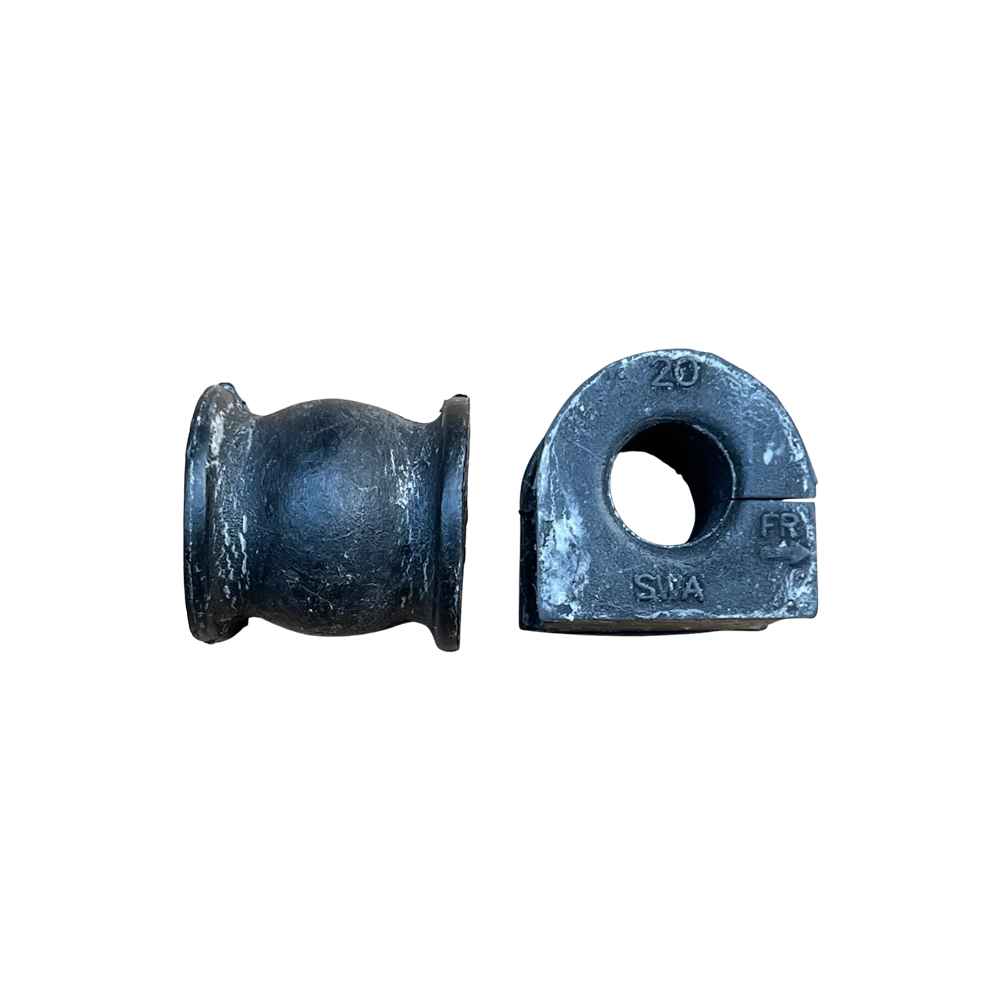
Shock dust covers are protective sleeves that encase the piston rods of shock absorbers. They serve as a barrier against contaminants such as mud, water, and road grime, which can lead to premature wear and tear on hydraulic components. Essentially, they are the unsung heroes of suspension systems.
Materials Used in Manufacturing
The material selection for shock dust covers is paramount. Typically, high-quality rubber compounds are used, which ensure durability and flexibility. A notable brand like Guanghua produces rubber parts that stand up to rigorous conditions. There are several factors to consider when assessing the material:

- Temperature Resistance: The material must withstand extreme temperatures without losing its properties.
- Chemical Resistance: Exposure to oils and other fluids necessitates robust chemical resistance.
- Flexibility: A good dust cover needs to flex under movement while maintaining its structural integrity.
Benefits of Using Quality Shock Dust Covers
Investing in quality shock dust covers provides numerous benefits. For instance, they can extend the lifespan of shock absorbers by shielding them from harmful elements. Furthermore, they enhance ride comfort by ensuring that shocks operate smoothly. In fact, regularly replacing worn-out covers can drastically improve handling and stability.
Installation Considerations
Installing shock dust covers may seem straightforward, but there are a few key considerations to keep in mind:
- Compatibility: Always check that the dust cover is compatible with specific shock absorber models.
- Proper Fitment: Ensure that the cover fits snugly to prevent any gaps that could allow contaminants in.
In practice, using a bit of lubricant during installation can facilitate a smoother fitting process, ensuring no cracks or tears occur at the seams.
Common Issues and Solutions
Over time, shock dust covers can face various challenges. Common issues include cracking, tearing, and displacement. Here's how to address these:
- Cracking: Often caused by exposure to UV light or extreme temperatures. Regular inspections can help spot this early.
- Tearing: Often a result of improper installation or low-quality materials. If noticed, replace immediately.
- Displacement: Can happen due to poor fitment. Ensure proper alignment during installation to mitigate this issue.
Maintenance Tips
To maximize the lifespan of shock dust covers, regular maintenance is key. Here are some tips:
- Regular Inspections: Check for signs of wear every few months, especially after off-road usage.
- Clean Environment: Keeping the area around the shock absorbers clean can reduce the risk of damage.
- Quality Replacement Parts: When it's time to replace, opt for reputable brands like Guanghua to ensure reliability.
Conclusion: The Importance of Quality Components
In the realm of automotive hydraulic systems, neglecting components like shock dust covers can lead to significant issues down the line. By focusing on quality, such as choosing CV Joint Boots or Steering Rack Boots from trusted manufacturers, one can ensure the entire system operates efficiently. As an industry professional, I believe it’s crucial to invest in the best components available. Only then can you truly reap the benefits of a well-maintained vehicle.