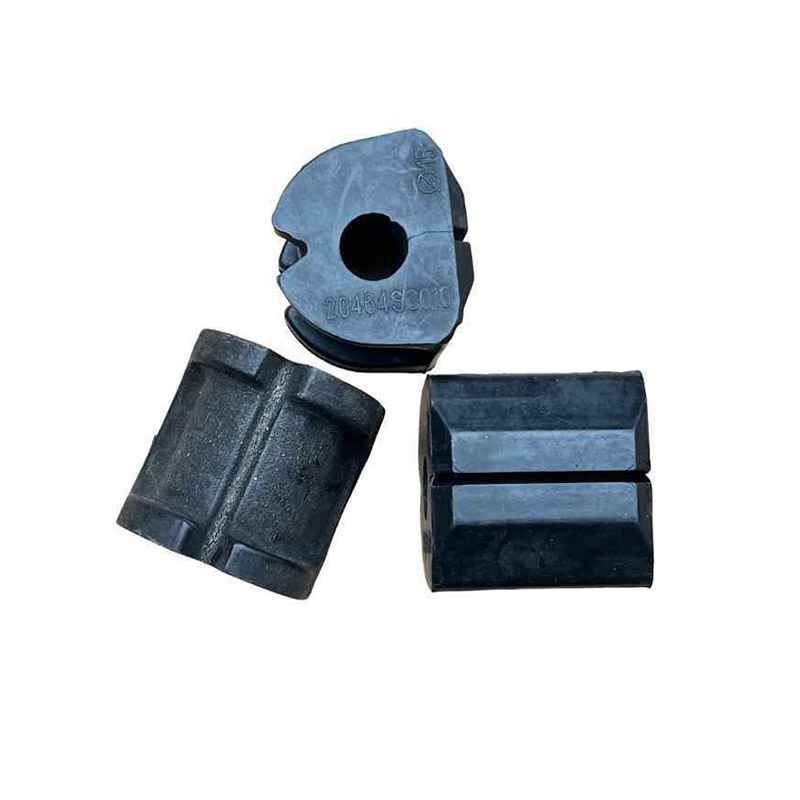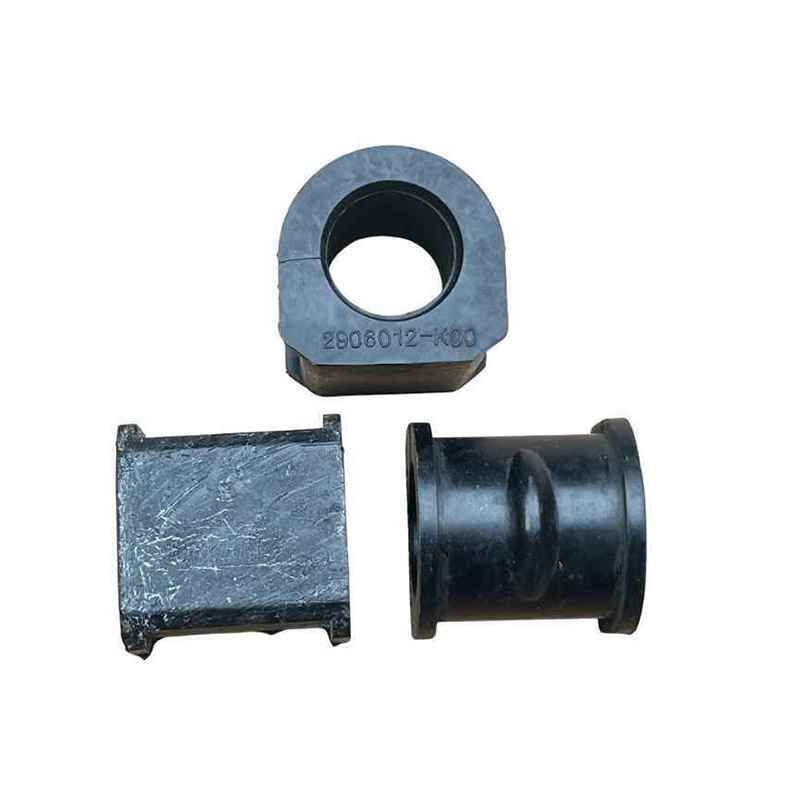
The Importance of Stabilizer Bar Bushings
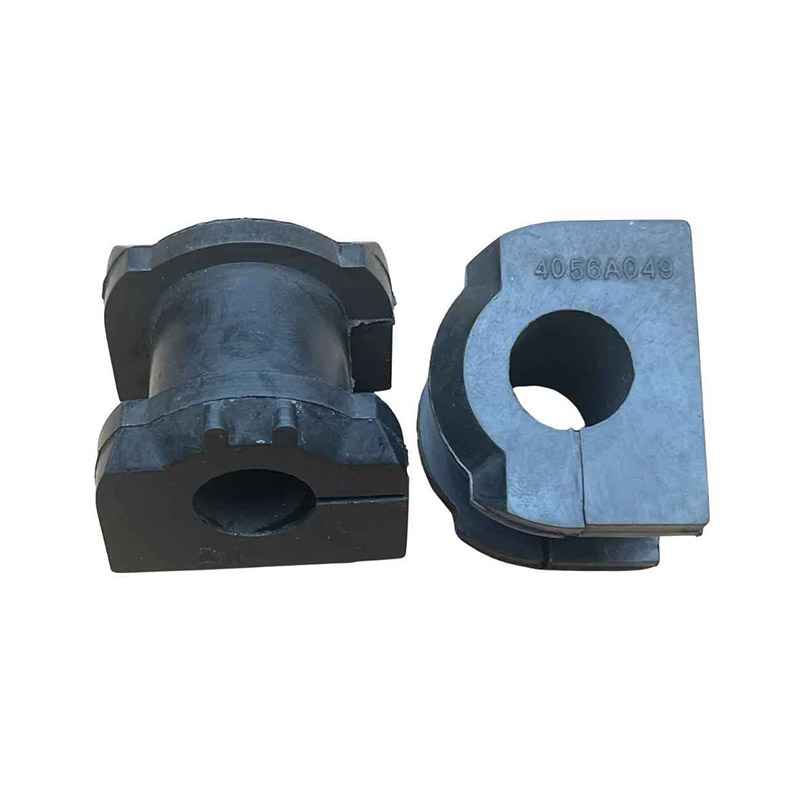
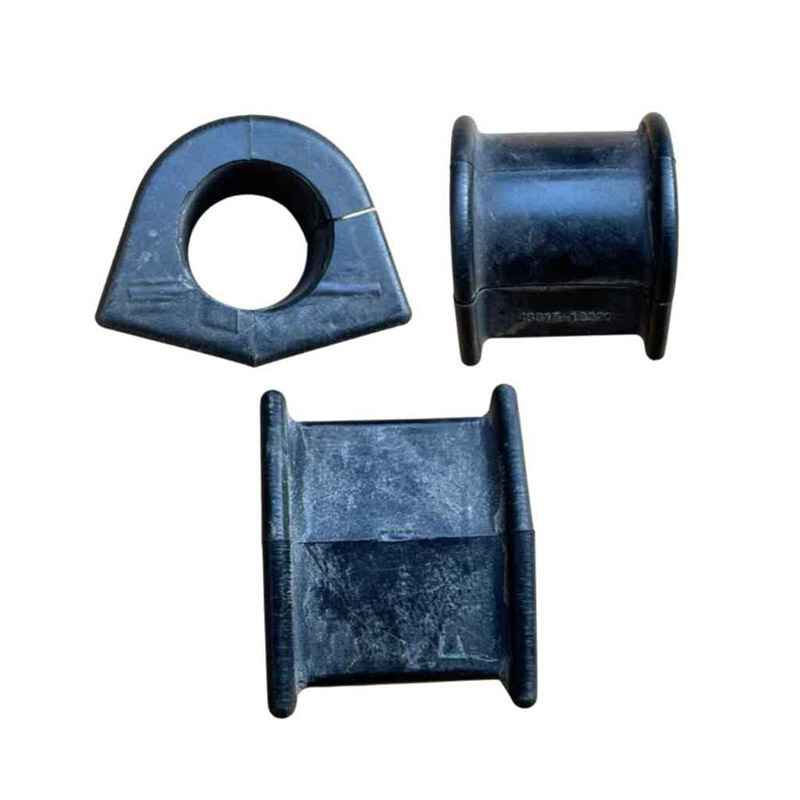
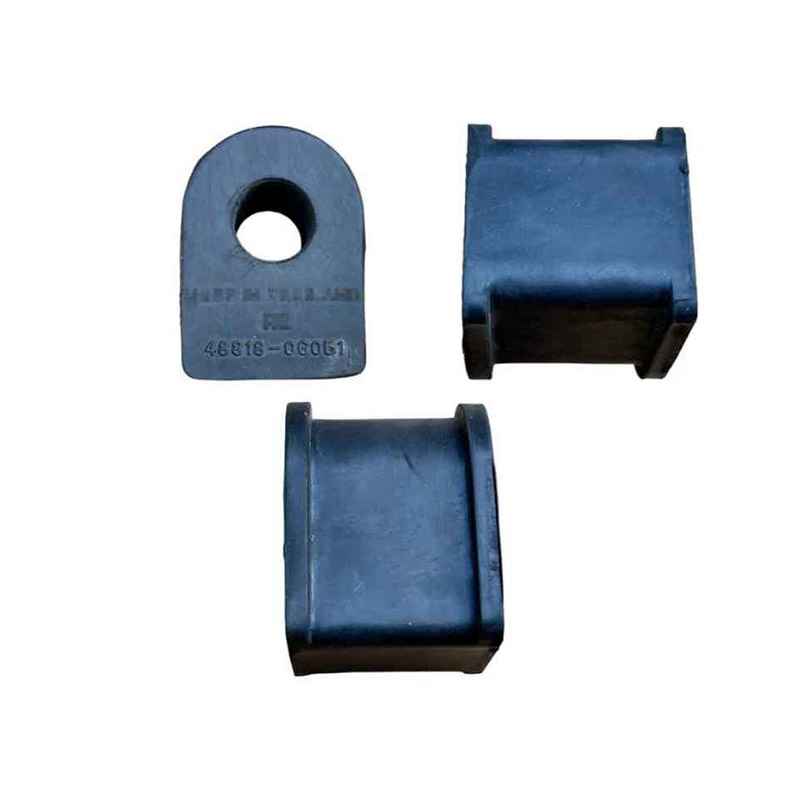
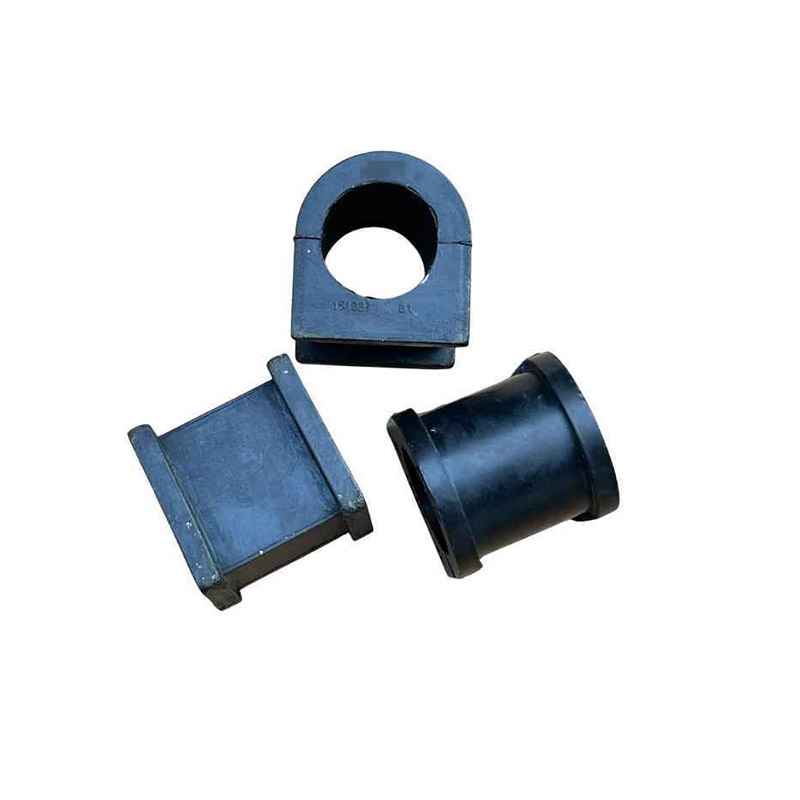
Stabilizer Bar Bushings , those unsung heroes of vehicle suspensions, play a critical role in ensuring your ride is smooth. They connect the stabilizer bar to the chassis, absorbing vibrations and minimizing body roll during turns. Without them, driving feels like sailing on rough seas—bumpy and unpredictable. Did you know that worn bushings can lead to premature wear on other suspension components? It's true!
OEM vs Aftermarket Bushings
When it comes to replacing these vital rubber components, you have two options: OEM and aftermarket. OEM parts are manufactured by the vehicle's manufacturer, ensuring a perfect fit. But here’s the catch—aftermarket parts often provide comparable quality at a fraction of the cost.
- OEM: Guaranteed compatibility and longevity.
- Aftermarket: More affordable, with wide-ranging options.
A classic case involves a friend's 2012 Honda Accord. He opted for Guanghua aftermarket Stabilizer Bar Bushings . Guess what? They performed just as well as the OEM ones and saved him 30% on costs! Who would’ve thought?
Choosing the Right Material
Let's talk materials. Rubber is the most common choice for bushings, but not all rubbers are created equal. Some manufacturers use high-grade synthetic rubber, which offers better durability and resistance to weathering. The best choice? Look for formulations that resist cracking and provide excellent shock absorption. This is where O-Rings & Rubber Sealing Rings come into play; they offer superior sealing capabilities that enhance performance and longevity.
Performance Implications
Neglecting your stabilizer bar bushings can lead to a cascade of issues. For example, if they are cracked or broken, you'll likely experience increased noise and handling problems. Your steering rack boots could also suffer over time due to the additional stress. Think about the daily drive—every bump, every turn. You want stability, not chaos.
Installation Insights
So, you’ve decided to replace your bushings. Great! Installation isn’t rocket science but does require attention to detail. First, raise the vehicle safely and remove the wheel to access the stabilizer bar. Then, you’ll need to detach the old bushings. Note the orientation and positioning—this is crucial. If you get it wrong, the new bushings won’t perform effectively.
Real-World Comparison
Imagine comparing two vehicles: one equipped with top-tier Stabilizer Bar Bushings and another with cheap alternatives. In a controlled test around a winding road, the second vehicle exhibited excessive body roll, while the first hugged corners like a pro. A mere $50 difference in bushing price led to a vastly distinct driving experience. Isn’t that mind-blowing?
Best Practices for Maintenance
Keeping your bushings in prime condition is essential. Regular checks can save you from larger repairs down the line. Look out for the following signs:

- Unusual noises during turns.
- Increased body roll when cornering.
- Visible cracks or deterioration.
Don’t wait until it’s too late. Trust me, waiting can lead to more than just an annoying rattle; it can affect your entire suspension system.
Conclusion: Investing in Quality
Investing in quality stabilizer bar bushings—whether OEM or aftermarket—can make all the difference in your vehicle’s performance. It may seem like a small piece of the puzzle, but this simple component can enhance safety and comfort. So, next time you're under the hood, pay attention to those bushings. They’re worth it!