Introduction to Steering Rack Boots
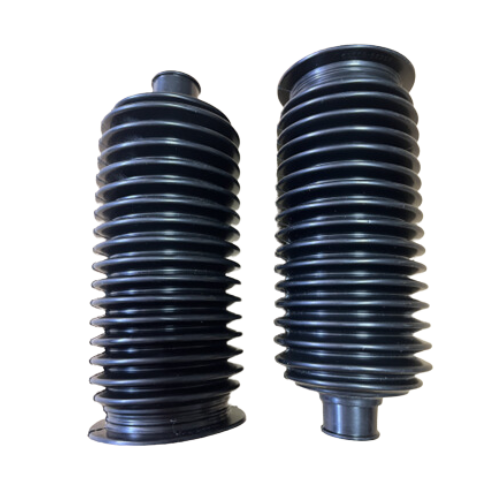
Steering Rack Boots serve a critical function in automotive design and maintenance, primarily acting as protective covers for the steering mechanism. These components prevent dirt, debris, and moisture from entering the steering rack, which can lead to premature wear and failure. The importance of high-quality boots cannot be overstated, particularly when one considers the differences between OEM (Original Equipment Manufacturer) and aftermarket parts.
The Functionality of Steering Rack Boots
Essentially, steering rack boots are designed to maintain the integrity and performance of vehicle steering systems. They encapsulate the vulnerable components of the steering rack, such as the tie rod ends and the inner workings of the rack itself. This encapsulation helps keep lubricants contained while simultaneously thwarting contaminants that might compromise functionality.
Material Composition
Typically made from elastomeric materials like rubber or thermoplastic, steering rack boots must exhibit remarkable durability and flexibility. The material choice significantly influences their lifespan and overall effectiveness, with reputable manufacturers often opting for compounds that can withstand various environmental factors such as UV exposure and extreme temperatures. Brands like Guanghua have established themselves in this sector by providing reliable materials that meet TS16949/ISO standards.
Installation Considerations
When it comes to installing steering rack boots, proper alignment and fitment are paramount. Incorrect installation can lead to premature failure or inadequate protection. Mechanic professionals should consider the following steps:
- Ensure all old components, including any clamps or fasteners, are removed.
- Inspect the steering rack for signs of damage before fitting new boots.
- Lubricate the inner surfaces of the boots to facilitate easy movement.
- Secure the boots using appropriate clamps to ensure they remain in place during operation.
OEM vs. Aftermarket Steering Rack Boots
The decision between OEM and aftermarket steering rack boots is often influenced by various factors including cost, availability, and quality assurance. OEM parts are manufactured according to stringent specifications set forth by the vehicle's manufacturer, ensuring a precise fit and reliability. On the other hand, aftermarket options can provide a cost-effective alternative, although the quality may vary significantly across suppliers.
Quality Assurance in Manufacturing
Manufacturers adhering to TS16949 standards guarantee that their production processes meet international quality management system requirements. Such certifications assure customers that the products have been tested for durability and performance, essential for components like steering rack boots that operate under demanding conditions.
Common Failures and Symptoms
Understanding the common failures associated with steering rack boots can aid vehicle owners and mechanics alike in diagnosing issues before they escalate. Among the most frequently observed symptoms is visible cracking or tearing of the boot material. Additionally, if grease leaks are detected near the steering rack area, it signals a potential failure of the boots, leading to contamination of the internal components.
Maintenance Best Practices
Maintaining steering rack boots involves regular inspection, particularly during routine vehicle servicing. Mechanics should look for wear indicators such as:
- Cracks or splits in the boot material.
- Signs of grease leakage around the steering rack area.
- Looseness or abnormal movement in the steering assembly.
Addressing any identified issues promptly can prolong the lifespan of the steering system and enhance vehicle safety.
The Role of Sealing Components in Steering Systems
In addition to steering rack boots, other sealing components such as O-Rings & Rubber Sealing Rings and shock absorber boots play an integral role in maintaining optimal functionality. Each component contributes to ensuring that contaminants are kept at bay while allowing for necessary movements within the suspension and steering systems.
Integration with Other Suspension Parts
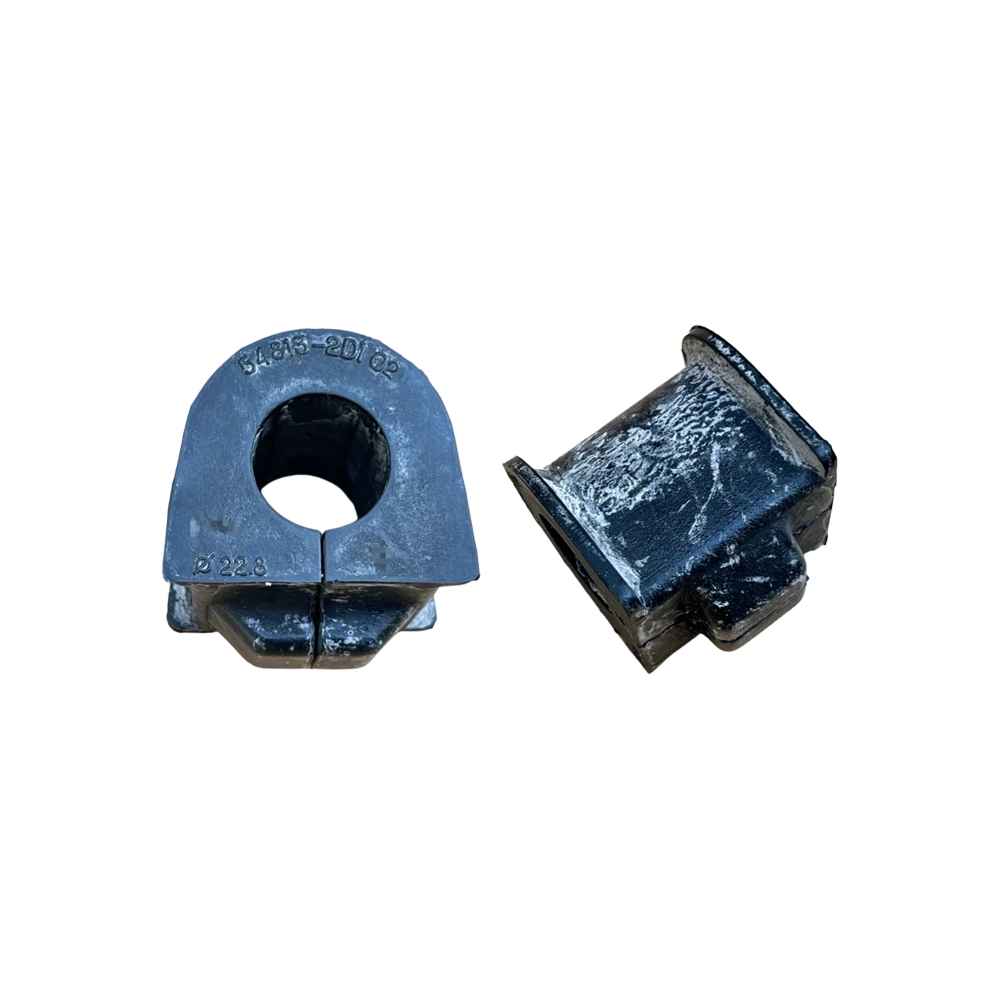
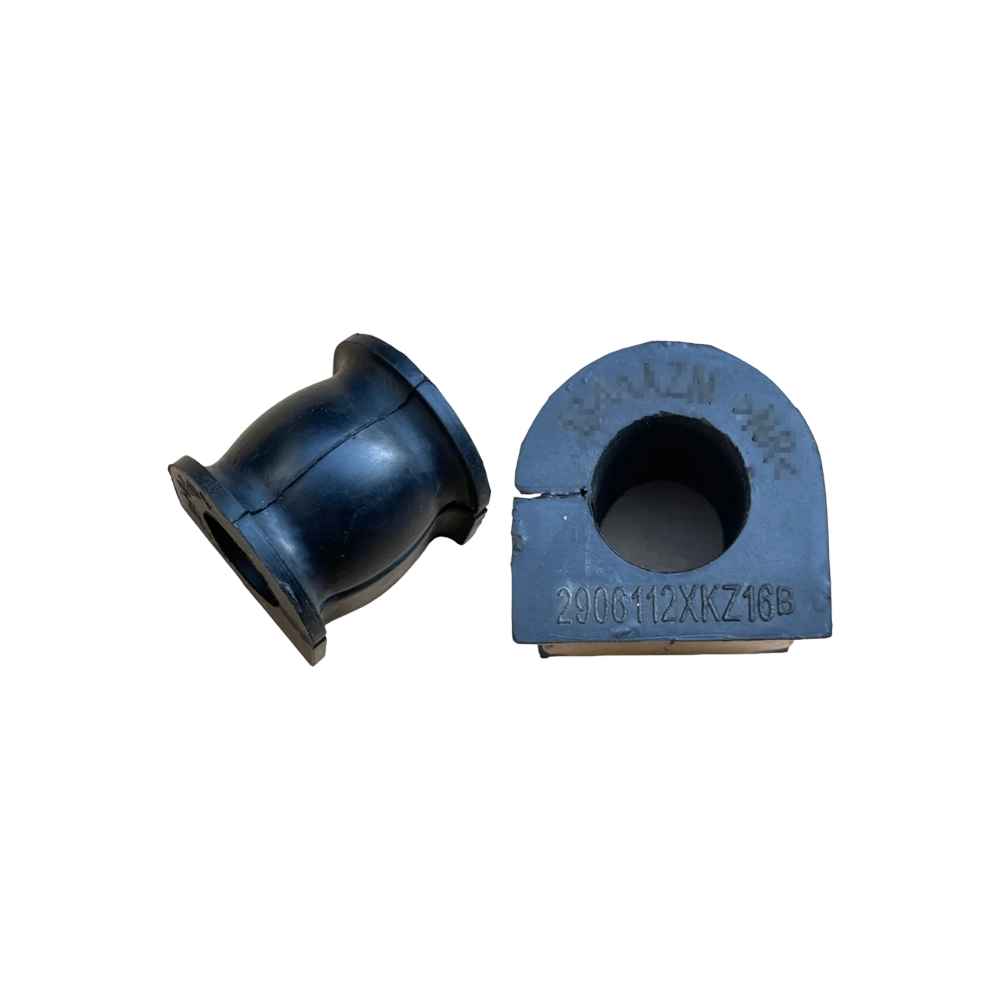
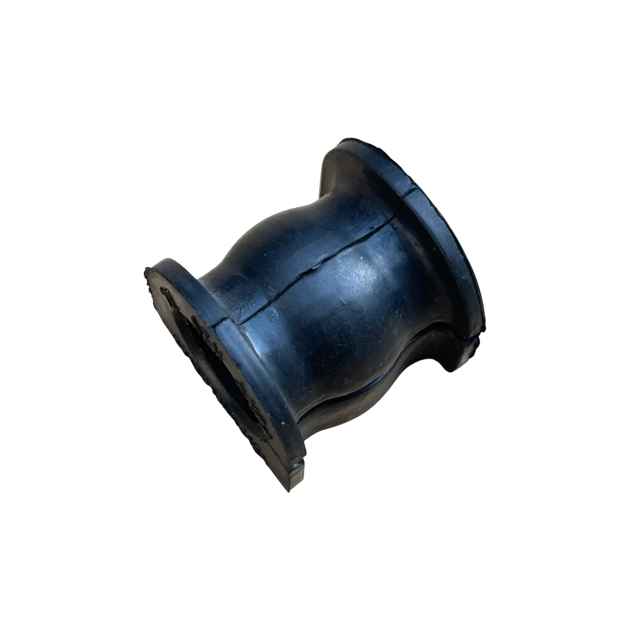
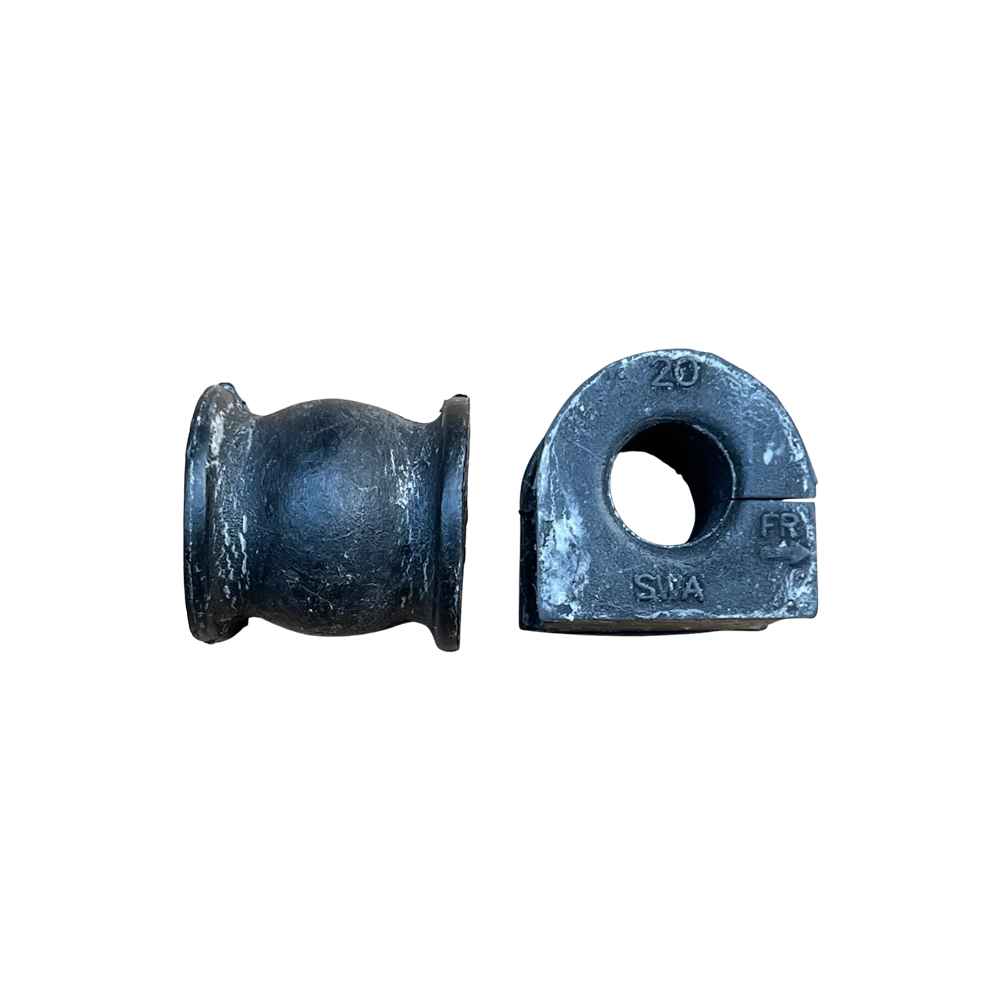
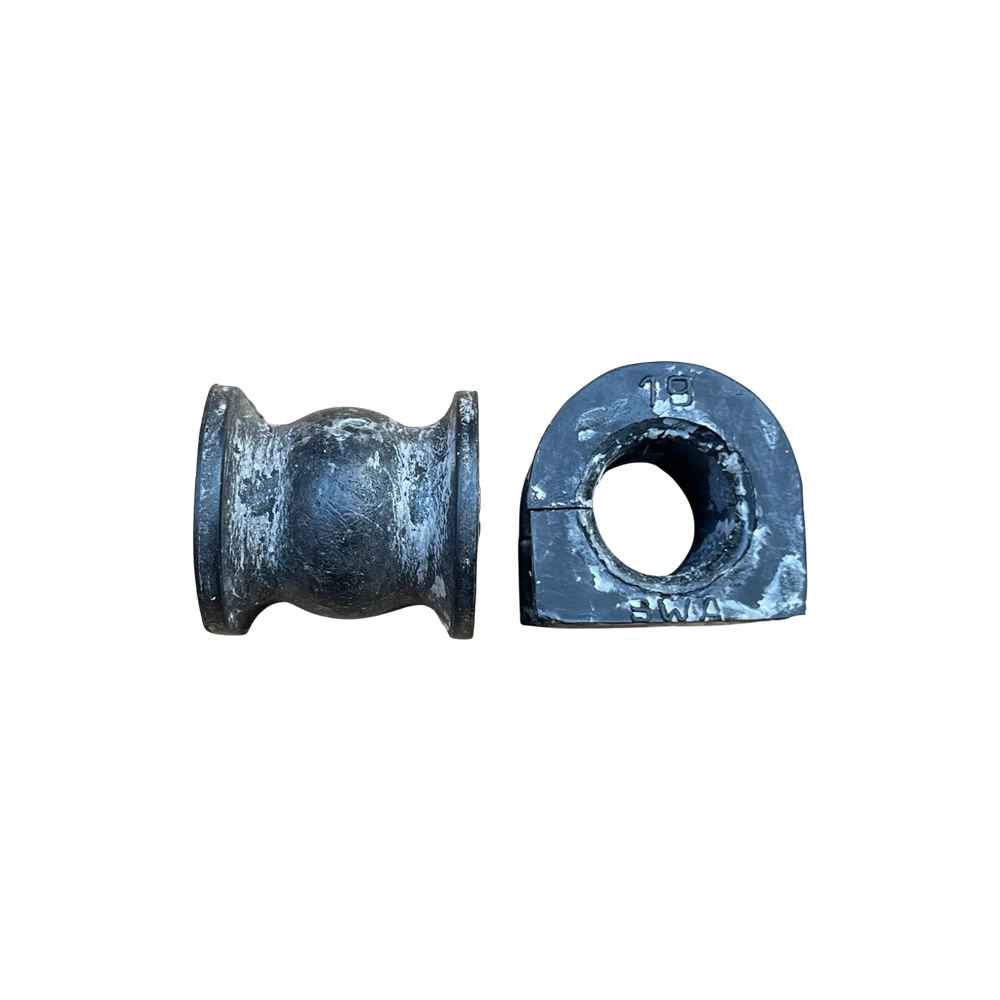
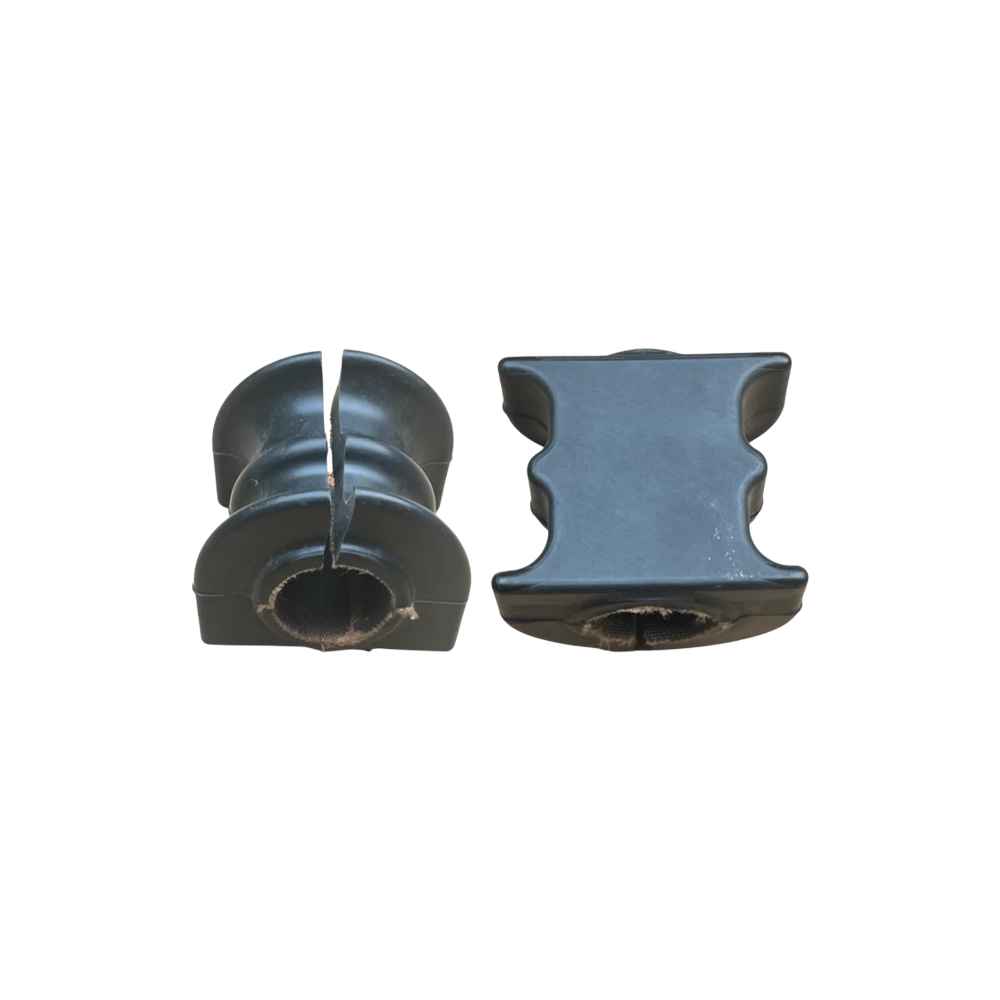
It's worth noting how steering rack boots work synergistically with other components, such as stabilizer bar bushings. Proper function of these interconnected components enhances vehicle stability and handling, further emphasizing the necessity of utilizing high-quality parts during replacement.
Conclusion
As pivotal elements of the steering system, steering rack boots are essential for vehicle performance and longevity. Whether opting for OEM or aftermarket solutions, it is crucial to choose products that meet established quality standards, thus ensuring their effectiveness in protecting vital steering components. With ongoing advancements in manufacturing techniques and material science, the future of steering rack boots promises to deliver even greater levels of reliability and performance.