Understanding Valve Cover Gaskets
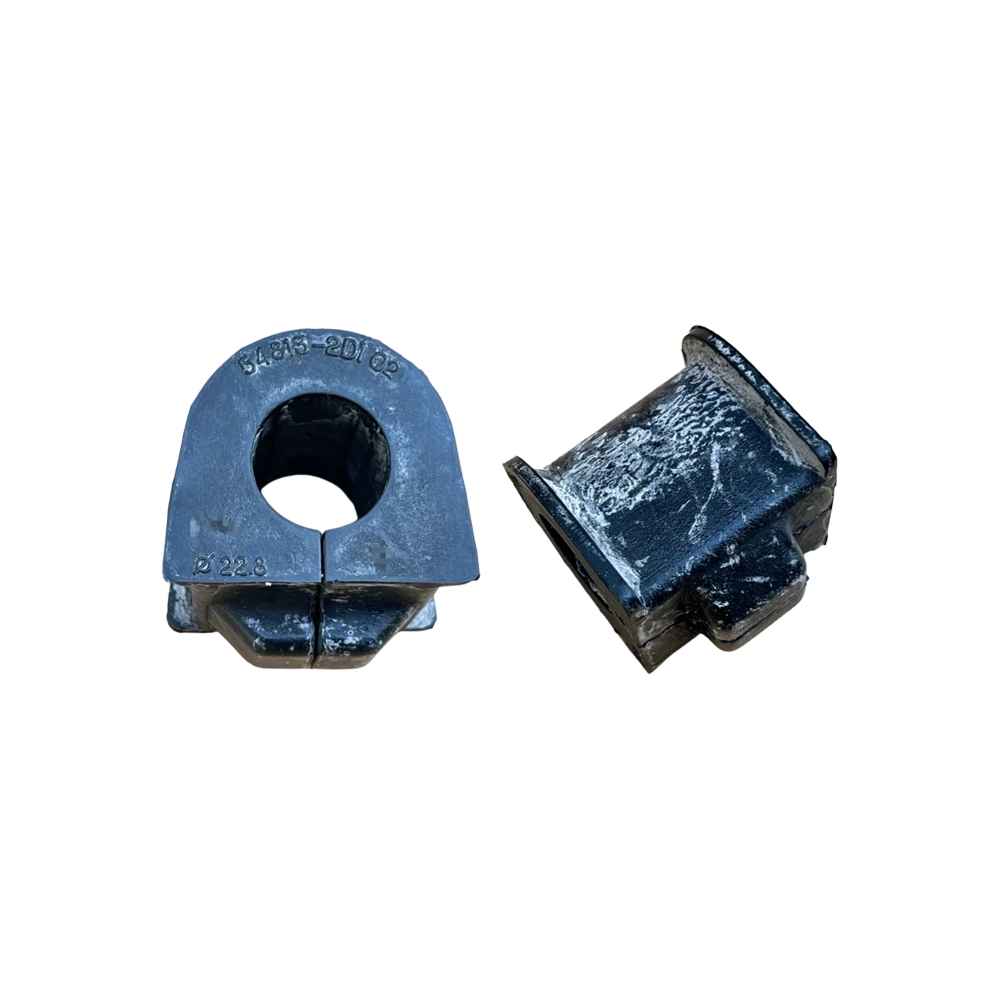
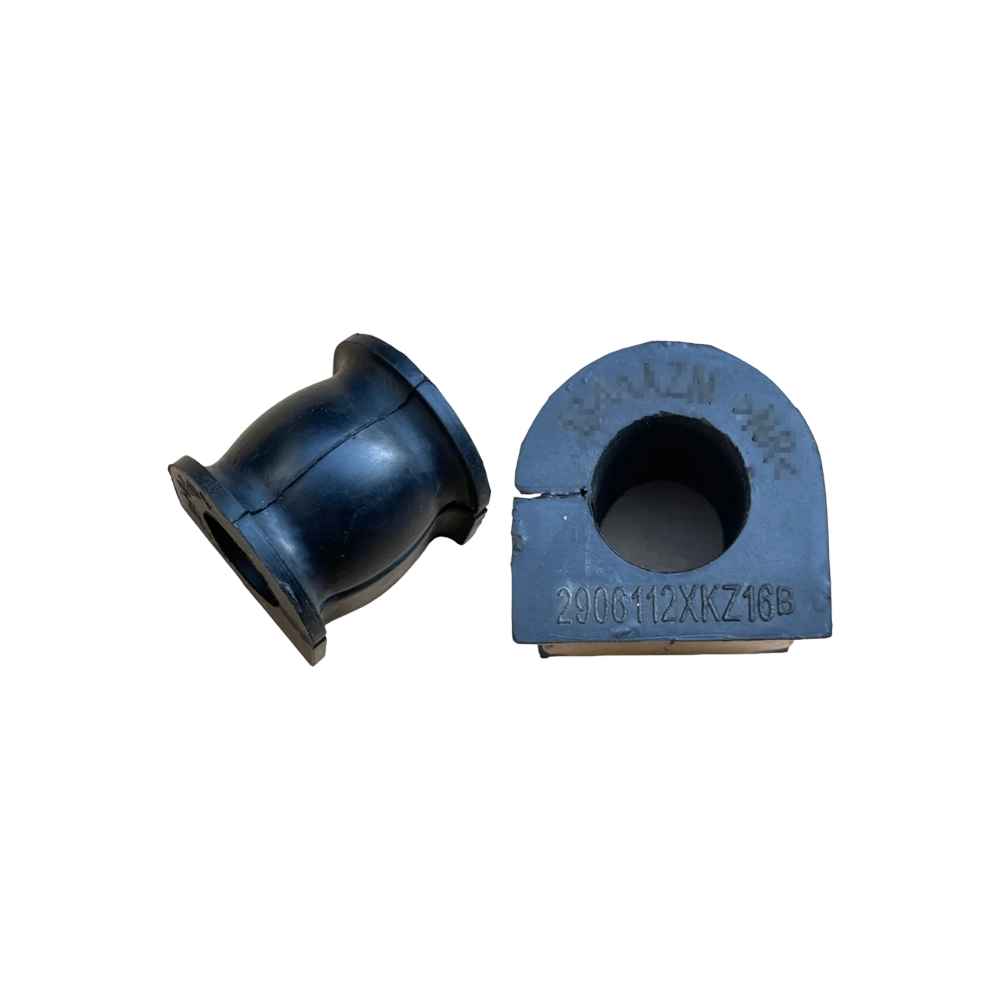
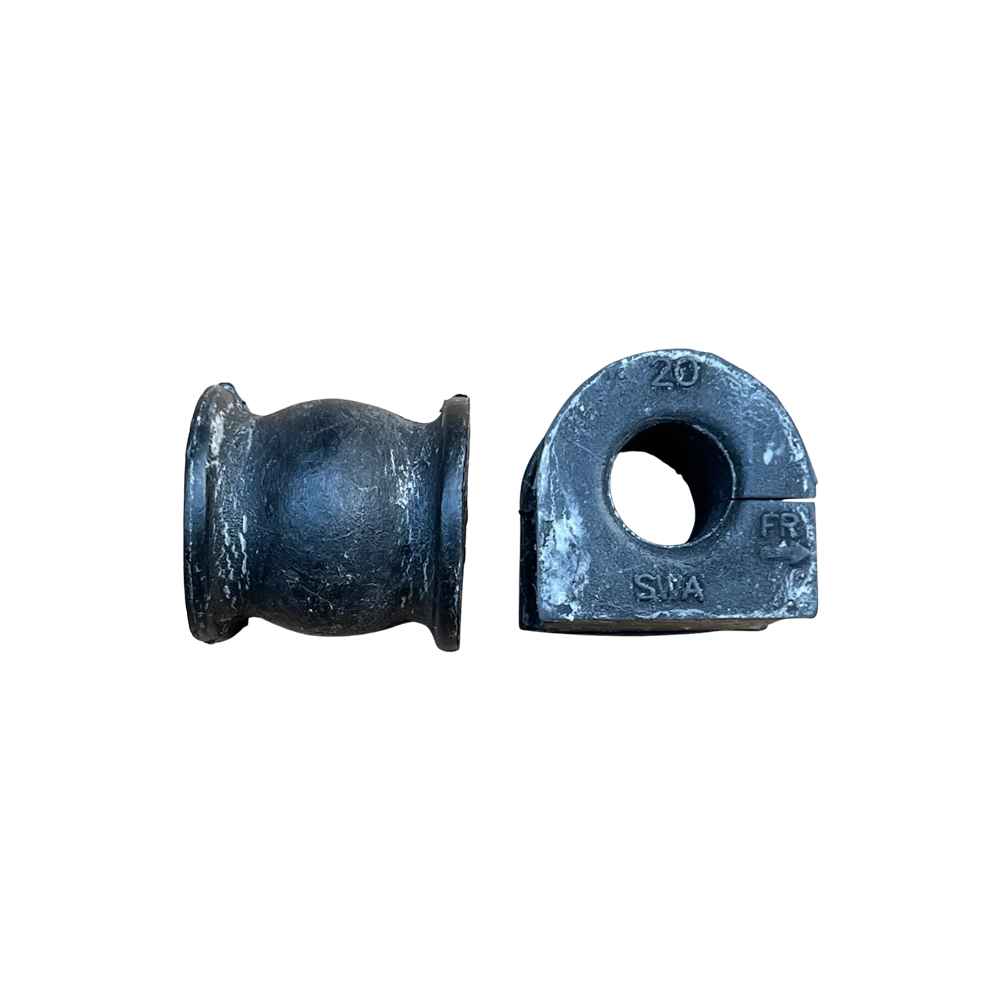
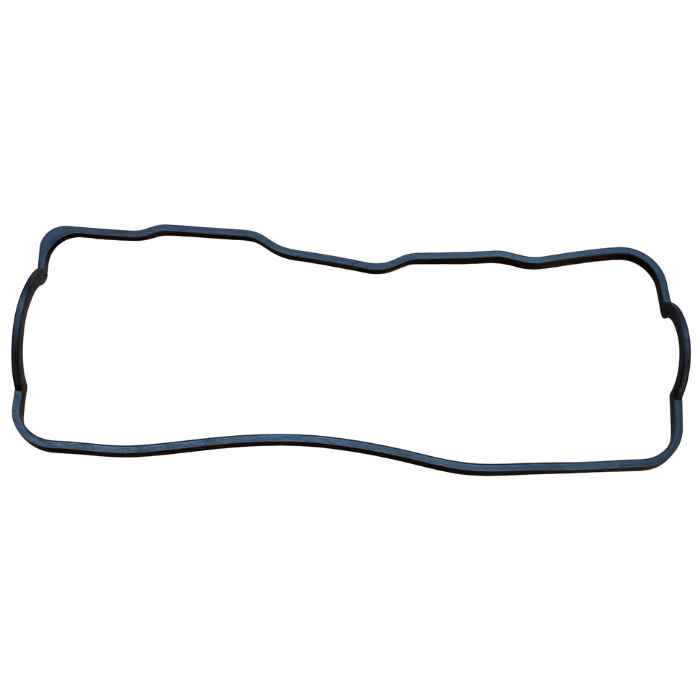
Valve cover gaskets. A simple component, yet crucial. They seal the top of the engine block, preventing oil leaks and protecting engine components from dirt and debris. But do we ever stop to think about their importance? It’s astounding how a small rubber piece can impact overall performance.
OEM vs. Aftermarket: What’s the Difference?
OEM parts are made by the vehicle manufacturer. They promise quality and exact fit. But are they always necessary? Aftermarket parts, on the other hand, offer alternatives that can sometimes outshine OEM options—especially if you consider price, availability, and enhanced features.
- Quality: OEM might be higher in quality, but certain aftermarket brands like Guanghua have built a reputation for durability.
- Price: Aftermarket parts generally come with a lower price tag. A budget-conscious buyer will appreciate this.
- Availability: Ever faced a long wait for OEM parts? Aftermarket options often provide quicker solutions.
What Should You Consider When Choosing a Supplier?
Choosing a supplier isn’t simply about cost; it encompasses several factors:
- Reputation: Look for companies with positive reviews and a solid history in the industry.
- Product Range: The more options available, from valve cover gaskets to CV Joint Boots , the better your chances of meeting diverse needs.
- Customer Service: Quick responses and helpful support make the purchasing process smoother.
The Importance of Material
Choosing the right material is paramount. For instance, cork gaskets are traditional but often less durable compared to silicone gaskets, which resist extreme temperatures. Isn’t it surprising how a material choice could affect longevity? On average, OEM silicone gaskets last approximately 100,000 miles under regular conditions, while some aftermarket silicone options may exceed that, offering an extra edge.
Installation Insights
Anyone can slap on a gasket, right? Wrong. Proper installation requires attention to detail. Misalignments lead to leaks, and leaks lead to catastrophic engine failures. Always ensure the surface is clean, use the right torque specifications, and don’t forget to change old O-Rings & Rubber Sealing Rings . How many times have I seen a perfectly good gasket fail simply due to poor installation practices?
Trends in Valve Cover Gasket Manufacturing
There’s a shift happening in the automotive industry. Manufacturers are investing in advanced materials and technology. Take for instance the latest innovations in polymer compounds that enhance resistance to oils and heat. This means longer-lasting parts. More importantly, eco-friendly manufacturing processes are gaining traction. Who wouldn’t want to contribute to a greener planet while ensuring quality?
Case Study: Guanghua's Success in the Market
Consider Guanghua's approach to valve cover gaskets. By focusing on high-quality raw materials and rigorous testing procedures, they’ve carved out a niche in both OEM and aftermarket sectors. Their gaskets feature enhanced resilience and a precise fit, making them highly sought after. Did you know they achieved a 30% increase in market share just last year? This demonstrates the potential within the B2B wholesale supplier market—a landscape ripe with opportunities.
Conclusion
In conclusion, selecting the right valve cover gasket involves more than just picking a part off the shelf. It's a blend of science, market insight, and understanding customer needs. As suppliers, we must adapt to trends, prioritize quality, and stay informed. After all, in a world that constantly demands efficiency and performance, every small component counts.