Understanding Valve Cover Gaskets
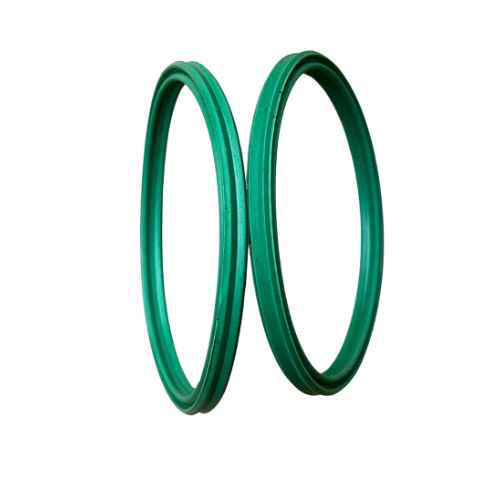
Valve cover gaskets play a crucial role in the overall functionality of an engine. They serve as a seal between the valve cover and the cylinder head, preventing oil leaks and ensuring that oil remains where it should be—inside the engine. Without a properly functioning gasket, not only can your engine suffer from oil loss, but it can also lead to serious damage over time.
OEM vs. Aftermarket Parts
When it comes to replacing valve cover gaskets, you often have two main options: Original Equipment Manufacturer (OEM) parts or aftermarket replacements. Each has its pros and cons, which we'll explore in detail.
Advantages of OEM Parts
- Exact Fit: OEM parts are designed specifically for your vehicle, ensuring a perfect fit.
- Quality Assurance: Generally, OEM parts meet stringent manufacturing standards set by the vehicle manufacturer.
- Warranty: Most OEM parts come with a warranty, providing peace of mind for consumers.
Benefits of Aftermarket Parts
- Cost-Effective: Aftermarket options are usually less expensive than OEM parts.
- Variety: There is a wide range of aftermarket gaskets available, allowing for customization according to performance needs.
- Innovation: Many aftermarket manufacturers use advanced materials that may offer improved durability and resistance to oil breakdown.
A Contract Manufacturing Partner's Perspective
As a contract manufacturing partner, we frequently collaborate with both OEMs and aftermarket suppliers. Our experiences reveal important insights into the industry, especially concerning valve cover gaskets. We understand that the quality of materials used is paramount. For instance, using a high-quality rubber compound can significantly enhance the longevity of a gasket, reducing the likelihood of leaks over time.
Material Considerations
The choice of material for valve cover gaskets can greatly affect their performance. While many standard gaskets are made from cork or rubber, newer synthetic options provide enhanced resilience. Brands like Guanghua are known for producing superior sealing solutions that withstand high temperatures and offer exceptional durability.
Common Issues with Gasket Replacement
Replacing a Valve Cover Gasket is not without its challenges. Here are some common issues that can arise:
- Improper Installation: Even the best gaskets will fail if installed incorrectly. It's crucial to follow torque specifications to avoid distorting the gasket.
- Surface Preparation: Failing to clean the mating surfaces can lead to leaks. All residue and old gasket material must be completely removed.
- Choosing the Wrong Type: Picking a Valve Cover Gasket that is not suitable for your specific application can lead to premature failure.
Importance of Regular Maintenance
Regular maintenance checks can prevent many issues associated with valve cover gaskets. Inspecting for oil leaks, especially around the edges of the valve cover, can help identify problems before they escalate. Furthermore, during these inspections, it's wise to evaluate other components such as CV joint boots and Steering Rack Boots . These parts work in tandem with your engine’s overall health and well-being.
Conclusion
Ultimately, whether you opt for OEM or aftermarket valve cover gaskets, understanding their importance and the considerations involved in their replacement is crucial. Working with a reliable contract manufacturing partner ensures access to high-quality parts, be it gaskests for engines or other vital automotive components like shock absorber boots. Investing in robust products and routine maintenance holds long-term benefits for any vehicle owner.