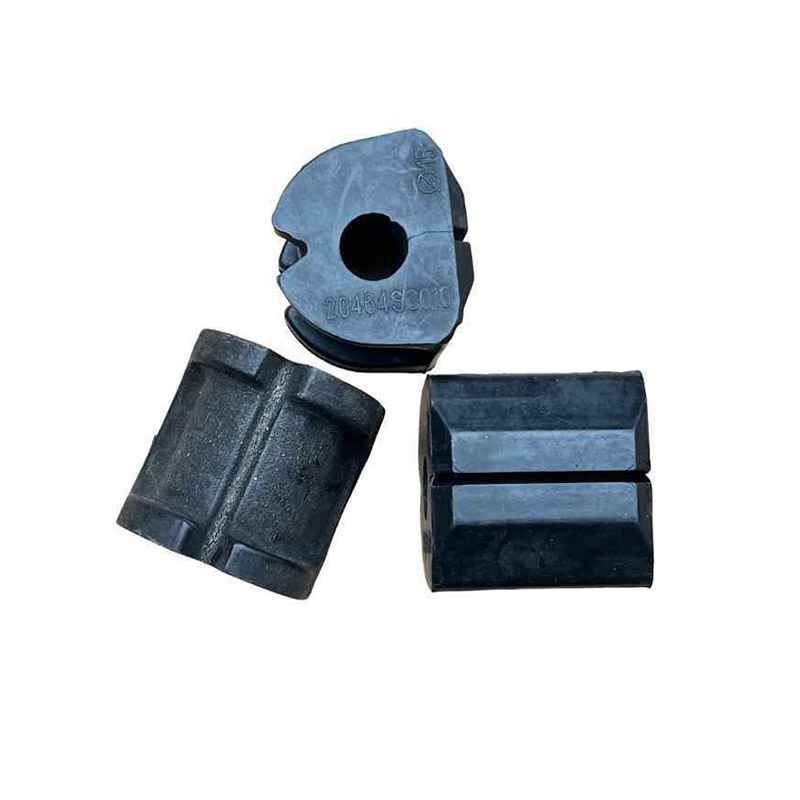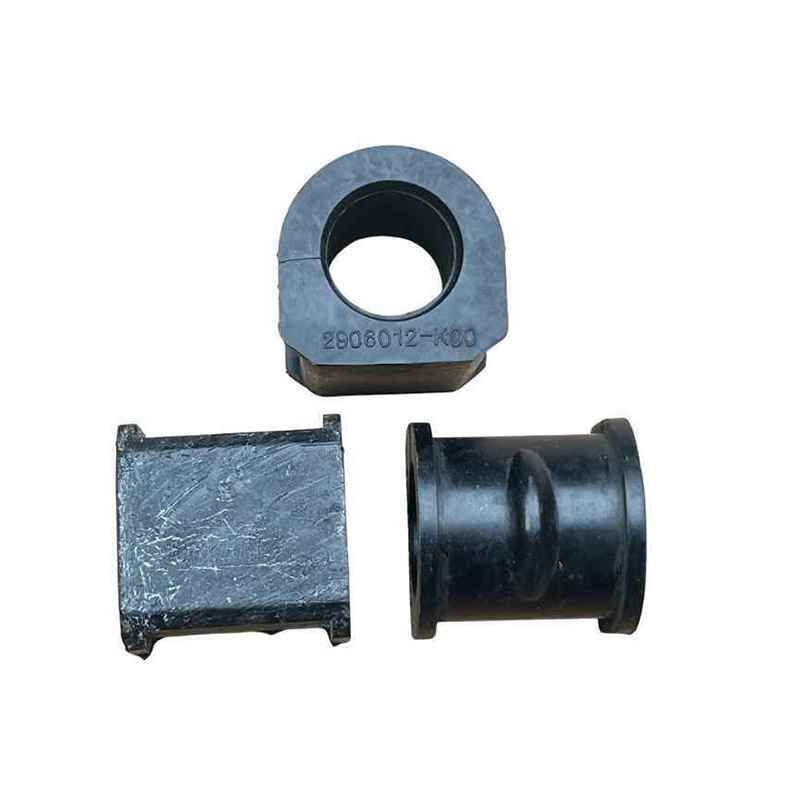
Understanding the Importance of CV Joint Boots
In the realm of commercial fleet maintenance, the significance of CV Joint Boots cannot be overstated. These rubber or plastic coverings are crucial for protecting the CV joints from dirt, debris, and moisture, thereby ensuring optimal performance and longevity of the vehicle's drivetrain. As demand for efficient fleet operations continues to rise, understanding the latest trends in CV Joint Boots is essential for auto parts distributors, especially those looking to penetrate international markets.
Current Trends in CV Joint Boot Technology
The automotive industry is constantly evolving, and so are the technologies surrounding components like CV joint boots. Here are a few notable trends that direct exporters should keep an eye on:
- Material Advancements: Manufacturers are increasingly turning to high-performance materials that offer superior durability and resistance to extreme temperatures. Rubber blends that resist cracking and wear are gaining popularity.
- Enhanced Design Features: New designs focus on improving fitment and usability. Some boots now incorporate built-in grease reservoirs, which can reduce installation time and enhance efficiency.
- Eco-Friendly Options: With sustainability becoming a priority, some manufacturers are exploring biodegradable materials for CV joint boots, appealing to environmentally conscious fleets.
Market Insights for 2025
As we look towards 2025, several market factors will influence the demand for CV joint boots in commercial fleets. Understanding these dynamics is key for exporters aiming to capture market share.
- Growth of E-Commerce Logistics: The rise of e-commerce has led to an increase in delivery vehicles, which subsequently boosts the demand for reliable automotive parts, including CV joint boots.
- Fleet Electrification: The shift towards electric vehicles (EVs) creates new opportunities. While EVs have different drivetrains, the requirements for dependable sealing solutions still exist, making it vital to adapt traditional offerings.
- Regulatory Changes: Stricter environmental regulations could drive innovation in product design and materials, pushing manufacturers to keep pace with compliance standards.
Key Considerations for Auto Parts Distributors
For distributors planning to navigate this evolving landscape, there are several critical considerations to keep in mind:
- Quality Assurance: Partnering with reputable manufacturers, such as Guanghua, ensures that the products meet high-quality standards. Low-quality components can lead to increased warranty claims and customer dissatisfaction.
- Education & Training: Providing education and training for installers on the latest products and techniques can differentiate your business from competitors, fostering loyalty among customers.
- Inventory Management: Efficient inventory management systems are necessary to respond quickly to market demands. Keeping up-to-date with trending styles and sizes of CV joint boots can prevent stock shortages.
Integrating Technology into Distribution
The integration of technology in distribution processes is another area worth exploring. Automated systems for order processing, inventory tracking, and customer relationship management can greatly enhance operational efficiency. Furthermore, adopting data analytics tools allows distributors to better understand market needs and adjust their strategies accordingly.
Looking Ahead: Challenges to Anticipate
While the future appears promising, challenges remain. Supply chain disruptions, fluctuating material costs, and competition from local suppliers in overseas markets may impact pricing strategies and profit margins. Engaging in dialogue with OEMs can also shed light on upcoming trends, enabling distributors to stay ahead of the curve.

Conclusion
As the automotive sector gears up for changes in 2025, understanding the top CV joint boot trends is paramount for direct exporters. By focusing on quality, embracing technological advancements, and adapting to market shifts, auto parts distributors can secure their position in a competitive marketplace. Remember, staying informed and proactive is the best strategy for success in this ever-evolving industry.