Emerging Trends in Oil Leak Prevention
Oil leaks—an age-old problem that plagues both European and American vehicles. They can lead to significant mechanical failures, environmental issues, and costly repairs. But what’s driving the industry toward more effective prevention methods? In 2026, B2B wholesale suppliers must keep their eyes peeled for several key trends.
1. Advanced Sealing Technologies
Innovations in sealing technologies are reshaping the landscape of oil leak prevention. Products equipped with O-Rings & Rubber Sealing Rings have become more sophisticated. For instance, the introduction of high-temperature resistant sealants reduces failure rates dramatically. Some brands, like Guanghua, are leading the charge by integrating nano-coatings to enhance durability against wear and tear.

2. Smart Diagnostics
Imagine a world where your vehicle alerts you to potential oil leaks before they even occur. Smart diagnostics—real-time monitoring systems that track engine conditions—are on the rise. These systems utilize sensors to detect pressure changes and fluid levels. A reported study showed a 30% reduction in unexpected oil leaks among users who employed these advanced diagnostic tools. Isn't it fascinating how technology is revolutionizing old problems?
3. Sustainable Materials
- Biodegradable seals
- Recycled rubber components
- Eco-friendly lubricants
As the automotive sector becomes increasingly eco-conscious, there's a noticeable shift towards sustainable materials. Take biodegradable seals, for example; they've garnered attention due to their lower environmental impact. Similarly, the usage of recycled rubber components in products like Steering Rack Boots is not just a trend but a necessity for modernization.
4. Collaborative Supply Chains
In an era driven by connectivity, collaboration among suppliers has never been more critical. To combat oil leaks efficiently, wholesale suppliers should consider forming alliances with manufacturers specializing in Shock Absorber Boots or valve cover gaskets. Such partnerships enable suppliers to provide comprehensive solutions, thus enhancing customer satisfaction and loyalty.
5. Education and Training Programs
Supply chain professionals often overlook this aspect: education. Workshops on oil leak identification and prevention techniques are gaining traction. Companies investing in training programs see improved outcomes in service quality and operational efficiency. It's astonishing how a little knowledge can drastically cut down repair times!
Case Study: A European Repair Shop's Success Story
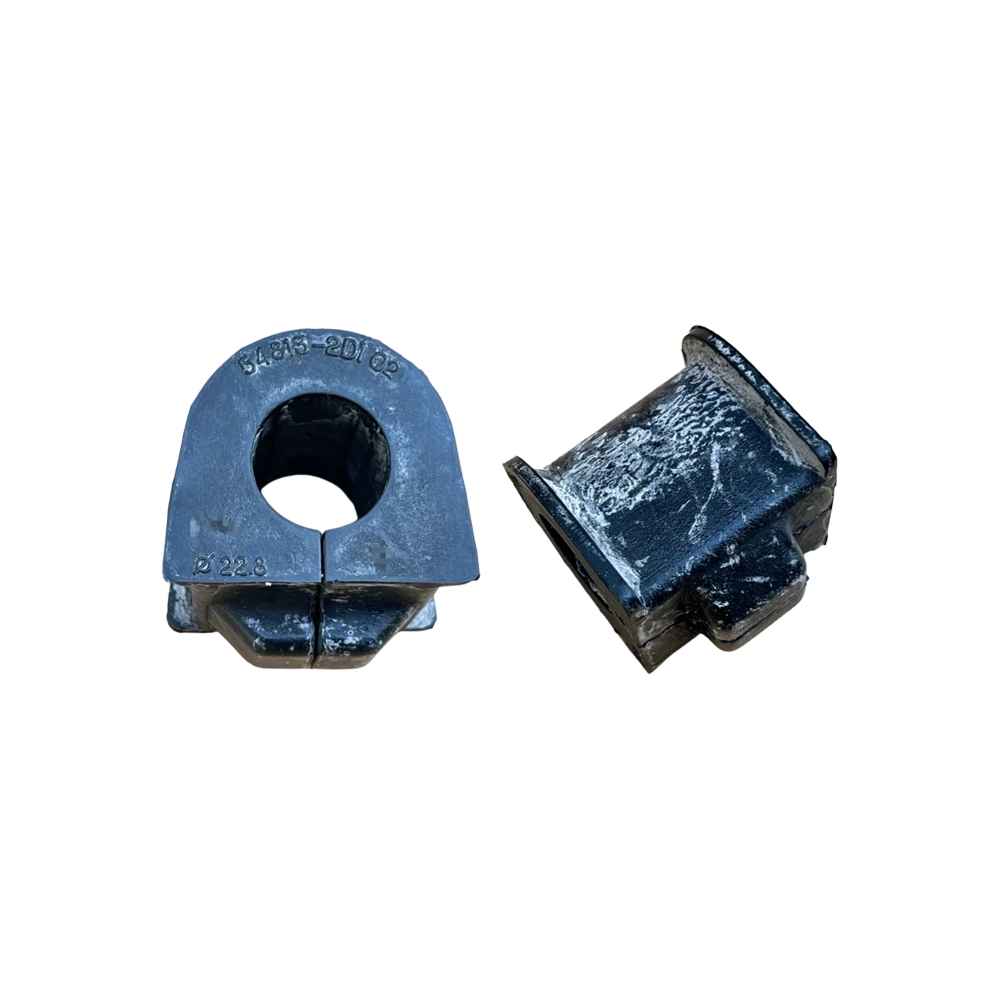
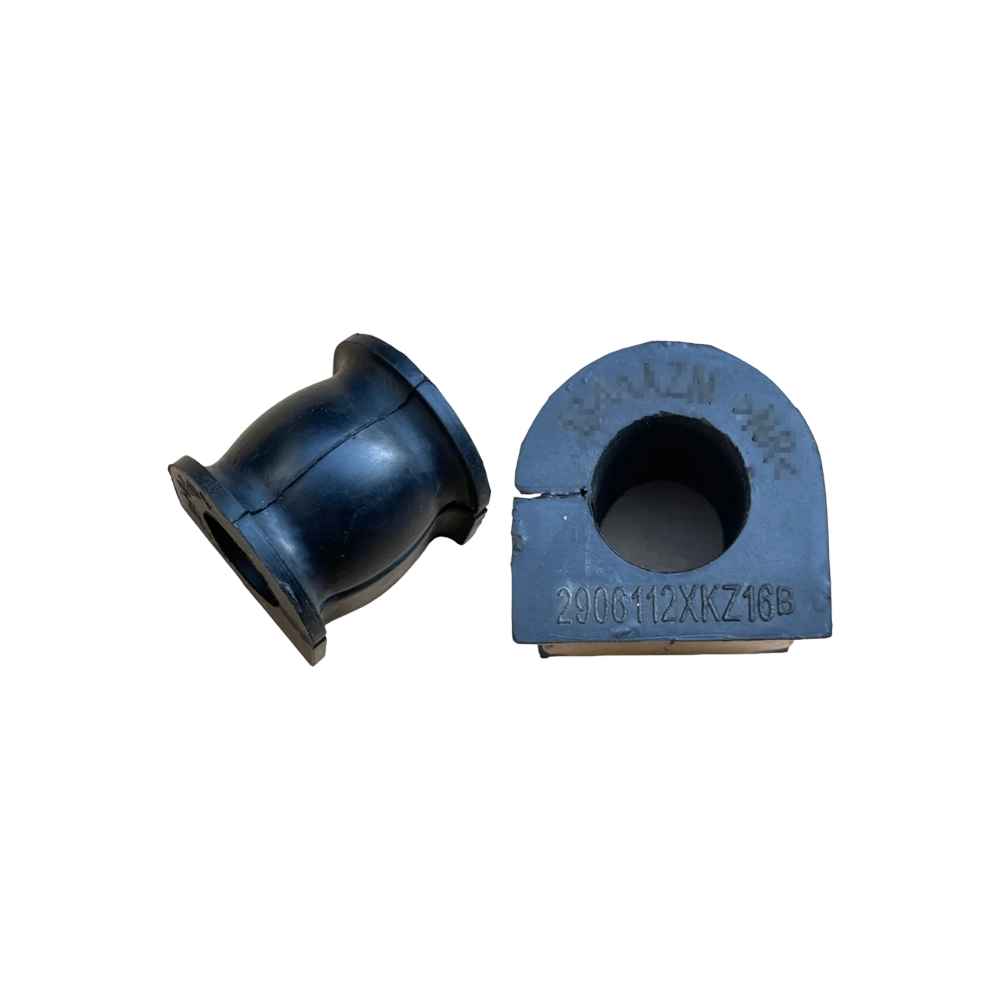
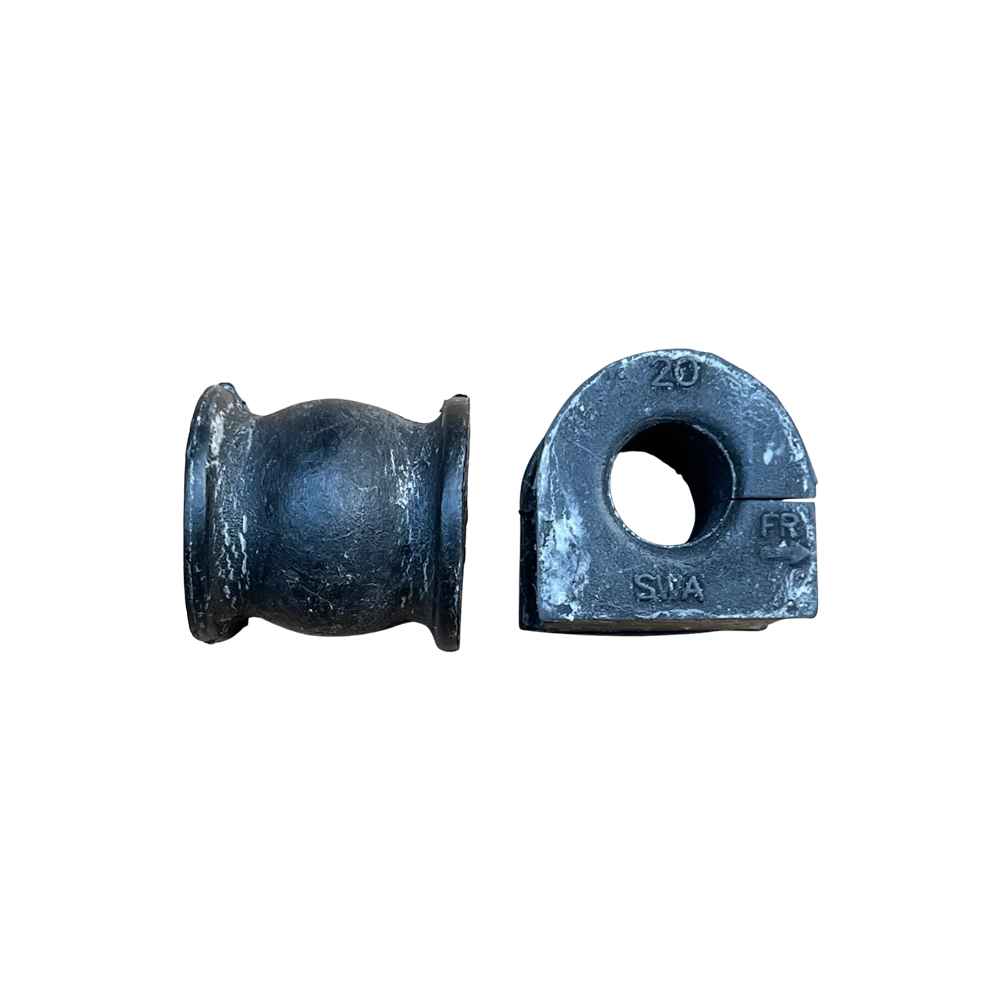
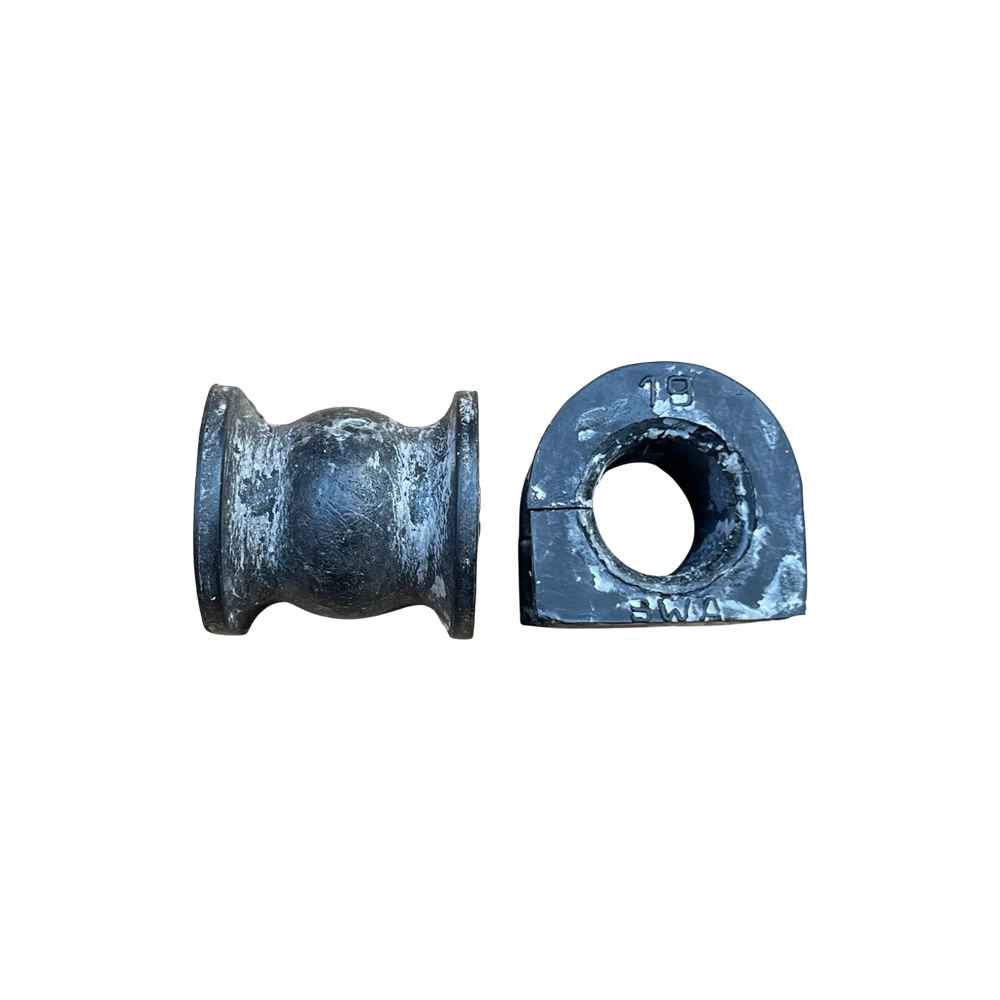
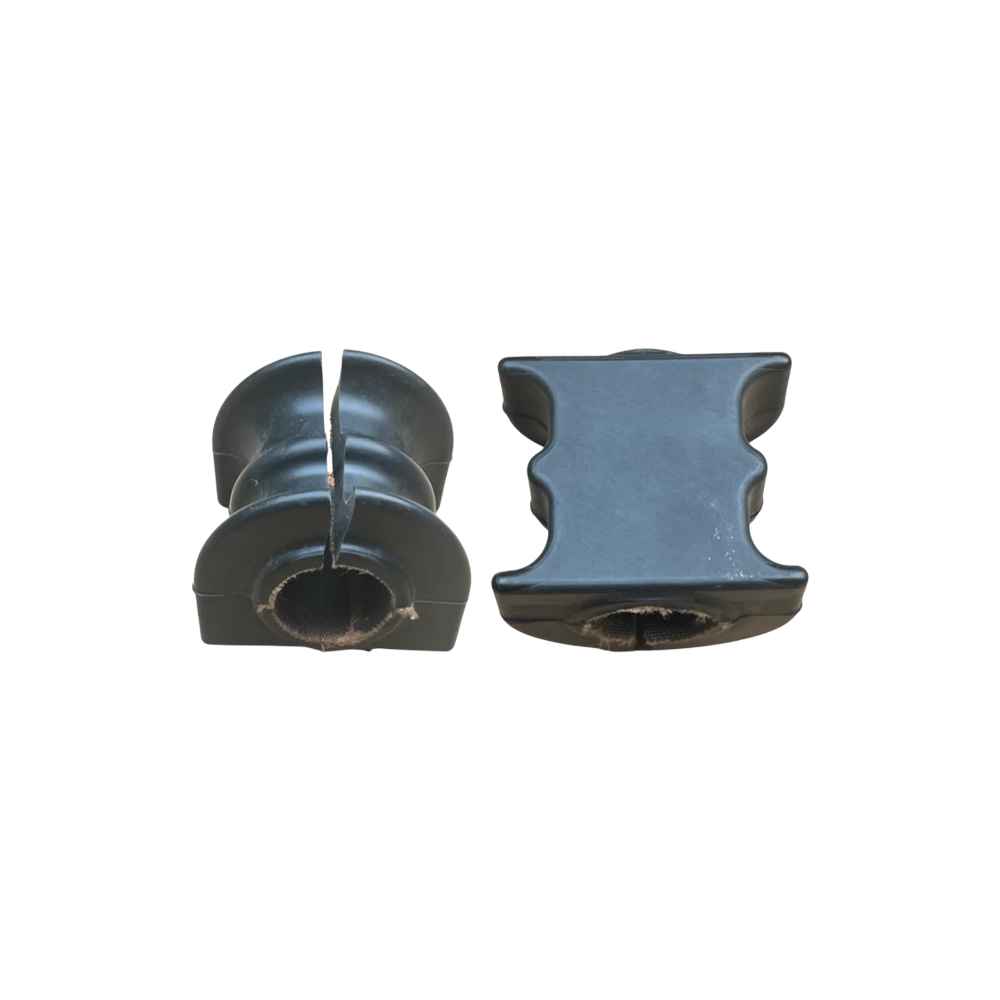
In 2025, a European vehicle repair shop implemented advanced sealing technologies and smart diagnostics. The results were remarkable. They experienced a 40% drop in repeat oil leak repairs within six months. Their secret? Incorporating high-performance stabilizer bar bushings along with better training for technicians. A single change led to undeniable progress; it’s proof that adapting to new trends pays off handsomely.
Key Insights for B2B Wholesale Suppliers
- Invest in innovative sealing solutions.
- Collaborate with tech firms for smart diagnostic tools.
- Adopt sustainable practices across your supply chain.
- Offer continuous training for your partners and clients.
B2B wholesale suppliers must adapt to these evolving trends or risk falling behind. The road ahead is paved with opportunities, and recognizing them will lead to sustained success in the competitive vehicle repair market.
The Future Awaits
Embracing these trends isn't just beneficial—it's essential. The fear of oil leaks can be mitigated through proactive measures, innovative products, and a collaborative spirit. With the right approach, companies can not only survive but thrive in the dynamic landscape of the automotive repair sector. What are you waiting for? Time to gear up for 2026!