Current Trends in Oil Leak Prevention
In recent years, the vehicle repair sectors in Europe and America have seen an increasing emphasis on oil leak prevention, driven by environmental regulations and consumer demand for sustainable practices. As these markets evolve, it becomes crucial for China-based rubber auto parts factories to adapt to new trends that are shaping the future.
Innovative Materials in Sealing Solutions
The development of advanced materials has significantly enhanced the effectiveness of sealing solutions, such as O-Rings & Rubber Sealing Rings and various gasket technologies. These materials not only improve durability but also offer better resistance to high temperatures and aggressive fluids, minimizing the risk of leaks.

- Fluoropolymer compounds are gaining traction for their excellent chemical resistance.
- Silicone rubber is favored for its flexibility and temperature tolerance.
Integration of Smart Technologies
Another trend is the integration of smart technologies into vehicle maintenance systems. Utilizing sensors and monitoring devices enables real-time tracking of oil levels and pressure, providing drivers with immediate alerts about potential leaks before they escalate into serious issues. This proactive approach significantly reduces the need for extensive repairs.
Focus on Sustainability and Environmental Impact
As environmental concerns become increasingly prominent, both American and European markets are prioritizing eco-friendly solutions. This shift is pushing manufacturers to develop products that not only adhere to stringent regulations but also contribute to sustainable practices. For instance, CV Joint Boots and Steering Rack Boots made from recyclable materials are emerging as popular choices among environmentally conscious consumers.
Market Demand for Comprehensive Repair Kits
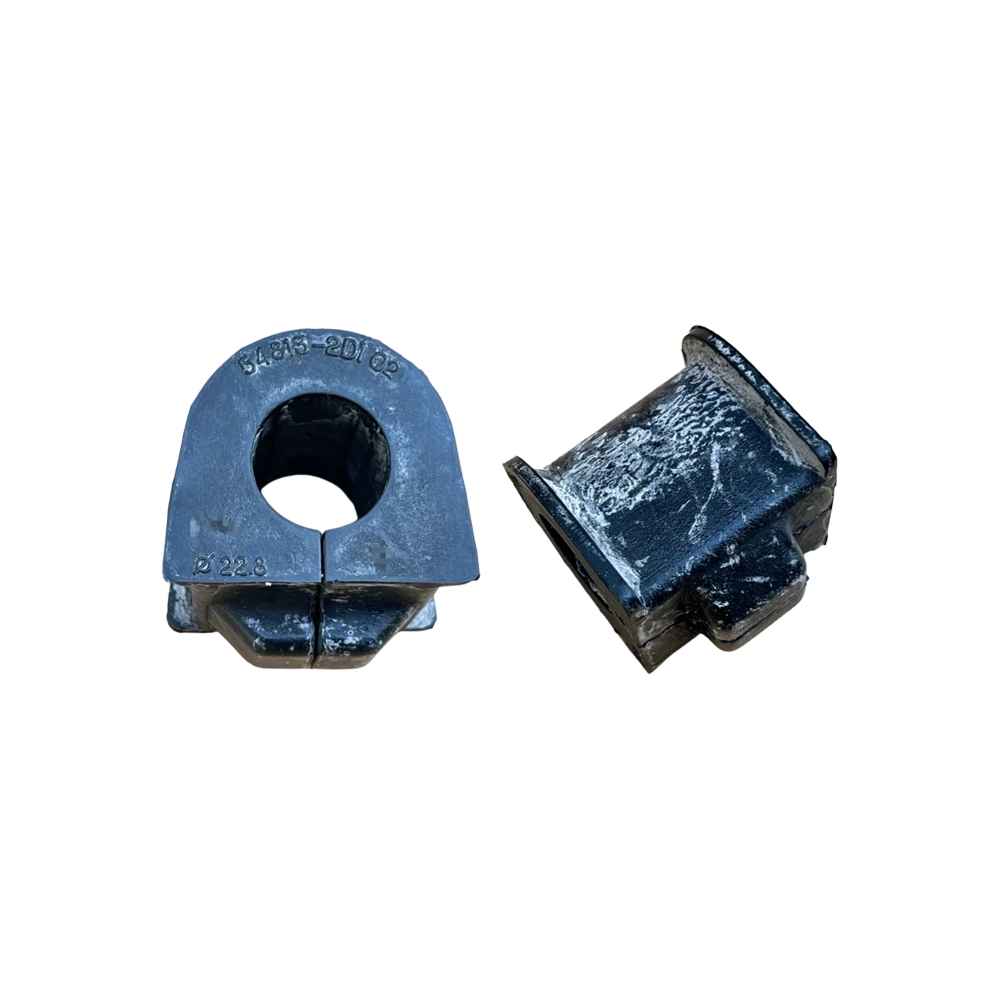
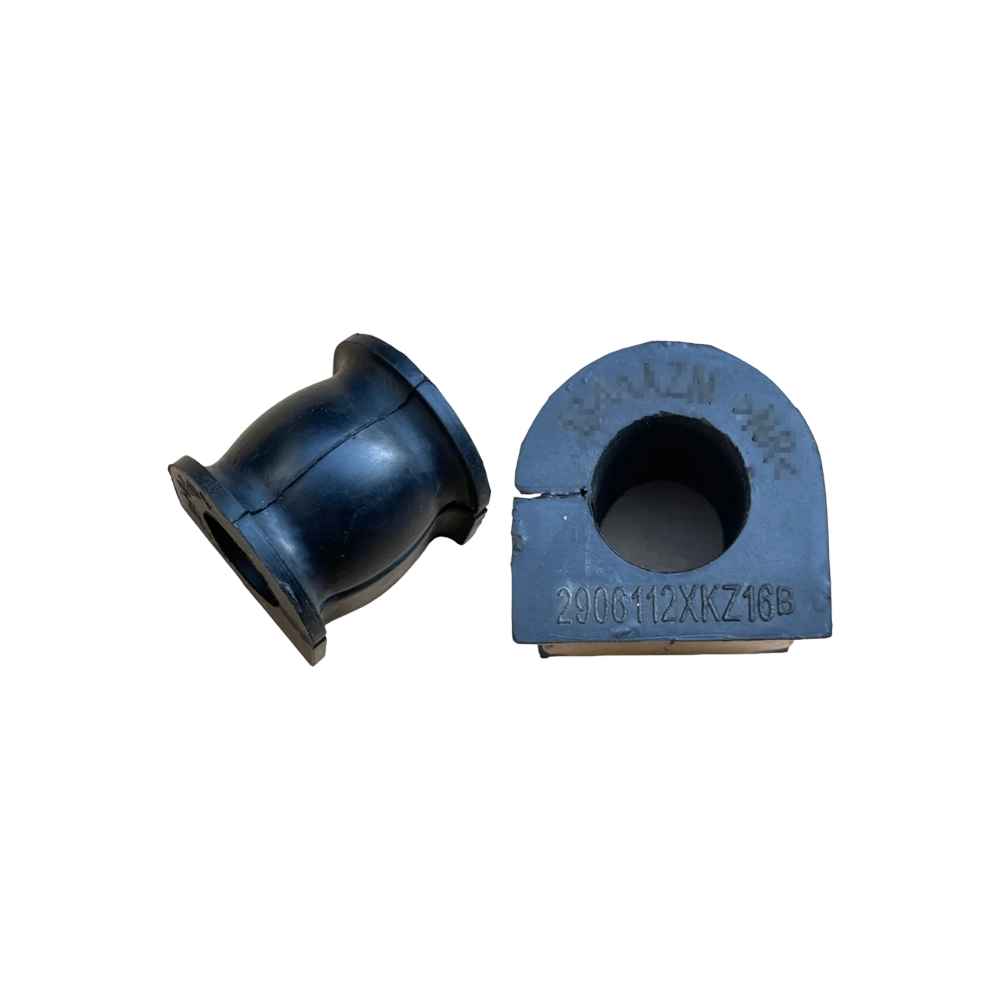
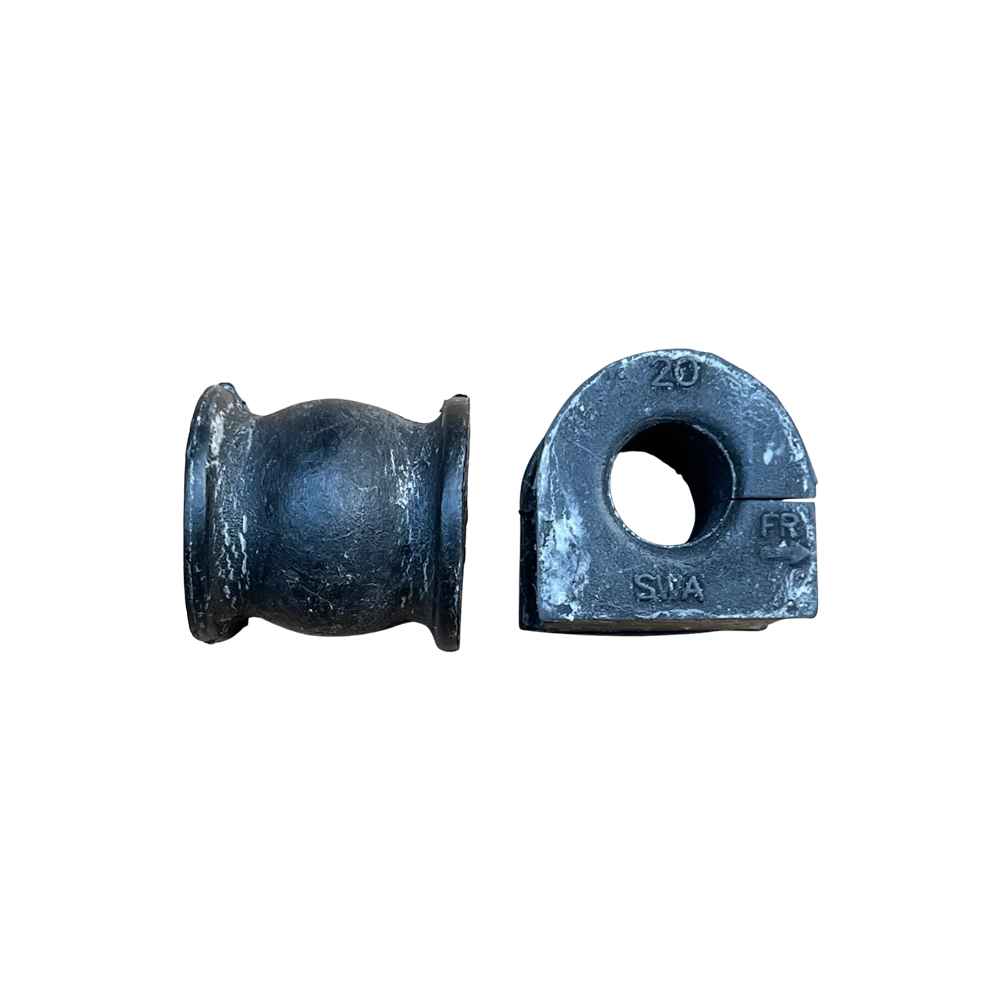
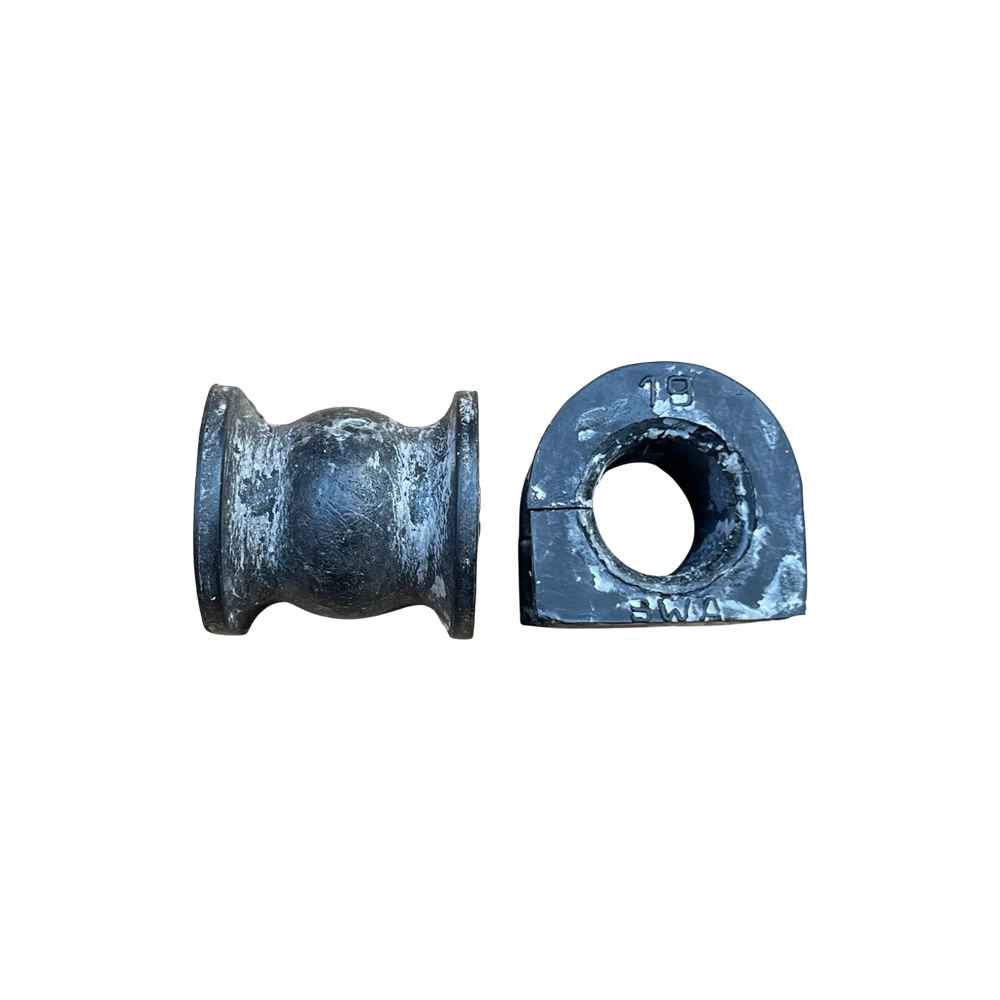
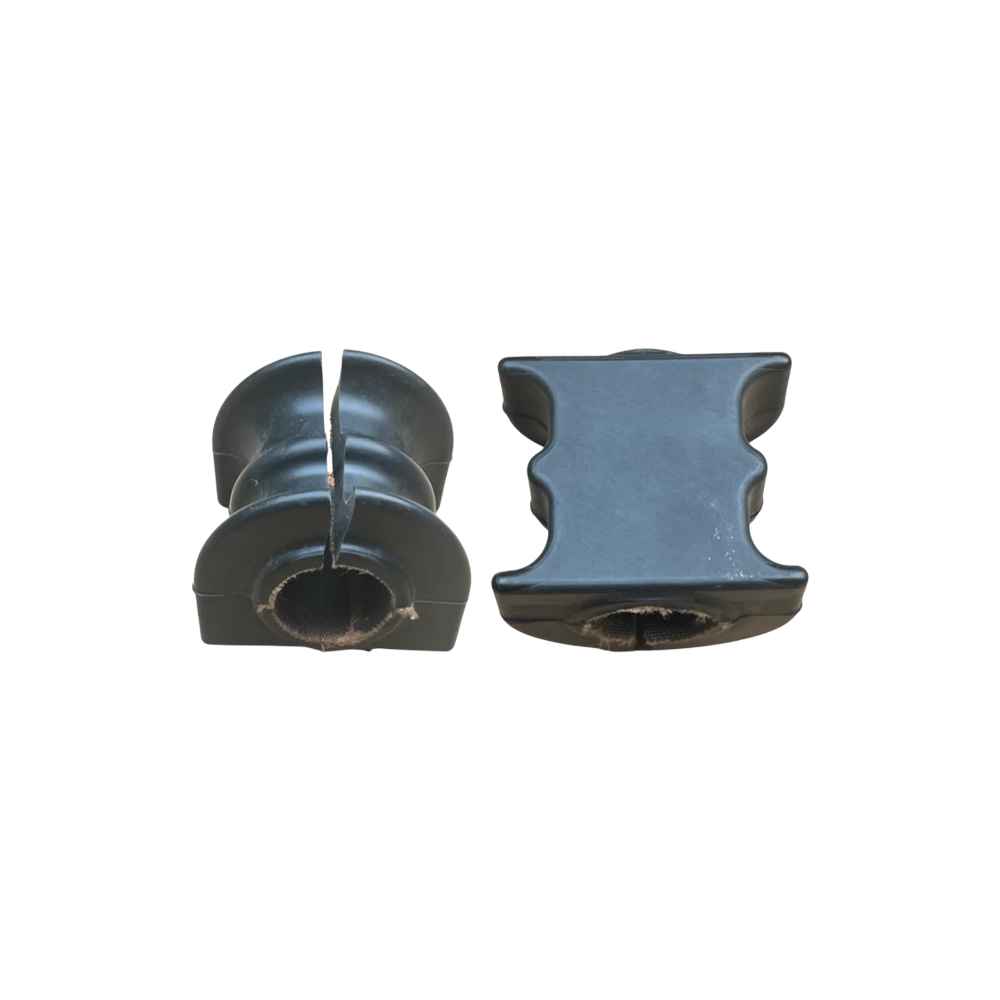
There is a growing demand for comprehensive repair kits that include various sealing components necessary for efficient oil leak prevention. By offering complete solutions, companies can cater to the needs of service centers that prefer one-stop shopping. Products like Shock Absorber Boots and Stabilizer Bar Bushings are often included in these kits, ensuring that all relevant components are available during repairs.
Regulatory Standards and Compliance
Adhering to regulatory standards in the automotive industry is paramount, especially considering the increasing scrutiny over emissions and waste management. Manufacturers must ensure that their products meet both European Union and American safety standards, which can vary significantly. Implementing rigorous testing protocols guarantees compliance and promotes brand reliability.
Collaboration with Local Distributors
Establishing partnerships with local distributors in target markets can facilitate access to valuable insights regarding regional preferences and compliance requirements. Companies like Guanghua have exemplified how effective collaborations can enhance market penetration strategies and foster growth within competitive environments.
Future Directions and Market Predictions
Looking toward 2026, the trend will likely continue towards greater integration of technology in both product design and maintenance practices. The emphasis will be on creating more resilient and efficient sealing products while responding adeptly to consumer demands for sustainability.
- Anticipate an increase in the use of biodegradable materials in manufacturing processes.
- Expect advancements in sensor technology to further revolutionize maintenance practices.
Challenges for Chinese Manufacturers
Despite numerous opportunities, challenges loom large. Adapting to rapidly changing customer preferences and maintaining competitive pricing while ensuring high quality can prove daunting. Moreover, the necessity for continual R&D investment will be critical to keeping pace with evolving technological advancements.
Conclusion: Strategic Implications for Rubber Auto Parts Factories
For rubber auto parts factories in China to remain competitive in this dynamic landscape, embracing innovation and aligning with the latest trends in oil leak prevention is essential. Emphasizing quality, sustainability, and responsiveness to market demands will not only secure their foothold in European and American markets but also contribute positively to the global automotive aftermarket.