Understanding Shock Absorber Boots in Fleet Maintenance
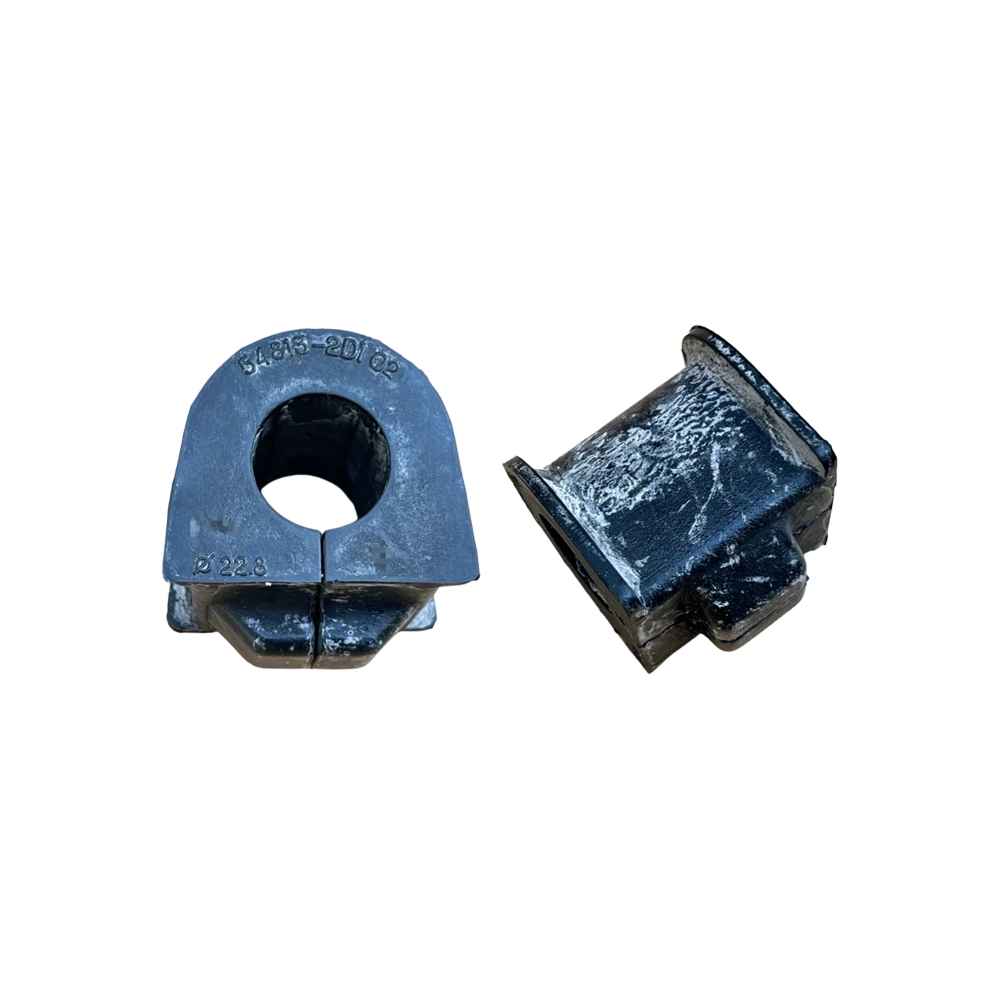
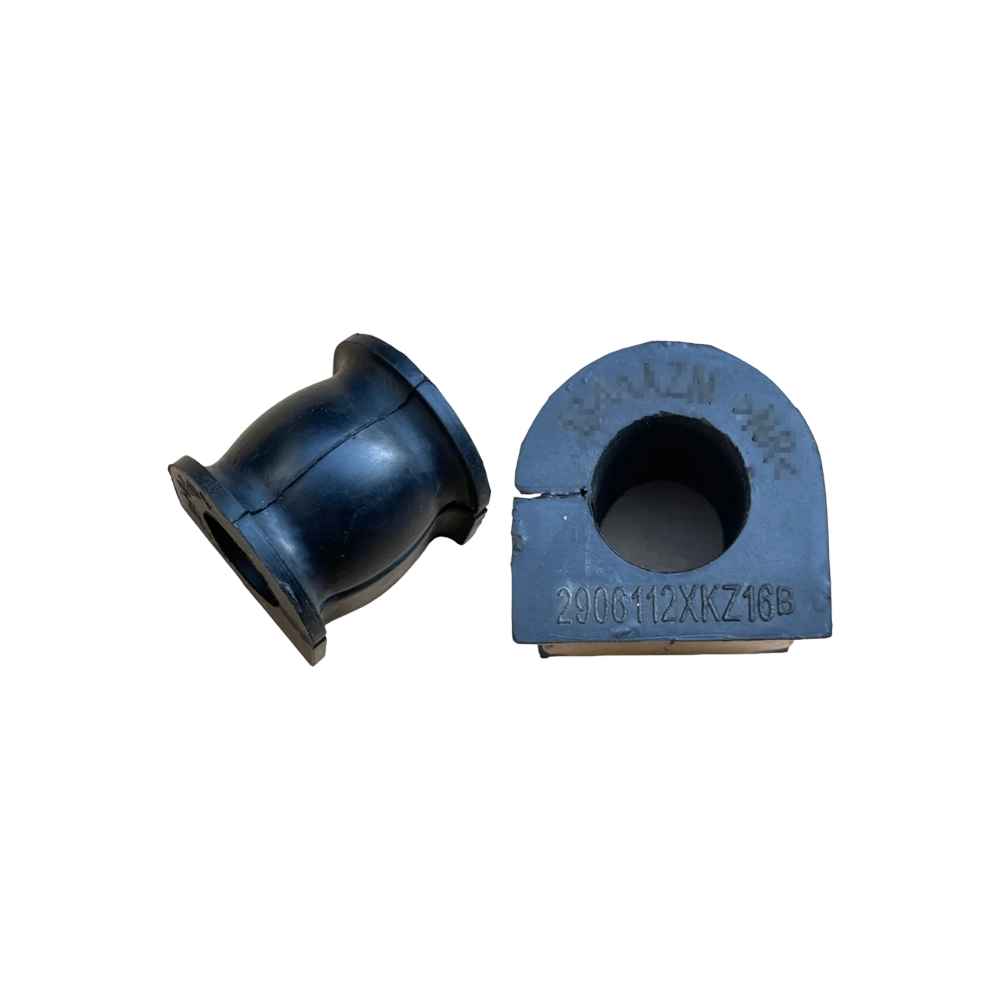
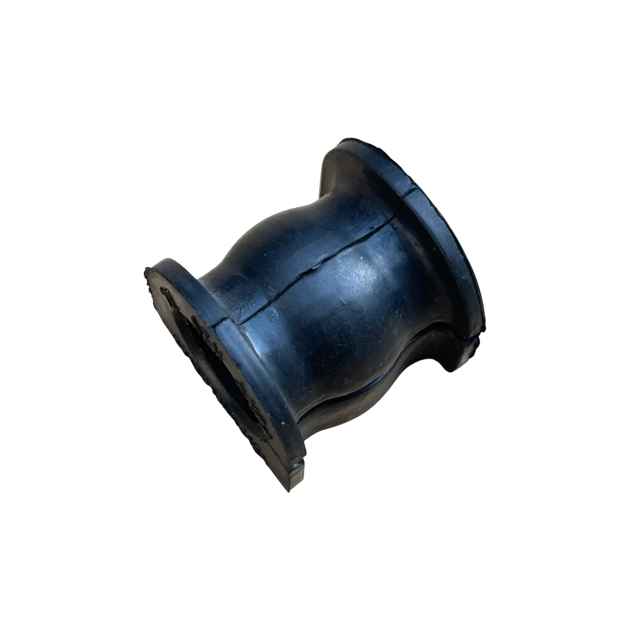
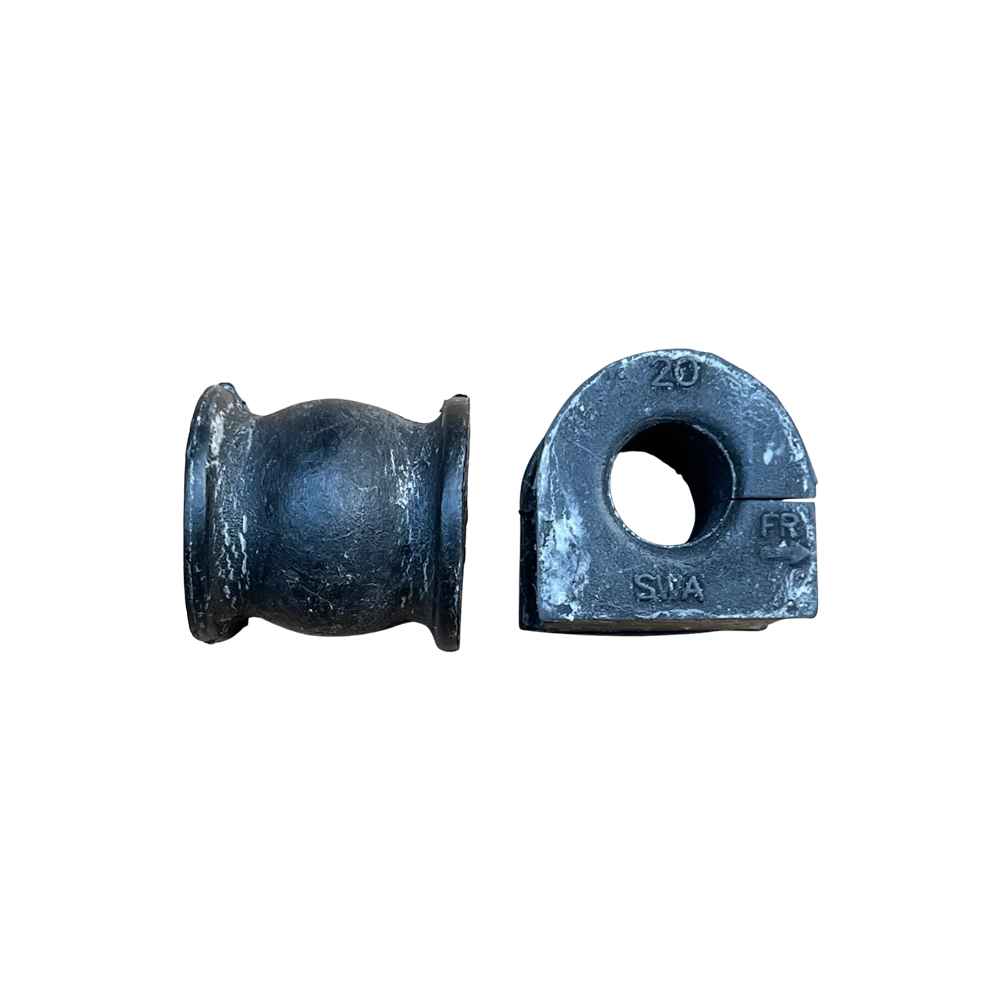
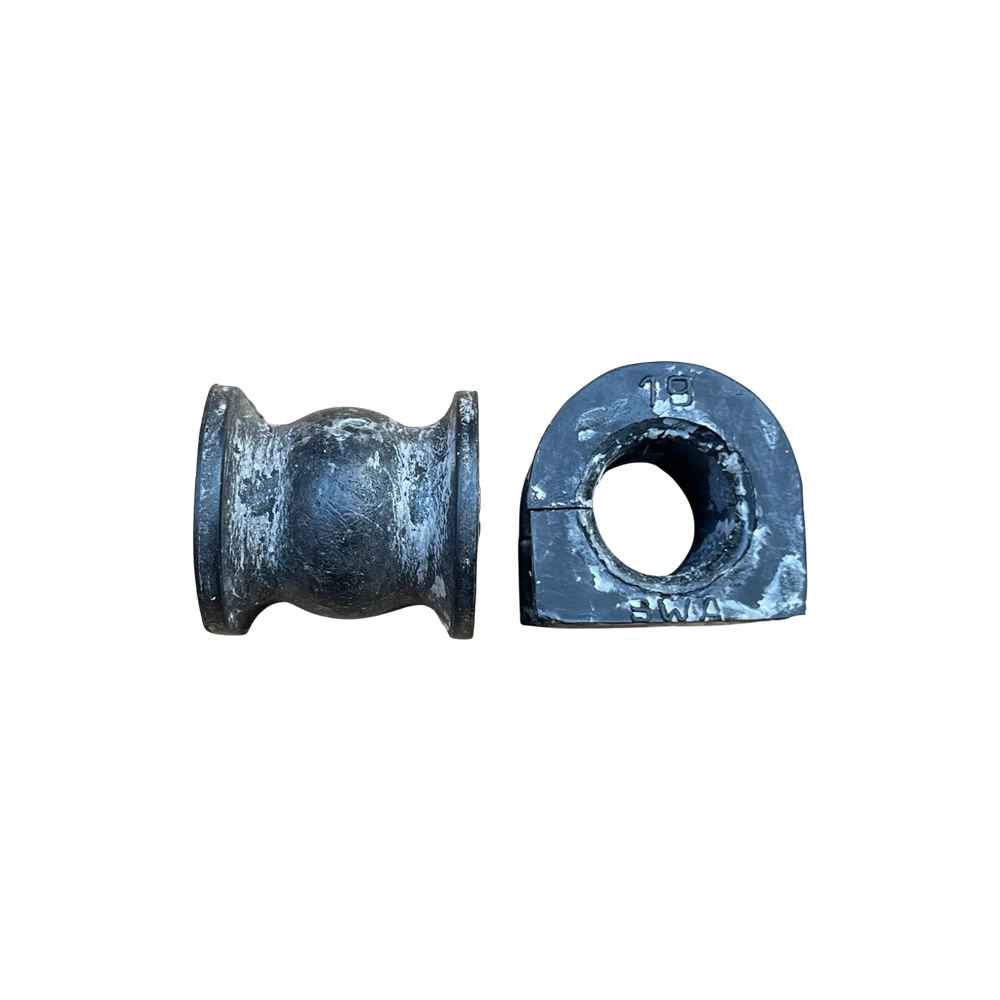
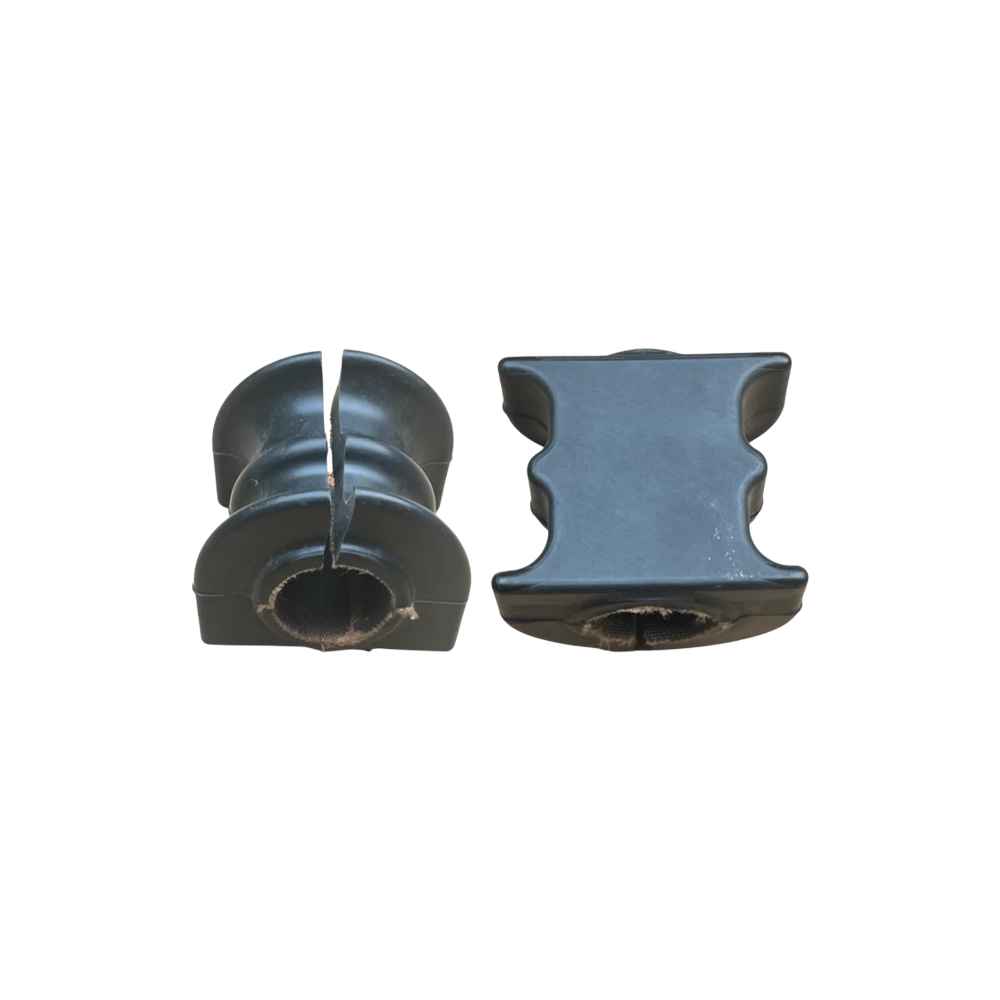
In the realm of commercial fleet maintenance, Shock Absorber Boots play a critical role in ensuring the longevity and performance of vehicles. These components protect the shock absorbers from dirt, moisture, and other environmental factors that could lead to premature wear and tear.
The Importance of Material Selection
When considering Shock Absorber Boots for commercial fleets, the choice of material is paramount. Rubber compounds are often favored due to their flexibility and resilience. However, advancements in synthetic materials have begun to revolutionize the industry. For instance, certain brands like Guanghua offer innovative solutions that enhance durability without compromising performance.
Current Trends in Shock Absorber Boot Design
- Increased Durability: Modern shock absorber boots are designed to withstand harsher conditions, including extreme temperatures and corrosive environments.
- Enhanced Sealing Properties: Improved O-rings & rubber sealing rings ensure better protection against contaminants, thereby extending the lifespan of the shock absorbers.
- Customization: As fleet operators look for tailored solutions, contract manufacturers are increasingly offering bespoke designs that cater specifically to the operational needs of various types of vehicles.
Impact of Technological Innovations
The integration of technology into manufacturing processes has led to more efficient production methods. This allows for precision-engineered shock absorber boots that meet strict quality standards, thus improving overall fleet reliability. Moreover, 3D printing technology is beginning to make waves in the industry, allowing for rapid prototyping and the ability to quickly adapt designs based on feedback from the field.
Sustainability Considerations
As environmental concerns become more pressing, sustainability is now a key factor in the selection of materials for shock absorber boots. Manufacturers are exploring biodegradable options and recycling practices that not only reduce waste but also appeal to eco-conscious consumers. Companies like Guanghua are at the forefront of this trend, developing products that align with sustainable practices while maintaining high performance.
Critical Factors for Contract Manufacturing Partners
For contract manufacturing partners, understanding the nuances of shock absorber boot production is essential. Key factors include:
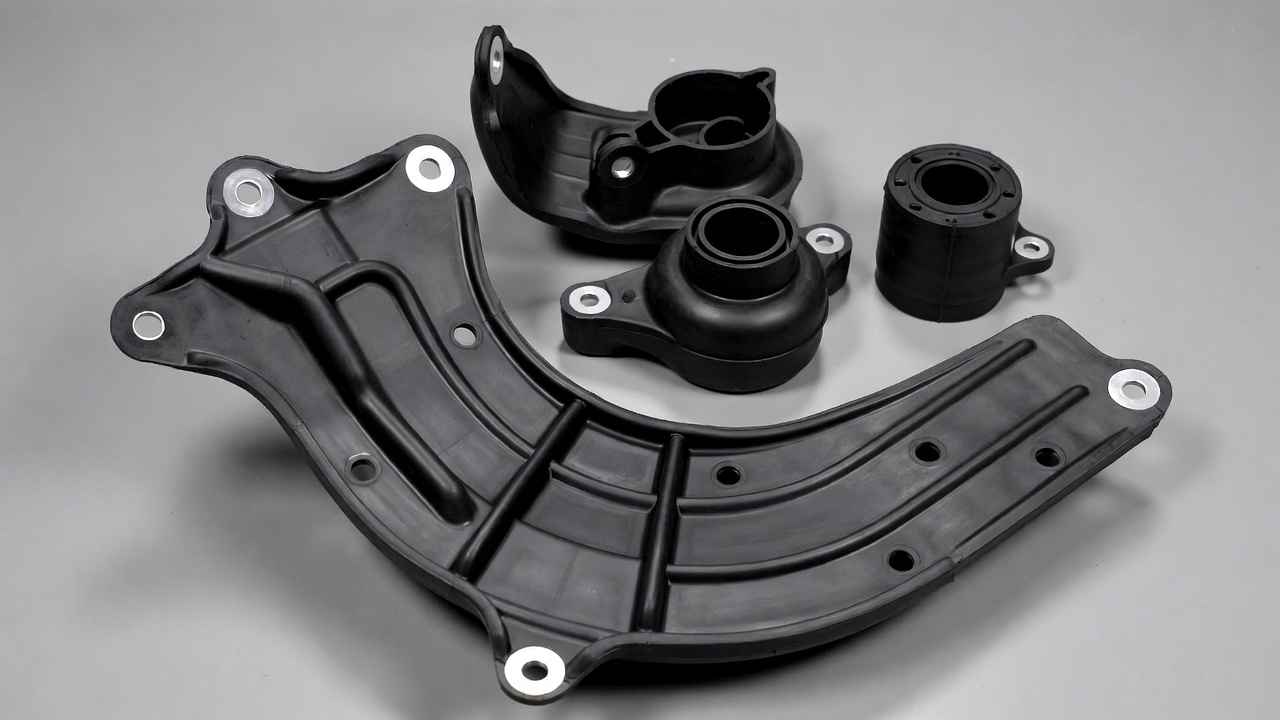
- Quality Control: Implementing rigorous testing protocols ensures that each batch meets specifications and can withstand field conditions.
- Supply Chain Management: Efficient logistics and sourcing of materials can significantly influence production timelines and costs.
- Customer Collaboration: Engaging with clients to gather insights on emerging trends and specific needs can foster stronger partnerships and drive innovation.
Market Demand and Future Outlook
The demand for high-quality shock absorber boots is expected to grow as fleets expand and seek ways to reduce maintenance costs. Fleet managers are increasingly aware that investing in durable components can lead to less downtime and improved safety. Therefore, the market for shock absorber boots will likely see a surge in investments geared towards enhancing product performance and longevity.
Conclusion: Preparing for the Future
As we approach 2026, the landscape of commercial fleet maintenance will continue to evolve. Contract manufacturing partners must stay informed about the latest developments in shock absorber boot technology and design. By prioritizing quality, sustainability, and customer satisfaction, these partners can position themselves advantageously in a competitive market. The integration of innovative materials and advanced manufacturing techniques will undoubtedly shape the future of shock absorber boots, making them an indispensable component of effective fleet management.