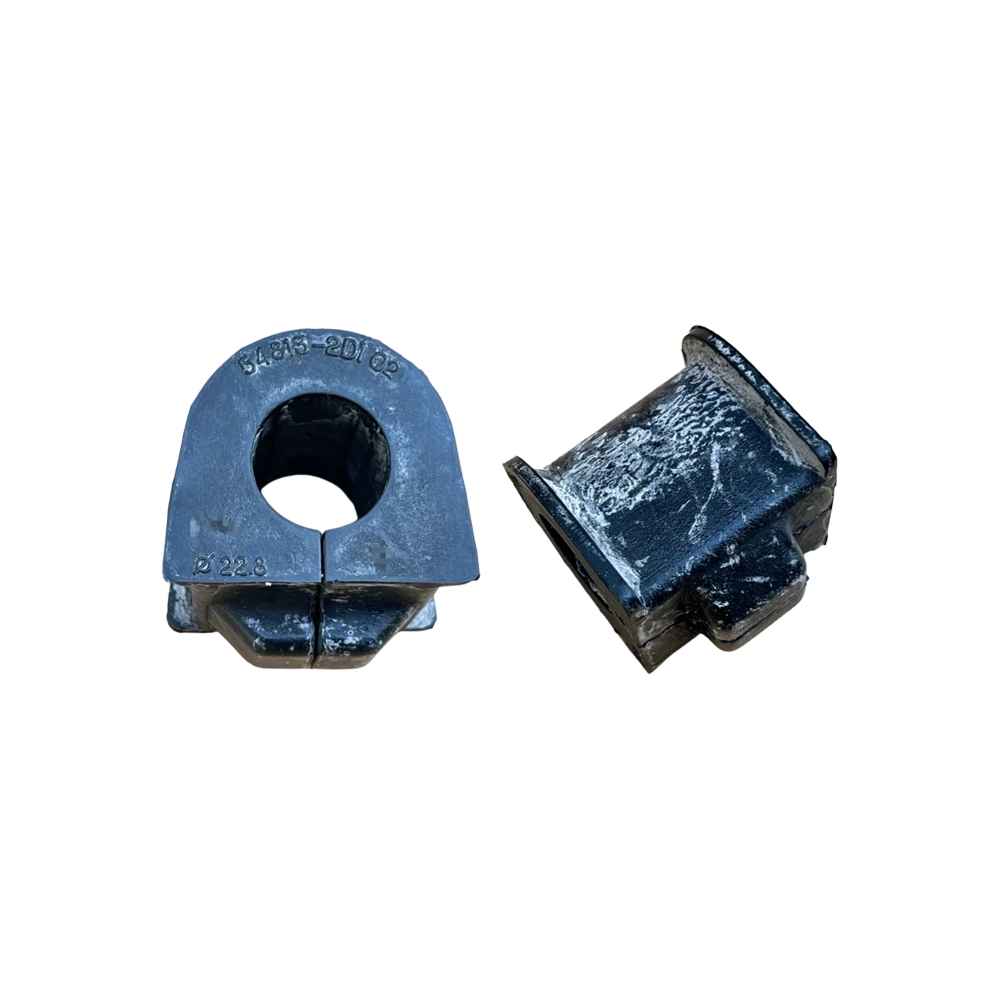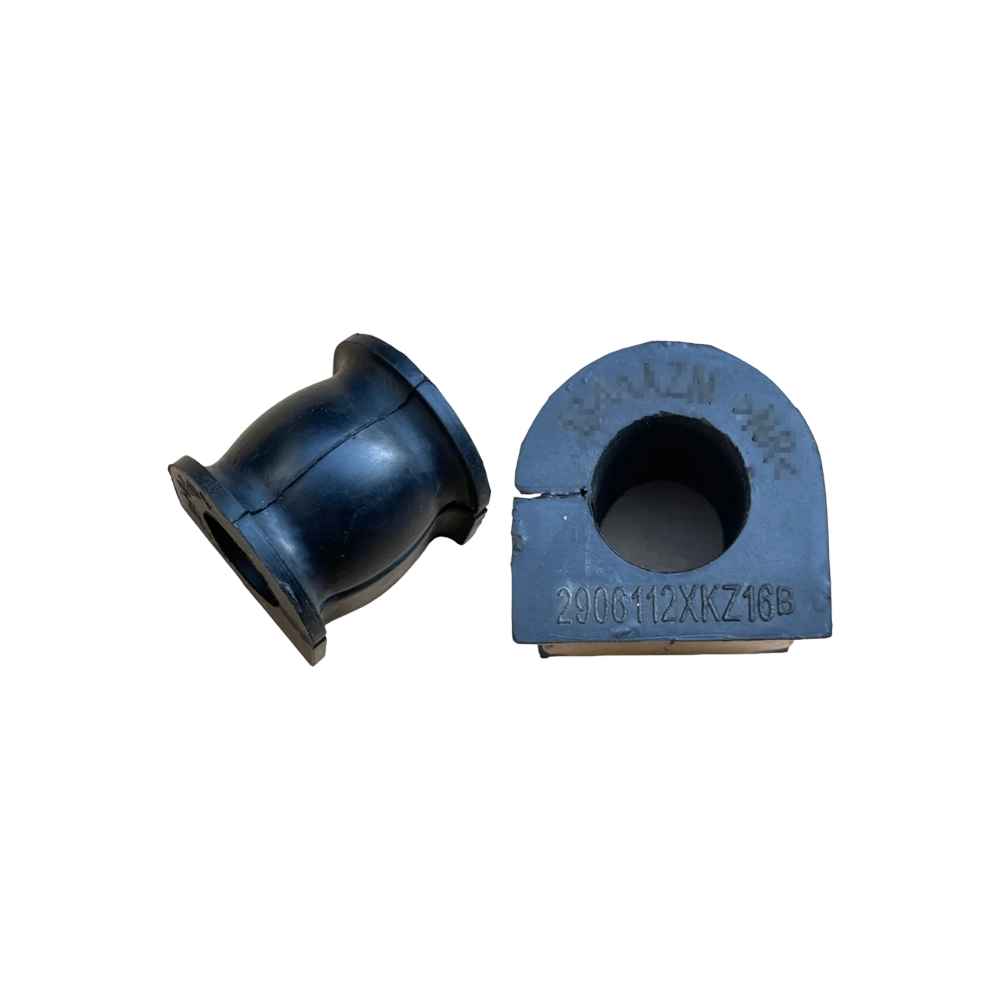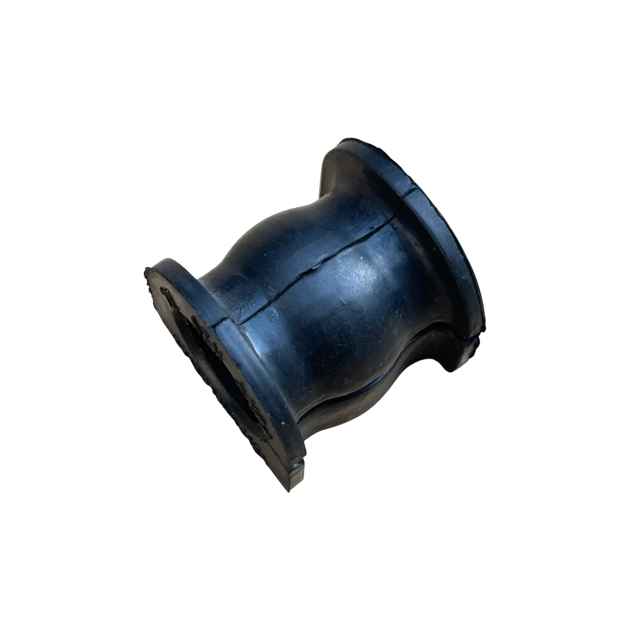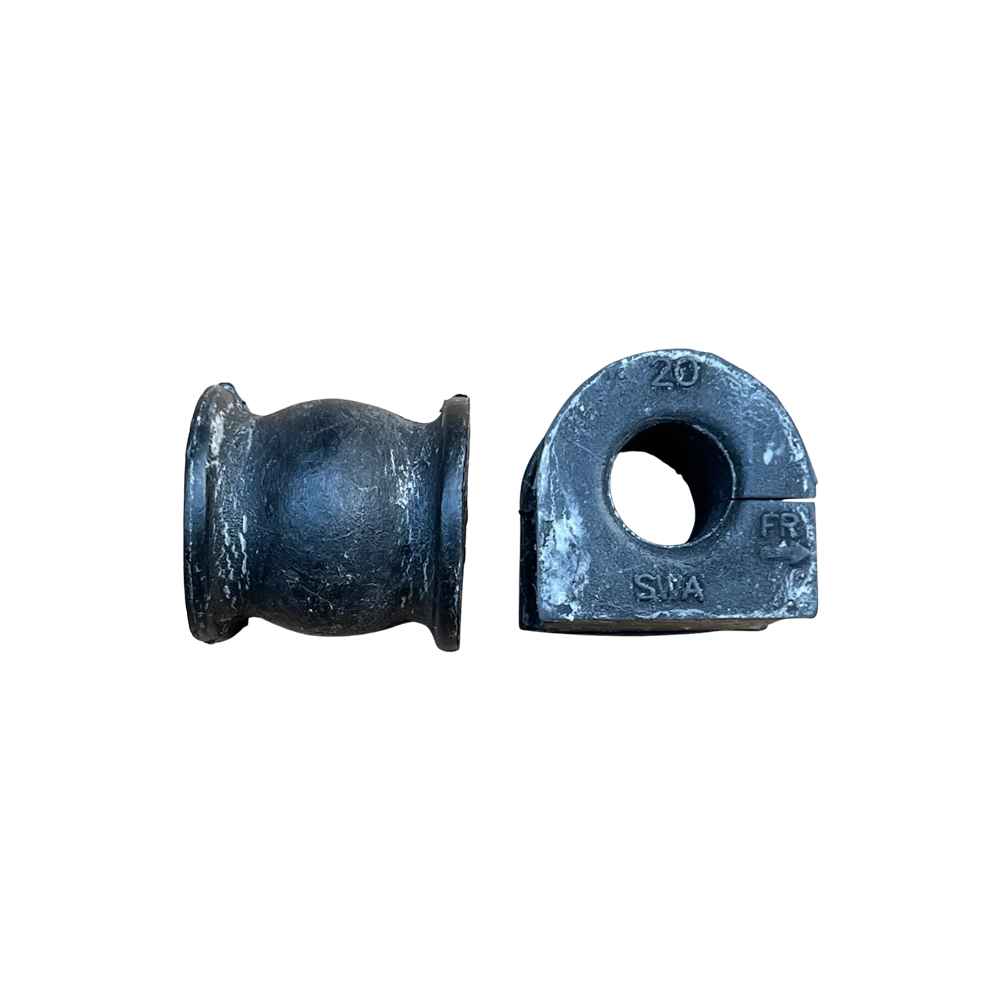
Understanding the Evolution of Suspension Protection Bellows
Suspension systems are like the unsung heroes of any vehicle. They absorb shocks, ensuring a smooth ride. But what protects these vital components? That's where suspension protection bellows come in. In commercial fleet maintenance, the right materials and designs can make a world of difference.
The Shift Towards Advanced Materials
In recent years, a remarkable shift has occurred in the materials used for suspension components. Traditional rubber has been challenged by advanced polymers and composites. Why does this matter? Simply put, longevity and performance have improved significantly. Take CV Joint Boots , for example; high-durability options now last up to 150% longer than their predecessors.
- Polyurethane Materials: These are lightweight yet incredibly durable.
- Silicone Rubber: Known for its heat resistance, it significantly extends the lifespan of parts.
- Nitrile Rubber: Offers excellent oil resistance, essential for heavy-duty applications.
The Role of Customization in Fleet Maintenance
Customization is no longer a luxury but a necessity. Fleet managers often face unique challenges, from varying load capacities to environmental conditions. A case study involving Guanghua illustrates this perfectly. Their tailored Steering Rack Boots addressed specific needs for a major logistics company, resulting in a 30% reduction in replacement costs over two years.
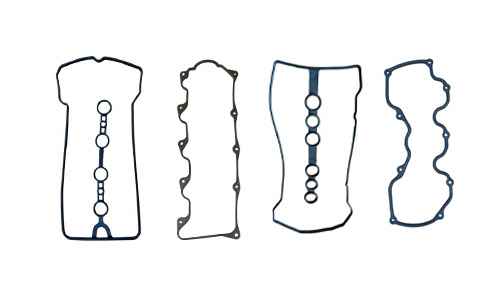
Why stick to standard sizes when you could create bespoke solutions that fit your client's needs to a tee?
Technological Integration: The Future Is Digital
Data analytics in maintenance practices is transforming how fleets operate. With predictive maintenance tools, companies can now monitor the condition of Shock Absorber Boots and other suspension elements in real-time. This approach not only maximizes performance but also minimizes downtime. Did you know that proper proactive measures can reduce overall maintenance costs by up to 25%?
- Use IoT sensors to monitor wear levels.
- Implement software that predicts failures before they happen.
- Utilize AR for training technicians on installation procedures.
Market Trends: What to Expect in 2025
As we look toward 2025, several key trends are anticipated to shape the market:
- Sustainability: Eco-friendly materials will become more prominent.
- Increased Competition: With new players emerging, price wars may ensue.
- Integration with Electric Vehicles: Customized solutions for EVs will be crucial.
Interestingly, many traditional rubber auto parts manufacturers are slow to adapt. Isn't it surprising how some still rely on outdated processes when innovation is knocking at the door?
Case Example: Adapting to Market Needs
A fictional trucking company, FleetX, recently faced a dilemma. Their aging fleet was incurring higher maintenance costs due to frequent breakdowns related to poor-quality O-Rings & Rubber Sealing Rings . After researching suppliers, they turned to a China-based factory specializing in modern elastomer technologies. The transformation was staggering; within six months, FleetX reported a 40% drop in operational delays.
Key Takeaways for Manufacturers
For factories in China aiming to lead the rubber auto parts market, here are crucial points:
- Invest in R&D for advanced materials.
- Offer customizable solutions tailored to client specifications.
- Adopt digital technologies for efficiency and predictive maintenance.
The road ahead is filled with opportunities for those ready to innovate. Will you adapt or get left behind?
In conclusion, keeping an eye on trends while staying committed to quality will ensure longevity in this industry. Companies that recognize the value of exceptional suspension protection bellows will undoubtedly emerge victorious in the competitive landscape of fleet maintenance by 2025.