Understanding Suspension Protection Bellows
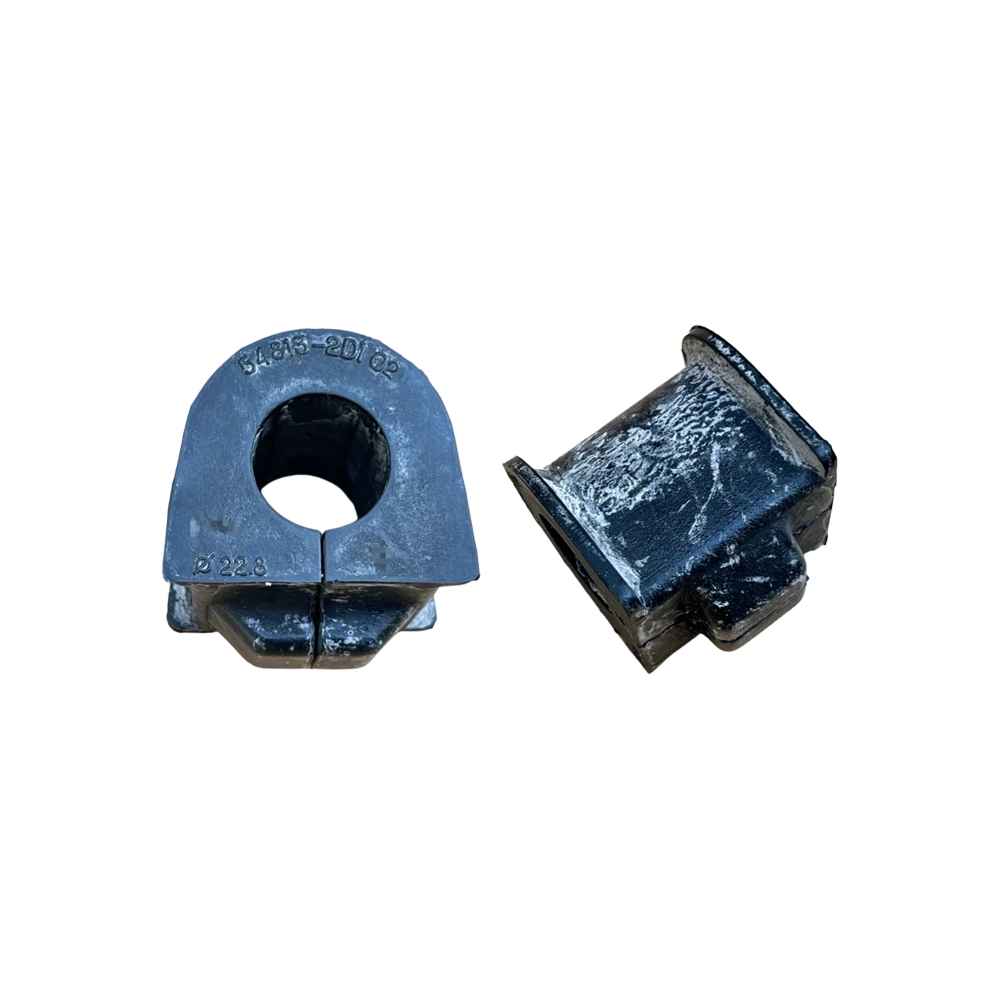
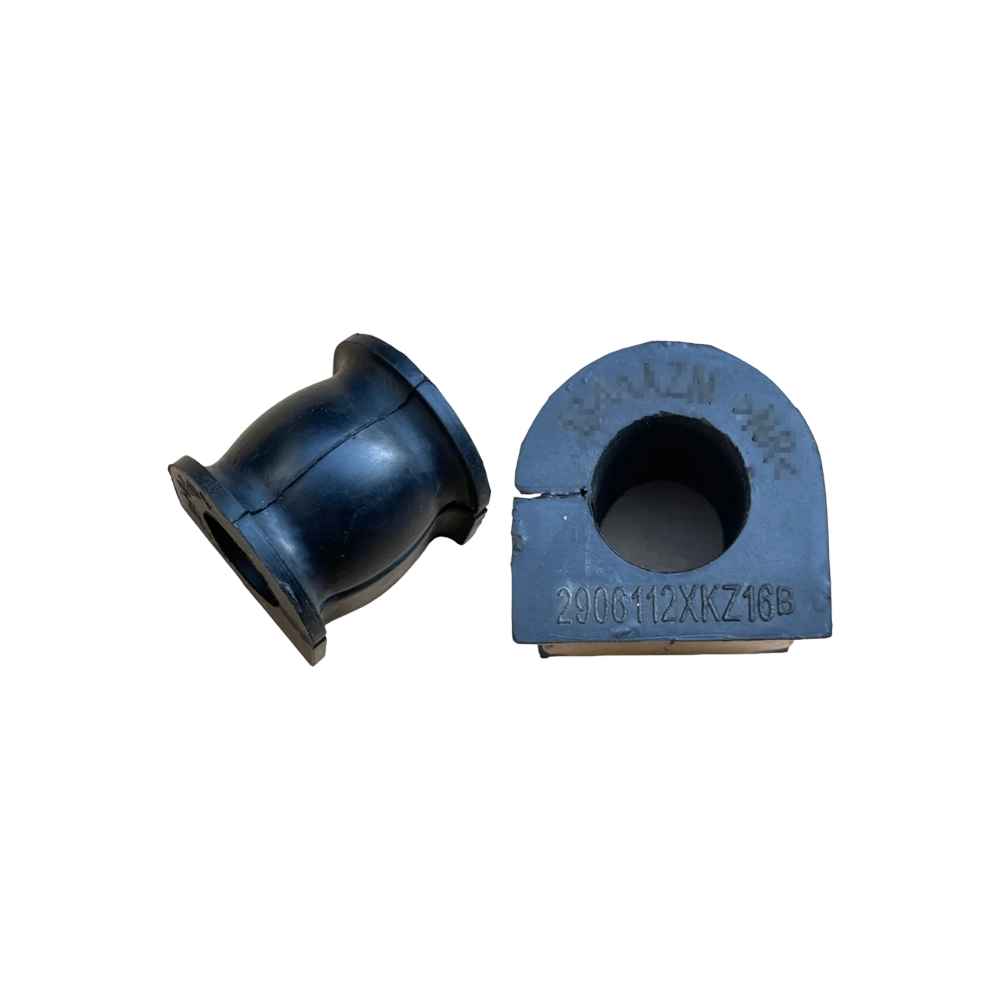
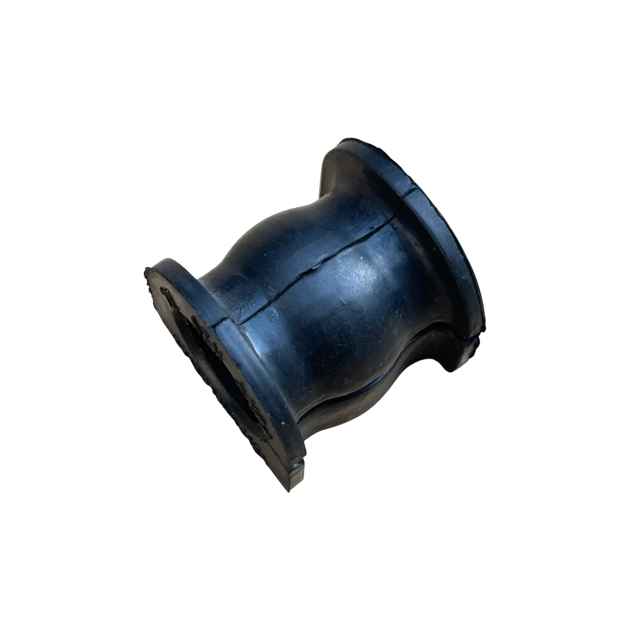
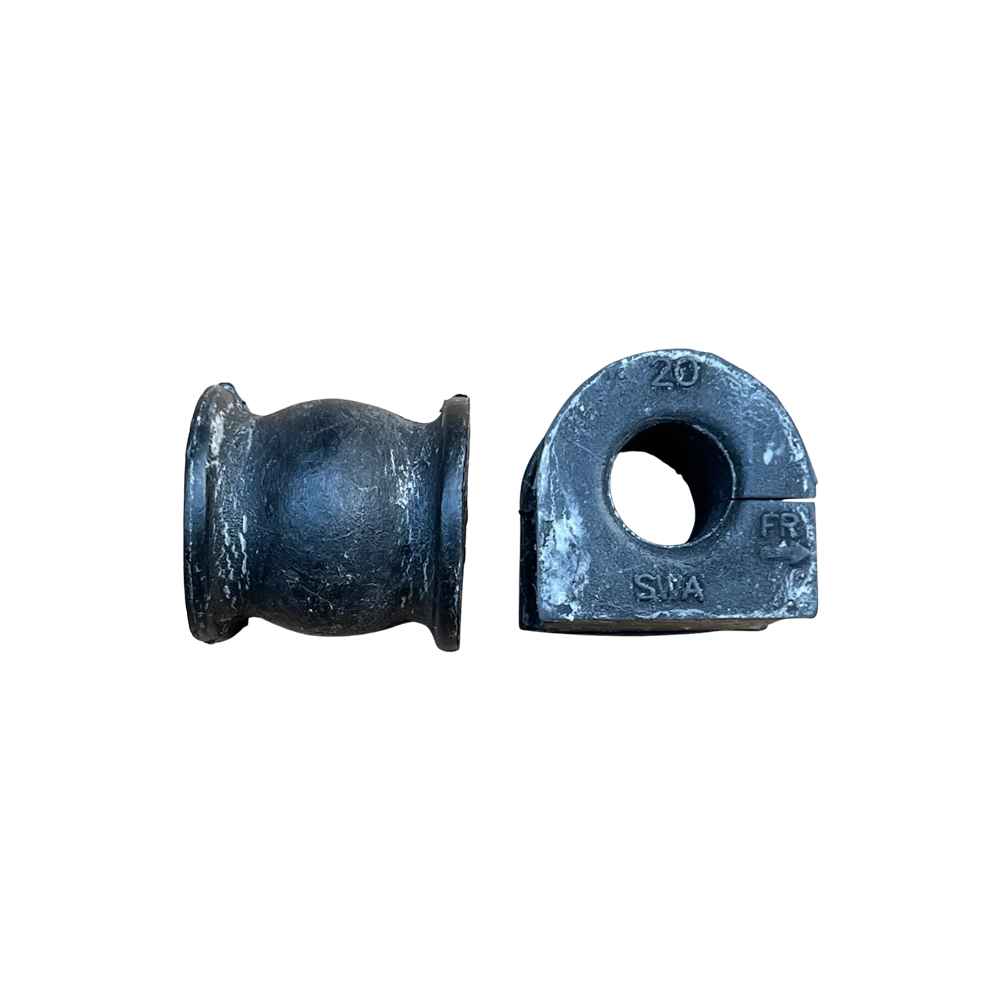
In the realm of automotive engineering, suspension components play a critical role in vehicle performance and driver comfort. Suspension protection bellows, commonly known as boots, are integral to maintaining the integrity of these systems. They safeguard vital parts such as CV Joint Boots , Steering Rack Boots , and Shock Absorber Boots from dirt, moisture, and debris that can lead to premature wear and tear.
Current Trends in Suspension Boots
The global automotive aftermarket is witnessing several noteworthy trends in suspension protection bellows. As we approach 2026, B2B wholesale suppliers need to be aware of these shifts to stay competitive. The first trend revolves around the increased demand for high-performance materials. Traditionally, rubber was the go-to material for manufacturing these components. However, advancements in polymer technology have introduced options that offer better durability and resistance to environmental factors.
- Enhanced Durability: New materials provide improved longevity and effectiveness under extreme conditions.
- Eco-friendly Solutions: Sustainability is becoming a priority. Suppliers are looking for environmentally friendly alternatives that meet regulatory standards.
- Customization: Tailored solutions for specific vehicle models are rising in popularity, allowing for better fitment and performance.
The Role of Key Players: Brands like Guanghua
As the market evolves, established brands like Guanghua are setting the benchmark for quality. Their focus on innovation and customer satisfaction has made them a preferred choice among B2B suppliers. Companies that want to thrive should consider partnerships with reputable manufacturers who emphasize research and development.
Market Analysis: The Demand Surge
With the growing awareness of vehicle maintenance, there's an undeniable surge in demand for suspension protection bellows. Fleet operators and individual consumers alike are recognizing the importance of these components in prolonging vehicle life. This, combined with a general uptick in automotive sales globally, suggests a bright future for suppliers in this segment.
Challenges and Opportunities in the Market
While the opportunities seem promising, there are inherent challenges in the aftermarket space. For instance, the proliferation of low-cost alternatives can flood the market, making it tough for quality-focused suppliers to compete on price alone. Additionally, education about the long-term benefits of investing in high-quality parts must be communicated effectively to end-users.
- Price Competition: Low-cost options may lure customers initially, but often result in higher long-term costs due to failures.
- Consumer Education: Highlighting the importance of using quality suspension boots can differentiate premium brands from generic ones.
Technological Advancements Shaping the Future
As technology progresses, the manufacturing processes for suspension protective bellows are continuously improving. Automation and precision engineering are leading to higher production efficiency and consistency. Advanced testing methods ensure that products meet rigorous safety and performance standards before they reach the market.

The Importance of Quality Control
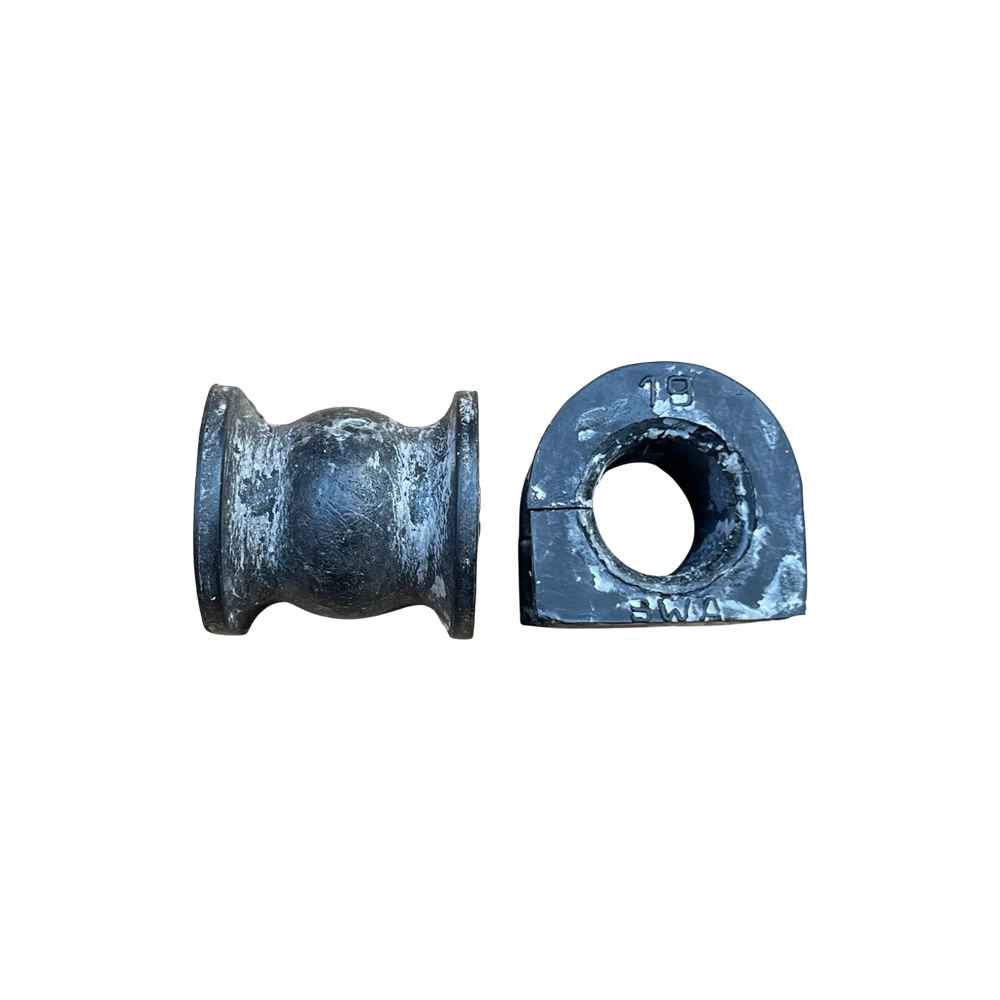
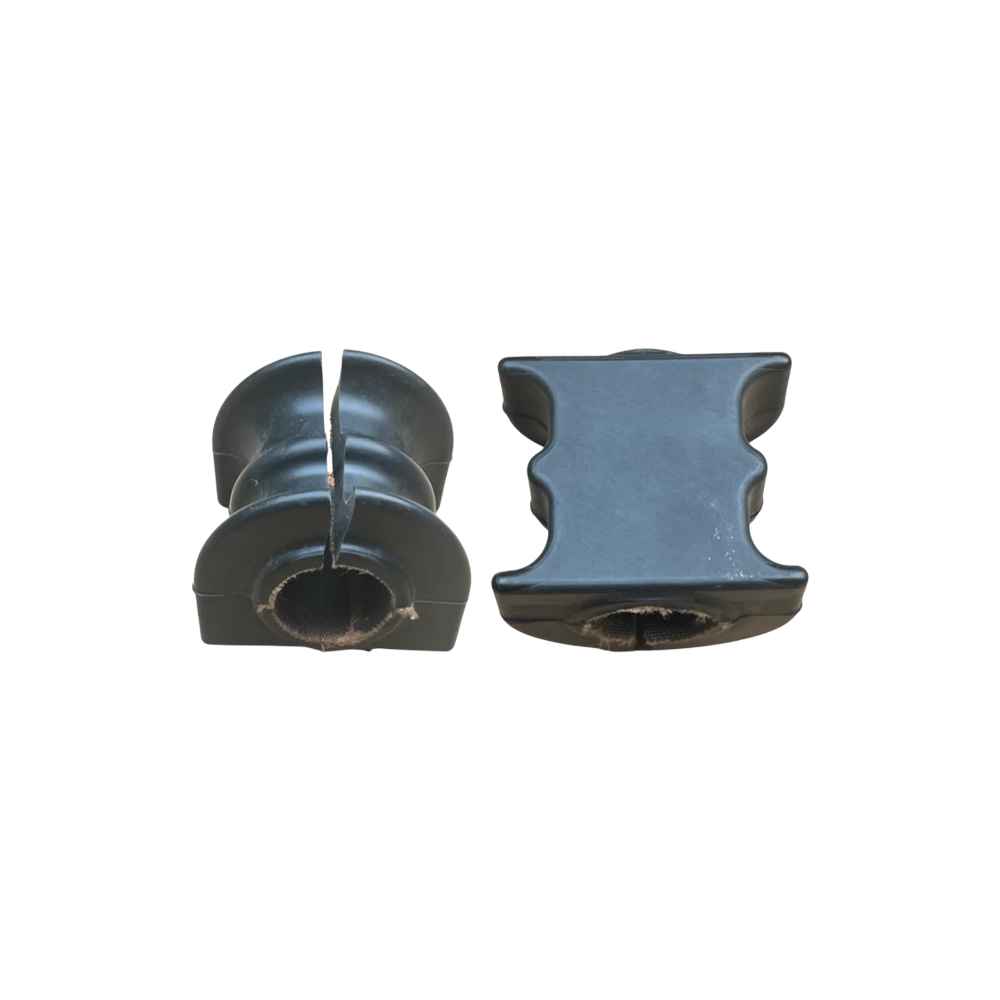
Quality control cannot be overstated in this industry. Suppliers must implement stringent testing protocols to guarantee that their suspension boots—whether CV joint boots, O-Rings & rubber sealing rings, or stabilizer bar bushings—meet the necessary specifications. Failing to do so may result in product recalls or worse, liability issues stemming from faulty parts.
Future Outlook: What Suppliers Should Prepare For
Looking ahead, suppliers should prepare for a landscape that prioritizes not just performance but also sustainability. The shift towards greener automotive technologies will inevitably impact the materials used in manufacturing suspension protection bellows. Additionally, more vehicles are now equipped with advanced suspension systems that require specialized parts. Understanding these trends will be crucial for suppliers aiming to maintain relevance in the market.
Conclusion: Staying Ahead of the Curve
The automotive aftermarket is rapidly changing, and suppliers must adapt to keep pace. By focusing on quality, embracing new materials, and understanding evolving consumer preferences, companies can position themselves as leaders in this sector. Investing in strong relationships with trusted brands like Guanghua can also yield significant returns as the market continues to grow.