Understanding Suspension Rubber Parts in Auto Parts Distribution
The automotive industry has always relied on a select number of critical components that ensure the performance, safety, and longevity of vehicles. Among these, suspension rubber parts play a vital role. They are key in maintaining vehicle stability and comfort while driving. As we approach 2026, understanding the trends around these parts—especially from a wholesale auto parts distribution perspective—becomes essential for TS16949/ISO certified manufacturers.
The Importance of Quality Standards
In the highly competitive automotive market, adhering to quality standards such as TS16949 and ISO certifications is non-negotiable. These standards not only guarantee product quality but also enhance brand reputation. Consumers today are more informed; they expect reliability and safety from their vehicles. If a manufacturer can assure high-quality suspension rubber parts, it can significantly influence purchasing decisions among wholesalers and retailers alike.
Current Trends in Suspension Rubber Parts
- Integration of Advanced Materials: The use of synthetic elastomers is on the rise. These materials offer improved durability and resistance to environmental factors compared to traditional rubber.
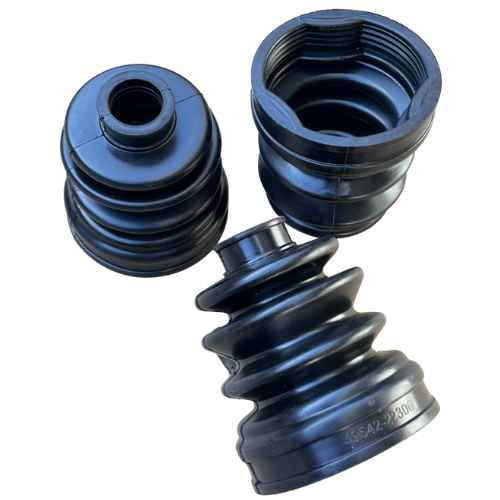
- Focus on Sustainability: Eco-friendly manufacturing processes and materials have become a priority. Manufacturers are exploring ways to reduce their carbon footprint while enhancing the recyclability of products like CV Joint Boots and O-Rings & Rubber Sealing Rings .
- Technological Advancements: Innovations in manufacturing techniques, such as automated production lines, are speeding up production rates and improving consistency in product quality.
Key Components to Watch
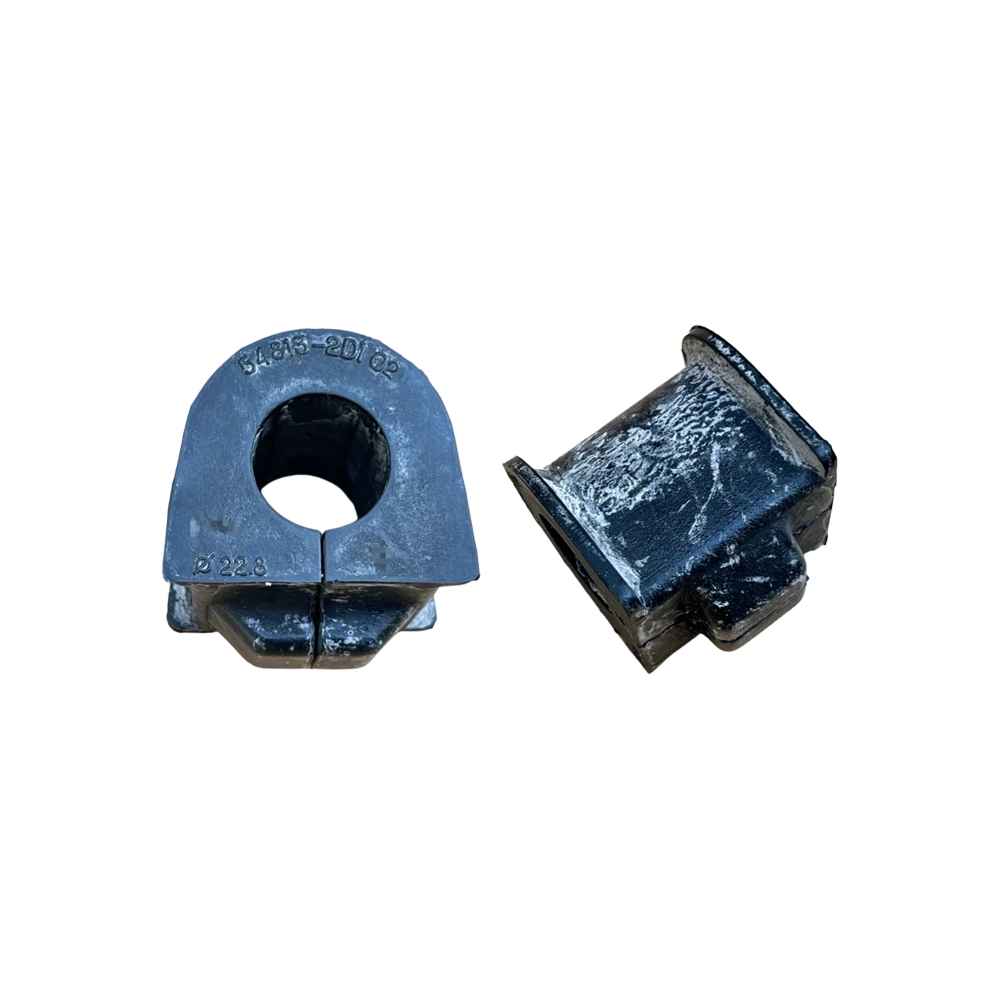
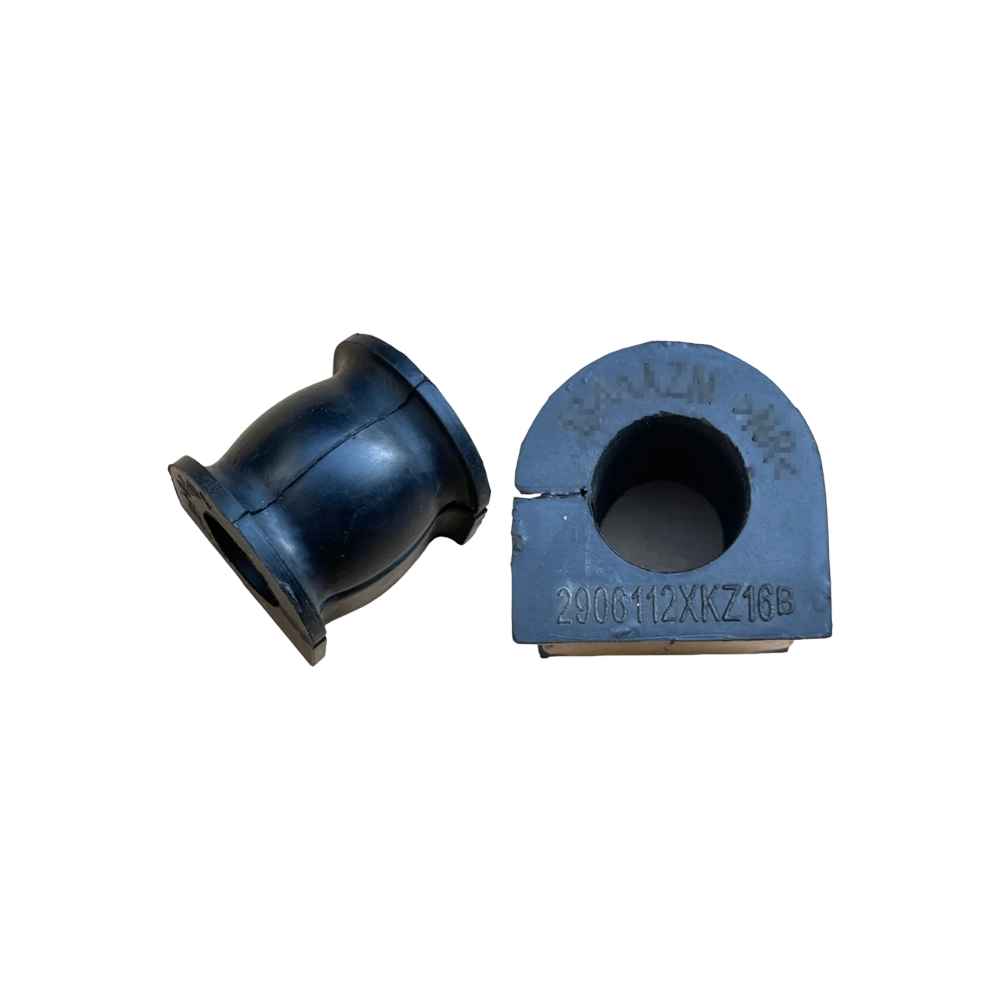
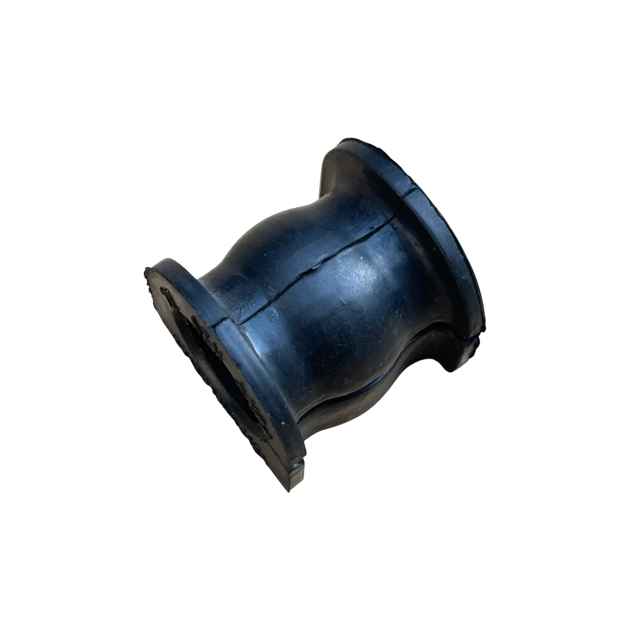
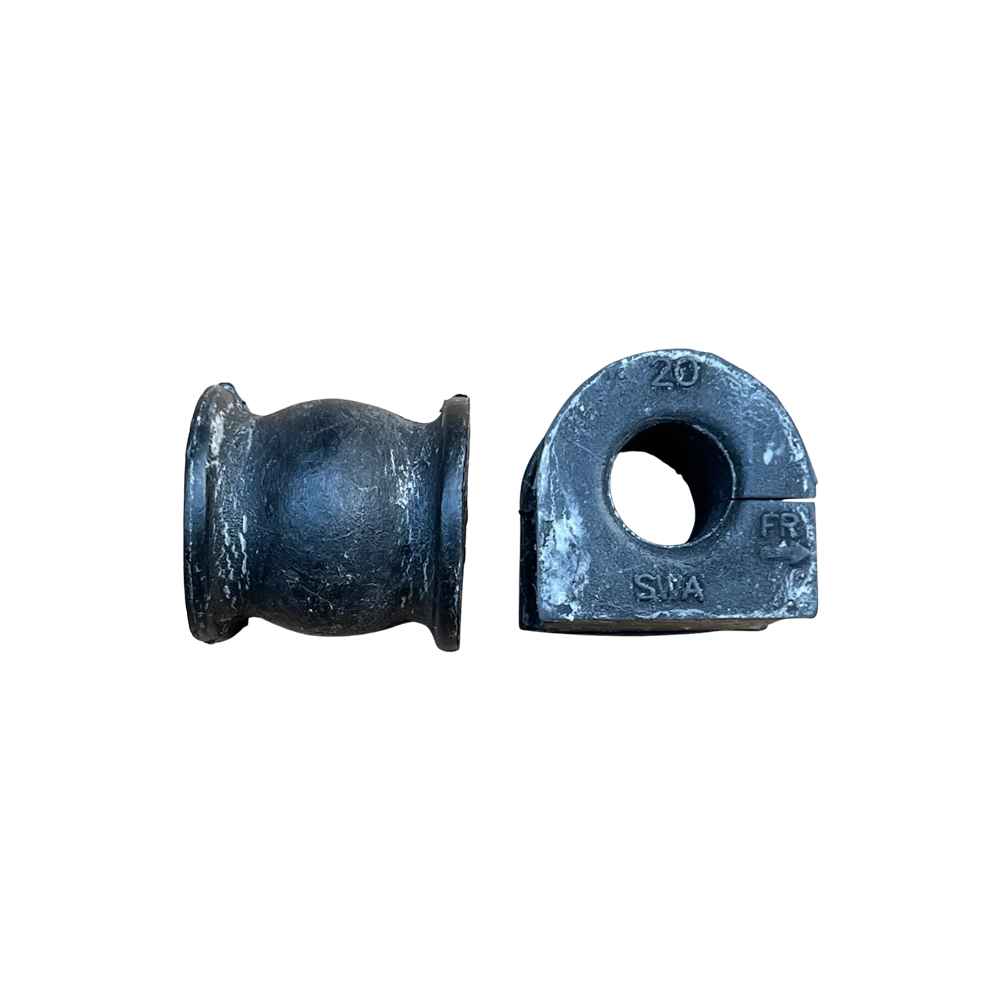
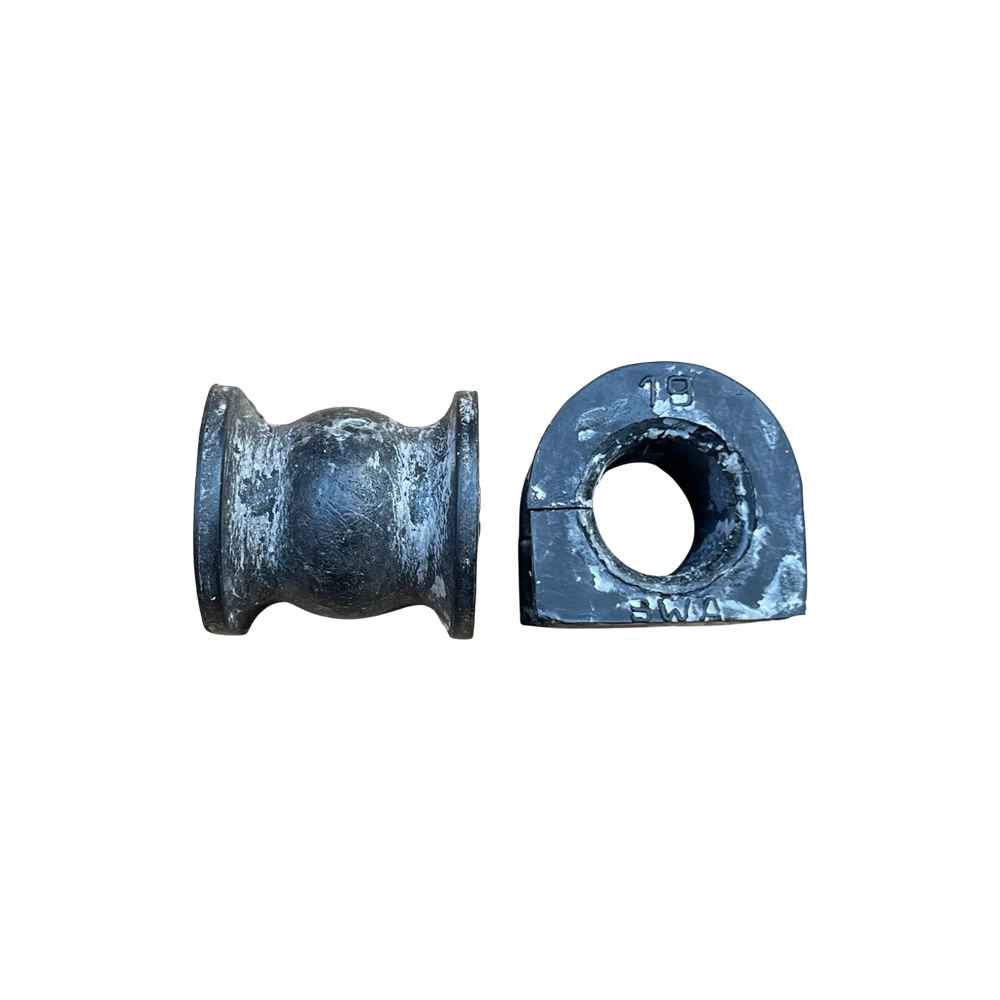
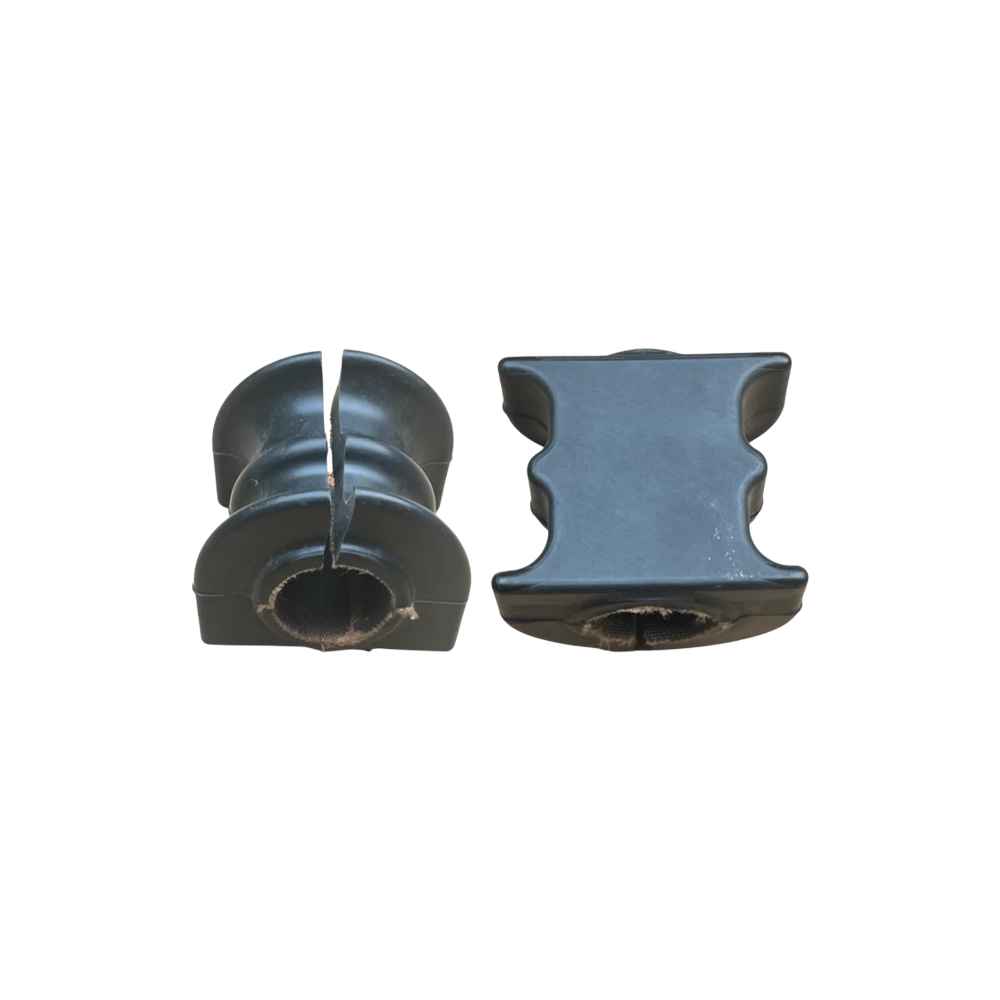
As a manufacturer, focusing on specific components within the suspension system can yield good results. For instance, items like Steering Rack Boots and Shock Absorber Boots often require special attention due to their pivotal role in ensuring smooth operation. Additionally, Stabilizer Bar Bushings contribute significantly to handling characteristics, making them crucial for performance-oriented vehicles.
Market Insights: What Wholesalers are Looking For
Wholesalers are increasingly seeking reliable sources for their auto part needs. A few key insights into what they prioritize include:
- Competitive Pricing: Cost-effective solutions keep wholesalers coming back. However, this shouldn't compromise quality.
- Quick Turnaround Times: Fast deliveries mean better inventory management. Being able to fulfill orders promptly can set a manufacturer apart.
- Technical Support: Providing education and support about products helps wholesalers advise their customers effectively.
Challenges Ahead for TS16949/ISO Certified Manufacturers
Despite ongoing advancements, challenges persist. Compliance with stringent regulations, fluctuating material costs, and the pressure to innovate can be daunting. For example, sourcing materials like those used in Valve Cover Gaskets may pose difficulties as demand rises.
Moreover, competition from non-certified manufacturers offering lower prices can tempt wholesalers. Nevertheless, investing in quality will pay off in the long run, as clients grow wary of subpar products that could lead to safety issues down the line.
Future Outlook: Strategies for Growth
Looking ahead, manufacturers should consider the following strategies to stay ahead:
- Invest in R&D: Continual improvement through research and development is crucial. Staying at the forefront of material science can provide a significant edge in quality and innovation.
- Leverage Digital Platforms: Online presence boosts visibility. Utilizing e-commerce platforms can directly connect manufacturers with wholesalers, streamlining the supply chain.
- Collaborate with Industry Leaders: Partnerships can enhance market penetration, particularly when working with brands like Guanghua, known for their commitment to quality.
Conclusion
As the landscape of the automotive industry evolves, so too do the trends in suspension rubber parts. Understanding these changes and adapting accordingly is imperative for TS16949/ISO certified manufacturers looking to thrive in 2026 and beyond. By prioritizing quality, embracing technological advancements, and responding to market demands, manufacturers can secure their place as leaders in the wholesale auto parts sector.