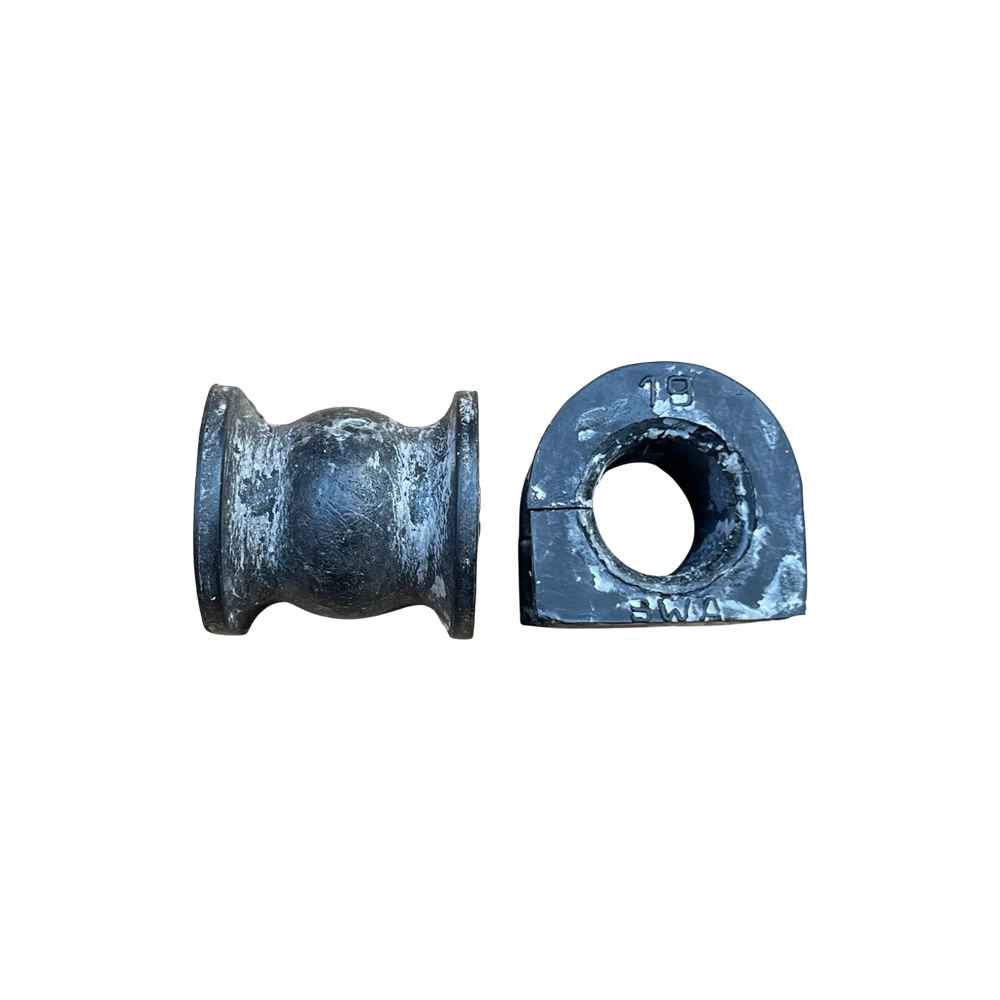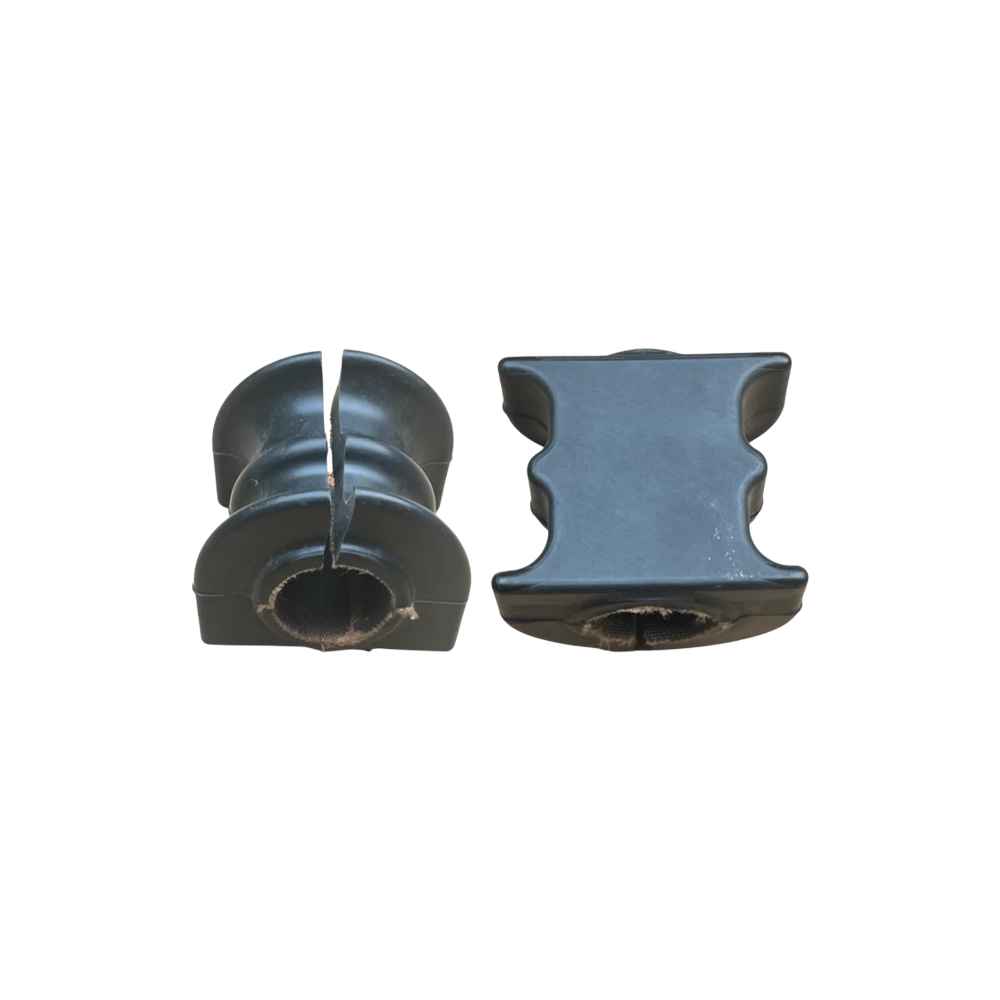
Emerging Trends in Valve Cover Gasket Design
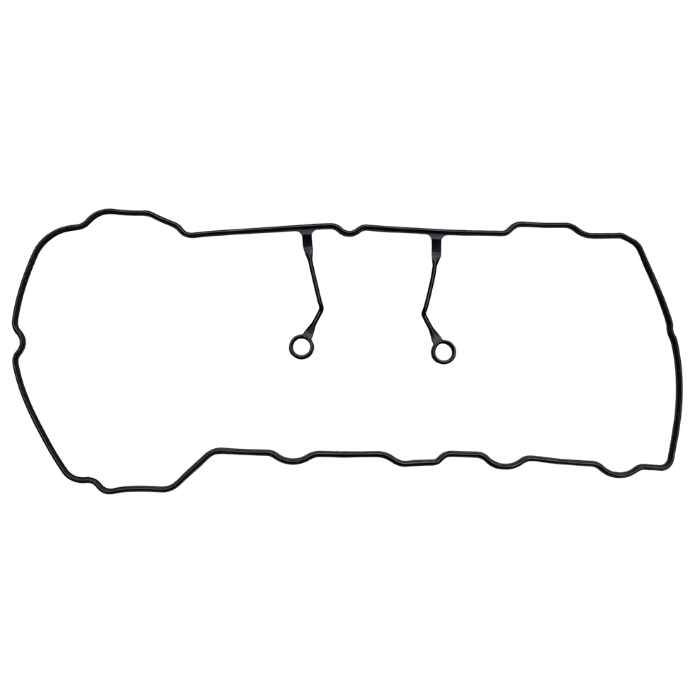
As the automotive industry evolves, the importance of durable and reliable sealing solutions cannot be overstated. In both European and American vehicles, valve cover gaskets play a critical role in maintaining engine performance by preventing oil leaks and ensuring optimal functionality. Understanding current trends in gasket materials and designs is essential for any professional rubber sealing solution provider preparing for 2026.
Materials Used in Modern Valve Cover Gaskets
In recent years, advancements in material science have led to the development of innovative compounds that enhance the reliability and longevity of valve cover gaskets. While traditional cork and rubber composites are still prevalent, new synthetic materials—such as fluorocarbon elastomers and silicone-based compounds—are gaining traction due to their superior heat and chemical resistance.
- Fluorocarbon Elastomers: Known for their excellent thermal stability and resistance to oil degradation.
- Synthetic Rubber: Offers enhanced flexibility, making it suitable for various engine designs.
- Silicone-Based Materials: Provide excellent sealing capabilities under extreme conditions, ideal for high-performance engines.
Technological Innovations in Manufacturing Processes
The manufacturing processes for valve cover gaskets are also undergoing significant changes. With the rise of automation and precision engineering, manufacturers are increasingly utilizing advanced techniques such as CNC machining and 3D printing. These technologies not only improve accuracy but also reduce production times, allowing for more cost-effective solutions without compromising quality.
Market Demands and Regulatory Influences
Market demands in both Europe and America are shifting towards sustainability and environmental responsibility. The automotive repair sector has been influenced by stricter regulations regarding emissions and waste management, prompting manufacturers to consider eco-friendly materials and production practices. As a result, the development of biodegradable gaskets is becoming an area of interest for many companies, including those like Guanghua, which prioritize sustainability in their product offerings.
Consumer Preferences and Expectations
Modern consumers expect not only durability but also ease of installation when it comes to valve cover gaskets. This shift is driving manufacturers to design products with user-friendly features, such as pre-cut or molded gaskets that facilitate quicker installations. Additionally, providing comprehensive installation guides complements these innovations, assisting both DIY enthusiasts and professional mechanics.
Challenges Facing the Industry
Despite the advances in technology and materials, several challenges persist within the Valve Cover Gasket sector. One of the main issues is the compatibility of new materials with older vehicle models, which can lead to discrepancies in performance and longevity. Furthermore, ensuring consistent quality across different production batches remains a concern, necessitating rigorous testing and quality control protocols.
Competition and Market Saturation
The increasing number of suppliers in the rubber sealing market results in heightened competition, particularly among providers of O-Rings and rubber sealing rings. Companies must differentiate themselves through innovation, customer service, and product reliability. Building strong partnerships with automotive repair shops can also enhance brand reputation and customer loyalty.
The Future of Valve Cover Gaskets
Looking ahead to 2026, industry professionals should be aware of emerging trends that will shape the future of valve cover gaskets. Anticipating shifts in consumer preferences and technological advancements will be crucial for staying competitive. Key areas to focus on include:
- Continued research into sustainable materials.
- Investing in R&D for improved gasket designs that cater to hybrid and electric vehicles.
- Enhancing supply chain resilience through strategic sourcing and logistics optimization.
Conclusion: Preparing for Change
In conclusion, the Valve Cover Gasket landscape is poised for transformation, driven largely by technological advancements, regulatory changes, and evolving consumer expectations. Professional rubber sealing solution providers must remain agile and informed to navigate these trends successfully. By leveraging innovative materials, enhancing manufacturing processes, and aligning with market demands, companies can ensure their relevance in the rapidly changing automotive repair sectors of Europe and America.