Introduction to TS16949/ISO Certifications
The landscape of the automotive parts industry has evolved significantly, with quality control becoming paramount. Among the most recognized standards are TS16949 and ISO certifications, which ensure that manufacturers adhere to stringent quality processes. This is particularly crucial for suppliers involved in the production of components such as NBR (Nitrile Butadiene Rubber), Viton, and silicone products, which are vital in various automotive applications.
The Role of NBR, Viton, and Silicone in Automotive Parts
NBR, Viton, and silicone are materials widely used in the manufacture of sealing and flexible components. These materials possess distinct properties that make them ideal for specific applications within the automotive sector:

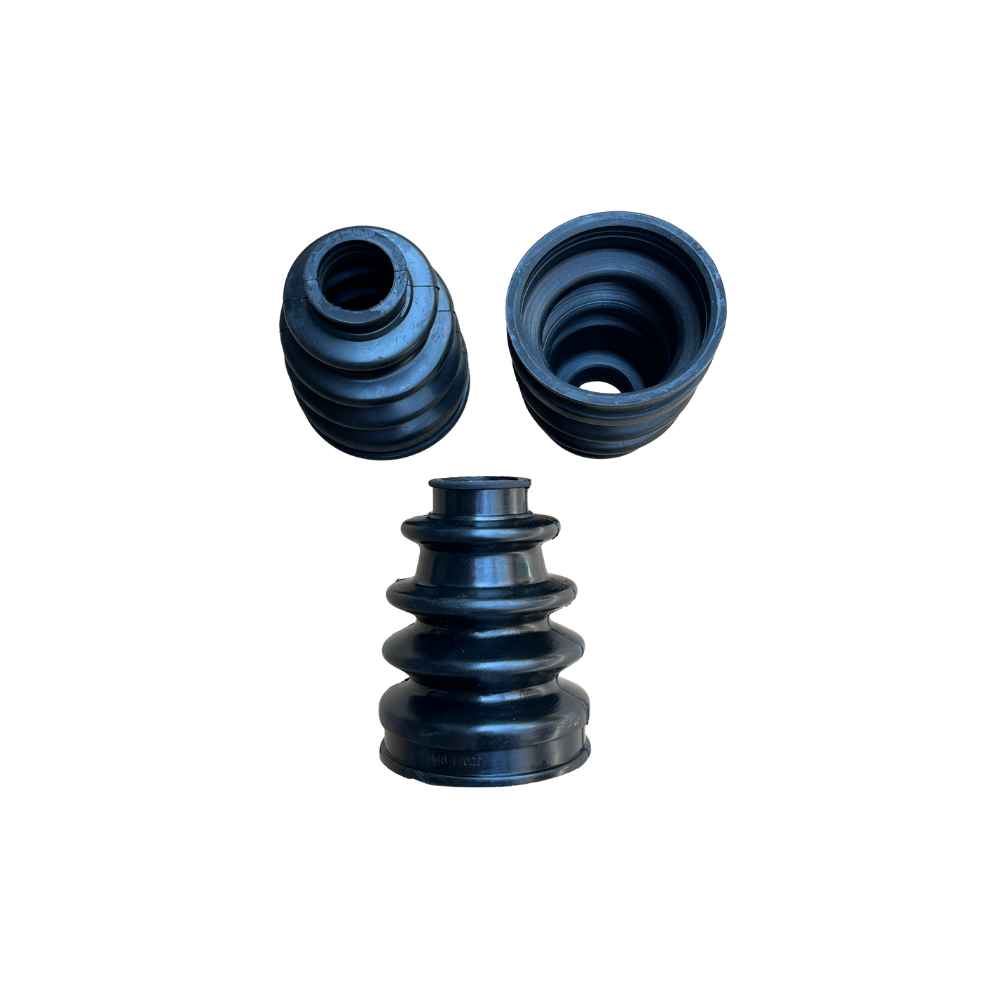
- NBR: Known for its excellent oil and fuel resistance, NBR is frequently used in O-rings, gaskets, and boots including CV Joint Boots .
- Viton: This fluoropolymer material excels in high-temperature environments and offers outstanding chemical resistance, making it suitable for vital seals and gaskets in engine compartments.
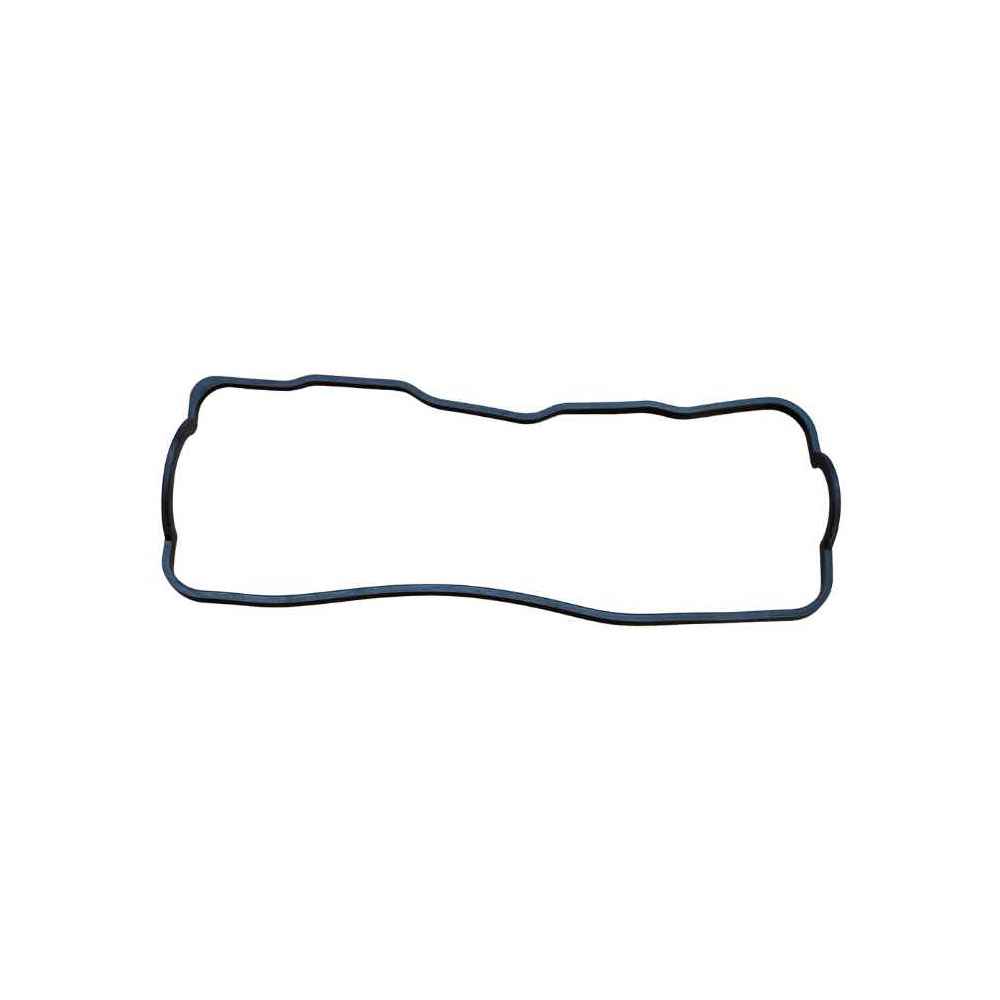
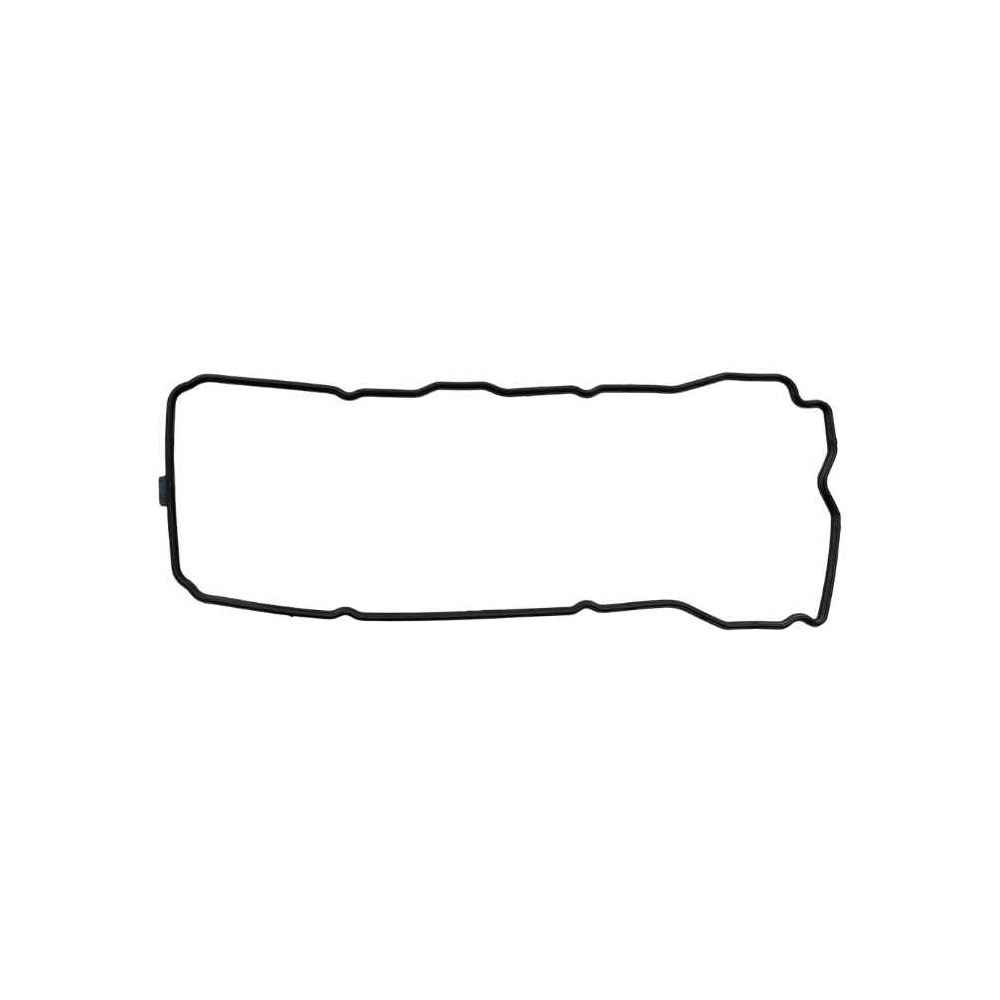
- Silicone: Often utilized in applications requiring flexibility and thermal stability, silicone is commonly found in Shock Absorber Boots and valve cover gaskets.
Emerging Trends in Wholesale Auto Parts Distribution
The wholesale auto parts distribution system is undergoing a transformation driven by technological advancements and shifting consumer expectations. As we approach 2025, several key trends have emerged:
- Digital Transformation: Integration of e-commerce platforms is reshaping how distributors engage with retail clients, enabling streamlined ordering processes and improved customer service.
- Sustainability Focus: Manufacturers are increasingly adopting sustainable practices, leading to a rise in eco-friendly materials for production, including biobased composites.
- Customization and Adaptability: The demand for customized parts has surged, pushing manufacturers to develop adaptable solutions using versatile materials like silicone and Viton.
Quality Assurance in Part Manufacturing
For manufacturers aiming to supply reliable auto parts, achieving TS16949 or ISO certification is not merely a formality but a critical component of their operational strategy. These certifications require adherence to rigorous quality management systems that encompass:
- Consistent monitoring of manufacturing processes
- Implementation of traceability measures
- Engagement in continuous improvement initiatives
Companies such as Guanghua have exemplified this commitment to quality, producing components that meet international standards while fulfilling client-specific requirements.
Impact of Material Selection on Performance
The choice of material directly impacts the performance and longevity of automotive components. NBR, Viton, and silicone each have unique performance characteristics, influencing factors like temperature resistance, wear, and compatibility with automotive fluids:
- Diverse Applications: From steering rack boots to Stabilizer Bar Bushings , the selection of the right material ensures optimal functionality.
- Cost Efficiency: Utilizing durable materials can lead to reduced maintenance costs over time, as components remain effective longer under stress.
Future Considerations for Manufacturers
As the automotive industry moves toward more stringent regulations and evolving technology, manufacturers must consider several pivotal factors when planning for the future:
- Innovation in Material Science: The development of new rubber compounds that enhance compatibility and performance will be essential.
- Supply Chain Resilience: Establishing robust relationships with raw material suppliers can mitigate risks associated with sourcing challenges.
- Investment in R&D: Companies should prioritize research into new applications for existing materials, thereby improving product offerings and expanding market reach.
Conclusion
In an increasingly competitive marketplace, maintaining TS16949/ISO certification and focusing on the integration of advanced materials such as NBR, Viton, and silicone will be critical for manufacturers. The evolution of the wholesale auto parts distribution model, coupled with emerging trends, necessitates a proactive approach to quality and innovation. By adapting to these demands and investing in durable components, manufacturers can position themselves favorably for the challenges that lie ahead.