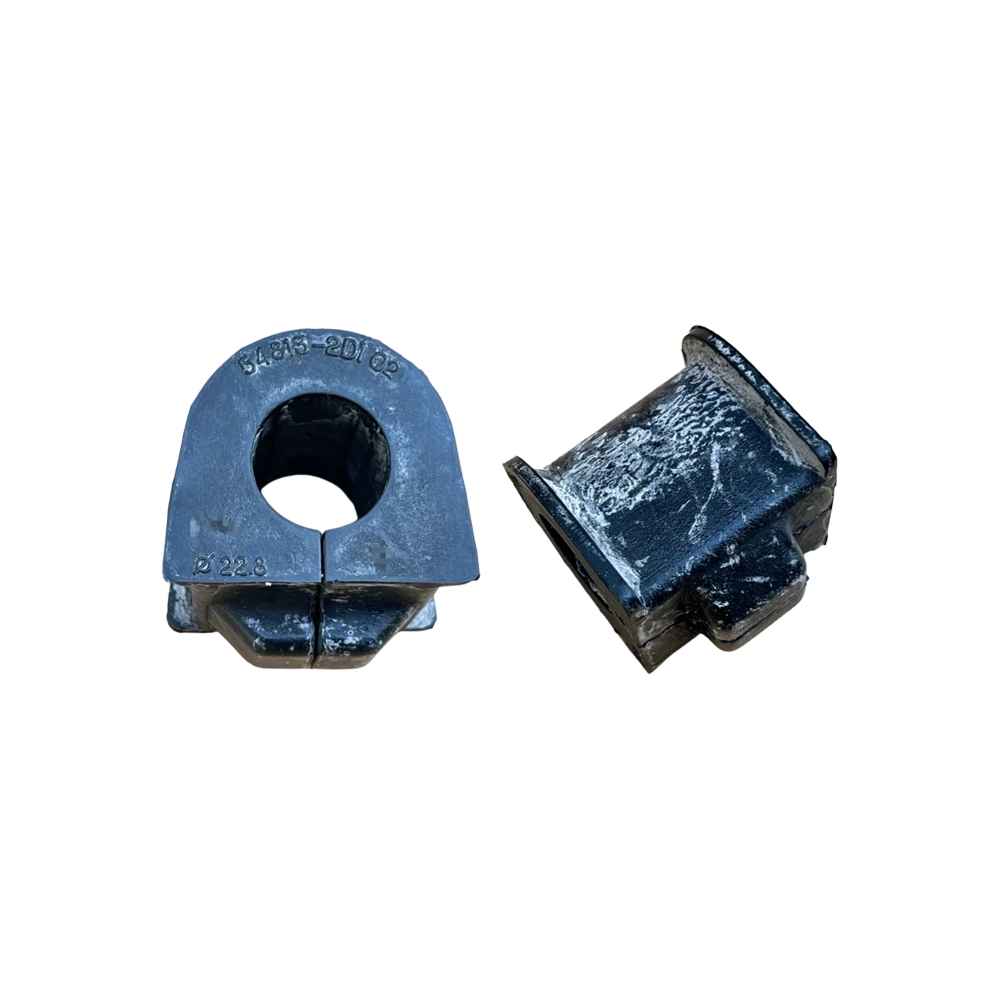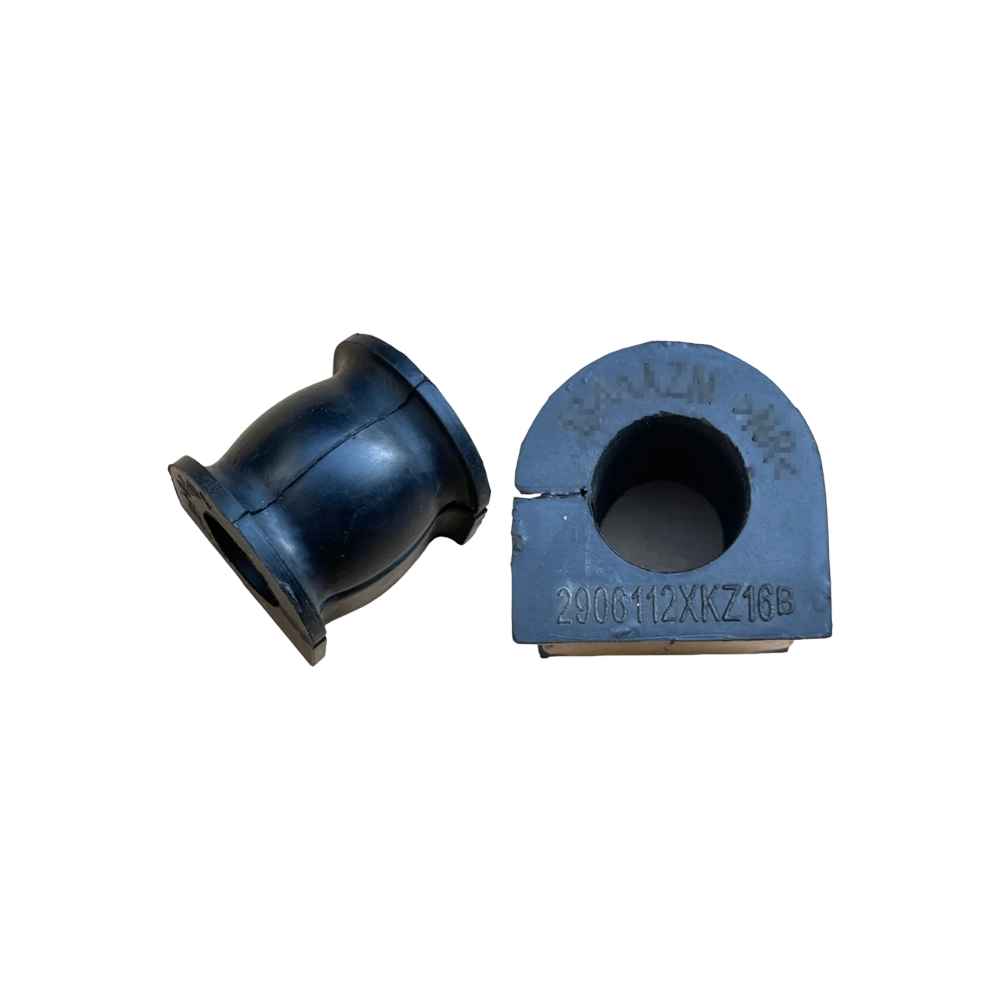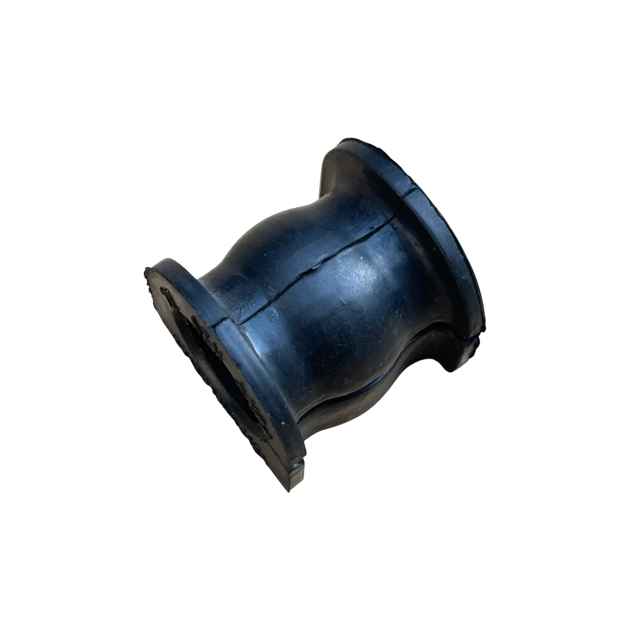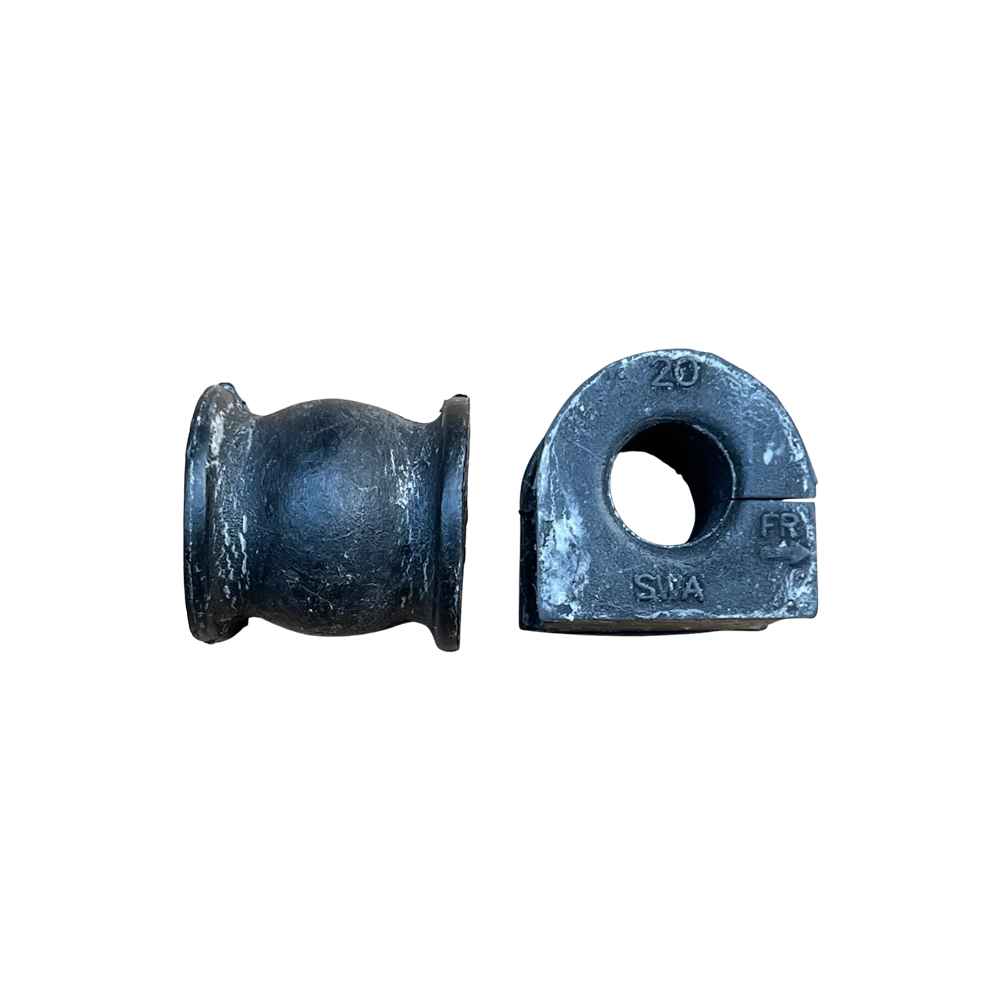
The Evolution of Strut Boots
In the dynamic world of automotive components, strut boots play a crucial role in ensuring vehicle longevity and performance. As we move towards 2026, it’s essential to examine how TS16949 and ISO certifications are shaping the future of these components, particularly within the European and American vehicle repair sectors.
Understanding TS16949 and ISO Certifications
TS16949 is an international quality management standard specifically tailored for the automotive industry. This certification emphasizes continuous improvement, defect prevention, and the reduction of variation and waste in the supply chain. On the other hand, ISO standards focus on various aspects of quality management across different industries. For manufacturers like Guanghua, obtaining these certifications signifies their commitment to producing high-quality products, including strut boots, which help protect sensitive suspension components from dirt and moisture.
Importance of Strut Boots in Vehicle Repair
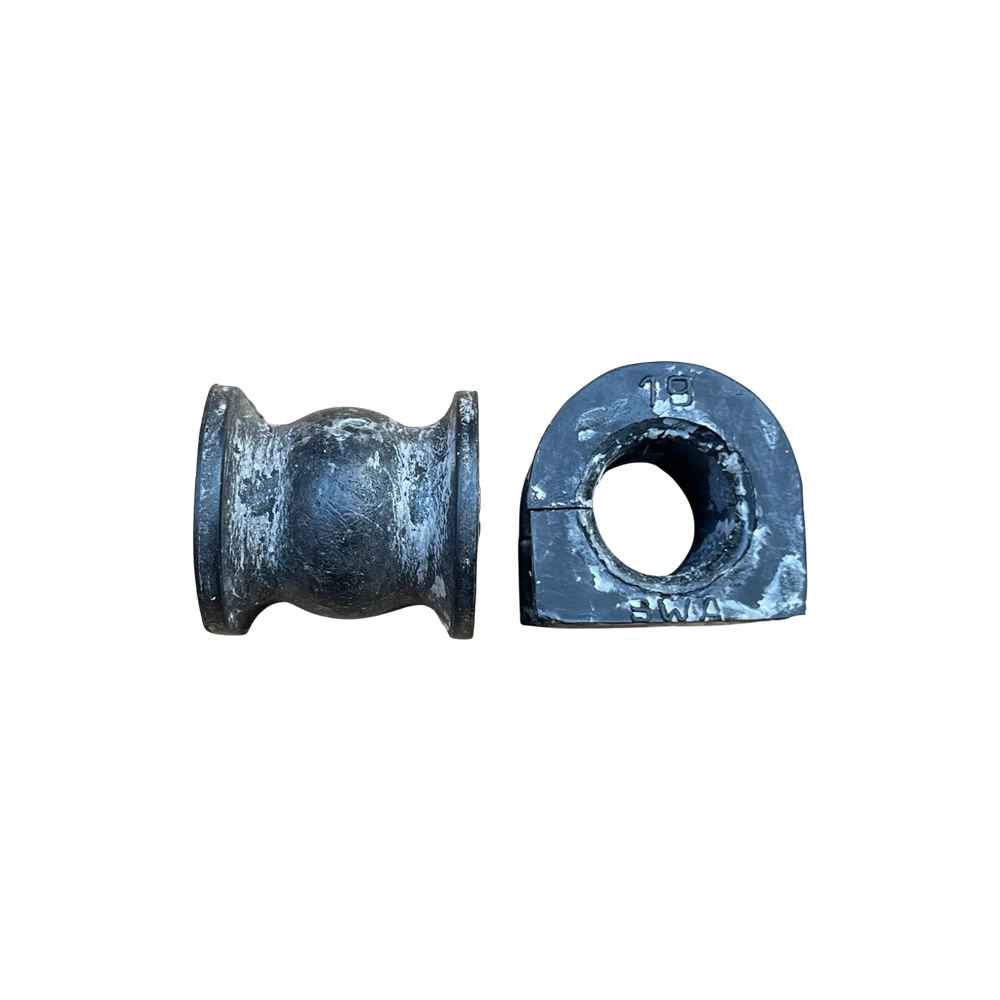
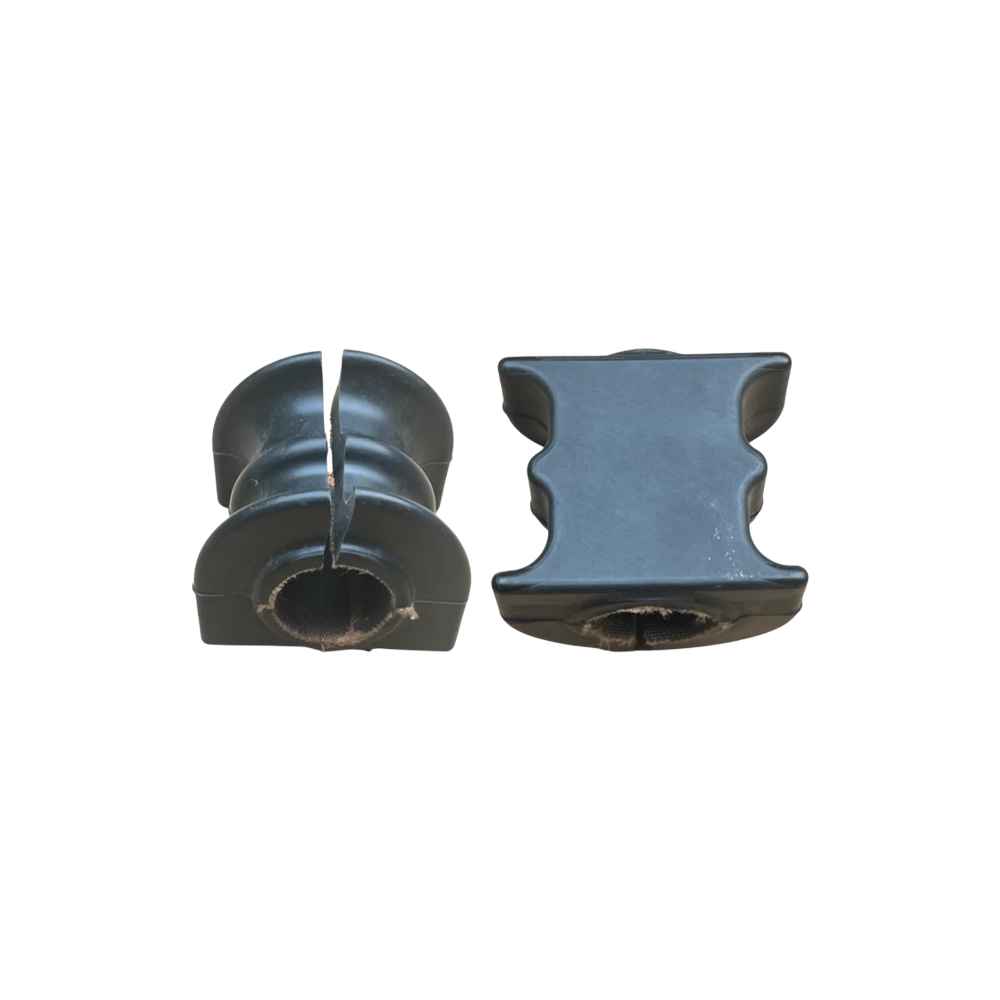
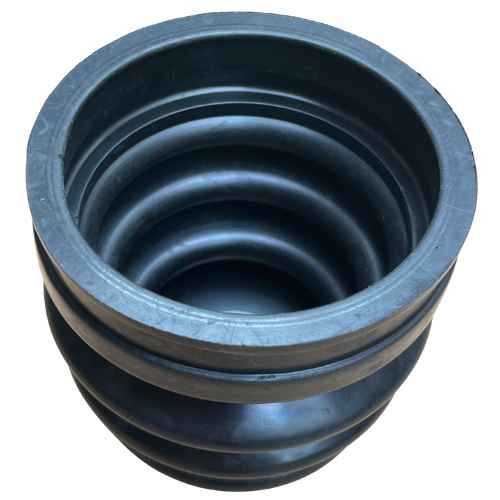
Strut boots are designed to cover and protect the strut assembly from environmental damage. They help maintain optimal function by keeping out contaminants, thus extending the life of the shock absorbers and struts. As vehicles become more sophisticated, so do the demands placed on strut boots. In 2026, we expect to see advancements that will enhance durability and adaptability in line with evolving vehicle technologies.
Market Trends Influencing Strut Boot Development
- Sustainability: With an increasing focus on eco-friendly manufacturing practices, the materials used for strut boots are evolving. Manufacturers are exploring biodegradable options while maintaining performance standards.
- Technological Advancements: Innovations such as smart strut boots that can provide real-time data about wear and tear may soon be on the horizon, enabling proactive maintenance.
- Electric Vehicles (EVs): As the market shifts towards electric vehicles, the design and functionality of strut boots must adapt to support differing weight distributions and suspension systems.
Challenges and Opportunities
While there are exciting opportunities ahead, challenges remain. The need for compliance with stringent regulations in both Europe and America can complicate manufacturing processes. However, companies that embrace these challenges—like Guanghua—will likely emerge stronger and more competitive. The shift towards more rigorous standards means that the manufacturers focusing on quality control in producing parts such as CV Joint Boots and Steering Rack Boots will thrive.
Consumer Expectations and Quality Control
Today's consumers are more informed than ever. They demand high-quality, durable products at competitive prices. Strut boot manufacturers must keep pace with these expectations through effective quality control measures. Adopting advanced technologies in production and inspection, manufacturers can ensure that even small components like O-Rings & Rubber Sealing Rings meet or exceed customer expectations.
The Role of Innovation in Future Designs
Innovation will be at the core of strut boot development as we approach 2026. Enhanced designs that incorporate features such as improved sealing capabilities and resistance to extreme temperatures will be pivotal. Additionally, partnerships between manufacturers and OEMs can drive forward-thinking solutions that cater to the unique needs of modern vehicles.
Conclusion: Preparing for the Future
As we look ahead, it is clear that the future of strut boots in the European and American vehicle repair sectors will be shaped by compliance with strict standards, technological innovations, and a strong focus on consumer needs. Companies committed to excellence, like Guanghua, will be better positioned to navigate the complexities of this evolving landscape. By prioritizing quality control and embracing new technologies, manufacturers can ensure that they not only survive but thrive in the fast-paced automotive market.