Understanding Anti-roll Bar Bushings
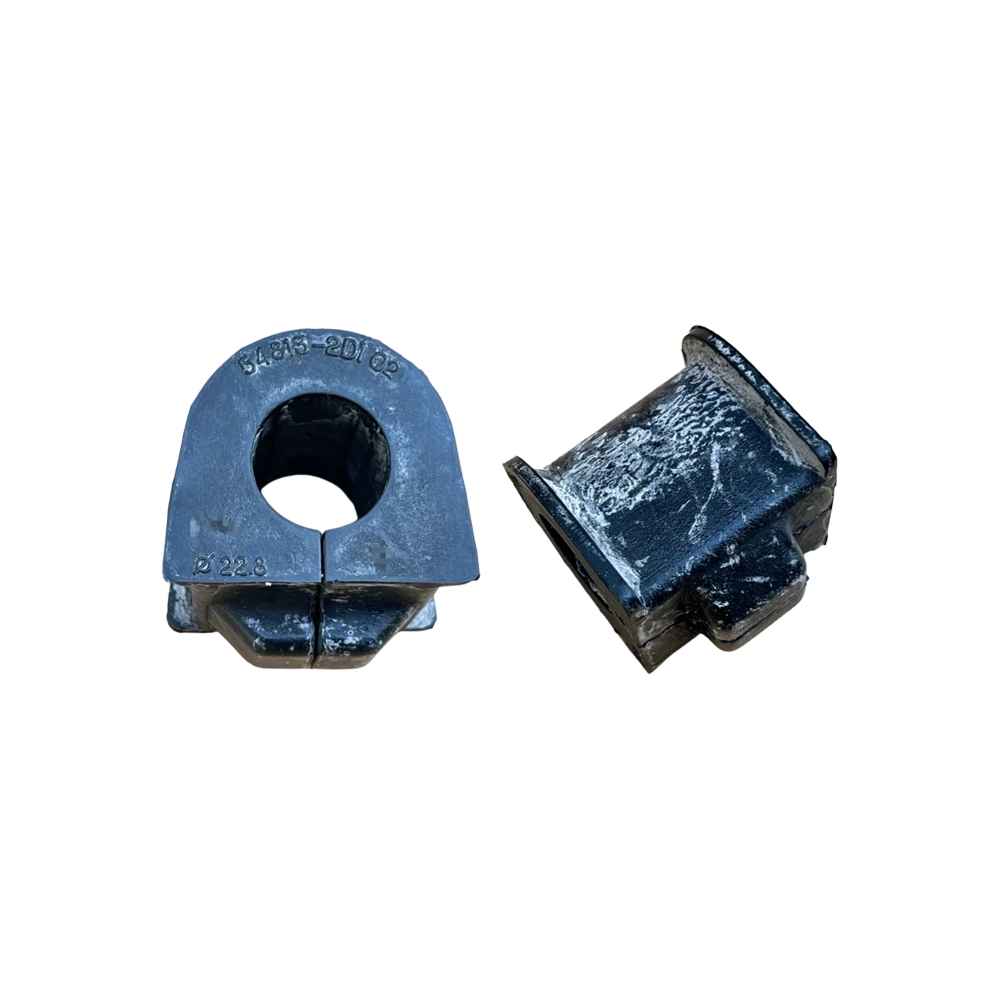
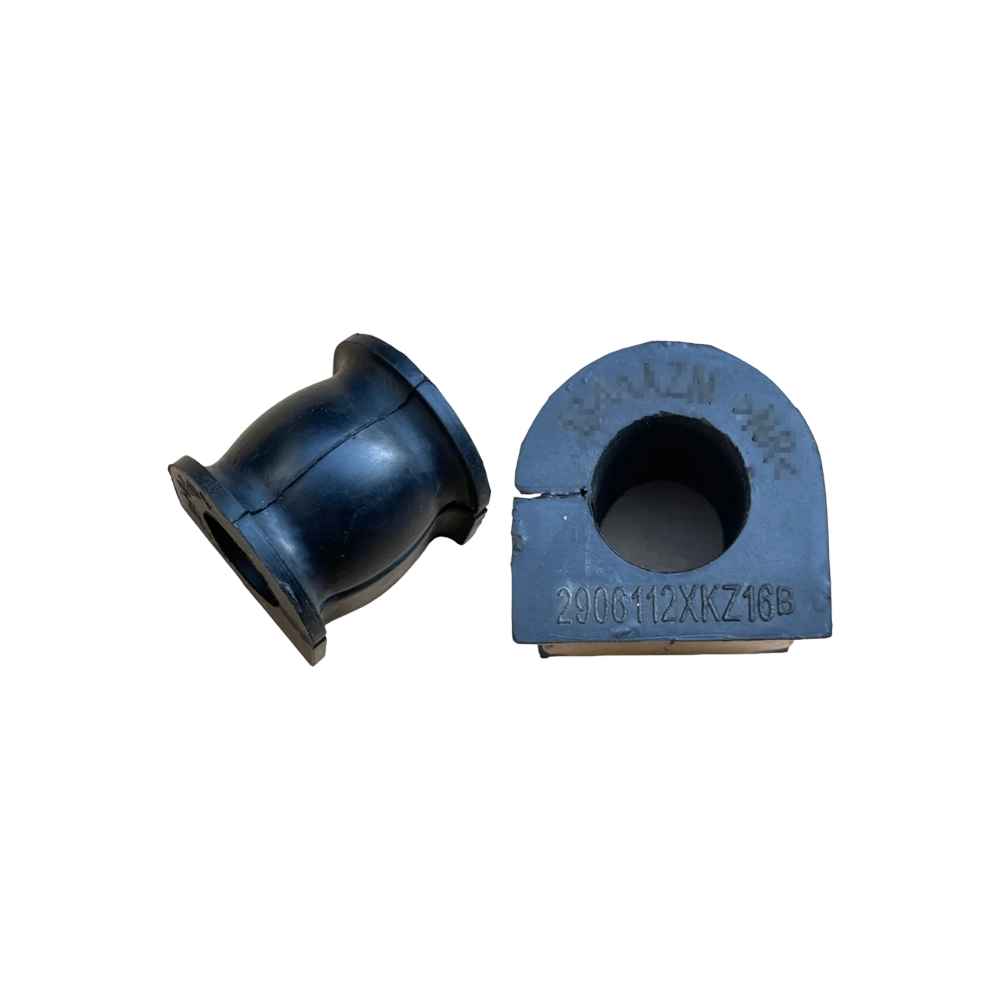
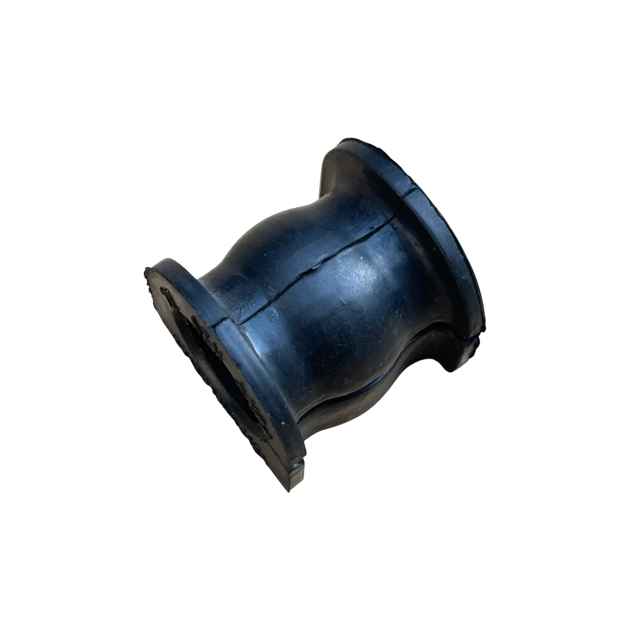
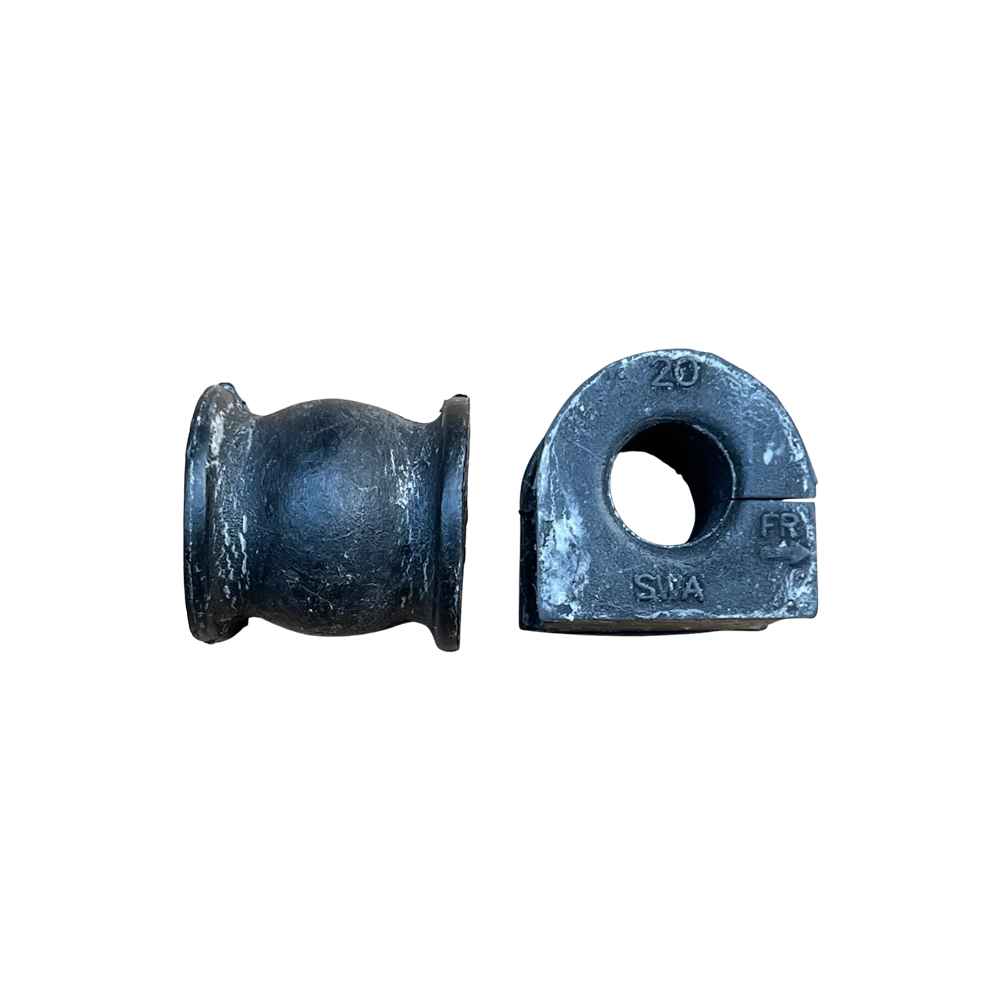
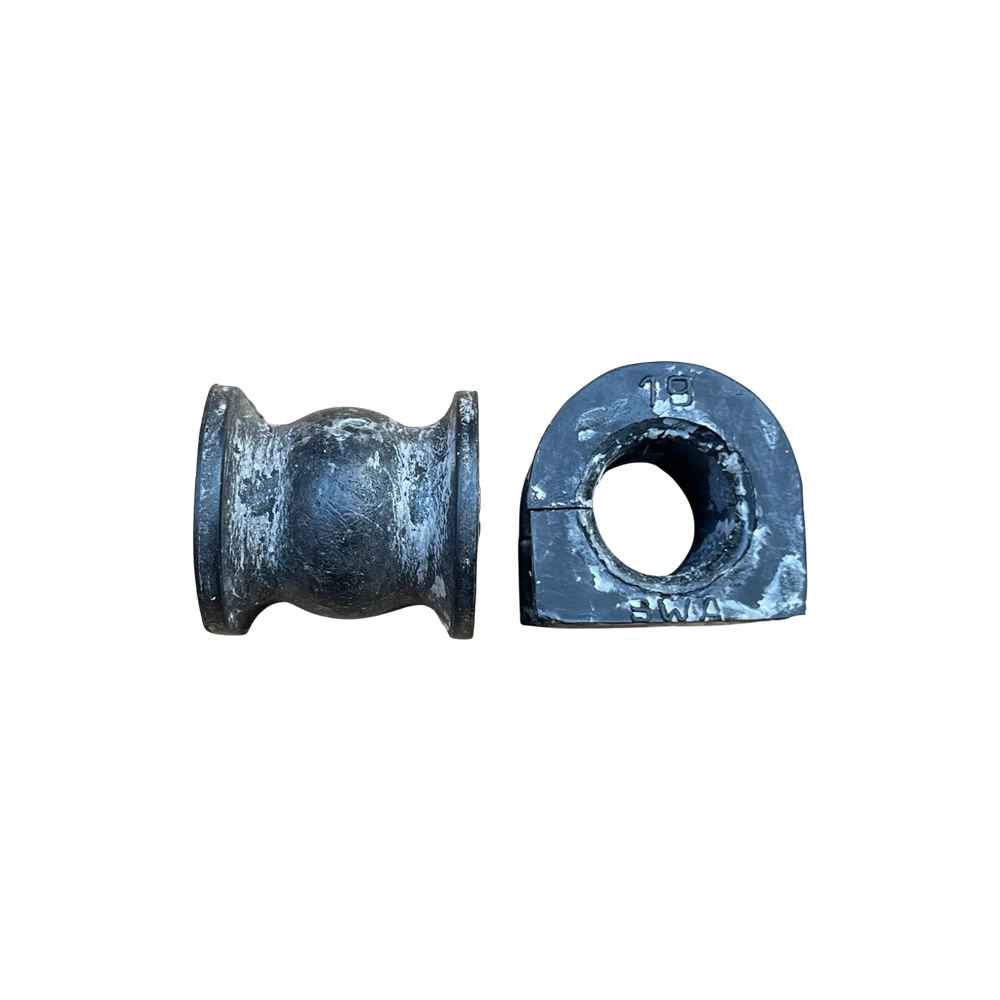
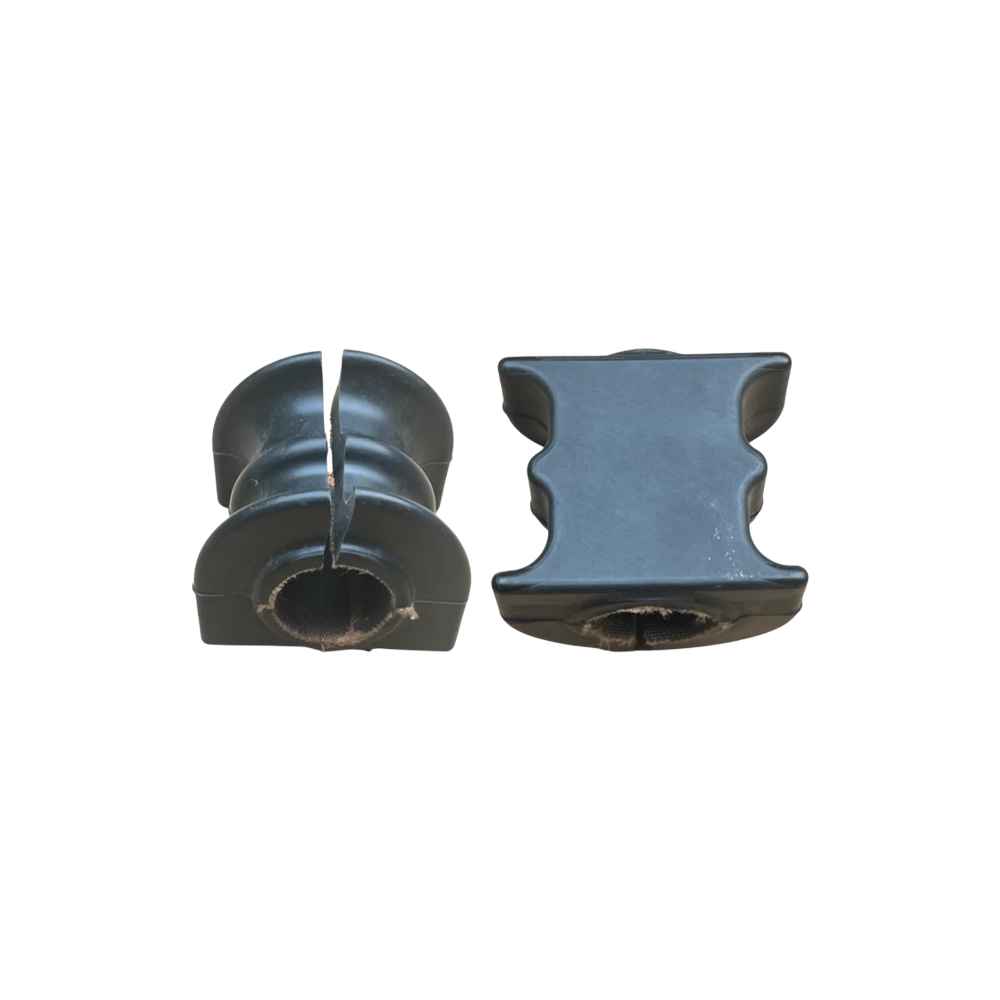
Anti-roll bar bushings play a crucial role in vehicle suspension systems. They reduce body roll during sharp turns, enhancing handling and stability. Made from various materials, these bushings offer different levels of performance and durability.
Materials Used in Anti-roll Bar Bushings
The most common materials for anti-roll bar bushings include rubber, polyurethane, and silicone. Rubber is the traditional choice, known for its flexibility and comfort. However, it may wear out faster compared to polyurethane, which is more durable and resistant to deformation.
- Rubber: Great for daily drivers; provides a smooth ride.
- Polyurethane: Offers enhanced performance; ideal for sports cars.
- Silicone: Known for its resistance to temperature changes; great longevity.
Durability and Performance
When it comes to durability, polyurethane takes the lead. It can withstand harsher conditions without cracking or degrading. On the flip side, rubber bushings can soften over time, especially if exposed to extreme temperatures.
Moreover, when you’re considering a performance upgrade, it’s worth noting that solid bushings often provide better responsiveness. But they might come at the expense of ride comfort. A delicate balance, isn’t it?
Cv Axle Boots: The Unsung Heroes
Now, let's shift gears to CV axle boots. These rubber components protect your vehicle's CV joints from dirt and moisture, essentially extending their lifespan. Over time, though, they can crack and tear, leading to costly repairs if not caught early.
Material Choices for CV Axle Boots
Most CV axle boots are made from either rubber or thermoplastic elastomer (TPE). While rubber has been the standard material for ages, TPE offers greater resistance to oil and heat, thus prolonging the life of the boot.
- Rubber: More traditional but less durable in harsh conditions.
- TPE: Increasingly popular due to its superior strength.
Differentiating Durability and Lifespan
In terms of durability, TPE wins hands down. Its resistance to environmental factors makes it a suitable choice for off-road vehicles. On the other hand, rubber can succumb to wear and tear more quickly, particularly in tough driving conditions.
If you see a cracked CV boot, take action fast. Left unchecked, it could lead to a complete CV joint failure—trust me, that's no fun!
Wholesale Pricing Insights
Alright, let’s get into the nitty-gritty of pricing. When it comes to buying anti-roll bar bushings or CV axle boots in bulk, understanding wholesale pricing can save you a pretty penny.
Cost Factors to Consider
Several factors affect the wholesale prices, including material quality, brand reputation, and purchase volume. Brands like Guanghua offer competitive rates for high-quality products, making them a go-to option for many retailers.
- Material: Higher quality often means higher price.
- Brand: Reputable brands tend to be pricier but usually offer better reliability.
- Volume: Buying in larger quantities often secures discounts.
Price Comparisons
For example, a set of rubber anti-roll bar bushings might cost around $20 to $30 per set at wholesale, while polyurethane ones could range from $40 to $60. For CV axle boots, prices typically hover between $10 to $25 based on the material. Keep these figures in mind as you shop.
Conclusion: Making Informed Decisions
So there you have it! Understanding the differences between anti-roll bar bushings and CV axle boots—along with their materials, durability, and pricing insights—can help you make informed purchasing decisions. Whether you're a DIY enthusiast or a seasoned mechanic, knowing these nuances can significantly impact your vehicle's performance and longevity. Just remember to keep an eye on those boots; you don't want a surprise repair bill sneaking up on you!