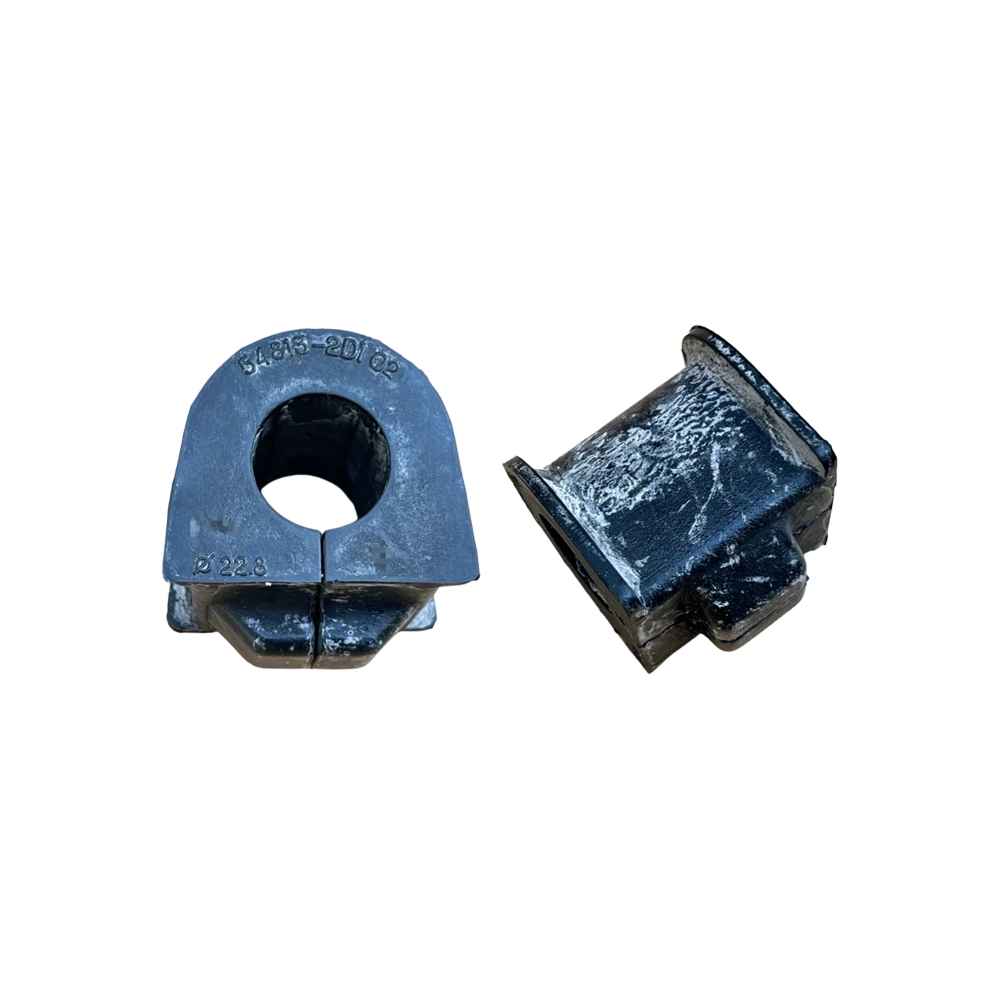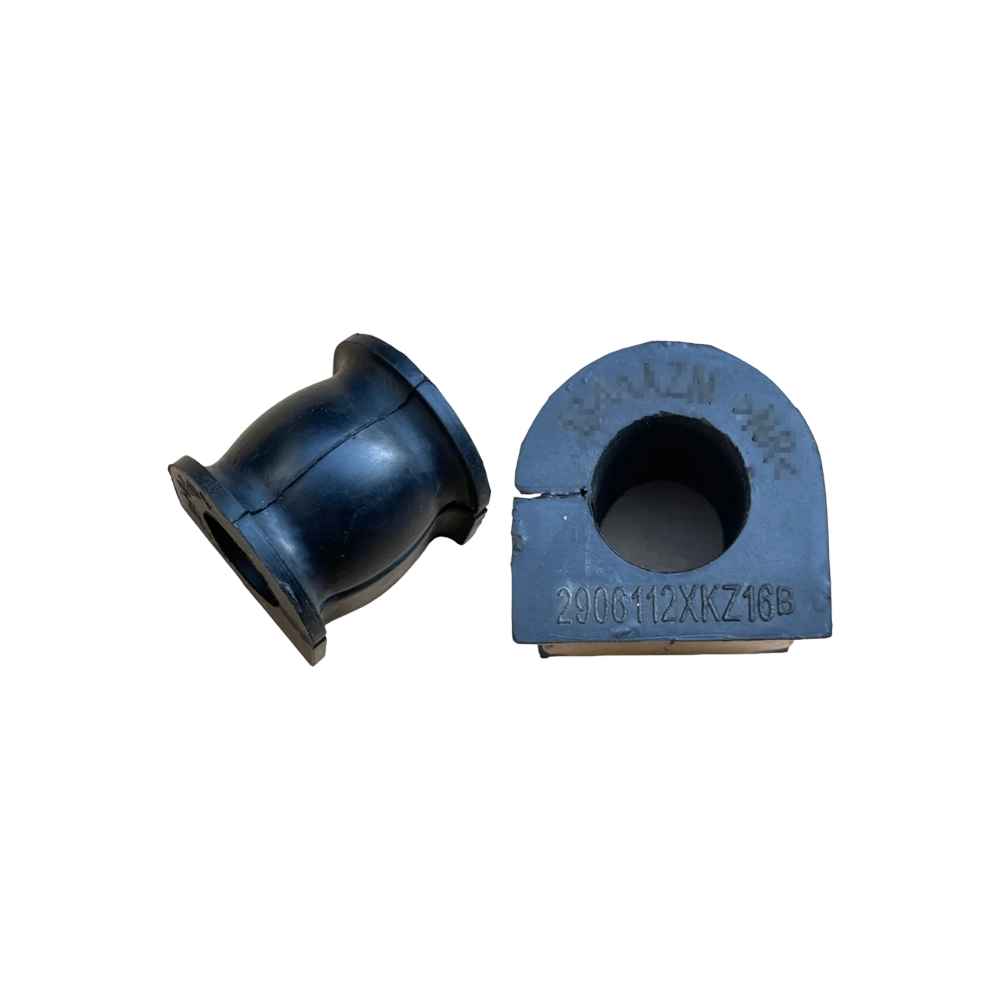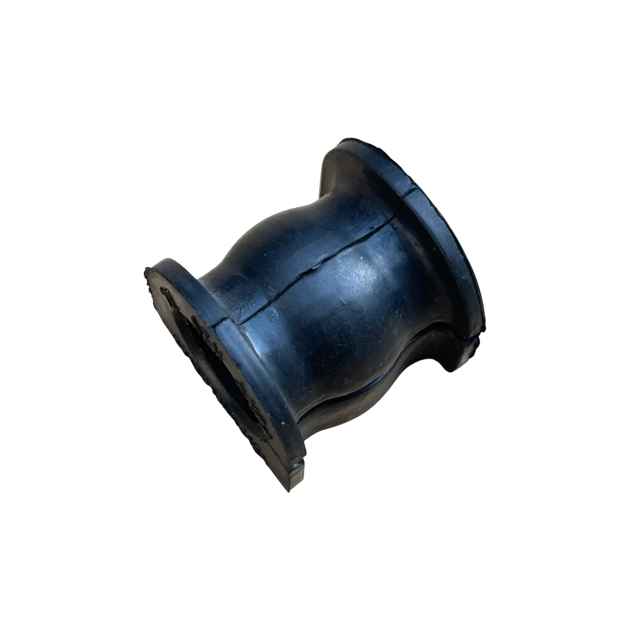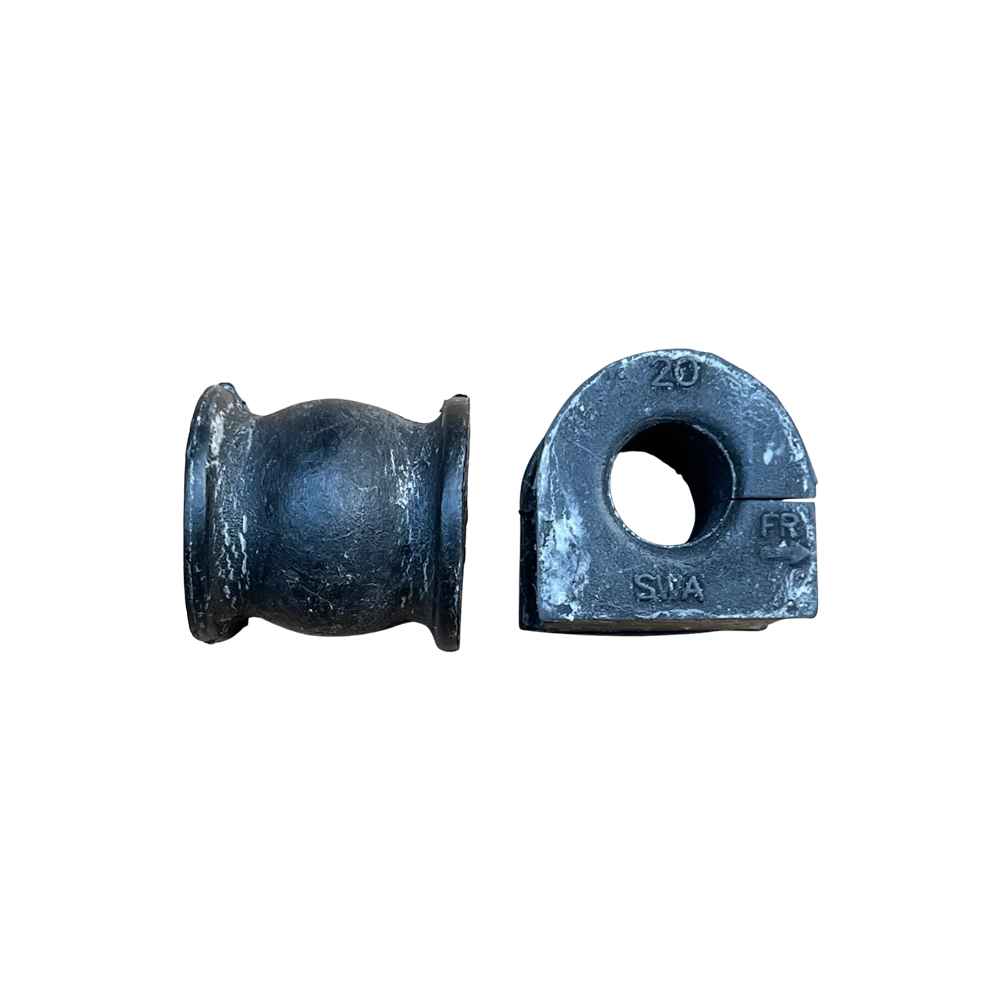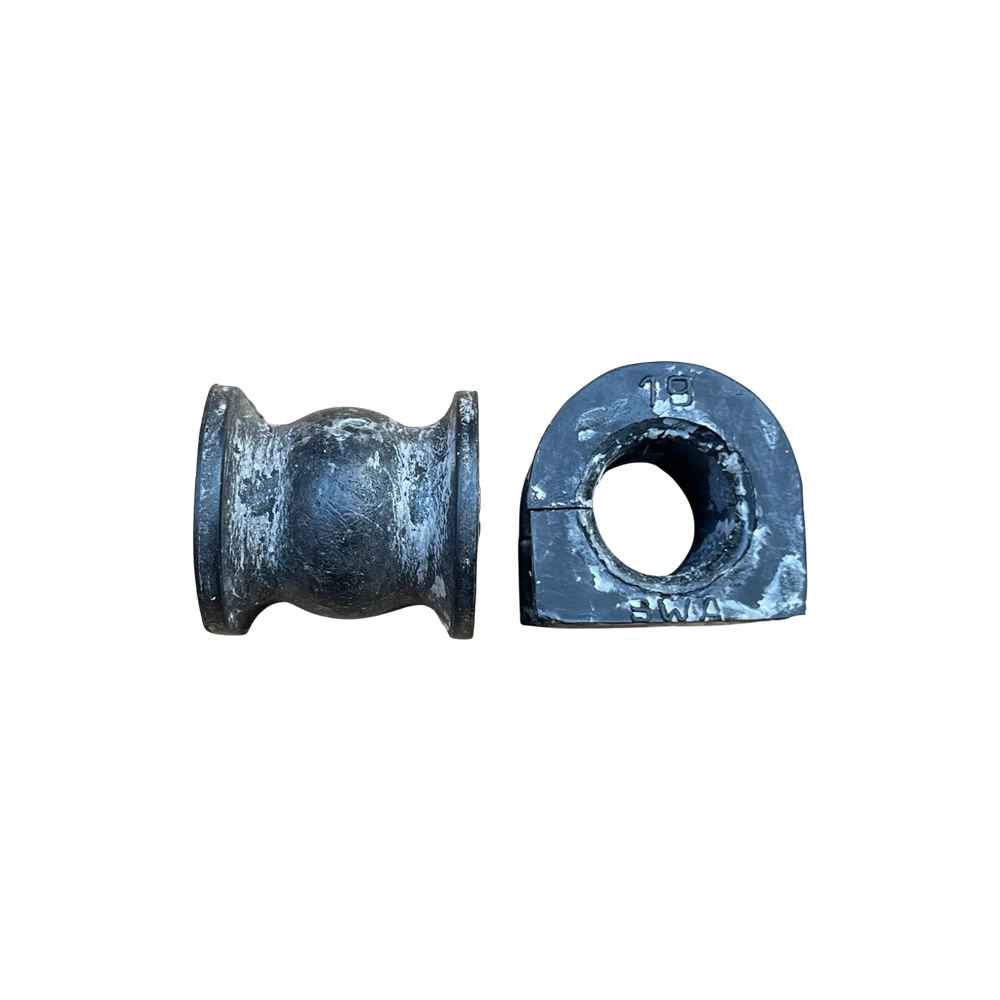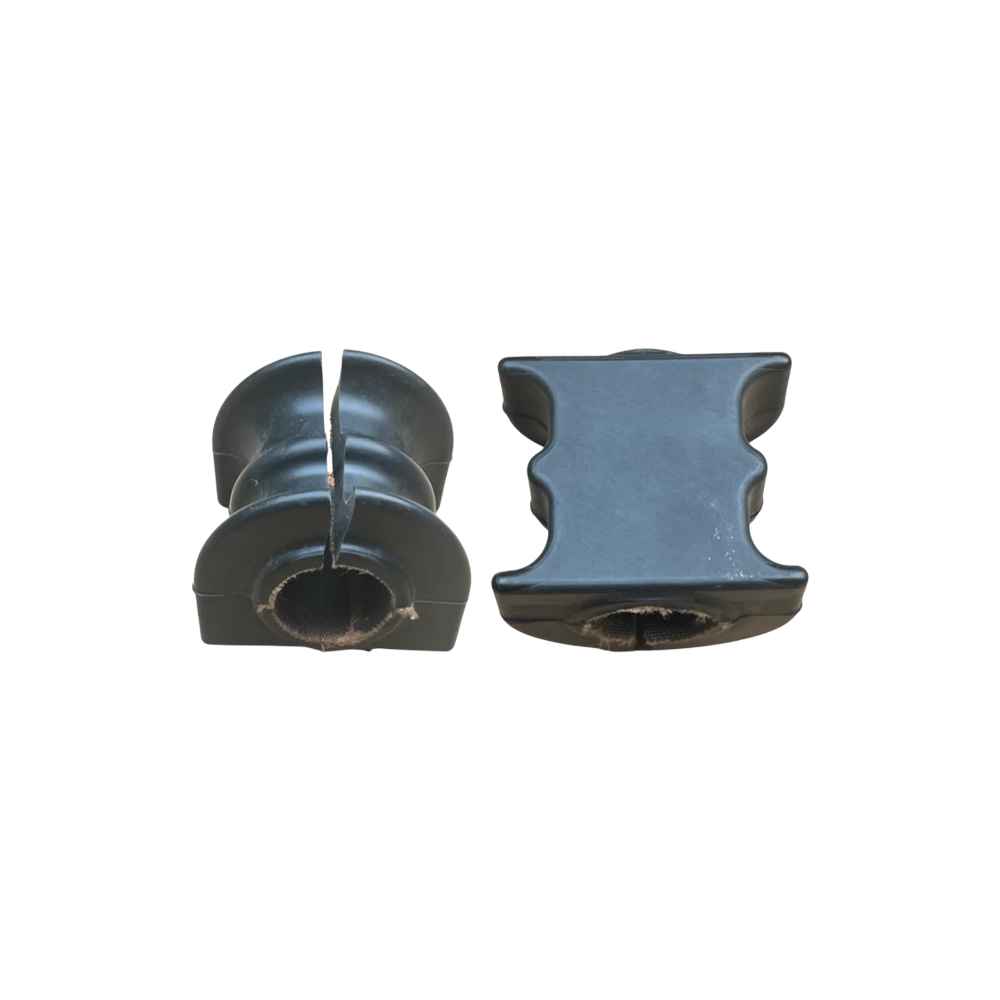
Understanding Anti-roll Bar Bushings
Anti-roll bar bushings are essential components in a vehicle's suspension system. These small yet crucial parts contribute to handling stability by minimizing body roll during turns. But what really matters? The materials and durability of these bushings can make a huge difference.
Materials Used
- Rubber: Traditional but effective. Rubber offers decent vibration damping and is generally cost-effective.
- Polyurethane: A modern alternative. It’s stiffer, providing better handling and less body roll but may increase NVH (Noise, Vibration, Harshness).
- Metal: Rarely used alone. Metal bushings offer little dampening but are sometimes combined with rubber or polyurethane for enhanced strength.
Durability Factors
It's not just about how they feel on the road. Durability plays a vital role in performance. Take, for instance, a vehicle fitted with Guanghua polyurethane bushings. Customers reported a significant improvement in lifespan compared to standard rubber options. Why? Polyurethane resists wear from environmental factors like moisture and temperature changes.
Testing Durability
An example: Test two vehicles under identical conditions. One equipped with rubber bushings, the other with polyurethane. After 50,000 miles, the rubber bushings showed signs of cracking and fatigue. Meanwhile, the polyurethane ones remained largely intact. Interesting, right?
NVH Reduction Techniques
Minimizing NVH is crucial for driver comfort and vehicle longevity. How do anti-roll bar bushings affect this? The answer lies in their material composition and design. Higher-quality bushings absorb more vibrations, leading to a smoother ride.
Evaluating Options
- Soft Bushings: Better at NVH reduction but may compromise handling.
- Stiff Bushings: Enhance handling but often introduce increased NVH levels.
Wholesale Pricing Insights
When it comes to wholesale pricing, there's a vast range based on materials and durability. Generally, you might find rubber bushings priced between $5 to $15 each, while high-quality polyurethane bushings could range from $20 to $50. Surprising? Maybe, but quality often dictates price.
Bulk Purchasing Benefits
If you’re considering stocking up on bushings for your shop, buying in bulk can save you money. For example, purchasing 100 units of a popular brand like Guanghua could reduce the price per unit significantly—perhaps even 30% lower than retail.
Real-World Application
Imagine a scenario where a fleet of delivery vans experiences excessive body roll, causing operational challenges. By switching to premium polyurethane anti-roll bar bushings, the company noted a decrease in maintenance costs and an uptick in customer satisfaction due to smoother rides. Who knew small parts could have such a big impact?
Choosing the Right Bushing
Ultimately, the choice between rubber and polyurethane bushings hinges on your specific needs. Do you prioritize comfort over handling? Or are you seeking the best performance on tight curves? Remember, it’s not just about aesthetics; it’s about functionality and long-term investment.
Conclusion
In summary, navigating the world of anti-roll bar bushings involves understanding the materials, their durability, and pricing strategies. Whether you opt for budget-friendly rubber or high-performance polyurethane, each choice comes with its pros and cons.