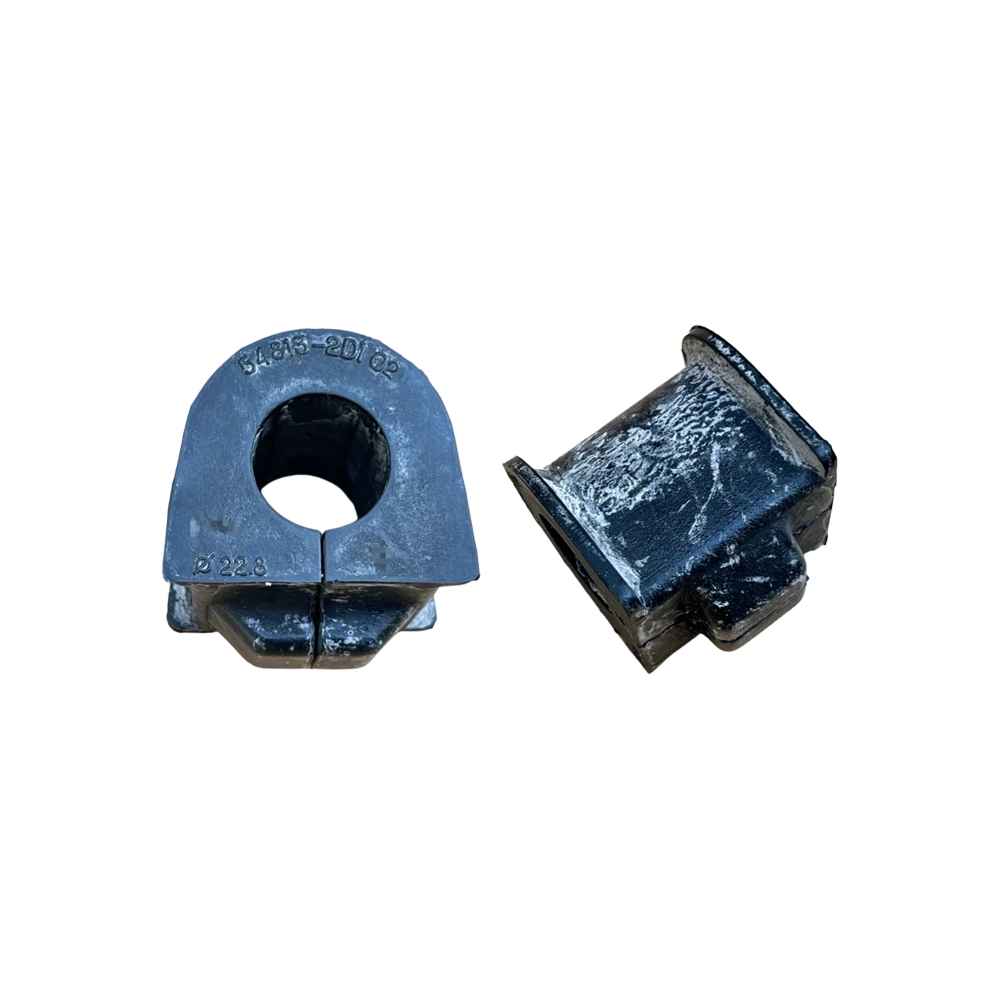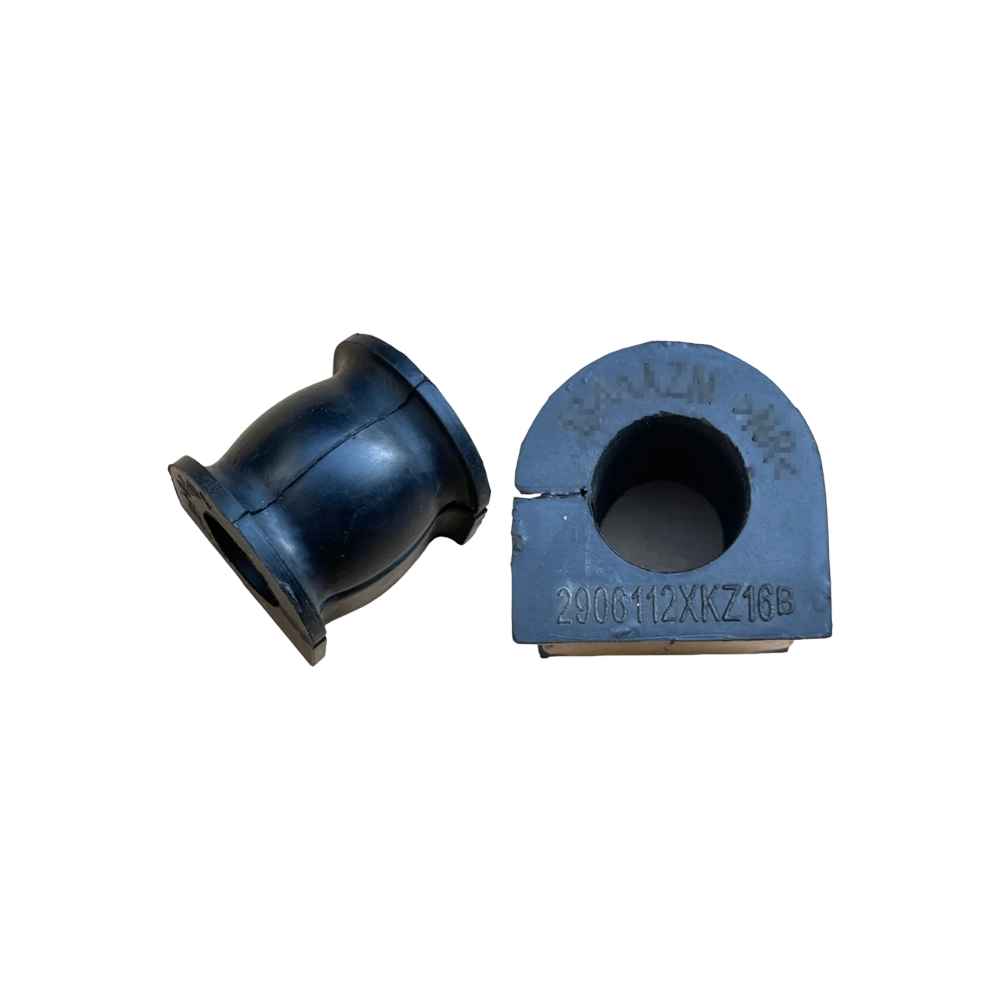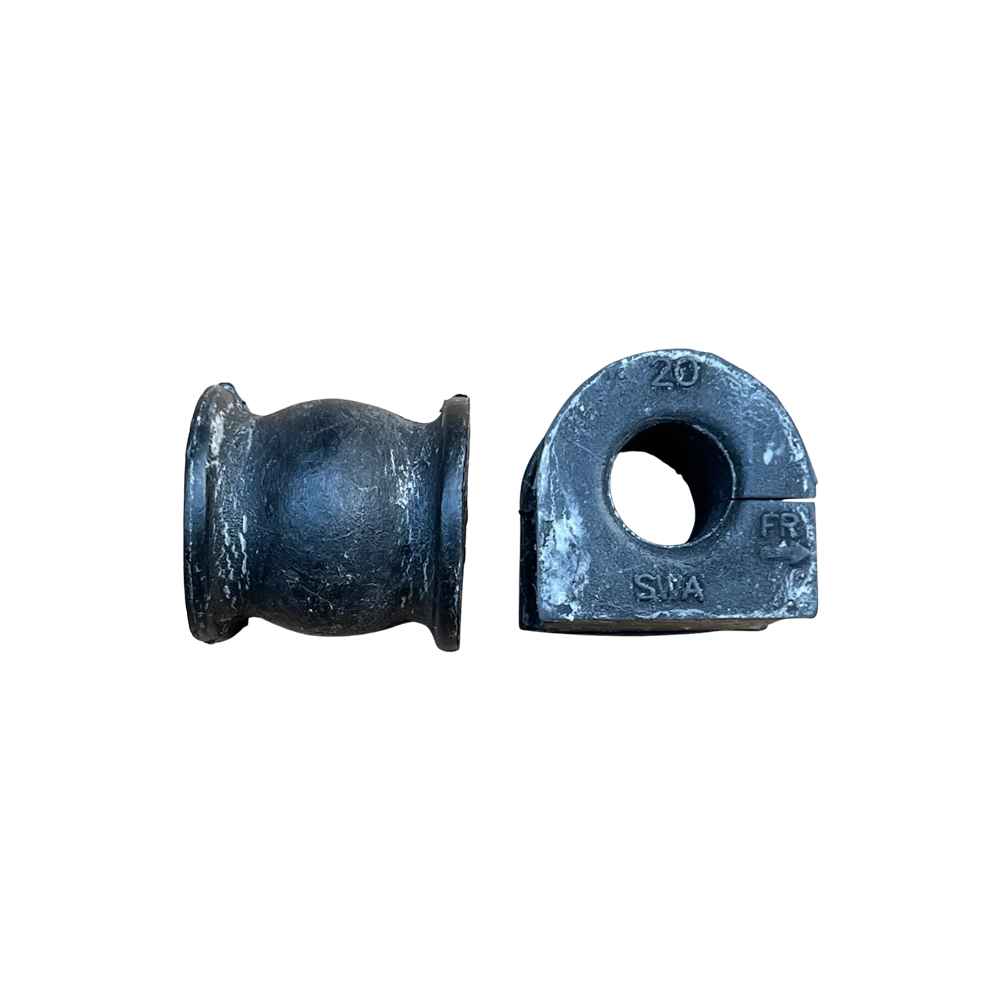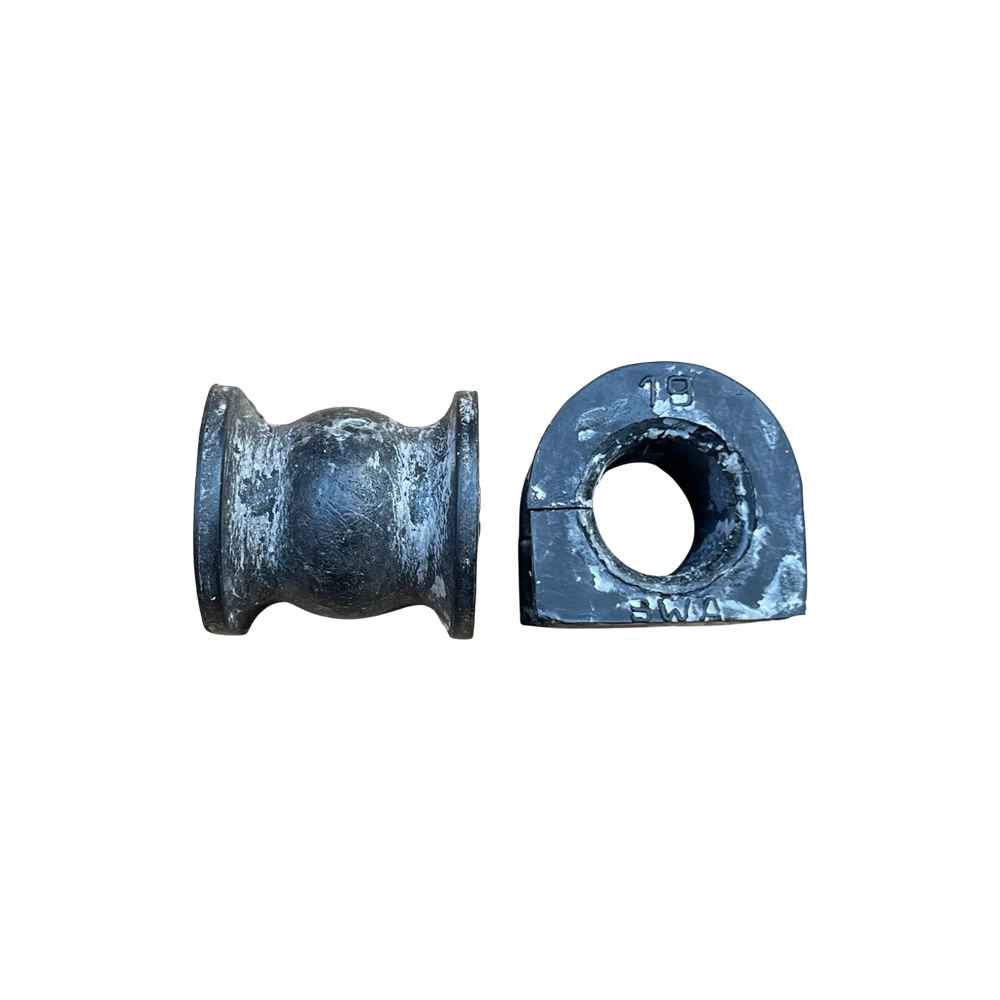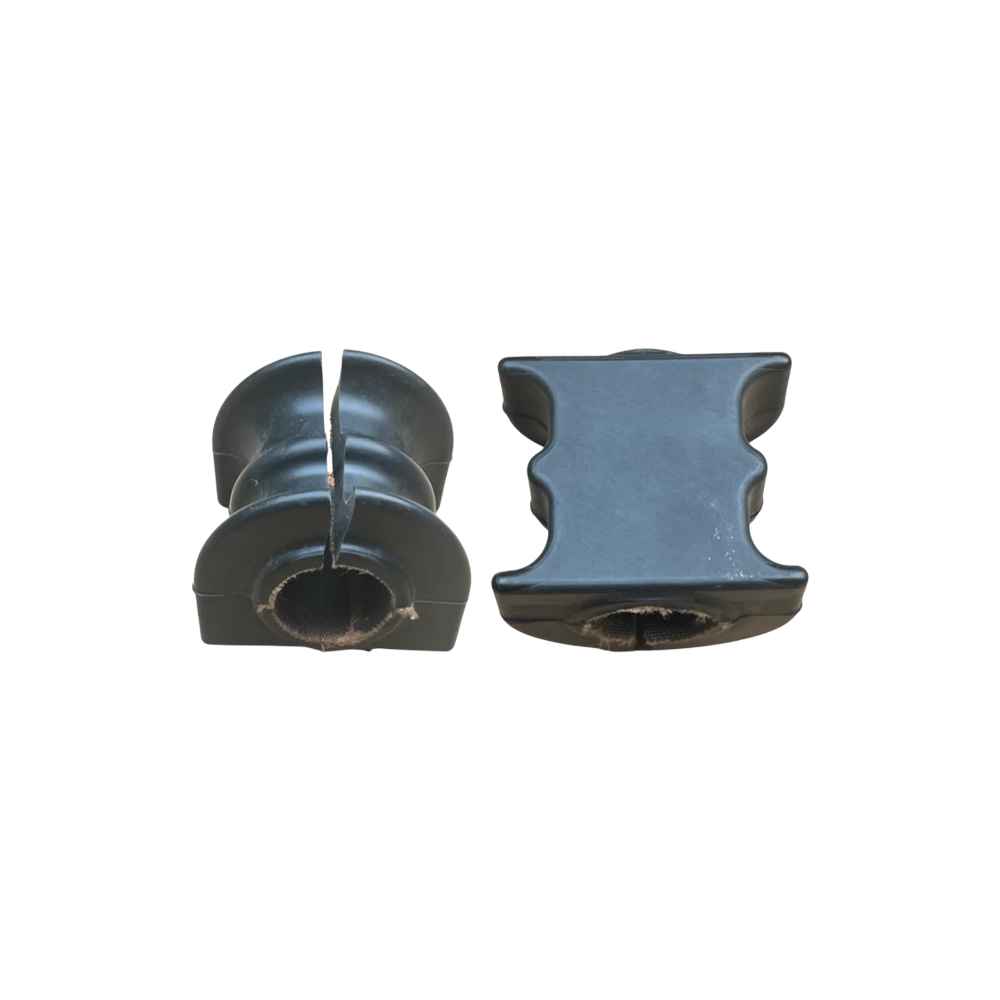
Understanding Constant Velocity Bellows
Constant velocity bellows, commonly referred to as CV Joint Boots , are critical components in the automotive industry, providing protection for the constant velocity (CV) joints. These joints facilitate smooth power transfer from the engine to the wheels while allowing for suspension movement and steering. The effectiveness of a CV boot lies not only in its design but also in the materials used in its construction.
Materials Used in CV Joint Boots
The majority of CV Joint Boots are made from rubber or thermoplastic elastomers (TPE). Rubber offers excellent flexibility and resistance to oil and grease, which are common in automotive environments. TPE, on the other hand, presents a lighter alternative with similar mechanical properties and better resistance to environmental factors such as UV rays and ozone.
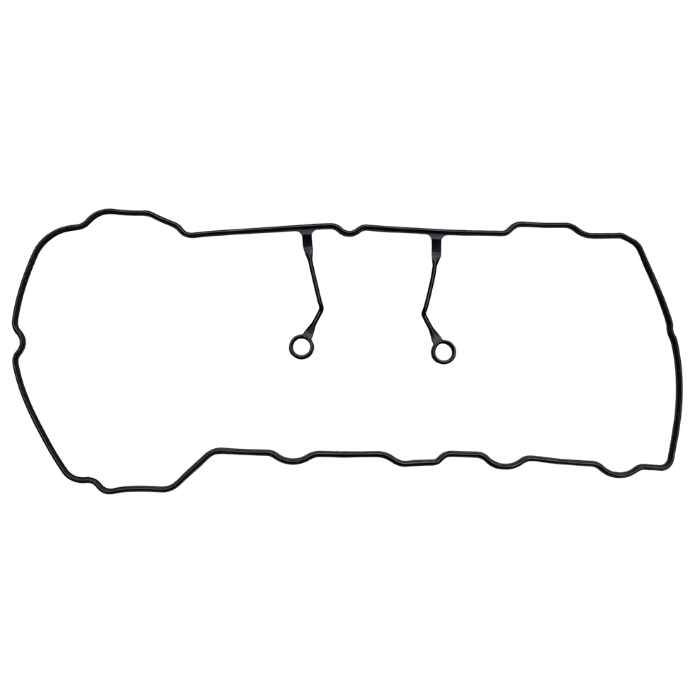
Durability Considerations
Durability is paramount when it comes to CV joint boots, as they often endure extreme conditions, including temperature fluctuations and exposure to various chemicals. A high-quality CV boot can last for several years if properly maintained, reducing the risk of damage to the CV joint itself. Regular inspections can help identify early signs of wear, such as cracking or tears, which may compromise their functionality.
Rack and Pinion Boots: An Overview
Rack and pinion boots serve a different purpose, primarily protecting the steering rack and pinion gears from dirt, debris, and moisture. Just like CV boots, these are essential for ensuring the longevity and proper functioning of the steering system.
Material Composition of Rack and Pinion Boots
Typically, rack and pinion boots are manufactured using similar materials to CV boots—high-grade rubber or TPE. The choice of material affects not only durability but also performance under various driving conditions. For instance, higher quality rubber formulations tend to be more resistant to abrasion and punctures, enhancing overall lifespan.
Factors Affecting Durability
Similar to CV joint boots, the durability of rack and pinion boots can be influenced by environmental conditions and maintenance practices. Exposure to extreme temperatures, road salt, and other contaminants can shorten their lifespan. Routine checks should be conducted to ensure that there are no rips or tears, which could expose the steering mechanism to harmful elements.
Comparative Analysis: CV Joint Boots vs. Rack and Pinion Boots
While both types of boots serve protective purposes, their specific functionalities differ significantly. CV joint boots focus on shielding the CV joint, which is crucial for the vehicle's driveability, whereas rack and pinion boots protect steering components. As a result, the choice of materials, thickness, and design may vary based on their intended usage.
Performance Metrics
- Flexibility: Both CV joint and rack and pinion boots require flexibility to accommodate movement; however, CV boots must allow for greater angular displacement.
- Resistance: CV boots generally need to withstand more aggressive contaminants compared to rack and pinion boots, given their proximity to engine components.
- Installation Ease: Proper installation is crucial for both types, but CV boots often require more precise fitting due to their role in maintaining joint integrity.
Wholesale Pricing Insights
When considering wholesale pricing for CV joint boots and rack and pinion boots, various factors come into play, such as material costs, manufacturing processes, and brand reputation. For instance, brands like Guanghua are known for offering competitive prices without compromising on quality. Purchasing in bulk can also lead to significant cost savings, making it an attractive option for auto shops and retailers.
Cost Comparison
On average, the wholesale price for CV boots can range from $5 to $20 per unit, depending on the quality of materials and brand. Conversely, rack and pinion boots might fall within a similar price range but can be influenced by their design complexity and added features, such as enhanced sealing capabilities. It’s essential for wholesalers to consider the long-term value offered by higher-quality products, as they often result in fewer replacements and associated labor costs.
Market Trends and Future Outlook
The market for automotive boots has been evolving, with increasing emphasis on sustainability and eco-friendly materials. Manufacturers are exploring alternatives such as biodegradable plastics to meet growing consumer demand for environmentally responsible products. Additionally, advancements in polymer chemistry continue to improve the performance characteristics of both CV joint and rack and pinion boots, leading to longer service life and better overall vehicle safety.
Conclusion
In summary, understanding the distinctions between constant velocity bellows and rack and pinion boots is vital for anyone involved in automotive maintenance or wholesale distribution. By focusing on materials, durability, and pricing insights, industry professionals can make informed decisions that ultimately enhance vehicle performance and customer satisfaction.