Understanding Custom Rubber O-Rings
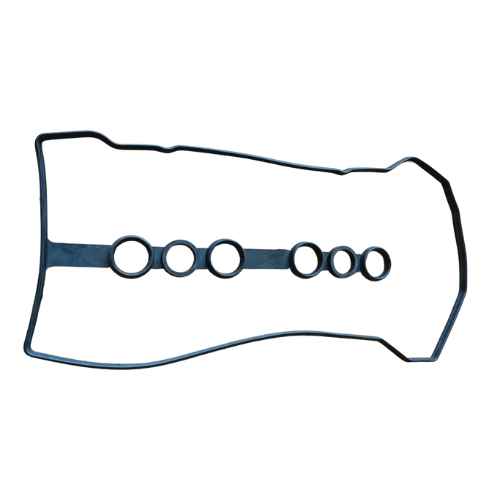
Custom rubber O-rings are versatile components used across various industries, particularly in sealing applications. These rings are crucial in preventing leaks and maintaining pressure in systems ranging from automotive to aerospace.
The materials chosen for O-rings can significantly influence their performance. Common materials include nitrile, silicone, and fluorocarbon, each offering unique properties suitable for different environments.
Material Insights
- Nitrile: This is the most commonly used material due to its excellent resistance to oil and fuel, making it ideal for automotive applications.
- Silicone: Known for its high-temperature resistance, silicone O-rings are perfect for applications where heat is a concern.
- Fluorocarbon: With outstanding chemical resistance, fluorocarbon O-rings are often found in harsh environments where exposure to aggressive fluids is prevalent.
When choosing the right material for custom O-rings, understanding the operating conditions—such as temperature ranges, pressure, and the presence of chemicals—is essential. It’s not just about getting the right size; the material's properties have to align with the application’s demands.
The Role of Stabilizer Bar Bushings
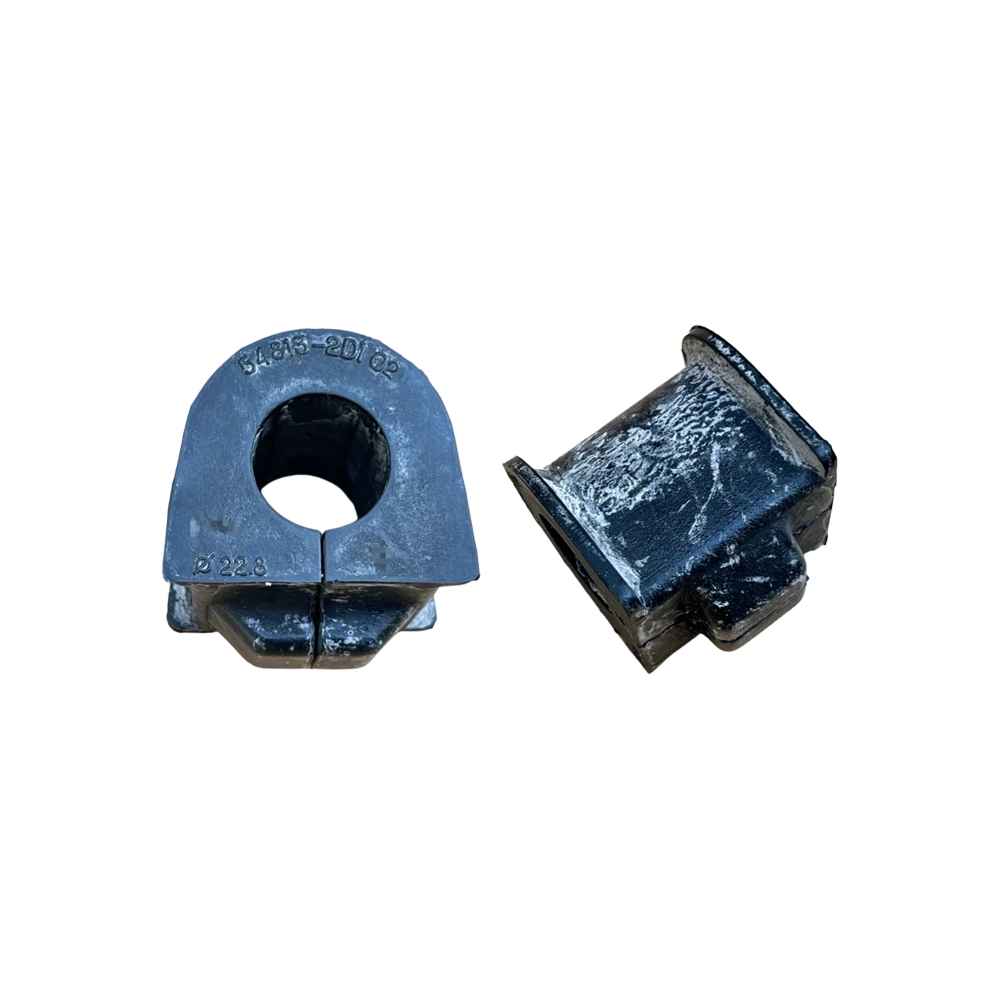
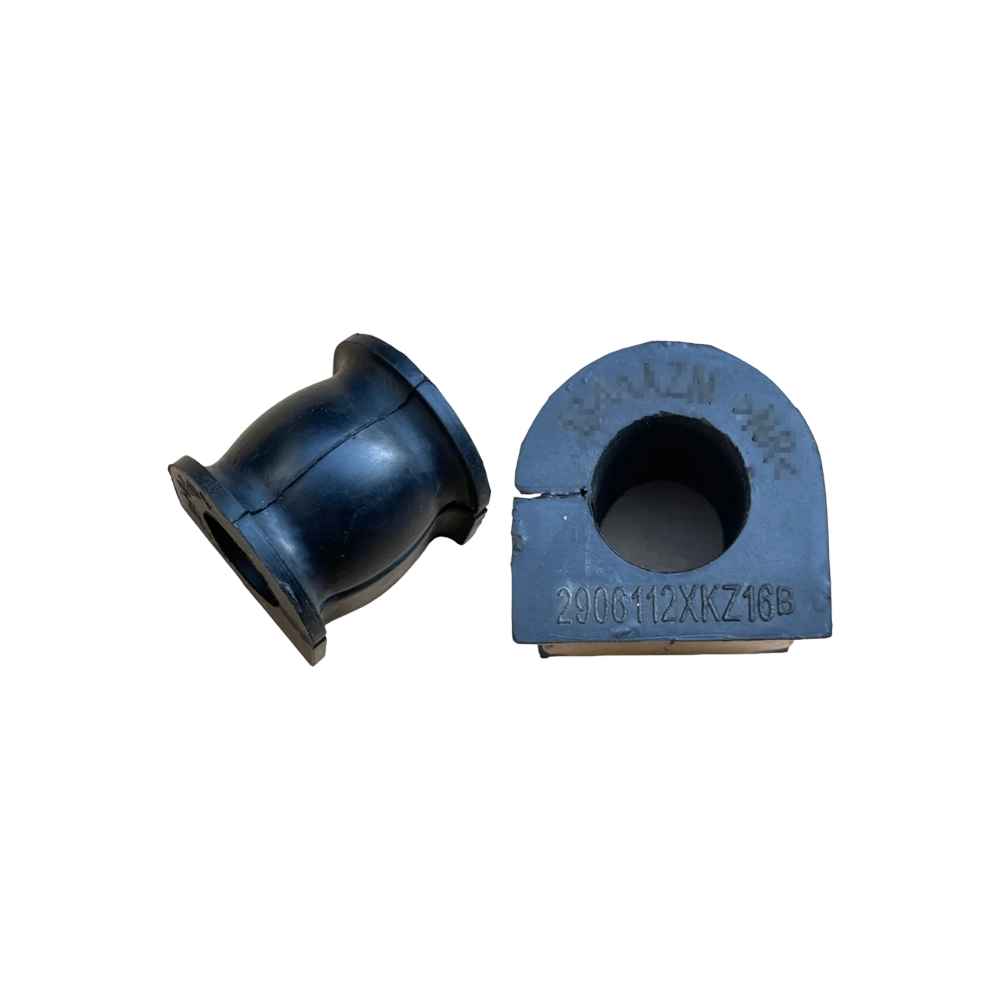
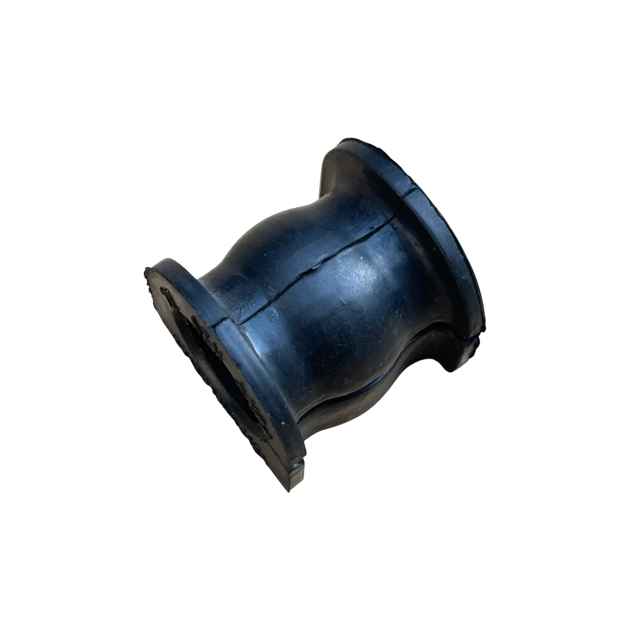
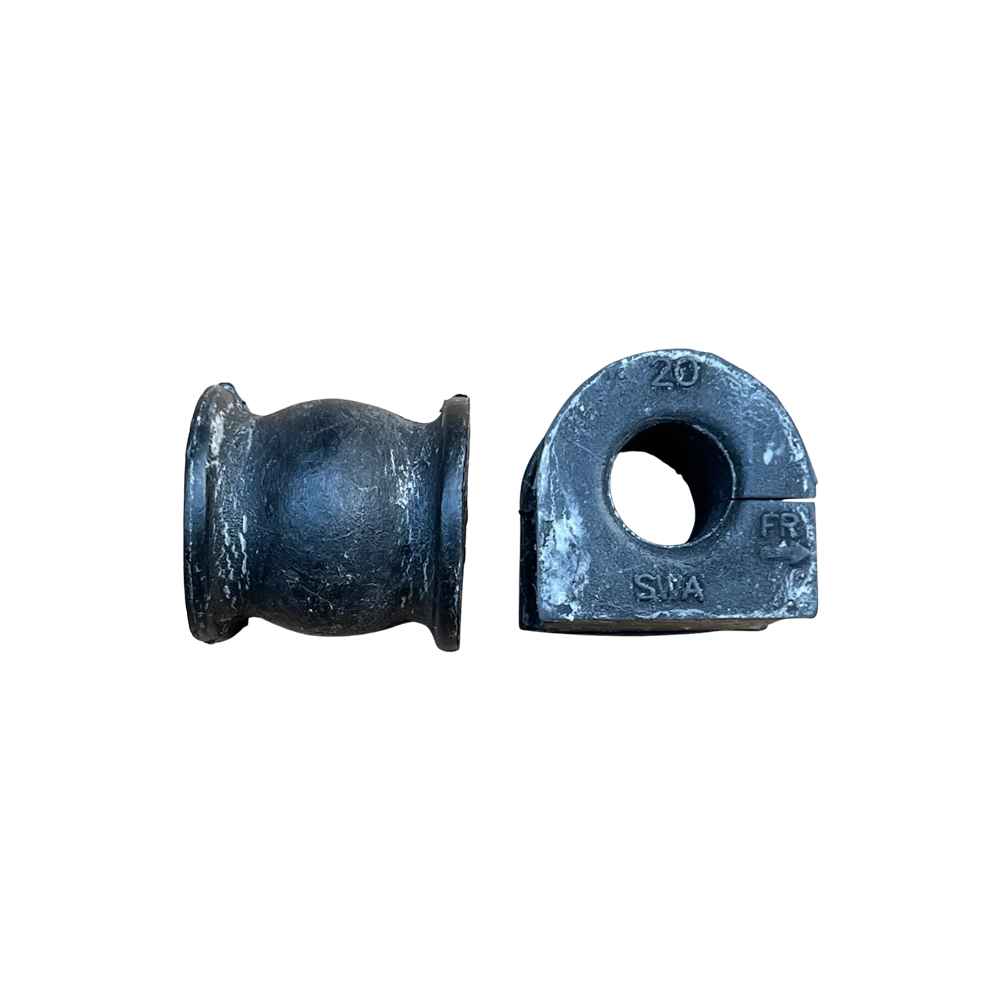
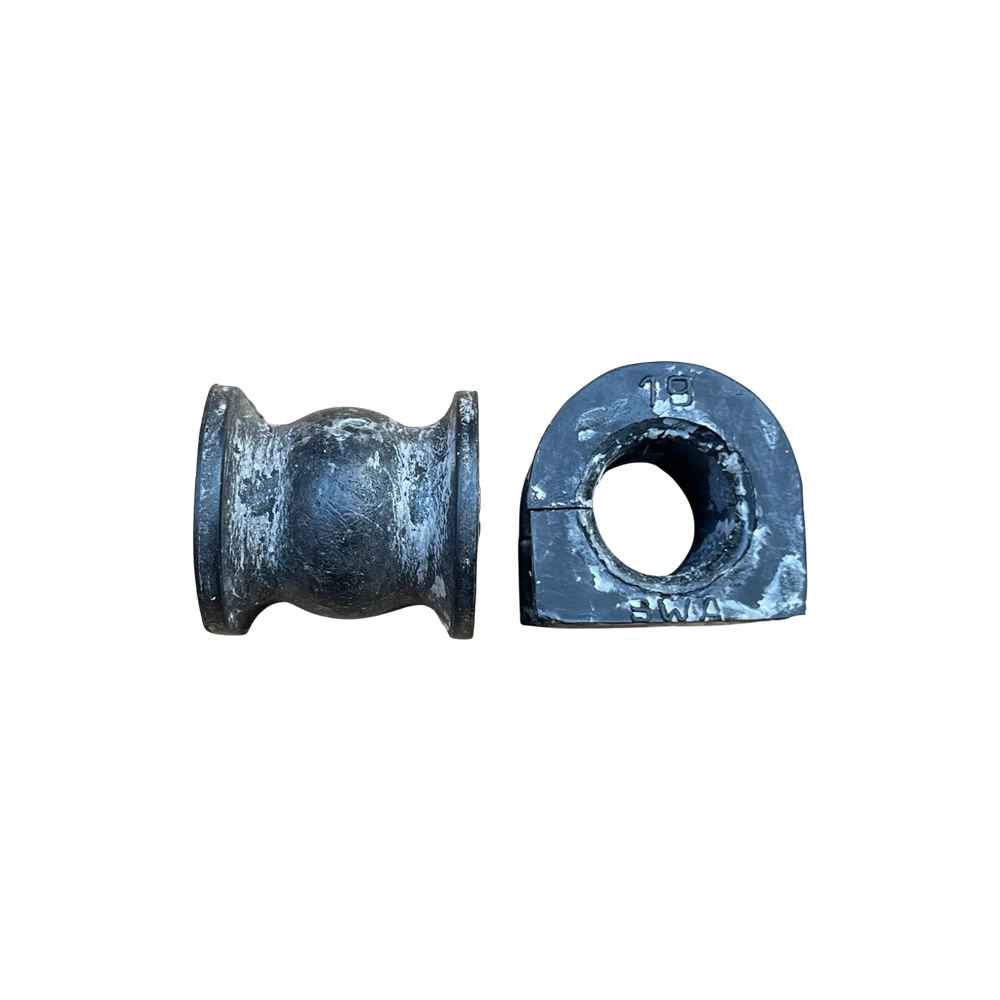
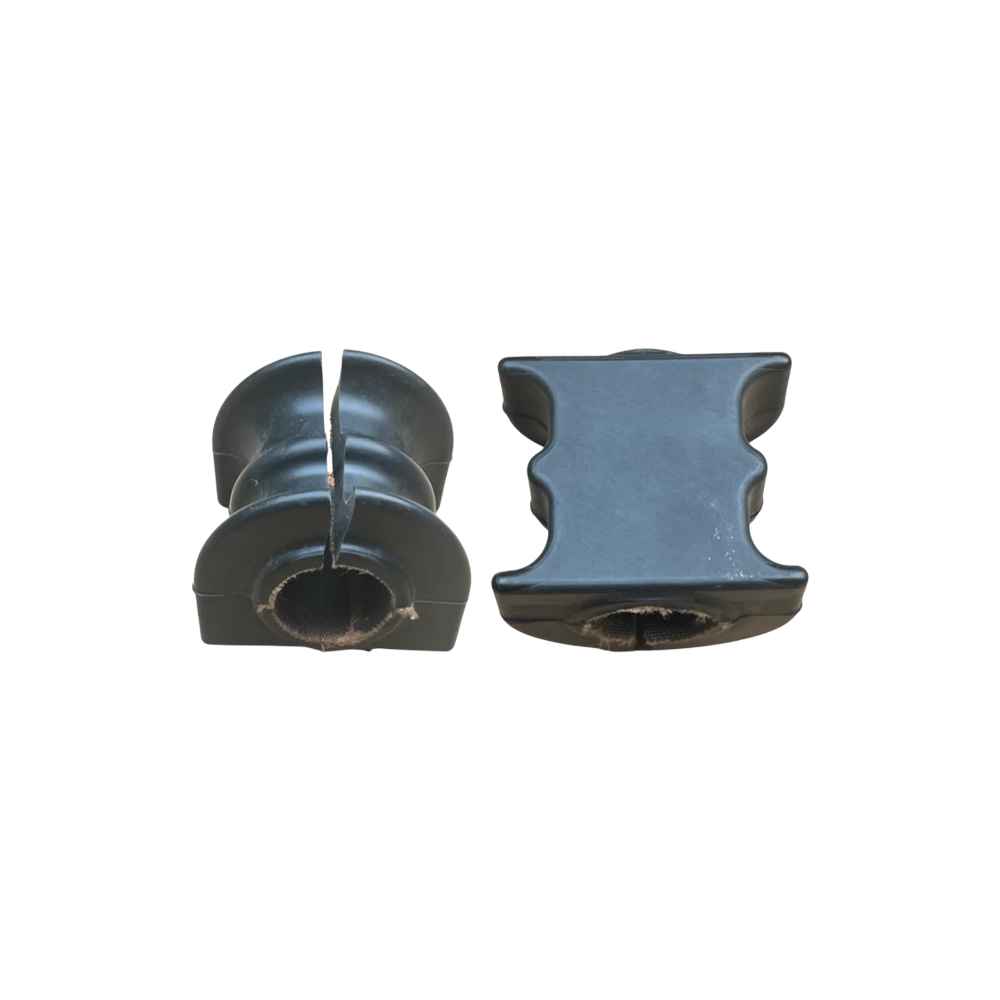
Stabilizer Bar Bushings serve as crucial components in a vehicle's suspension system. They connect the stabilizer bar to the suspension parts, minimizing the transfer of road vibrations and improving handling. When these bushings wear out, the vehicle can experience excessive sway and instability during turns.
Material Characteristics
Most Stabilizer Bar Bushings are made from rubber or polyurethane. Rubber bushings offer a good balance between cost and performance but may wear out faster than their polyurethane counterparts.
- Rubber Bushings: Cost-effective and effective at isolating noise and vibrations.
- Polyurethane Bushings: More durable than rubber, providing enhanced performance and longevity but at a higher price point.
In practice, switching to polyurethane bushings can yield improved steering response and overall handling. However, it's important to consider the trade-offs regarding ride comfort and noise levels.
Cost Comparison: O-Rings vs. Bushings
When evaluating costs, both custom O-rings and stabilizer bar bushings show a range of prices depending on materials and manufacturing processes.
Custom rubber O-rings typically range from $0.10 to several dollars each, influenced by factors like size, material, and complexity of design. For instance, a standard nitrile O-ring might be much cheaper compared to a specialized fluorocarbon O-ring designed for extreme conditions.
On the other hand, stabilizer bar bushings generally fall within the range of $5 to $50 per set, again depending on material and brand. Brands like Guanghua have gained a reputation for producing reliable and cost-effective bushing solutions that cater to both budget-conscious and performance-oriented customers.
Factors Influencing Prices
- Material Type: As discussed, premium materials can drive up costs.
- Manufacturing Process: Custom designs and precision requirements can add to the final price.
- Volume Discounts: Ordering in bulk often leads to reduced costs per unit.
Ultimately, the choice between investing in custom O-rings versus stabilizer bar bushings boils down to analyzing specific application needs, budget constraints, and performance expectations.
Conclusion
In the end, whether you're looking for custom rubber O-rings or stabilizer bar bushings, understanding the materials, costs, and how they impact performance can help you make informed decisions. Investing in quality components can lead to enhanced durability and efficiency in your applications. Always consult with industry experts or refer to detailed specifications to ensure optimal compatibility and performance.