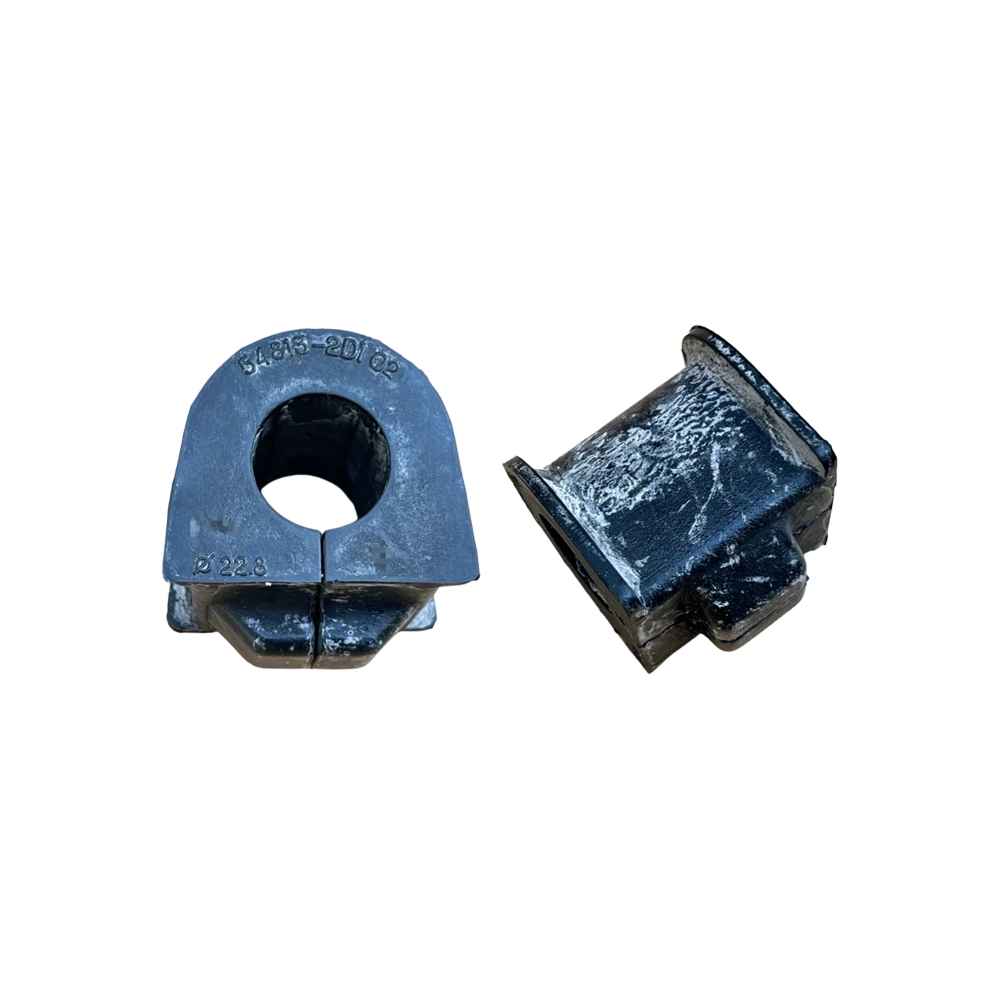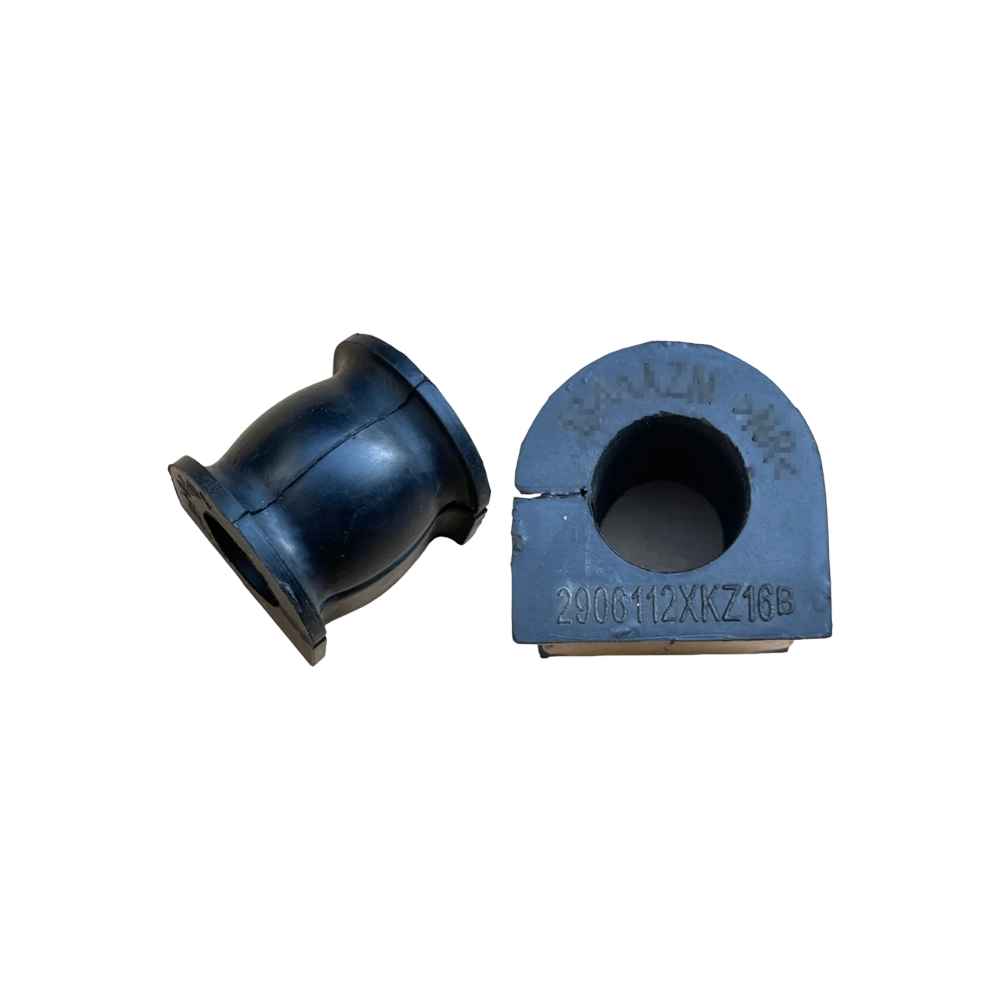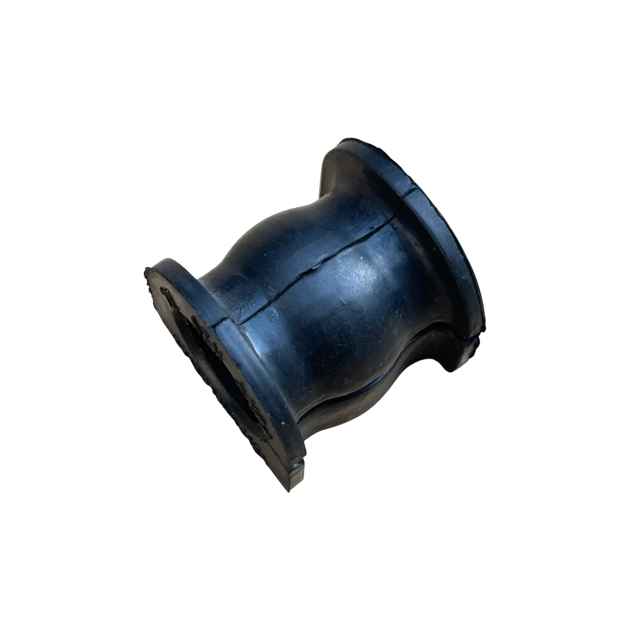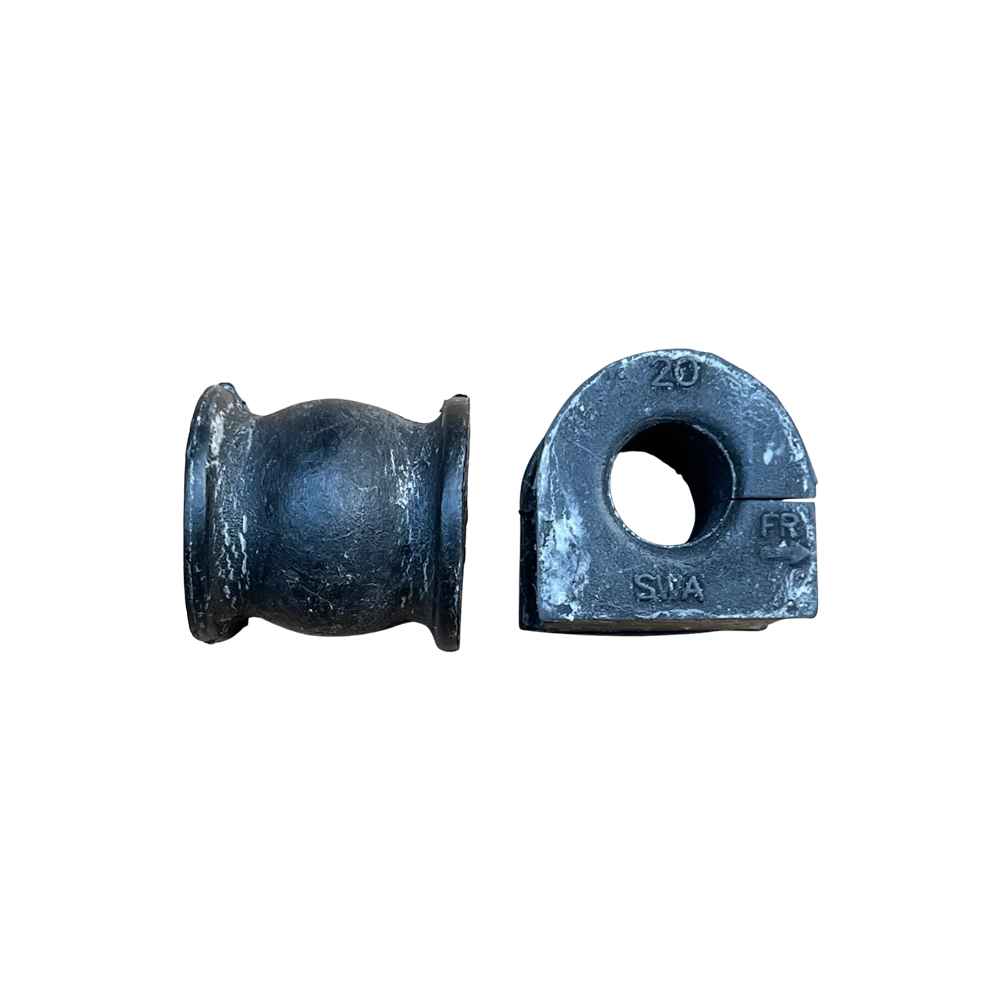
Understanding CV Axle Boots
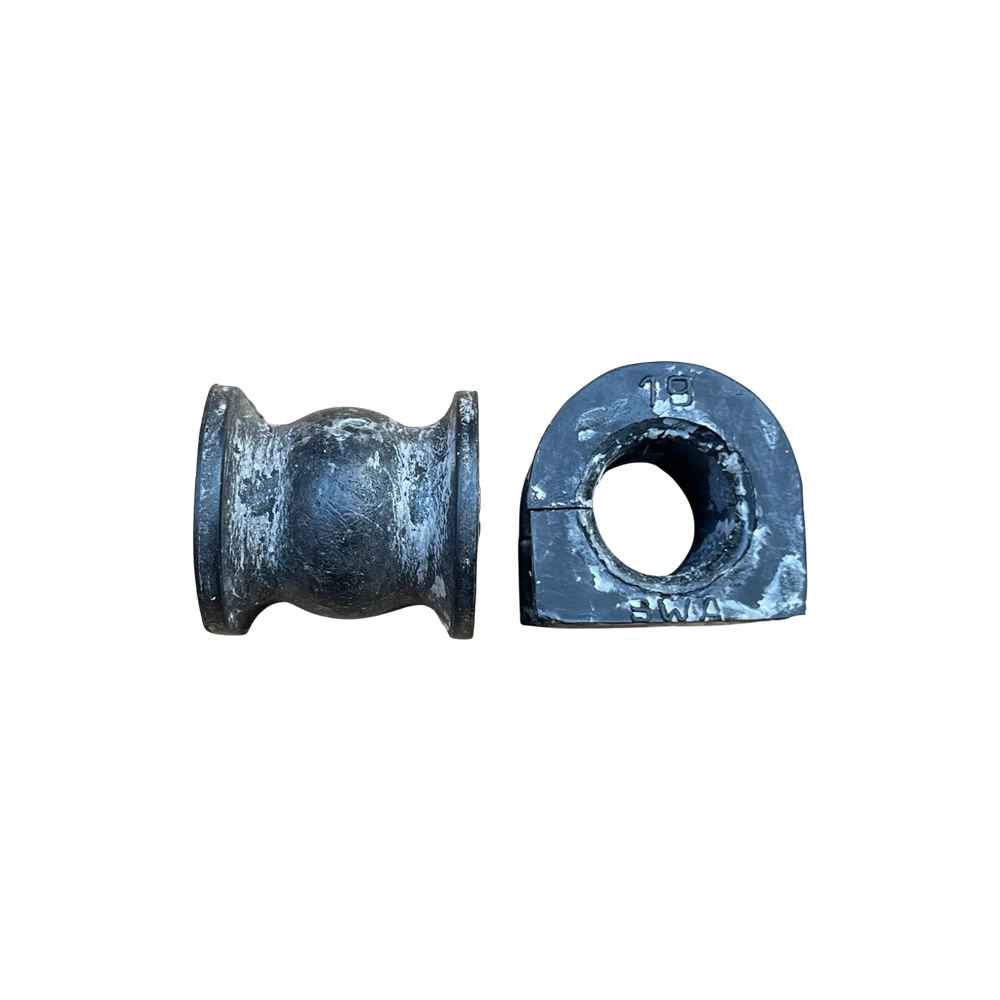
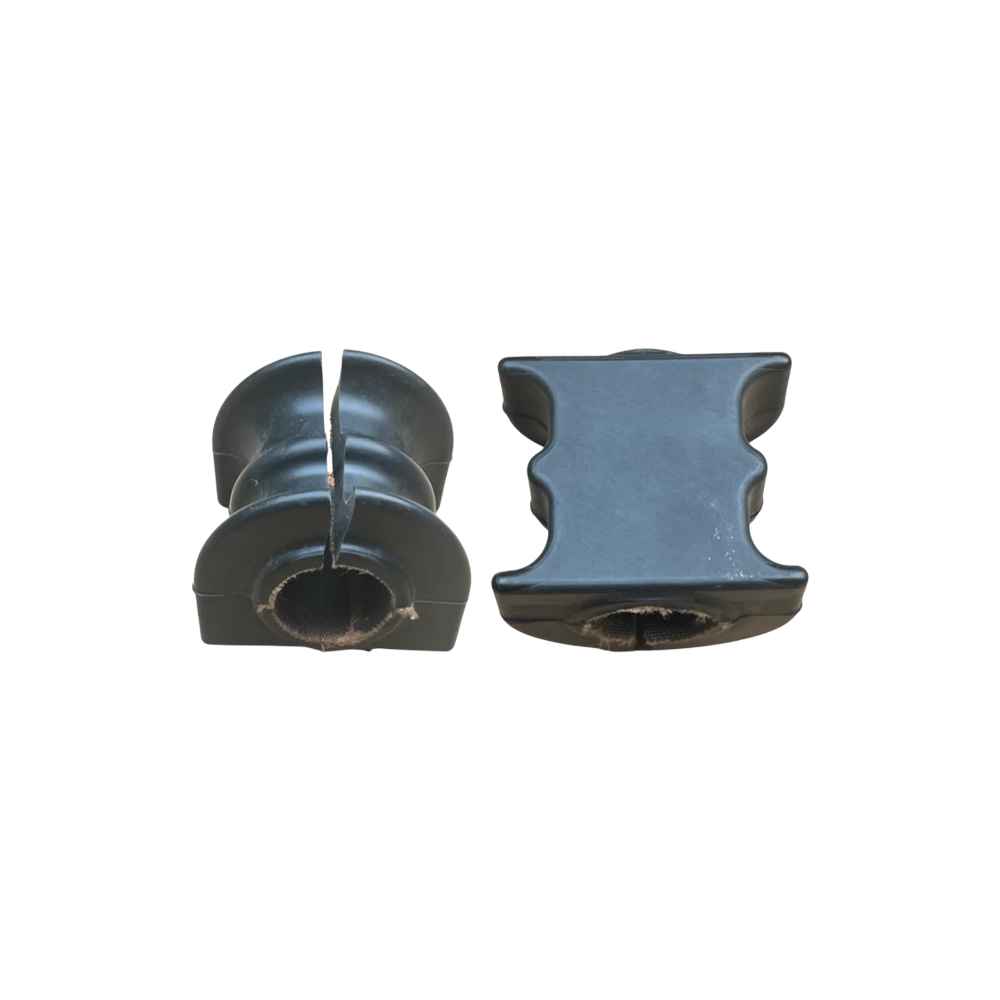
When discussing the components that ensure your vehicle's smooth operation, CV axle boots are often overlooked. These protective covers play a crucial role in safeguarding the CV joints from dirt and moisture, which can significantly affect their lifespan. The choice of materials used in these boots can make a world of difference, not only in terms of durability but also regarding overall performance.
Materials Used in CV Axle Boots
CV axle boots can be made from various materials, each offering distinct advantages:
- Rubber: Traditional rubber boots provide decent flexibility and resistance to wear. However, they can degrade over time when exposed to harsh environmental conditions.
- Synthetic Materials: Advanced synthetic options offer superior durability and resistance to extreme temperatures and chemicals. They're becoming increasingly popular among manufacturers looking for longevity.
- Polyurethane: This is an emerging material noted for its strength and resilience. While typically more expensive, polyurethane offers excellent protection against abrasions and impacts.
Durability Factors
Durability is paramount when selecting CV axle boots. Here are some factors influencing their longevity:
- Environmental Exposure: Boots that are frequently subjected to mud, water, and road debris tend to wear out quicker. Proper seals can enhance their lifespan.
- Installation Quality: A poor installation can lead to misalignment, causing premature failure. It’s essential to follow manufacturer guidelines meticulously.
- Brand Reputation: Opting for reliable brands like Guanghua can often result in higher-quality products. Well-known brands generally have stricter quality control processes.
Comparing CV Axle Boots and Other Boot Types
While this guide focuses primarily on CV axle boots, it’s worth mentioning how they compare to other types of automotive boots, such as Steering Rack Boots and Shock Absorber Boots .
Steering Rack Boots
Steering rack boots serve a different purpose than CV axle boots. They protect the steering mechanism from contaminants and moisture. The materials used for these boots may differ based on the location within the vehicle and the expected level of exposure to elements.
Shock Absorber Boots
These boots protect shock absorbers from dirt and debris, enhancing their performance and lifespan. Like CV axle boots, shock absorber boots are also available in rubber or synthetic materials, with varying degrees of durability.
Wholesale Pricing Insights
Understanding the pricing landscape for CV axle boots can help you make informed purchasing decisions:
- Volume Discounts: Many suppliers offer discounts for bulk purchases. If you're planning to stock up, consider negotiating a better rate.
- Material Impact: Generally, synthetic and polyurethane boots come at a premium price compared to standard rubber options. However, the investment usually pays off in longevity.
- Market Trends: Keep an eye on market trends, as fluctuating raw material costs can affect prices. Being aware of these changes can help you buy at the right time.
Where to Source Quality CV Axle Boots
When sourcing CV axle boots, whether for personal use or wholesale distribution, consider reputable suppliers. Brands such as Guanghua are known for providing high-quality automotive parts. Always check if the supplier offers warranties and guarantees, which can be a good indicator of product reliability.
Final Considerations
Choosing the right CV axle boot is crucial for maintaining the health of your vehicle's drivetrain. By understanding the materials available, their durability, and the nuances between different types of automotive boots, you can make informed decisions that promote performance and longevity. Remember, investing in quality components often leads to fewer issues down the line, saving both time and money in repairs.