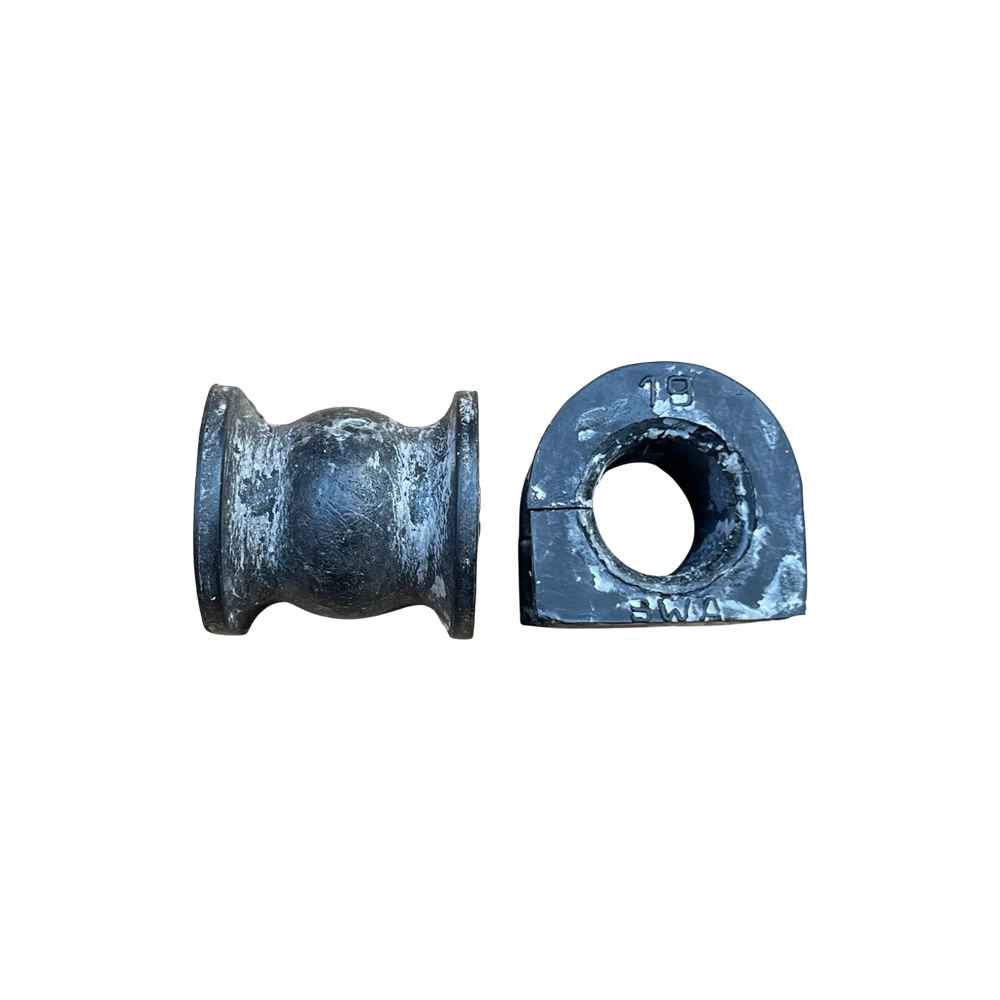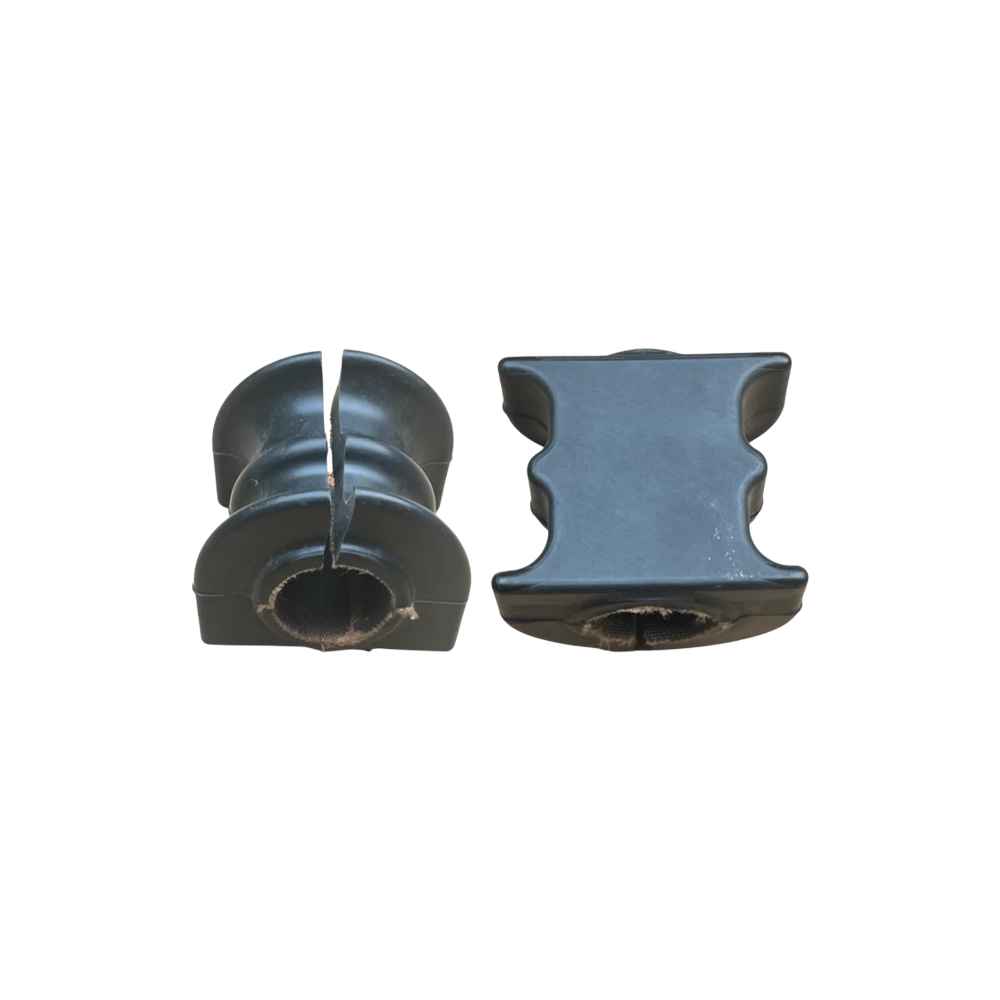
Understanding CV Joint Boots
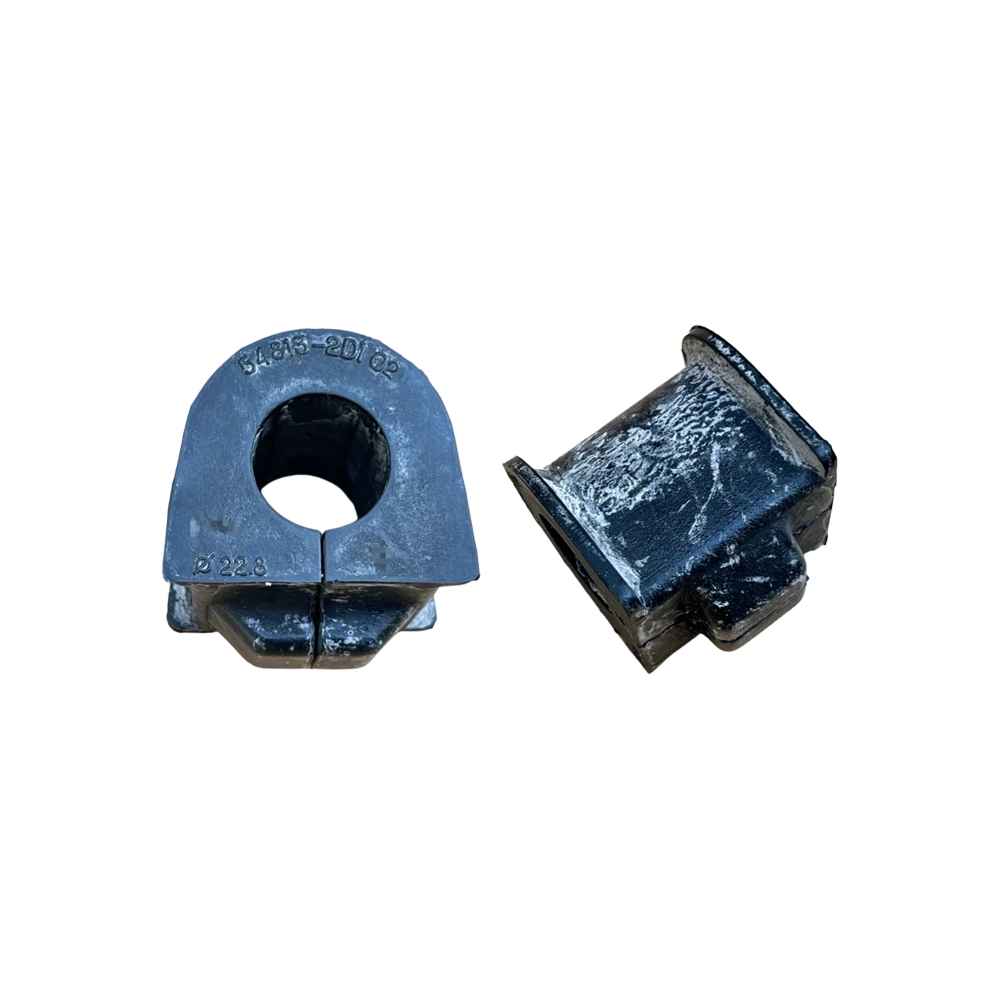
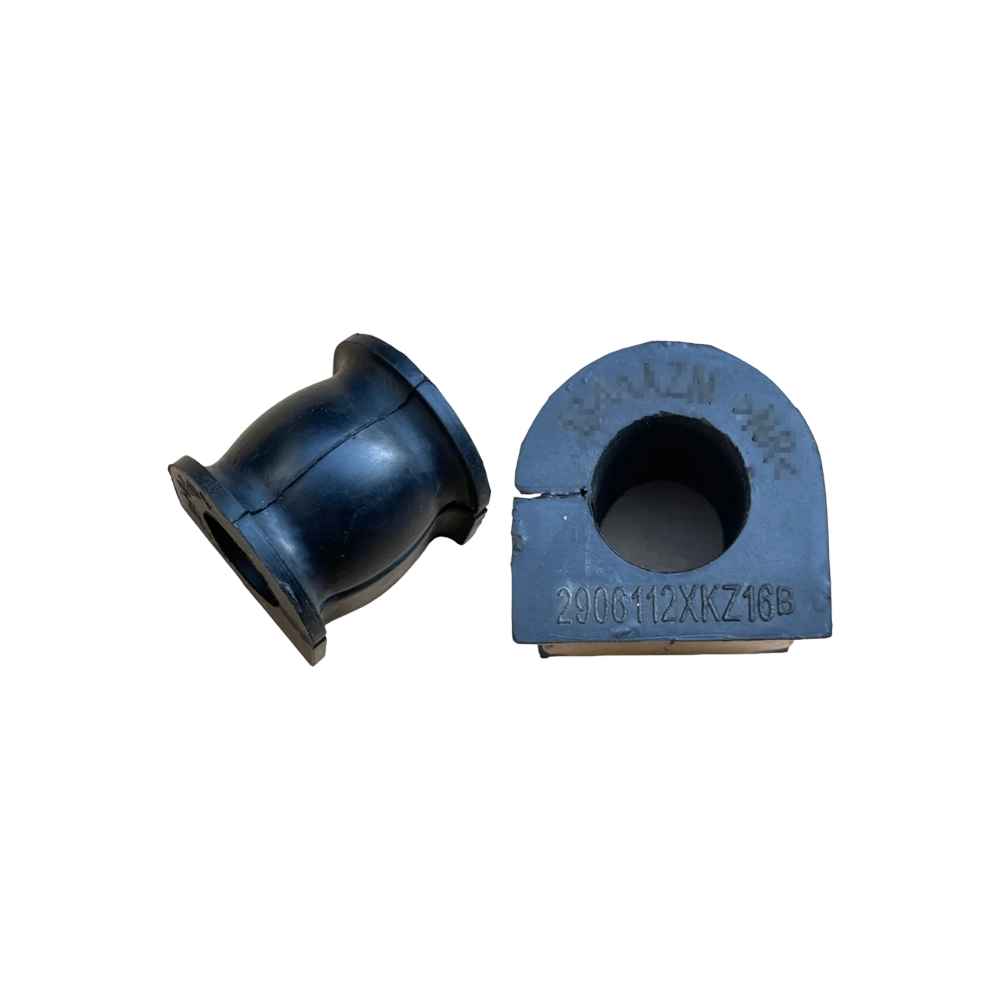
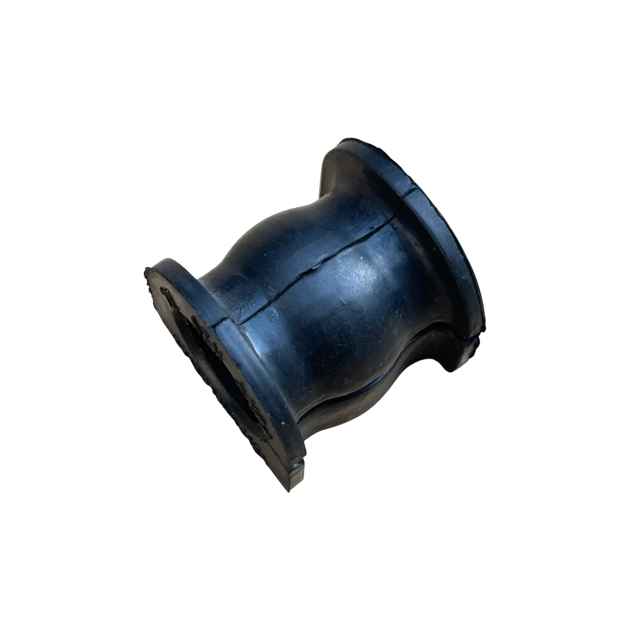
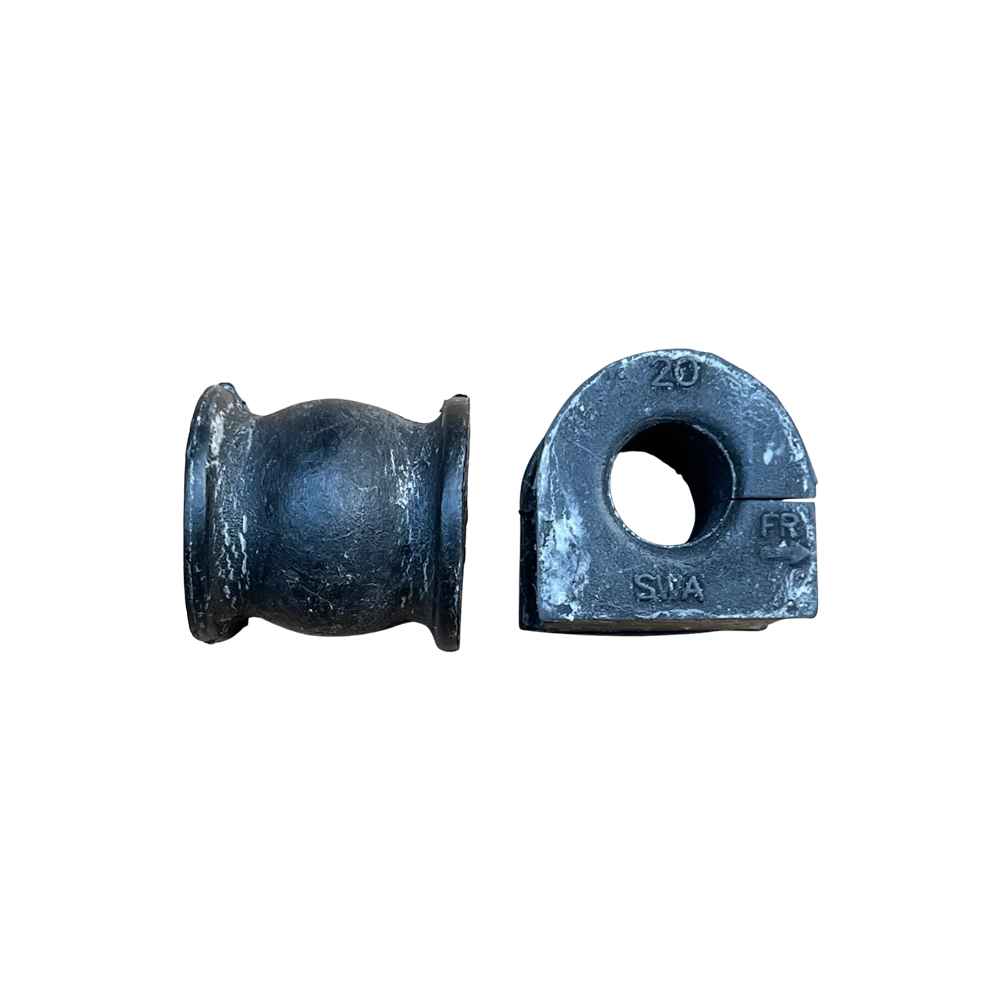
CV Joint Boots play a crucial role in the longevity of your vehicle's drivetrain. These rubber components serve as protective coverings for the constant velocity joints, ensuring that dirt and debris do not compromise their function. Without proper sealing, grease can leak out, leading to premature wear on the CV joints.
Materials Used in CV Joint Boots
Most CV joint boots are made from either rubber or thermoplastic materials. Rubber is more traditional and offers excellent flexibility and durability. On the other hand, thermoplastic boots are lighter and often provide better resistance against temperature extremes and chemicals. However, they may lack the same level of flexibility compared to rubber options.

Cost Insights for CV Joint Boots
The cost of CV joint boots varies widely depending on the vehicle make and model, as well as the material used. Generally, you can expect to pay anywhere from $15 to $50 per boot. If you're considering brands, Guanghua offers reliable options at competitive prices.
Exploring Engine Gaskets
Engine gaskets, specifically valve cover gaskets and oil pan gaskets, are essential for maintaining the integrity of your engine. They create seals between engine components, preventing leaks that can lead to serious mechanical issues.
Materials Used in Engine Gaskets
Engine gaskets come in various materials, including rubber, silicone, and composite materials. Rubber gaskets are commonly used due to their elasticity and ability to form tight seals. Silicone gaskets are favored for their high-temperature resistance and flexibility, making them ideal for areas that experience significant thermal cycling. Composite gaskets, which may include metal reinforcements, provide exceptional durability and are often found in high-performance applications.
Cost Insights for Engine Gaskets
When it comes to pricing, engine gaskets typically range from $20 to over $100, depending on the type and brand. Valve cover gaskets tend to be on the lower end, while more complex gaskets can drive costs up significantly. It's worth noting that opting for OEM (Original Equipment Manufacturer) parts often ensures better fitment and reliability, albeit at a higher price point.
Comparing CV Joint Boots and Engine Gaskets
While both CV joint boots and engine gaskets serve the purpose of sealing and protecting important vehicle components, their functionality, materials, and costs differ significantly.
Functionality
- CV Joint Boots: Protects the joints from contaminants and holds lubricant.
- Engine Gaskets: Prevents fluid leaks between engine components.
Material Differences
- CV Joint Boots: Primarily rubber or thermoplastic.
- Engine Gaskets: Includes rubber, silicone, and composite materials.
Cost Considerations
- CV Joint Boots: Typically less expensive, ranging from $15 to $50.
- Engine Gaskets: More variable, generally $20 to over $100.
Installation and Maintenance Aspects
Installation of CV joint boots and engine gaskets varies in complexity. CV joint boots often require specialized tools and knowledge, particularly if the driveshaft needs to be removed. In contrast, replacing engine gaskets can involve a more extensive process, especially if multiple components must be disassembled.
Maintenance Tips
Regular inspections can help catch potential failures before they escalate. Look for visible signs of wear or damage on CV joint boots, such as cracks or tears. For engine gaskets, check for oil leaks or burnt smells that may indicate gasket failure. Keeping an eye on these components can save you costly repairs down the road.
Choosing Quality Parts
When it comes to selecting either CV joint boots or engine gaskets, opting for quality parts from reputable brands like Guanghua can make a difference in performance and durability. Always consider reviews and recommendations from industry professionals when making your purchase decisions.
Final Thoughts
In summary, while CV joint boots and engine gaskets serve different purposes within your vehicle, understanding their materials and costs can help you make informed maintenance decisions. Whether you need to replace a worn CV joint boot or a failing engine gasket, investing in quality parts is crucial to ensure optimal vehicle performance.