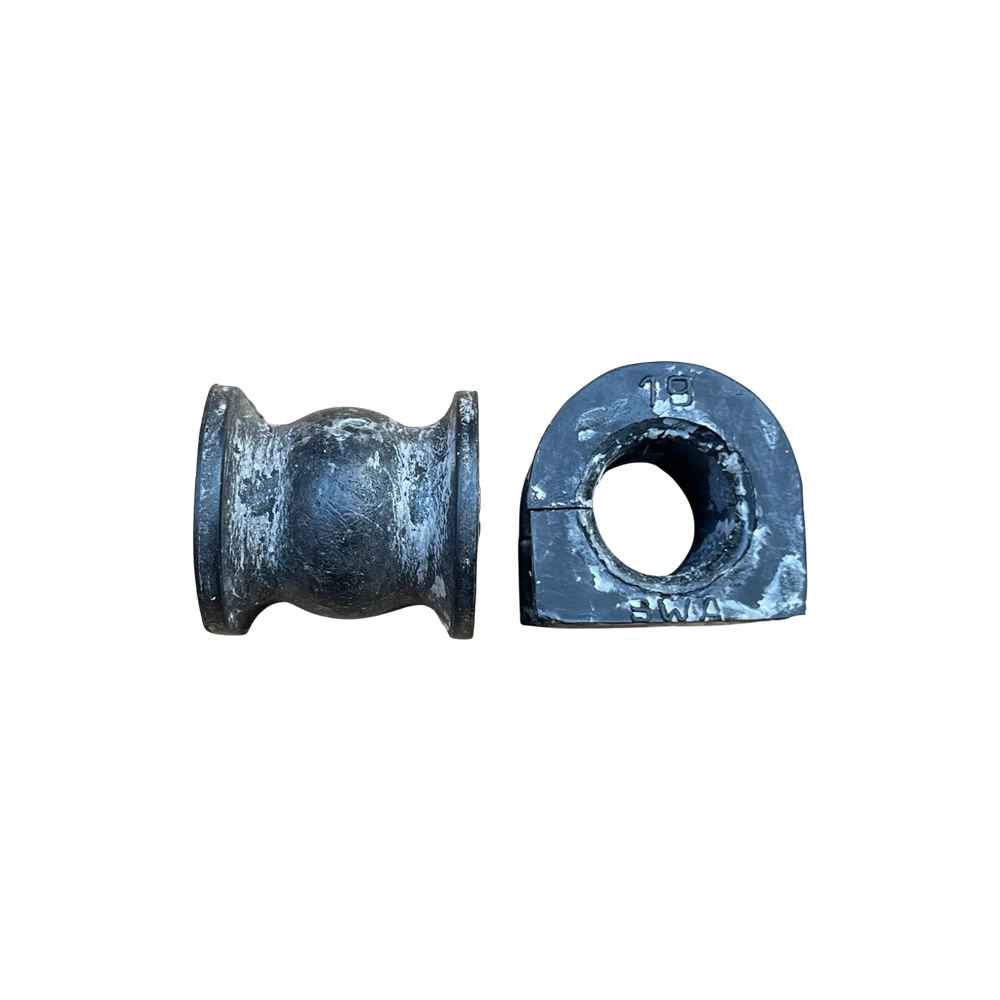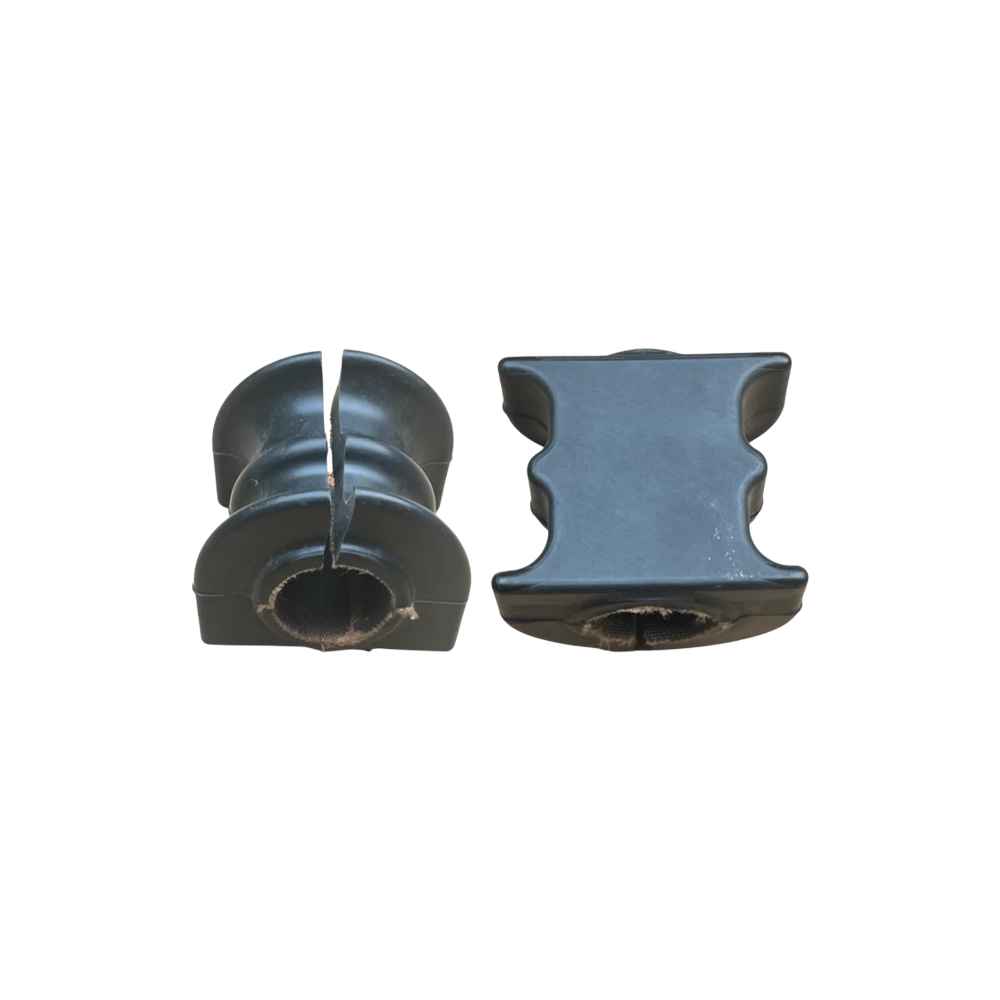
Understanding Dust Covers and Constant Velocity Bellows
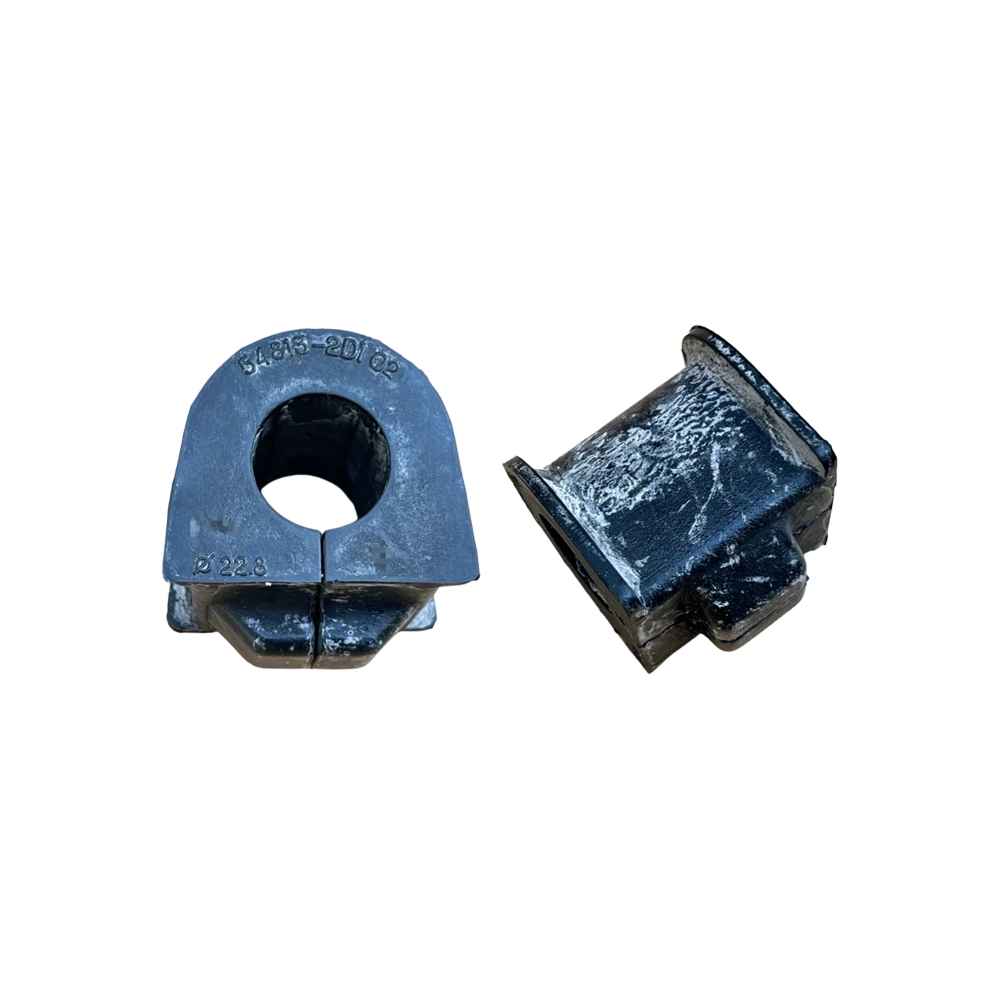
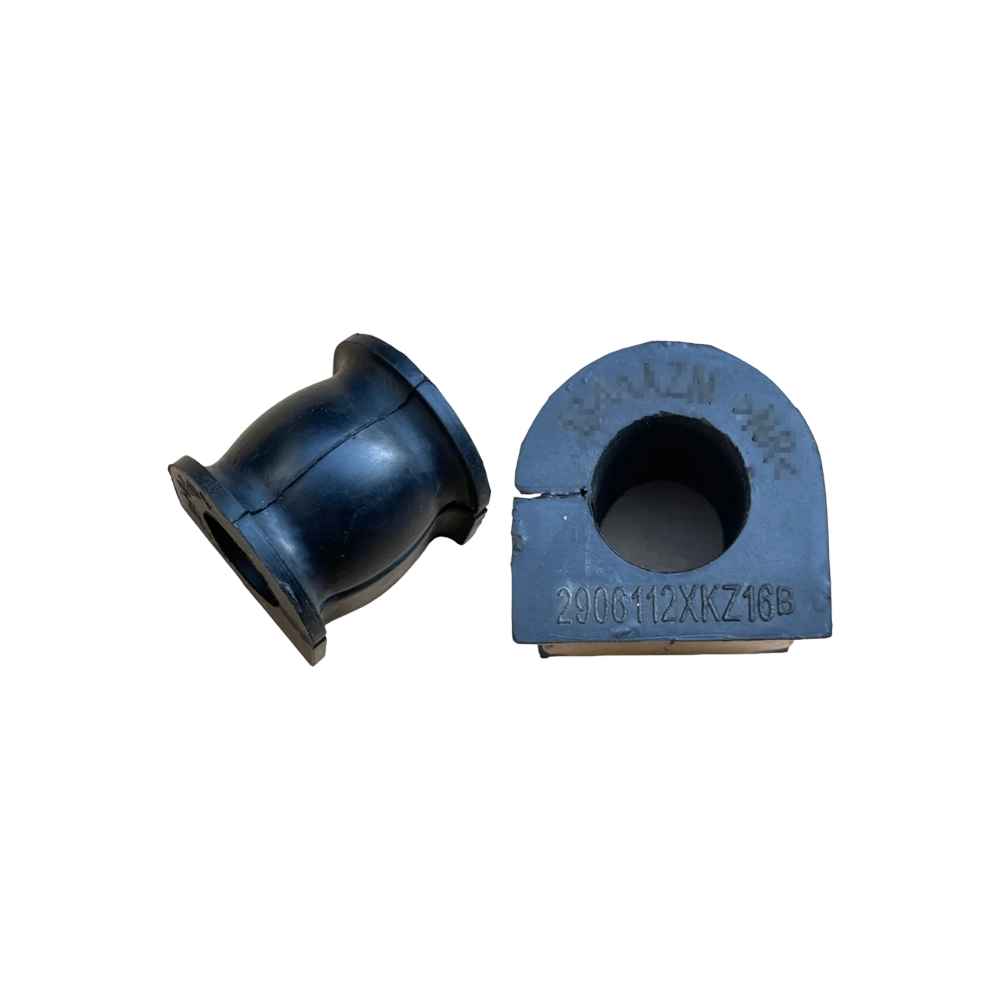
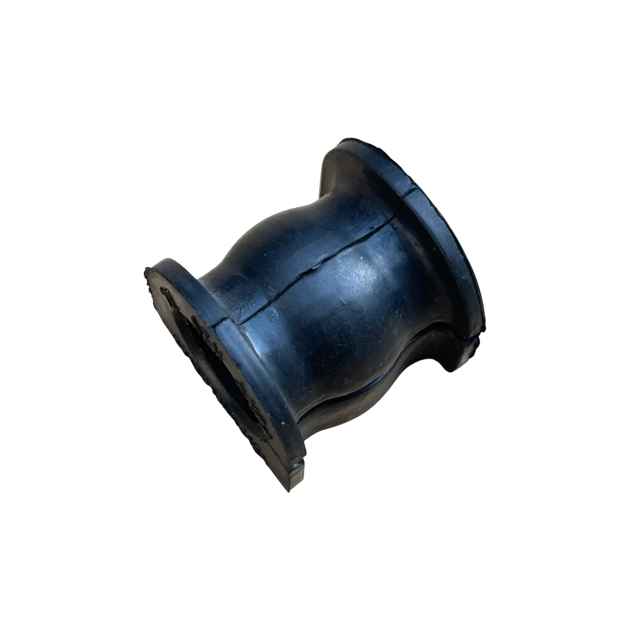
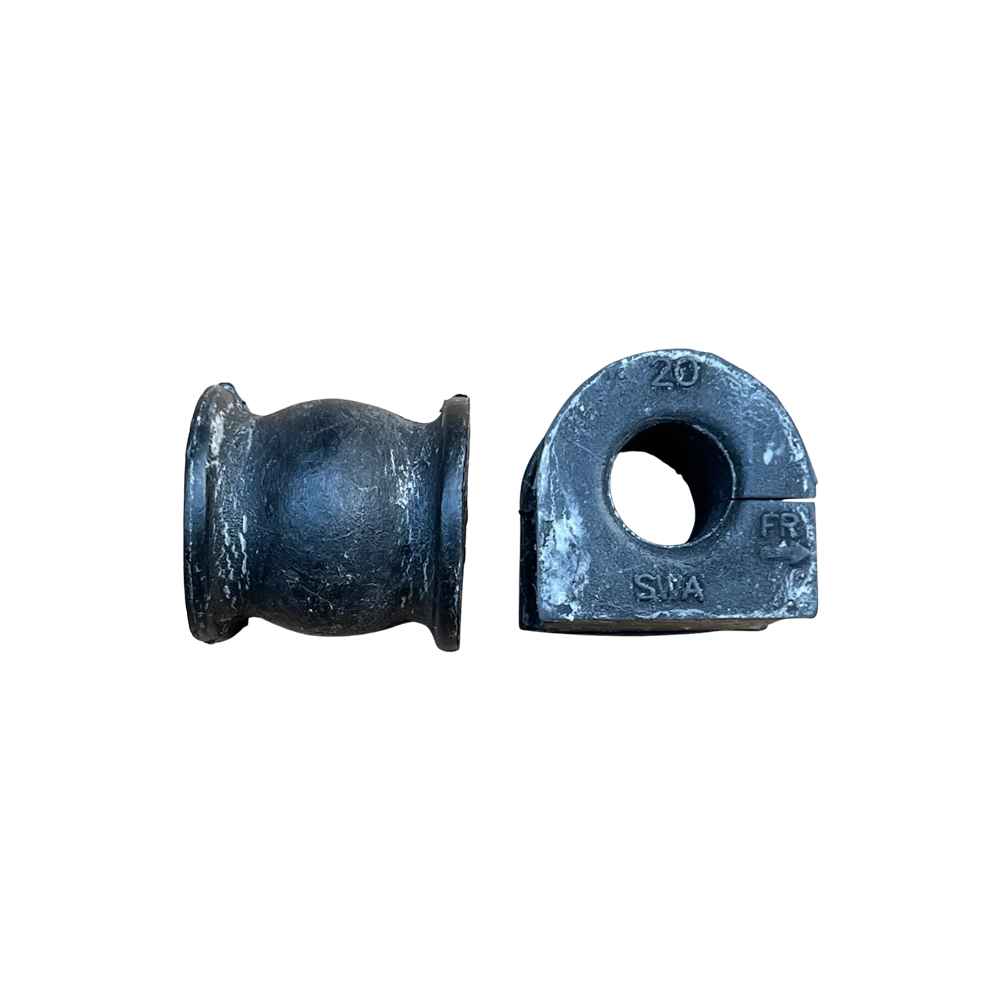
In the realm of automotive components, both dust covers and constant velocity bellows play crucial roles in protecting sensitive parts from contaminants and ensuring optimal performance. While their functions may appear similar at first glance, the materials used and their durability differ significantly.
Materials Used
Dust covers are often made from high-quality rubber or plastic compounds, designed specifically to withstand harsh environmental conditions. These materials ensure that the covers maintain their integrity even under extreme temperatures and exposure to road debris.
On the other hand, constant velocity bellows, commonly referred to as CV Joint Boots , are typically crafted from neoprene or thermoplastic elastomer (TPE). These materials not only provide excellent resistance against abrasives but also exhibit superior flexibility, which is critical for the dynamic motions experienced during vehicle operation.
Comparative Analysis of Materials
- Rubber: Offers good elasticity and resistance to wear, commonly used in dust covers.
- Neoprene: Known for its superior UV stability and chemical resistance, ideal for CV Joint Boots .
- TPE: This material combines the properties of rubber and plastic, providing enhanced durability for various applications.
Durability and Performance Expectations
The longevity of these components is paramount, especially in vehicles operating under demanding conditions. Dust covers generally offer a shorter lifespan compared to constant velocity bellows due to their exposure to direct contact with abrasive particles.
In contrast, because CV Joint Boots are engineered specifically to handle the rotational forces and the greases involved in constant velocity joints, they tend to exhibit a longer service life. For instance, when properly maintained, a standard constant velocity boot can last significantly longer than a typical dust cover.
Factors Affecting Durability
- Environmental Conditions: Extreme weather, road salt, and contaminants can degrade materials faster.
- Installation Quality: Improper installation can lead to premature failures in both dust covers and bellows.
- Maintenance Practices: Regular inspections and replacements can enhance the longevity of these components.
Wholesale Pricing Insights
When it comes to wholesale pricing, factors such as material choice, manufacturing processes, and market demand contribute significantly to cost variations. Generally, dust covers tend to be less expensive than constant velocity bellows due to the simpler manufacturing methods employed.
However, one must consider the total cost of ownership, which includes potential replacement frequencies. A lower upfront cost for dust covers may result in higher long-term expenses if frequent replacements are necessary.

Market Comparison
For example, a reputable brand like Guanghua might offer CV joint boots at a competitive price point, recognizing their demand for durability and performance. In contrast, generic dust covers could be available at bulk pricing, but their longevity might not justify the savings.
Conclusion on Selection Criteria
In summary, selecting between dust covers and constant velocity bellows hinges upon the specific application requirements, expected operational conditions, and budget considerations. While both serve protective purposes, understanding their material properties, durability ratings, and wholesale pricing can guide informed decisions.
Additionally, it is advisable to consult with knowledgeable suppliers who can provide insights into the best options available for your particular needs.