Understanding Engine Gaskets
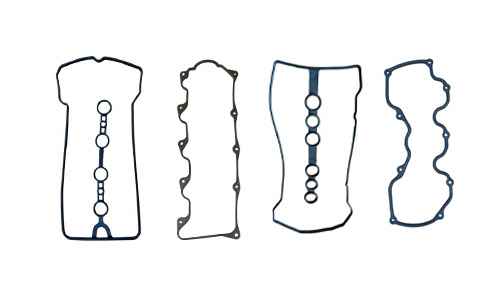
Engine gaskets play a crucial role in the automotive industry, acting as seals that prevent leaks between two or more mating surfaces. Their primary function is to ensure that engine fluids remain contained within their designated areas while effectively managing pressure differentials.
Materials Used in Engine Gaskets
The materials selected for creating engine gaskets significantly impact their durability and effectiveness. Common materials include:
- Rubber: Often used for lower temperature applications, rubber gaskets offer flexibility but may degrade over time due to exposure to oil and heat.
- Metal: Frequently utilized in high-performance engines, metal gaskets provide exceptional resilience to extreme temperatures and pressures. However, they require precise machining to prevent leaks.
- Composite Materials: Combining different elements, composite gaskets are versatile and can handle various engine conditions, often found in both OEM and aftermarket products.
The Role of O-Rings & Rubber Sealing Rings
O-rings and rubber sealing rings serve as essential components in hydraulic and pneumatic systems, including engines. They ensure airtight and watertight seals, preventing leakage of fluids and gases.
Key Differences Between Gaskets and O-Rings
While both gaskets and O-rings are integral to maintaining engine integrity, there are distinct differences:
- Shape: Gaskets are typically flat and designed to fit between two surfaces, whereas O-rings are circular and meant to fit into a groove.
- Applications: Gaskets are commonly found in cylinder heads, intake manifolds, and oil pans, while O-rings are prevalent in fittings, connectors, and valve assemblies.
Durability Comparisons
Durability plays a vital role in the selection of either gaskets or O-rings. Factors such as temperature, pressure, and exposure to chemicals will determine the lifespan of these components. For instance, while CV Joint Boots and Steering Rack Boots are designed to withstand considerable wear and tear, engine gaskets might require replacement after certain mileage intervals.
Wholesale Pricing Insights
When it comes to purchasing gaskets and sealing rings wholesale, understanding pricing structures is important. Wholesale pricing can vary widely based on material quality, manufacturind processes, and brand reputation.
Cost Factors
Several factors influence the wholesale cost of engine gaskets and O-rings, including:
- Material Selection: Higher-quality materials generally result in higher costs but may offer longer service life.
- Manufacturing Processes: Advanced production techniques and technologies may increase upfront costs but yield better performance and reliability.
- Brand Reputation: Well-known brands like Guanghua may command premium prices due to their history of delivering high-quality automotive parts.
Buying in Bulk
For businesses looking to procure large quantities, buying in bulk can lead to significant savings. Many suppliers offer tiered pricing structures, which incentivize larger orders. Moreover, negotiating contracts with manufacturers can also yield favorable terms, ensuring a steady supply of components such as shock absorber boots or stabilizer bar bushings at competitive rates.
Conclusion on Material Selection and Application
Ultimately, the choice between engine gaskets, O-rings, and rubber sealing rings hinges on specific application requirements and environmental factors. By considering durability, material properties, and pricing insights, automotive professionals can make informed decisions that enhance vehicle performance and longevity.