
Understanding Engine Gaskets
Engine gaskets play a crucial role in sealing the various components of an engine, ensuring that fluids and gases do not leak. These seals are typically made from materials that can withstand extreme temperatures and pressures, which is imperative for maintaining engine integrity.
Materials Used in Engine Gaskets
Common materials for engine gaskets include:
- Rubber: Known for its flexibility and strong sealing capabilities, rubber gaskets are often used in applications where vibration is a concern.
- Cork: Often combined with other materials, cork gaskets are effective in certain engine applications due to their compressibility.
- Composite Materials: These gaskets combine various substances to enhance durability and heat resistance.
- Metal: Found in high-performance applications, metal gaskets provide superior strength and heat dissipation.
Durability Factors
The longevity of engine gaskets is influenced by several factors, including operating temperature, pressure, and exposure to chemicals. High-quality gaskets, such as those manufactured by brands like Guanghua, typically exhibit superior performance characteristics, leading to extended service life.
Exploring Strut Dust Sleeves
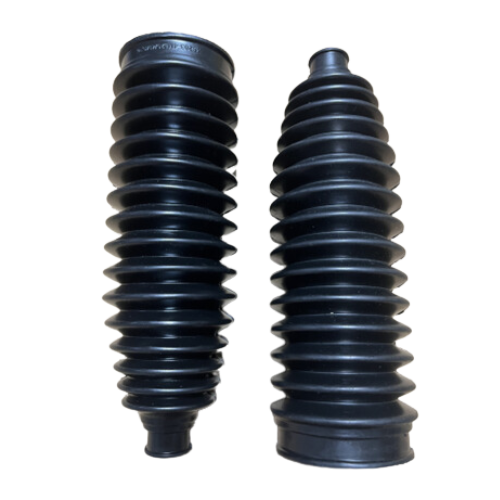
Strut dust sleeves, while less commonly discussed than gaskets, serve an equally important purpose: protecting the strut assembly from dust, dirt, and moisture. This protection is essential for maintaining the performance and longevity of the suspension system.
Materials Used in Strut Dust Sleeves
Similar to gaskets, strut dust sleeves are primarily made from:
- Polyurethane: Offering excellent abrasion resistance and flexibility, polyurethane sleeves are highly regarded in the automotive industry.
- Rubber: Like CV Joint Boots and Steering Rack Boots , rubber is frequently employed for its cost-effectiveness and reliable sealing properties.
Durability Considerations
Factors influencing the durability of strut dust sleeves include environmental conditions, material quality, and installation practices. A well-installed dust sleeve can significantly reduce wear on the strut, preventing premature failure and costly repairs.
Comparing Pricing Insights
When evaluating wholesale pricing for engine gaskets versus strut dust sleeves, several considerations come into play.
Wholesale Pricing for Engine Gaskets
The cost of engine gaskets varies based on material and application. For instance, composite gaskets, while generally more expensive, offer better performance in high-stress environments. Consequently, it is common to see prices ranging from $10 to over $200 per unit depending on the specifications.
Wholesale Pricing for Strut Dust Sleeves
Strut dust sleeves typically have a lower price point, given their simpler design and material requirements. Prices can range from $5 to around $50 each, making them an affordable component in the broader context of vehicle maintenance.
Conclusion on Material Selection
Choosing between different materials, whether for engine gaskets or strut dust sleeves, requires a nuanced understanding of the specific application and operating conditions. Using high-quality products, such as those available from reputable suppliers like Guanghua, can result in enhanced longevity and performance, ultimately contributing to the vehicle's reliability.
Final Thoughts on Maintenance
Regular inspection of both engine gaskets and strut dust sleeves is recommended. Compromised seals can lead to serious automotive issues, underscoring the importance of proactive maintenance. Whether opting for O-Rings & Rubber Sealing Rings or Stabilizer Bar Bushings, investing in quality components pays dividends in the long run.







