Understanding Sway Bars
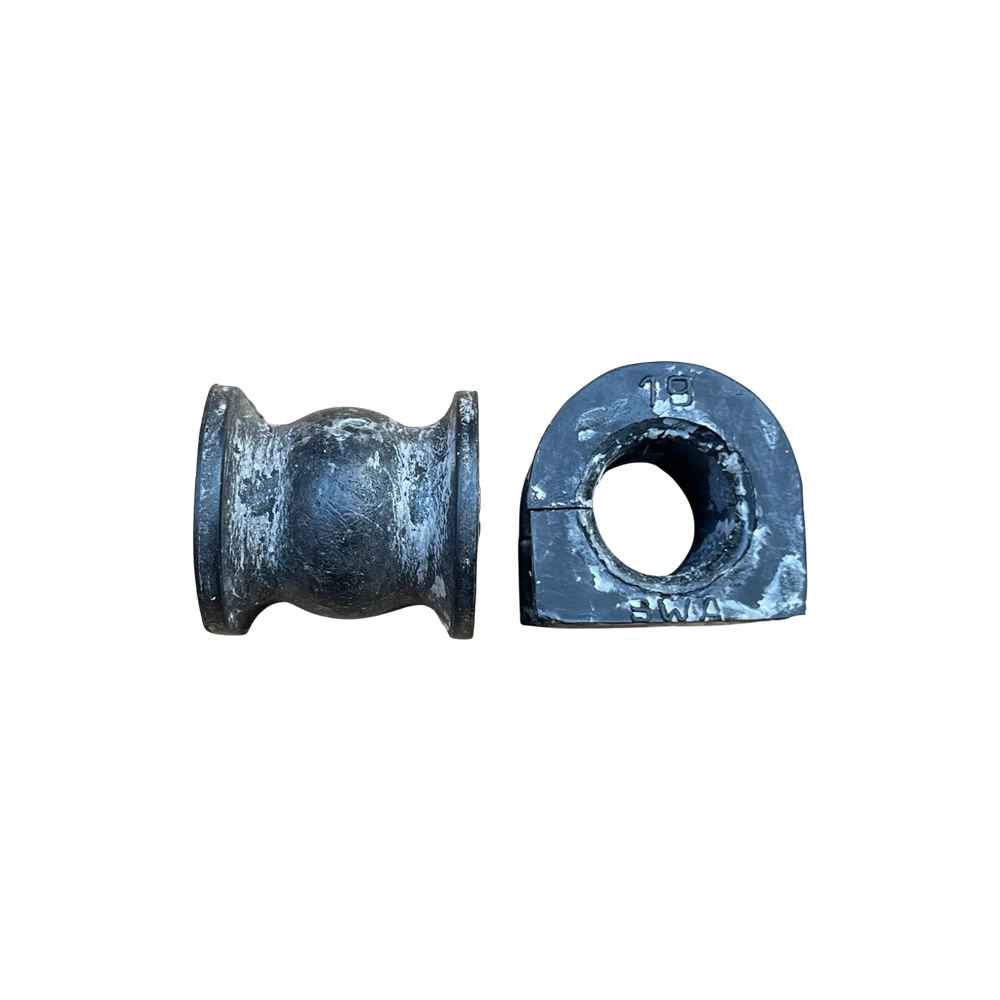
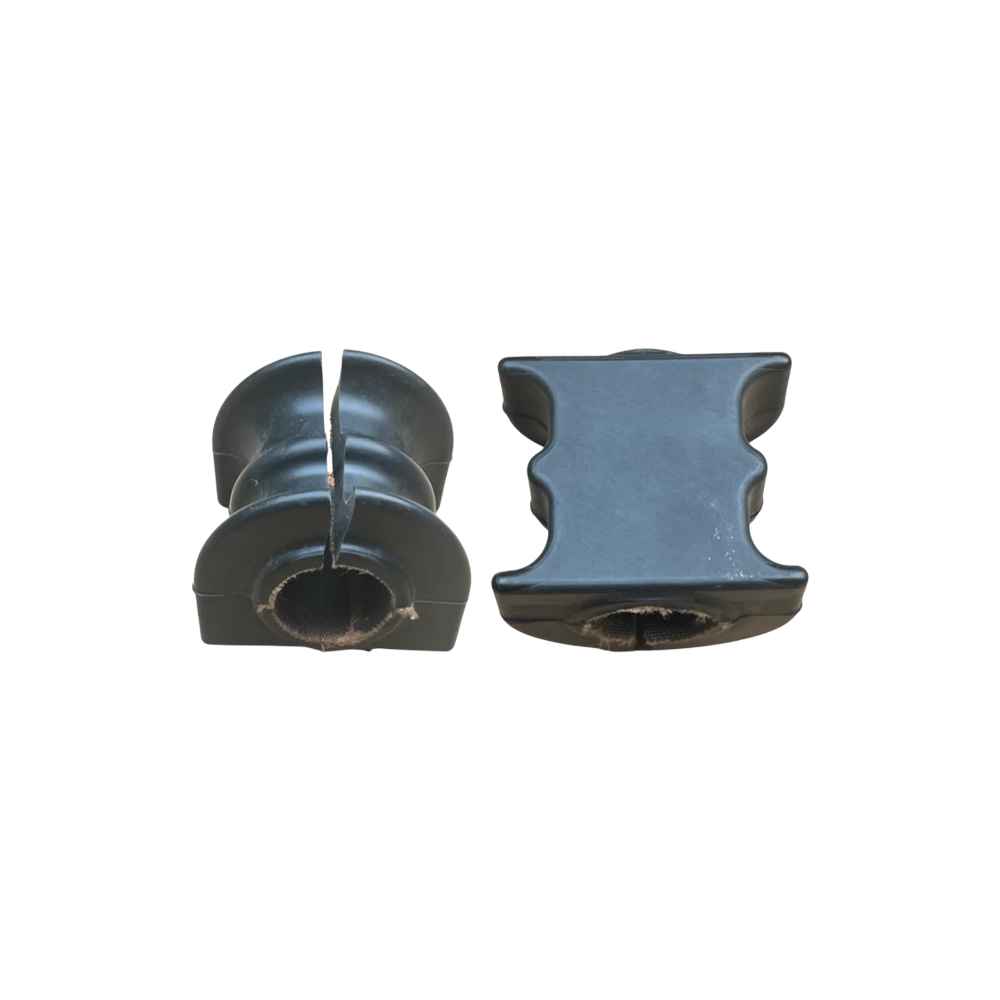
Sway bars, also known as stabilizer bars, play a crucial role in maintaining vehicle stability and handling. These components connect the left and right wheels of a suspension system and reduce body roll during cornering. Available in both front and rear configurations, sway bars are integral for performance, particularly in high-speed or off-road conditions.
Types of Sway Bars
- Front Sway Bars: Typically larger than rear bars, front sway bars help manage understeering by enhancing cornering stability.
- Rear Sway Bars: Generally smaller, these bars combat oversteering tendencies, contributing to balanced handling characteristics.
Material Options
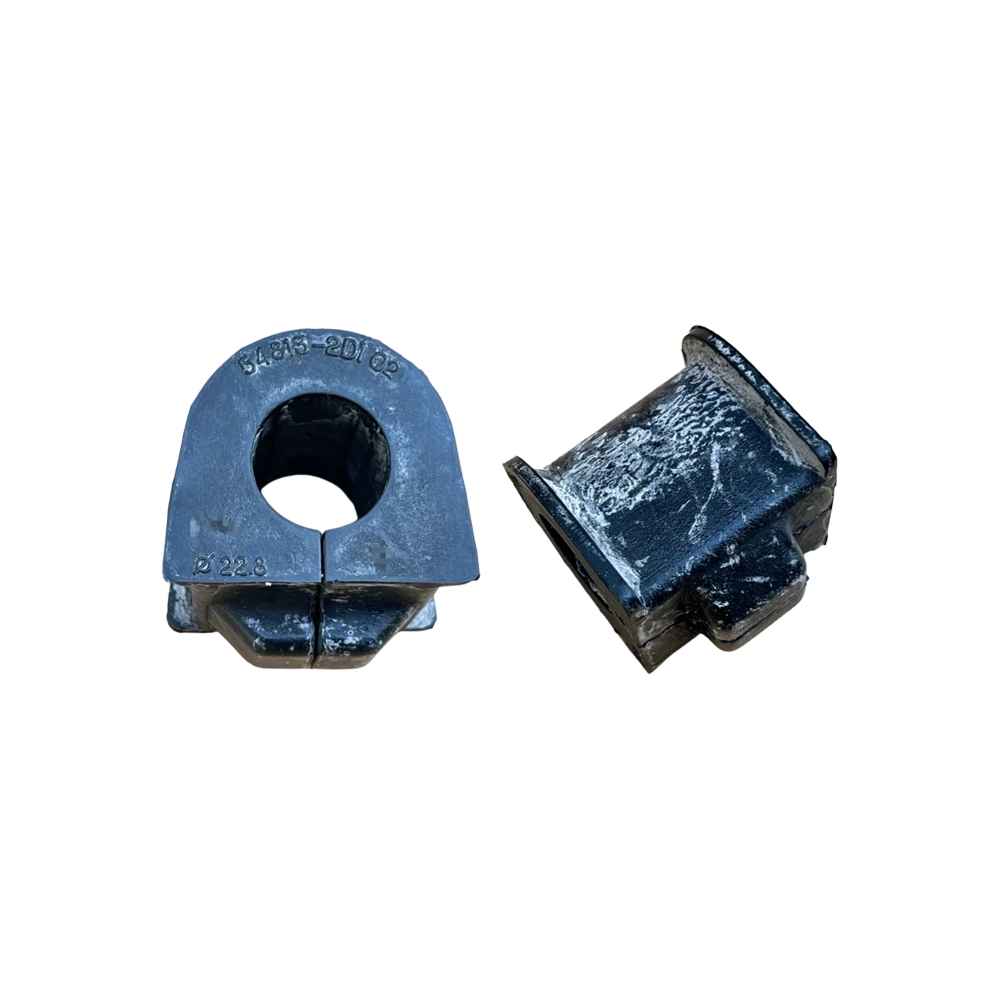
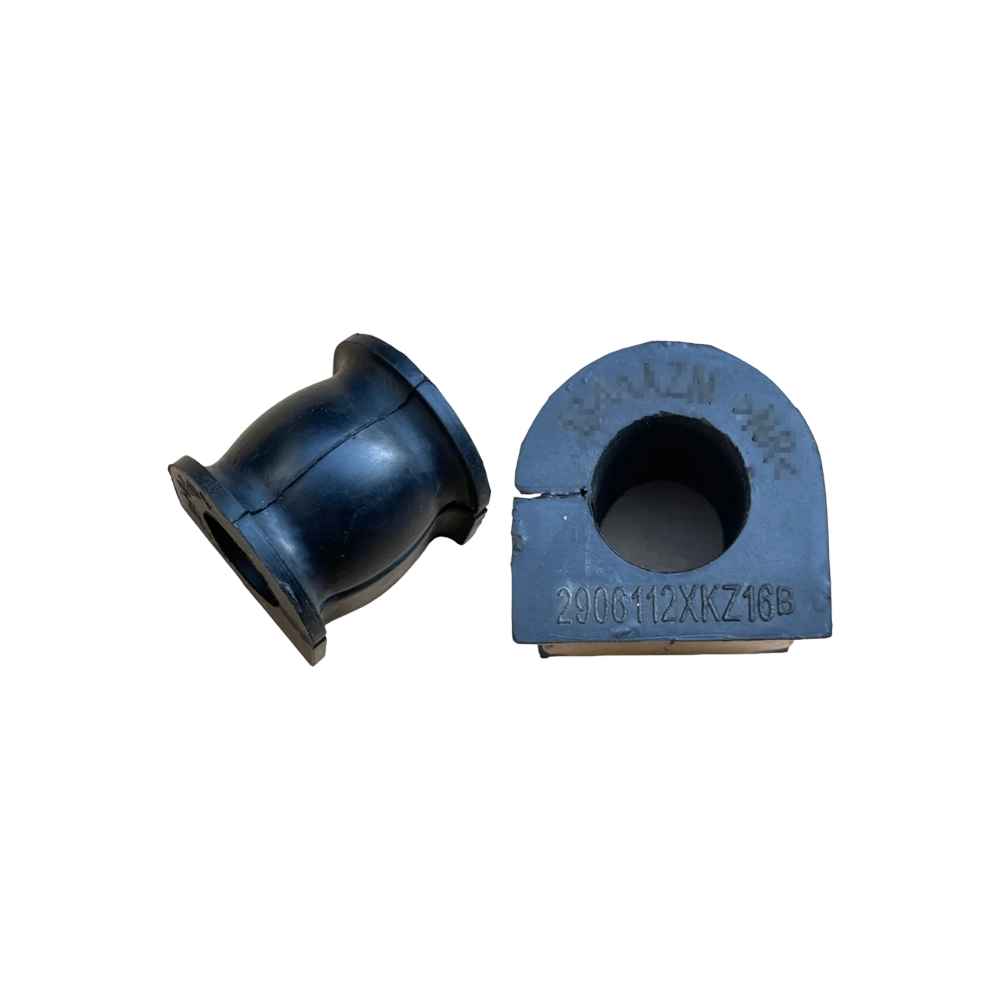
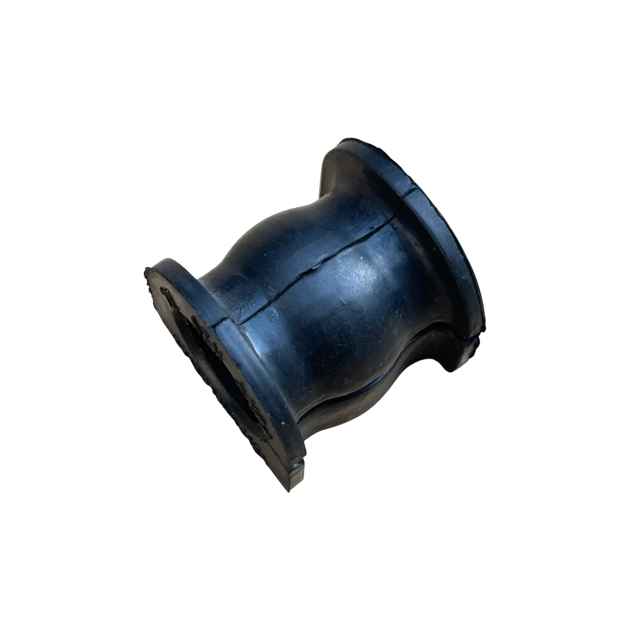
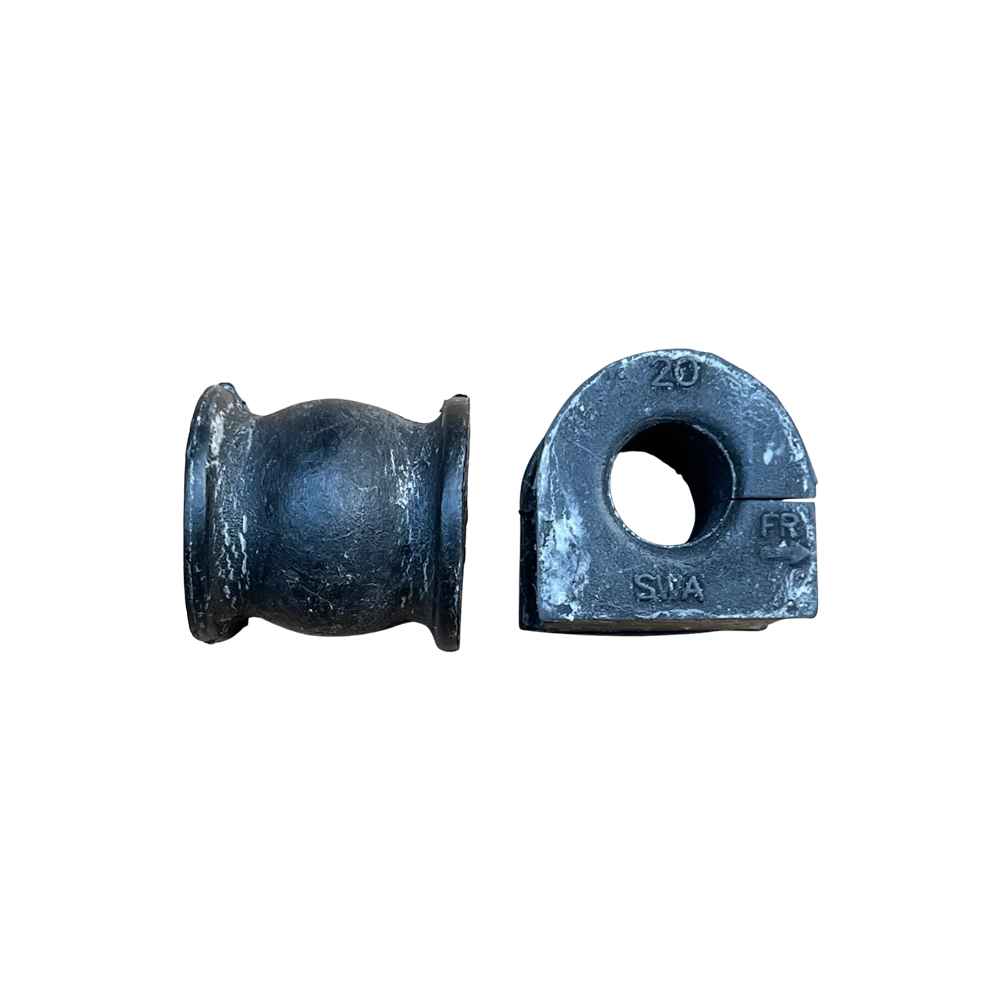
The choice of material for sway bar bushings and links significantly impacts the component's performance and longevity. Common materials used include NBR (Nitrile Rubber), Viton, and Silicone. Each offers distinct advantages and disadvantages in terms of durability, cost, and environmental resistance.
NBR (Nitrile Rubber)
NBR is a synthetic rubber known for its excellent oil and fuel resistance. It can endure harsh environments, which makes it suitable for automotive applications. However, its susceptibility to weathering and ozone exposure can lead to deterioration over time. This necessitates regular inspections and possible replacement, especially in vehicles exposed to extreme conditions.
Viton
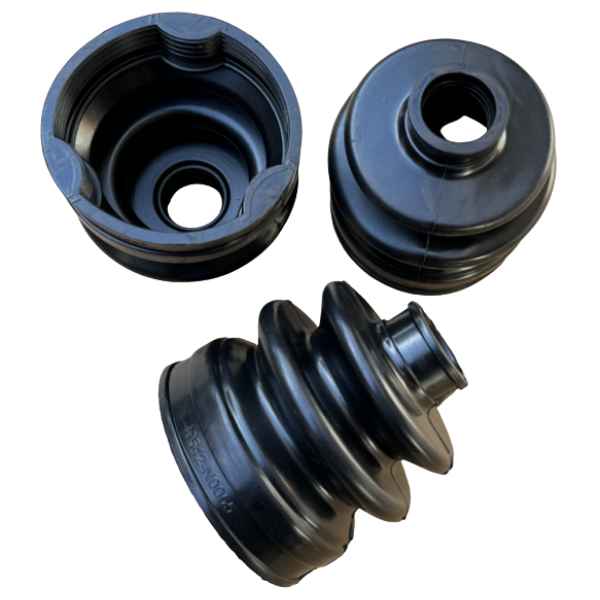
Viton, a brand of fluoroelastomer, stands out for its exceptional thermal stability and chemical resistance. While it tends to be more expensive than NBR, its longevity and resilience make it a favored choice for high-performance applications. Vehicles equipped with Viton-based sway bar bushings often experience less wear, leading to reduced maintenance costs in the long run.
Silicone
Silicone rubber is another option, known for its flexibility and temperature resistance. Its elasticity allows for smooth movement within suspension systems, but the trade-off often comes in the form of lower chemical resistance compared to NBR and Viton. Consequently, while silicone may provide superior performance in specific scenarios, it might not be the best choice for all environments.
Durability Comparison
When comparing the durability of these materials, several factors must be considered, including exposure to oils, heat, and UV light. NBR, while robust in many respects, typically has a shorter lifespan when subjected to extreme conditions. On the contrary, Viton outperforms both NBR and silicone in terms of longevity and resistance to degradation.
Silicone's durability varies depending on its formulation but generally ranks below Viton in terms of overall strength against harsh chemicals. In contrast, its flexibility can be advantageous in specific applications where movement and vibration absorption are paramount.
Wholesale Pricing Insights
Pricing for sway bar bushings and links varies based on material, manufacturer, and quantity purchased. Bulk purchasing from suppliers like Guanghua often leads to significant cost savings for workshops and dealerships. For instance, while NBR products may fall in the lower price range, Viton's higher production cost reflects its premium quality and demand in specialized markets.
Additionally, market fluctuations and raw material availability can influence wholesale pricing. Buyers should consider not just the upfront costs but also the long-term value derived from each material's durability and performance characteristics.
Market Trends
- Increased Demand for High-Performance Materials: As vehicles become more advanced, there is a noticeable shift towards materials that offer superior performance, such as Viton.
- Focus on Sustainability: Manufacturers are increasingly exploring eco-friendly materials, impacting market dynamics and pricing.
Conclusion
Selecting the right sway bar bushings involves a detailed understanding of material properties, durability implications, and pricing structures. Whether opting for NBR, Viton, or Silicone, each choice carries its own set of benefits and challenges. Ultimately, the decision should align with the intended application, driving conditions, and budget considerations to ensure optimal vehicle performance.