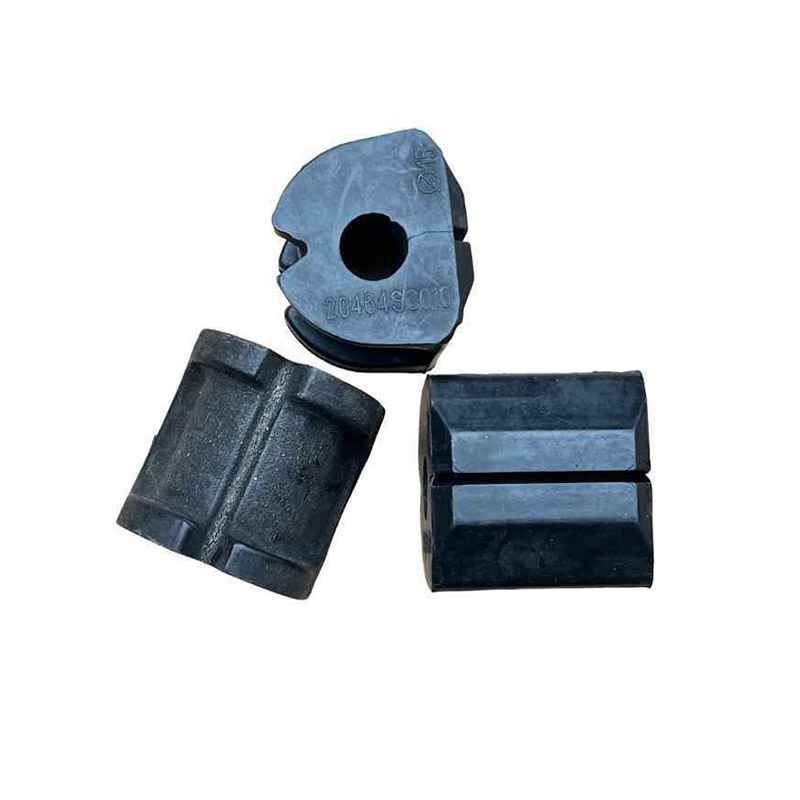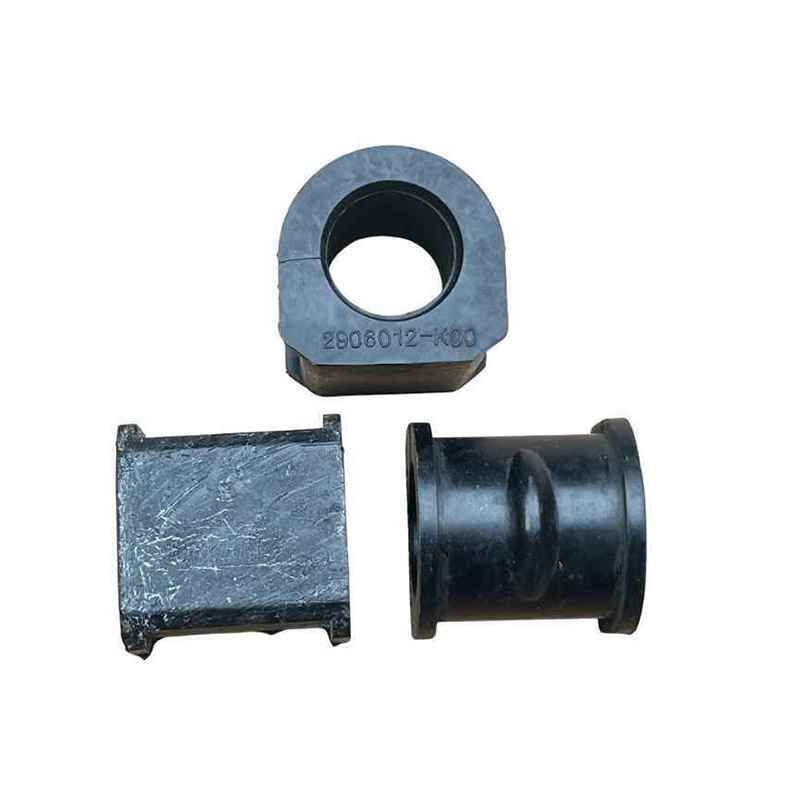
Understanding Sway Bars and Shock Dust Covers
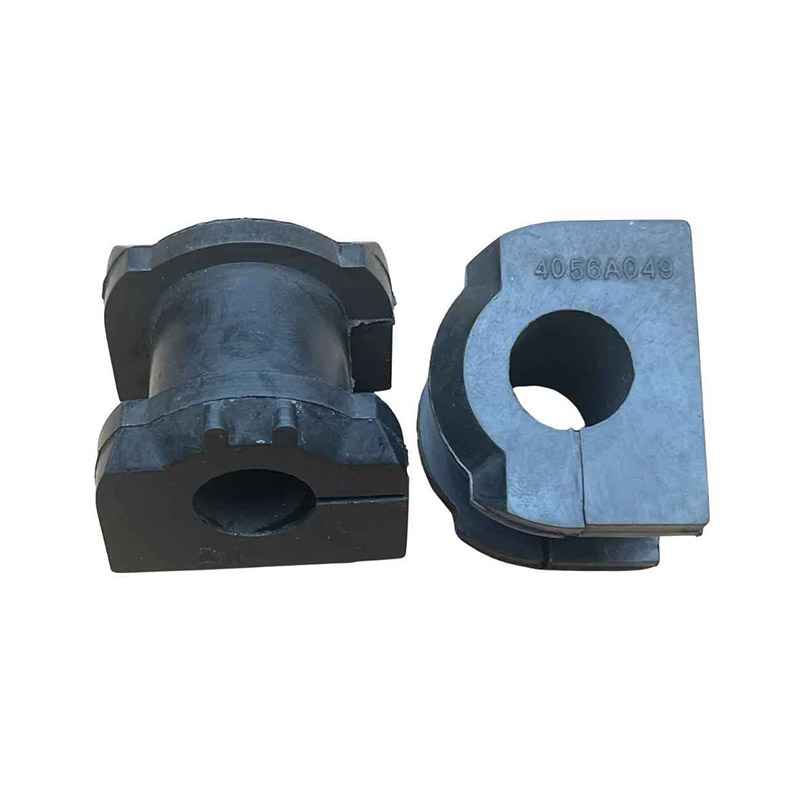
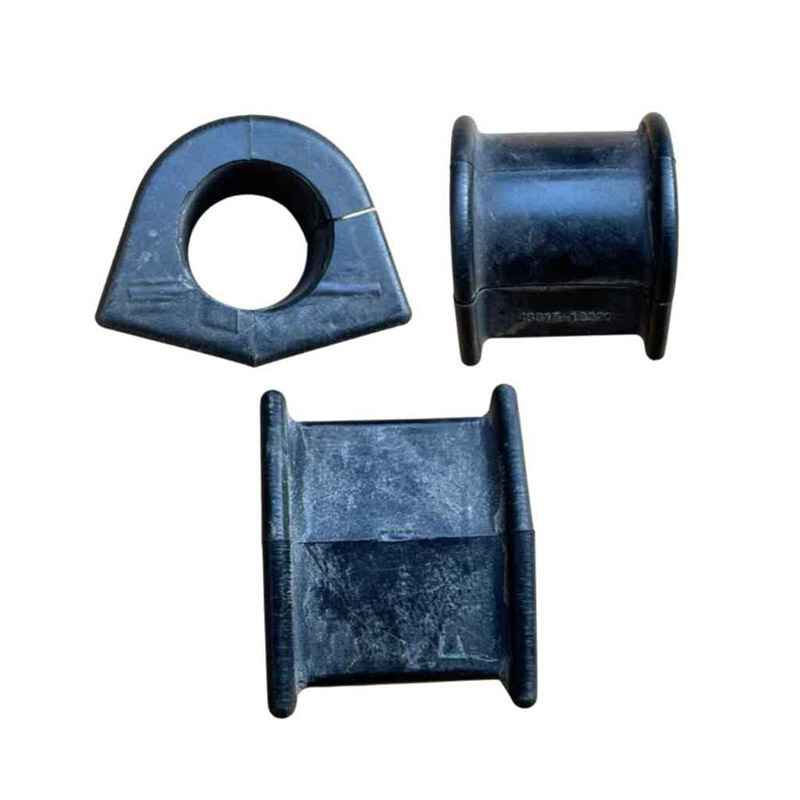
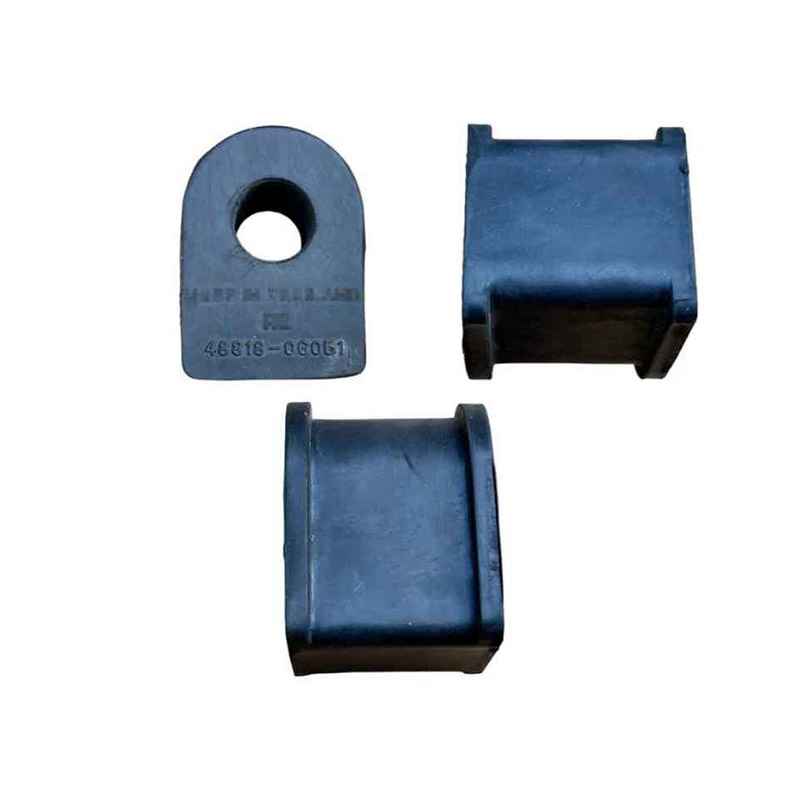
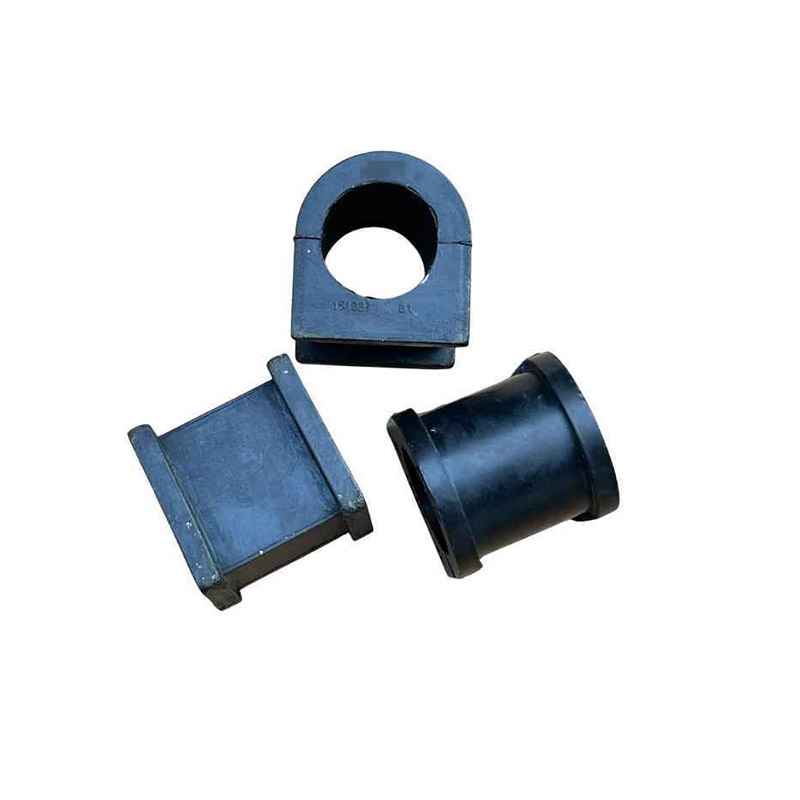
Sway bars and shock dust covers play crucial roles in the suspension systems of vehicles. Drivers often overlook their importance until issues arise. The sway bar, technically known as a stabilizer bar, helps reduce body roll during turns, enhancing vehicle stability. On the other hand, shock dust covers protect shock absorbers from dirt and debris, which is vital for maintaining performance. In this guide, we will explore the materials used, their durability, and insights on wholesale pricing.
Materials Used in Sway Bars and Shock Dust Covers
When it comes to manufacturing, both sway bars and shock dust covers utilize various materials that impact their effectiveness and longevity.
Sway Bar Materials
- Steel: Most sway bars are made from high-carbon steel due to its strength and flexibility. It offers excellent performance under stress.
- Aluminum: Lightweight and resistant to corrosion, aluminum sway bars are gaining popularity. They improve handling without adding significant weight.
- Composite Materials: Some newer models use reinforced composite materials. These provide unique advantages like reduced weight while maintaining strength.
Shock Dust Cover Materials
- Rubber: Commonly used for shock dust covers, rubber provides good protection against dirt and moisture. However, it can degrade over time due to UV exposure.
- Polyethylene: This plastic material is becoming more popular in aftermarket parts. It’s resistant to wear and tear and lasts longer than traditional rubber.
- Neoprene: Known for its flexibility and durability, neoprene is another excellent choice for shock dust covers. It withstands extreme temperatures better than standard rubber.
Durability Factors to Consider
Durability is paramount for both sway bars and shock dust covers. Here are a few factors that contribute to their lifespan.
Corrosion Resistance
For sway bars, corrosion resistance is critical, especially in regions where roads are salted in winter. Steel sway bars should be powder-coated or treated to prevent rusting. Meanwhile, shock dust covers made from materials like polyethylene are naturally resistant to corrosion, thus offering better longevity.
Environmental Conditions
The environment plays a significant role in determining the durability of these components. For instance, rubber shock dust covers may crack and deteriorate faster in extreme heat or cold. Similarly, if you live in an area with heavy rainfall or dust, investing in higher-quality materials becomes essential.
Load Capacity
How much weight a sway bar can handle directly affects its durability. A poorly chosen sway bar that does not match your vehicle's specifications can lead to premature failure. It's also worth noting that adjustable sway bars offer some versatility, allowing for load adjustments based on driving conditions.
Wholesale Pricing Insights
Understanding wholesale pricing for sway bars and shock dust covers can be a game changer for businesses looking to stock these essential components.
Factors Influencing Wholesale Pricing
- Material Quality: Higher quality materials usually come at a premium price. However, they often outlast cheaper alternatives, making them a worthwhile investment.
- Brand Reputation: Brands like Guanghua have established themselves in the market, often resulting in slightly higher prices due to perceived reliability and trustworthiness.
- Volume Discounts: Purchasing in large quantities can significantly reduce per-unit costs. Many suppliers offer tiered pricing, so it's wise to plan ahead.
Expected Price Ranges
- Sway Bars: Depending on the material and design, wholesale prices can range from $50 to over $200.
- Shock Dust Covers: Typically, these can be acquired for $10 to $50 each, depending on the material and brand.
Conclusion
Choosing the right sway bars and shock dust covers involves understanding the materials, durability factors, and pricing dynamics. Whether dealing with wholesale purchases or just looking to replace worn-out components, always prioritize quality. Investing in reliable products ensures optimal vehicle performance and safety.