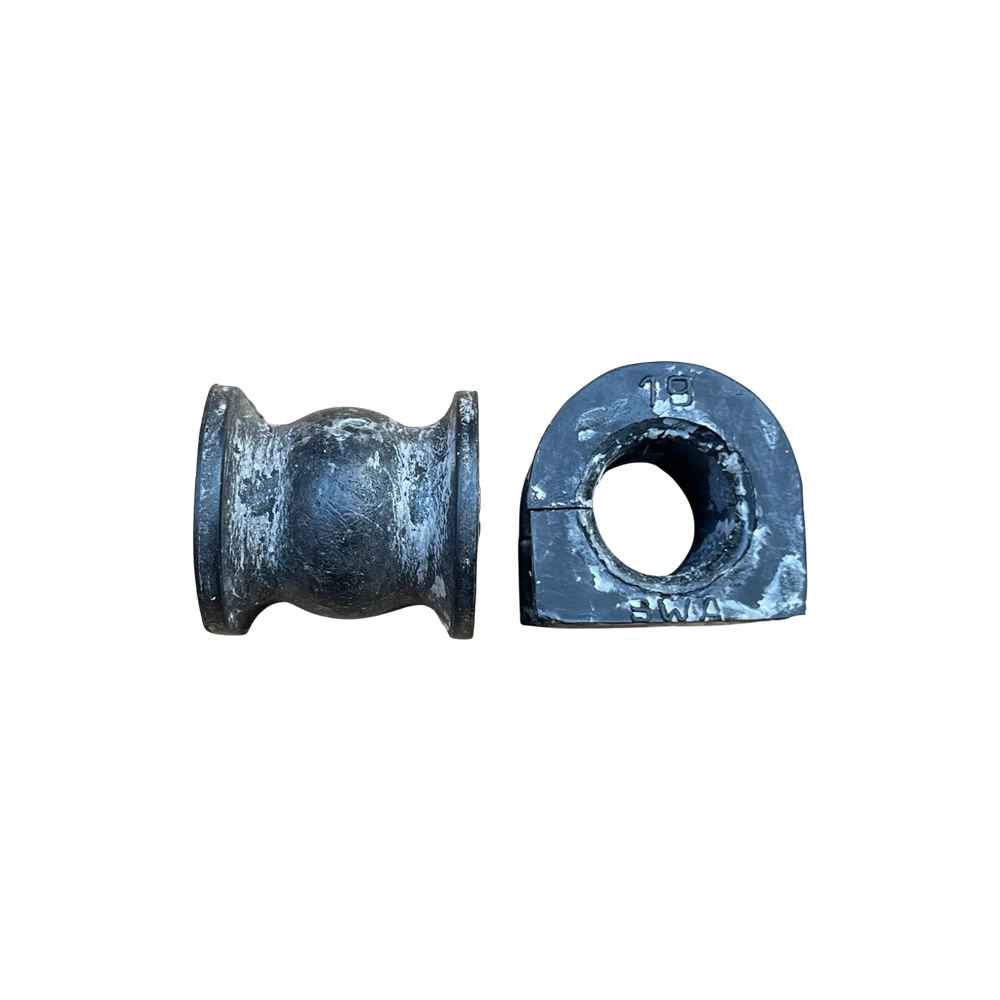
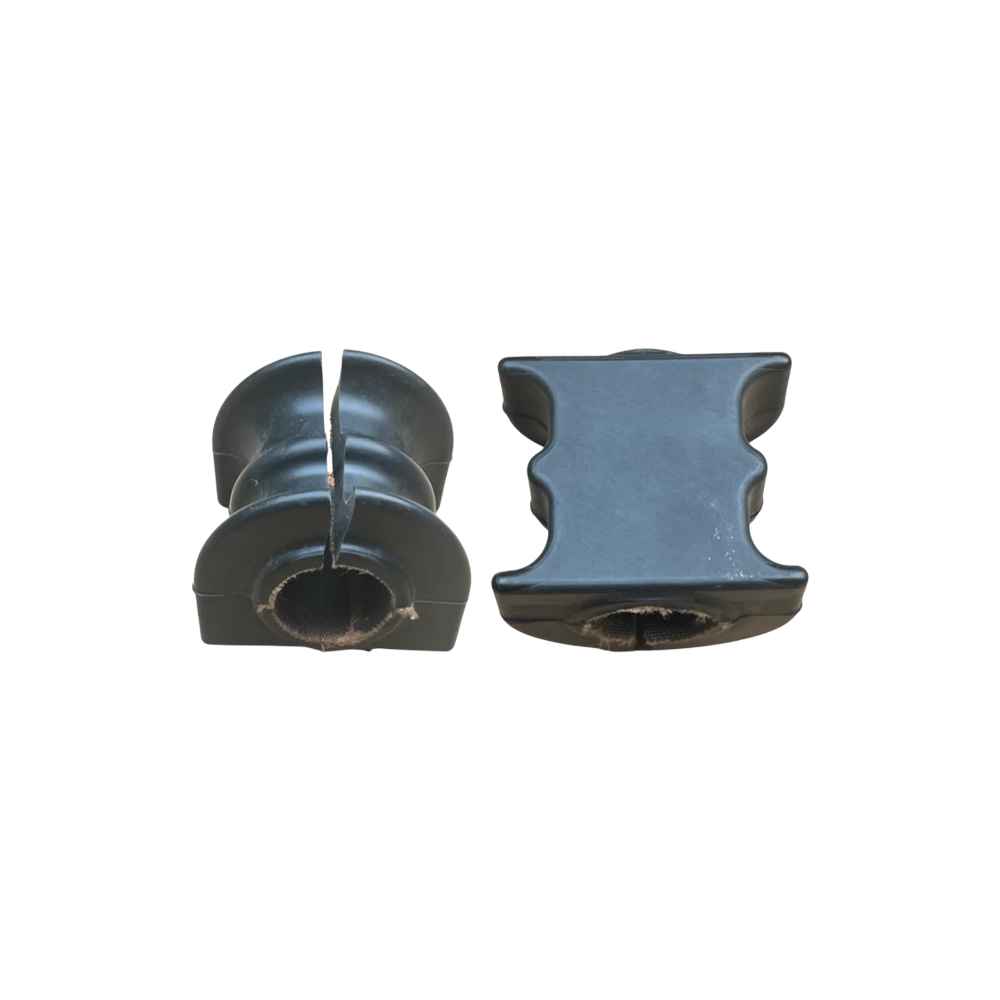
Understanding Sway Bars and Their Bushings
Sway bars, also known as anti-roll bars, play a crucial role in a vehicle’s suspension system. They help reduce body roll during cornering, improving stability and handling. But did you know that the materials used for sway bar bushings can significantly influence performance? Let’s dive into the organic world of sway bar systems!
Front vs Rear Sway Bars: The Basics
The front and rear sway bars serve similar purposes but are often tuned differently to accommodate various driving dynamics. Front sway bars predominantly manage understeer, while rear ones cater to oversteer situations. This differentiation is essential for performance vehicles where precise handling is non-negotiable. You might wonder, "Is one better than the other?" Well, it really depends on your driving style.
Materials Matter
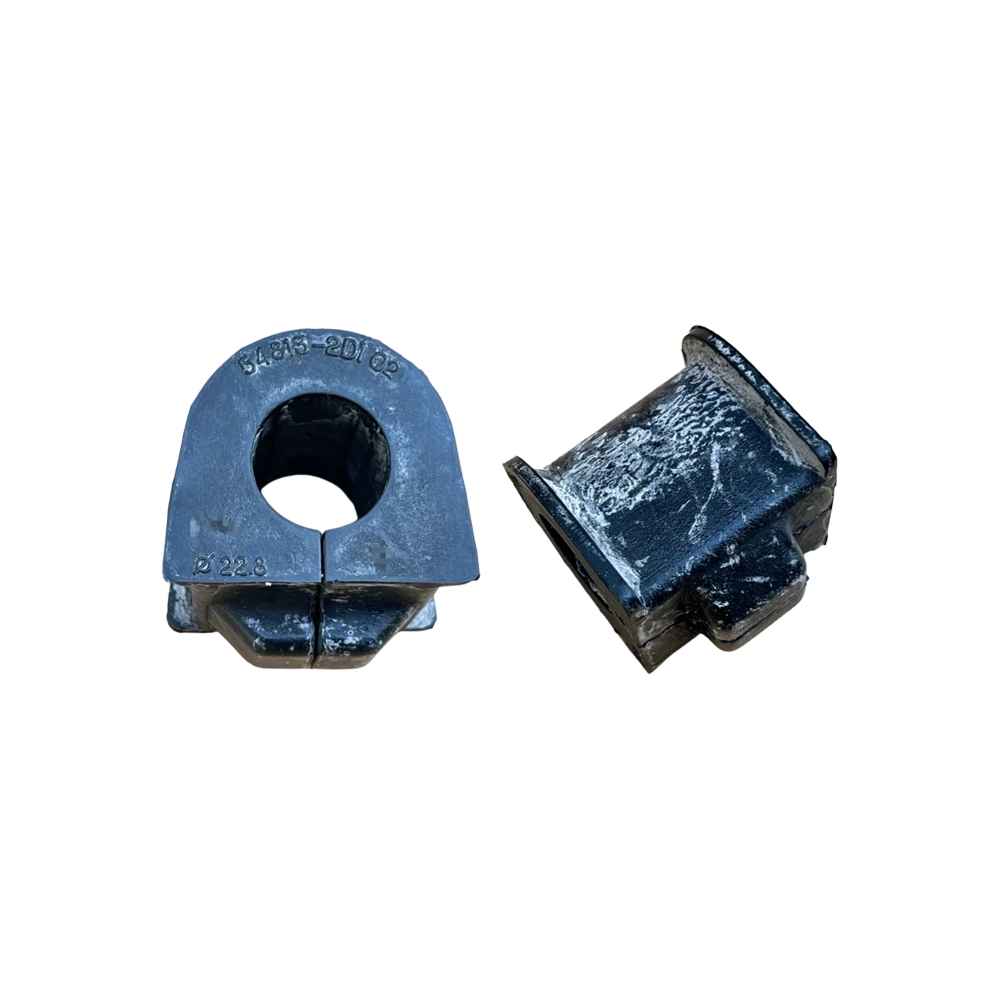
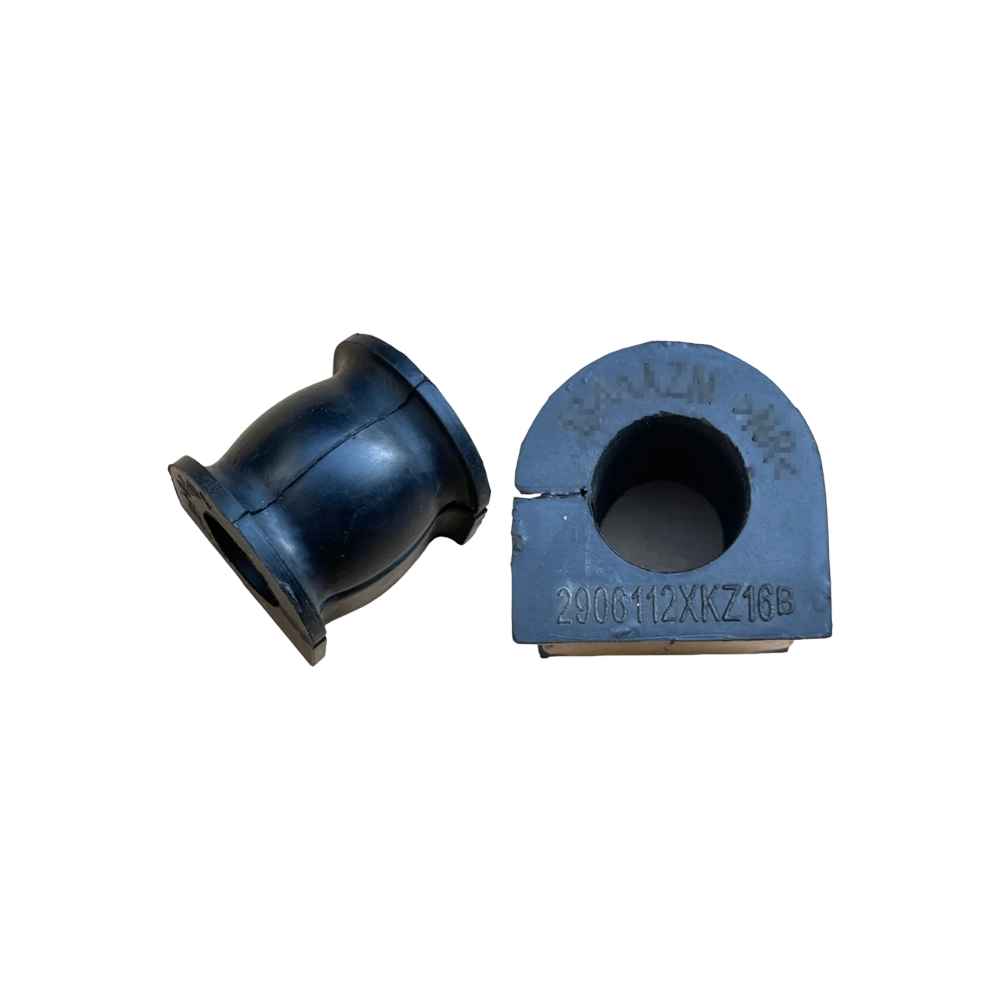
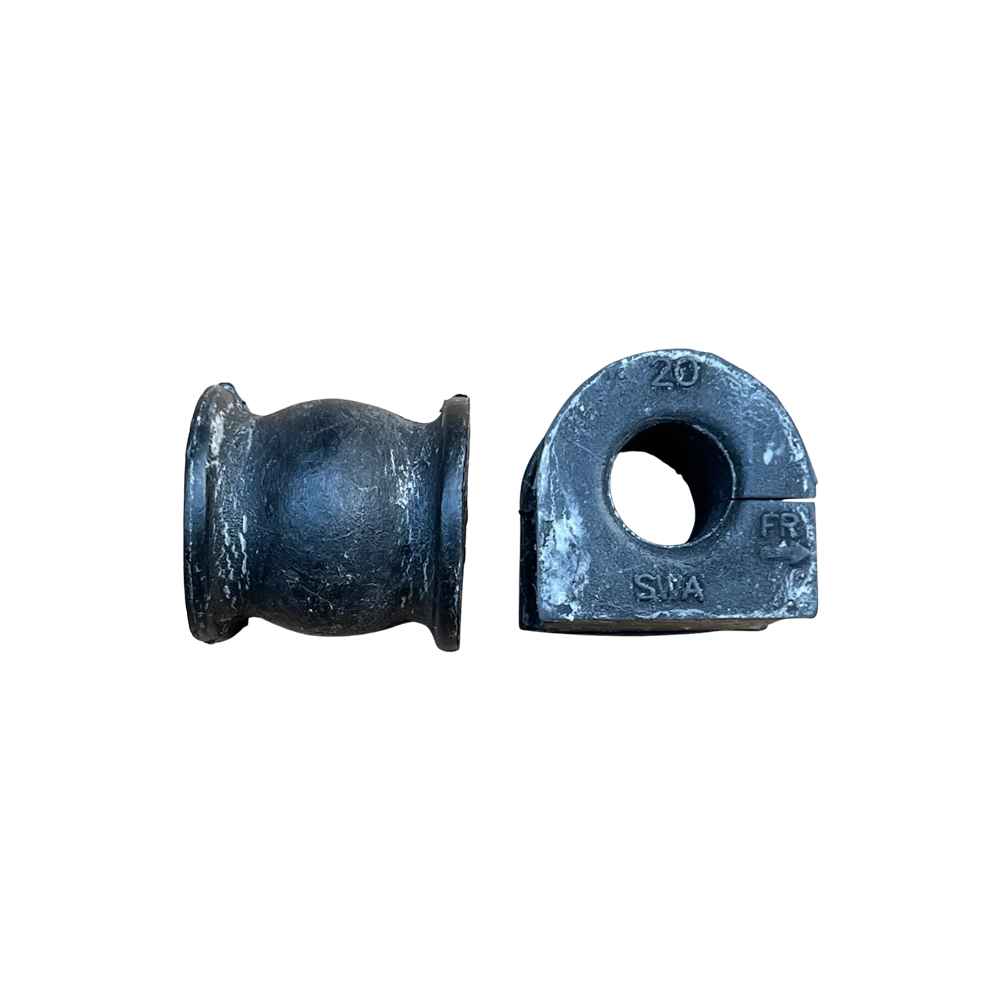
Now, let’s get into the nitty-gritty of materials. Sway bar bushings come typically in rubber, polyurethane, or even silicone compounds. Each material has its pros and cons:
- Rubber: Traditional and cost-effective, rubber bushings provide decent cushioning but may wear out faster under extreme conditions.
- Polyurethane: These are more durable and offer superior performance. They also resist environmental damage, but they might create a stiffer ride.
- Silicone: This is gaining popularity due to its flexibility and longevity, although it often comes at a higher price point.
Durability & Performance Trade-offs
When you're choosing between these materials, keep in mind how you use your vehicle. For example, if you’re regularly off-roading or hitting the track, you’d want something like polyurethane. It can withstand rigorous conditions much better than standard rubber. However, rubber might suffice for daily commutes.

One thing to note—over time, all materials can degrade. Ever heard of "suspension fatigue"? It's when components lose their integrity after constant stress, especially in a harsh environment. Regularly replacing your sway bar bushings can prevent this issue, giving your vehicle an edge in handling.
Wholesale Pricing Insights
Alright, let’s talk numbers. When sourcing sway bar bushings, pricing can vary significantly based on several factors:
- Material: As mentioned earlier, polyurethane tends to be pricier than rubber.
- Brand: Brands like Guanghua have developed a reputation for quality, and this does reflect in the price.
- Bulk Orders: Buying wholesale can save you a chunk of change. If you’re part of a workshop or frequently replace parts, consider stocking up!
Why Consider Wholesale?
If you run a repair shop, not only would bulk purchasing allow you to negotiate better rates, but you’d also ensure consistent quality across your repairs. Keeping a variety of sway bar bushings on hand can expedite service time and boost customer satisfaction.
Final Thoughts on Sway Bar Bushings
In summary, whether you’re eyeing front or rear sway bars, understanding the materials and durability can lead you toward making informed decisions. Don’t overlook the importance of bushings; they might be small, but they wield significant power in your vehicle's performance. Plus, keeping an eye on wholesale pricing could just save you some valuable dough in the long run!