Understanding ACM, NBR, Viton, and Silicone
When it comes to selecting materials for heat-resistant applications, the choices can be overwhelming. Among the most commonly used materials are ACM (Acrylic Copolymer), NBR (Nitrile Butadiene Rubber), Viton (Fluoroelastomer), and silicone. Each material has unique properties that make it suitable for specific situations. In this guide, we will explore these materials in detail, focusing on their durability, applications, and wholesale pricing insights.
ACM: The Versatile Choice
ACM is known for its excellent resistance to heat, oxidation, and weathering. Often used in automotive applications, such as valve cover gaskets and O-Rings & Rubber Sealing Rings , ACM performs well under extreme conditions. Its ability to maintain flexibility and strength over a wide temperature range sets it apart from other materials.
- Temperature Range: Typically up to 150°C (302°F).
- Applications: Gaskets, seals, and automotive components.
- Durability: Good resistance to aging and oil.
NBR: The Oil-Resistant Champion
NBR, or nitrile rubber, is particularly favored in applications where oil and fuel resistance is critical. This makes it a popular choice for CV Joint Boots and Steering Rack Boots in vehicles. However, one should note that while NBR excels in oil resistance, it may not perform as well in high-temperature environments compared to ACM or Viton.

- Temperature Range: Generally up to 120°C (248°F).
- Applications: Fuel systems, hydraulic hoses, and various seals.
- Durability: Excellent resistance to wear but weaker against ozone and UV rays.
Viton: Premium Performance Under Pressure
Viton is often considered the gold standard in elastomers due to its superior chemical resistance and thermal stability. It handles extreme temperatures exceptionally well, making it suitable for specialized applications. Industries like aerospace and chemical processing favor Viton because of these properties.
- Temperature Range: Can withstand up to 200°C (392°F) or higher.
- Applications: Seals in harsh chemical environments, fuel systems.
- Durability: Exceptional resistance to acids, bases, and fuels.
Silicone: The Flexible Performer
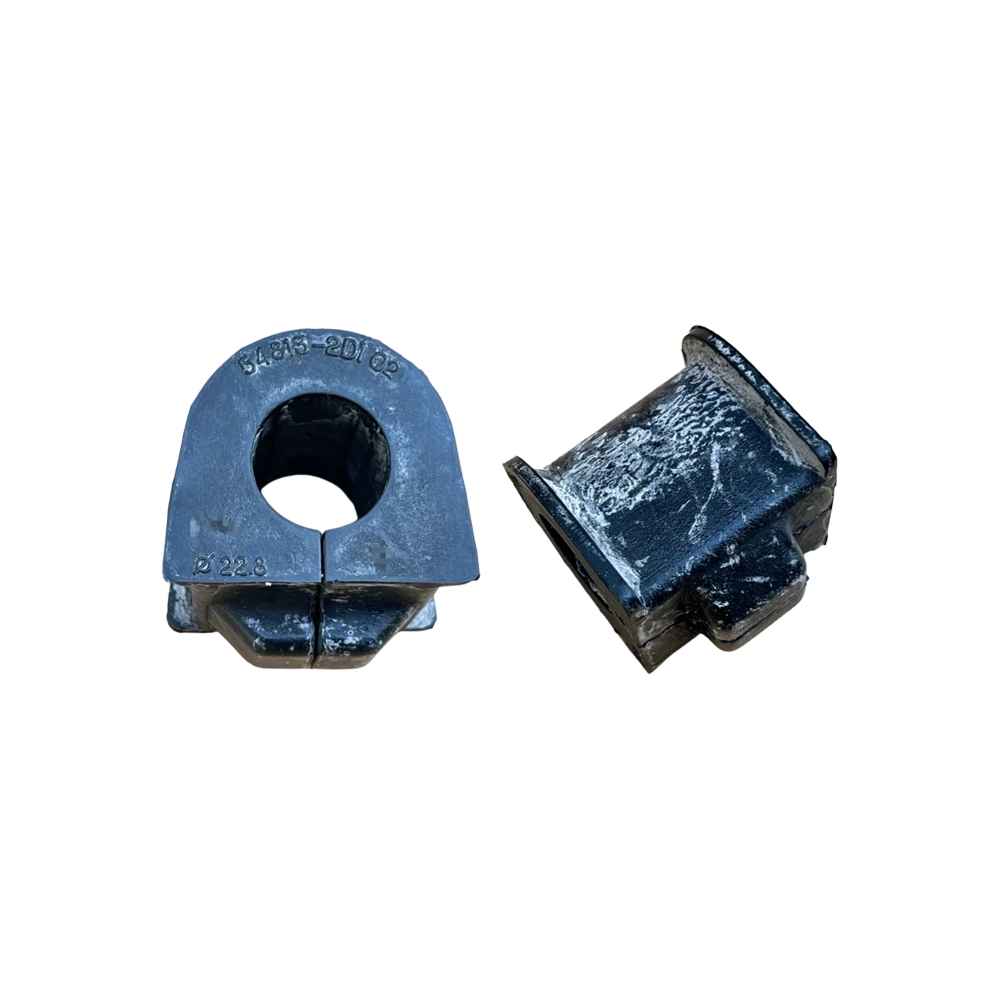
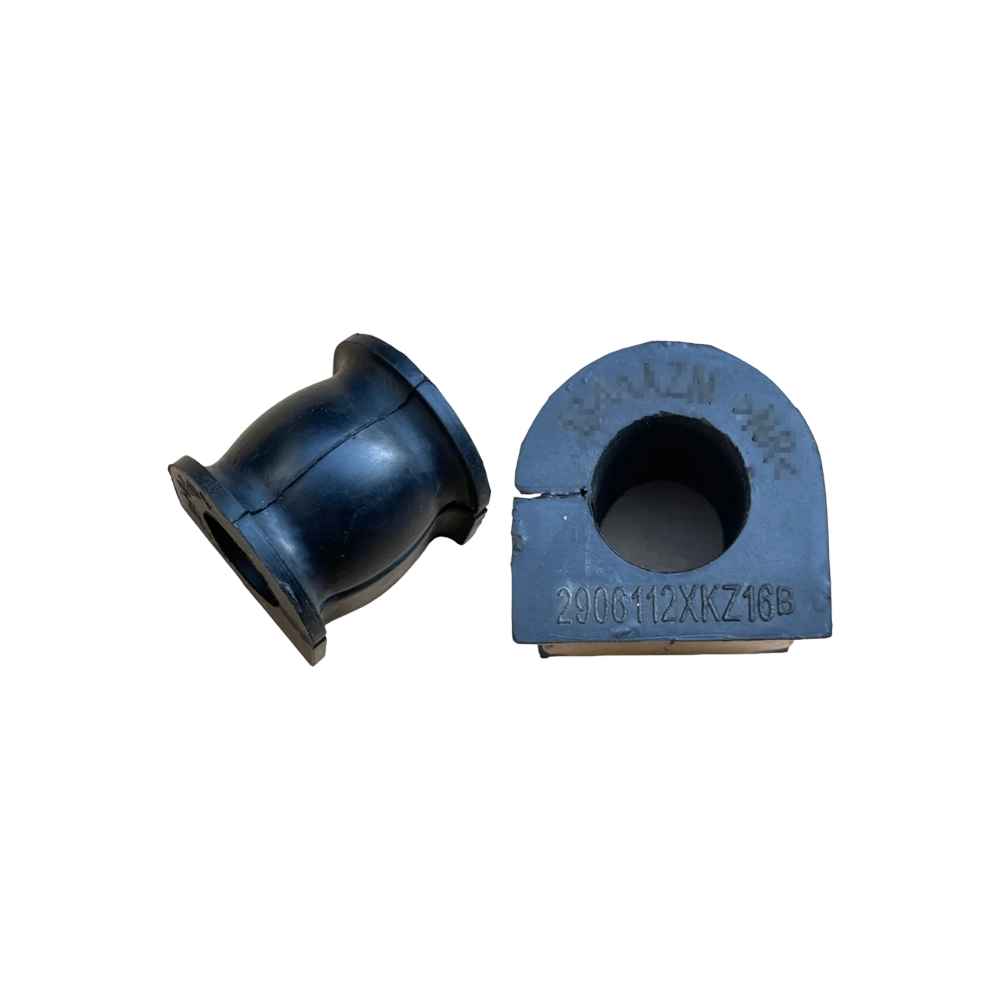
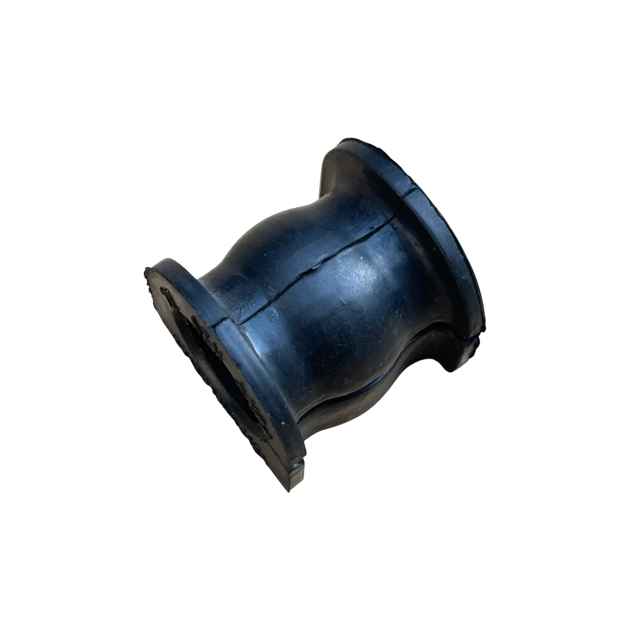
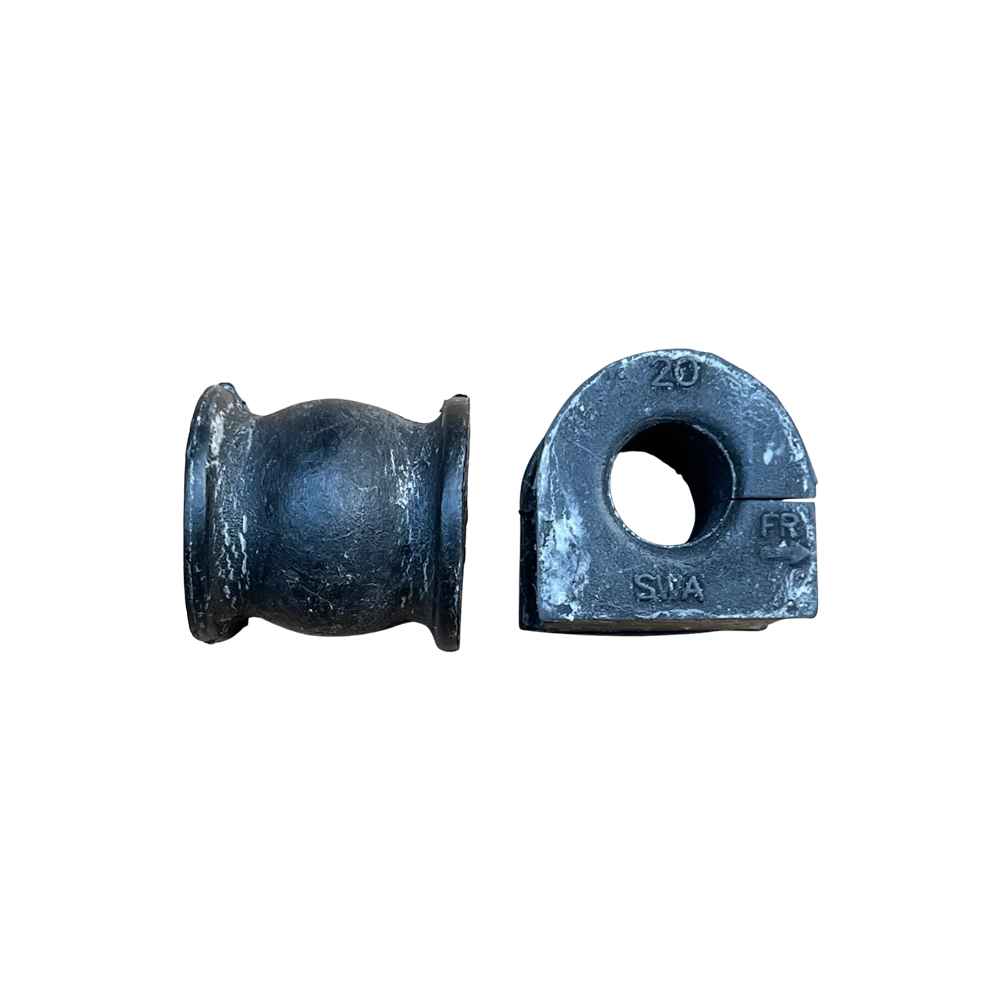
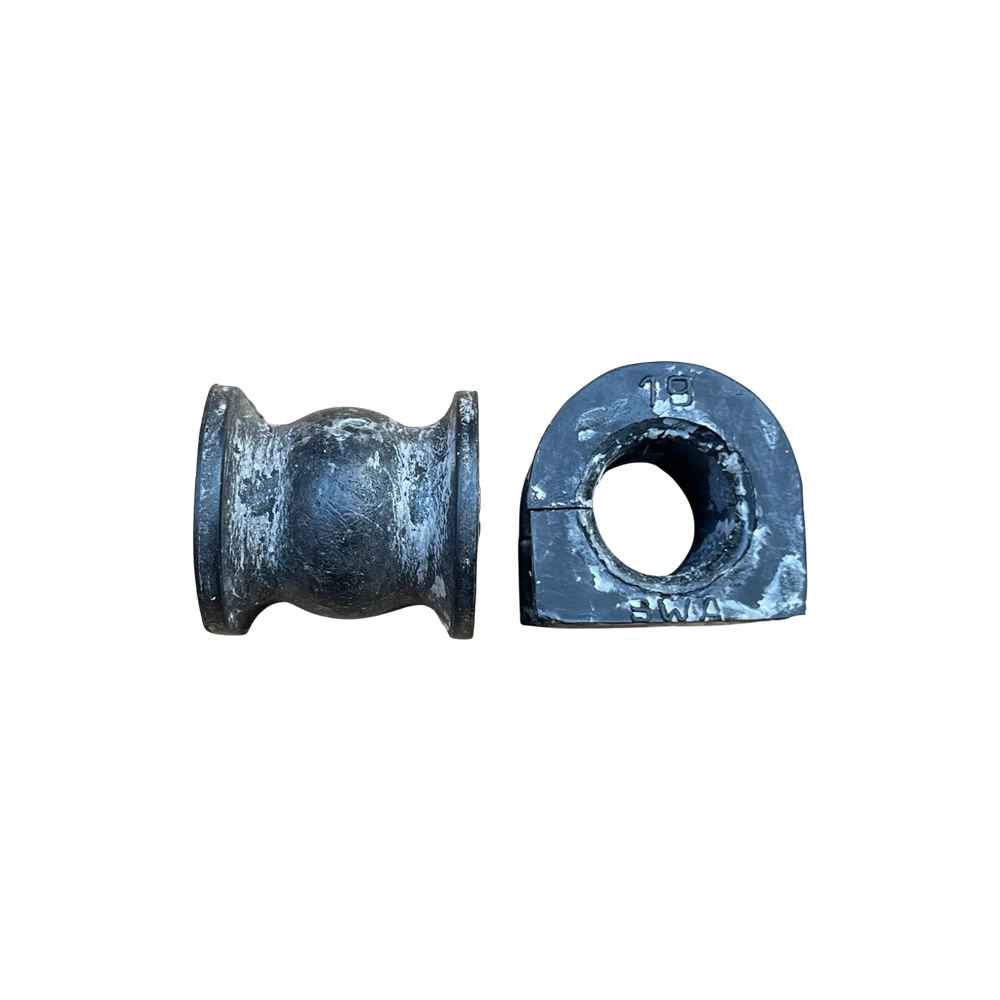
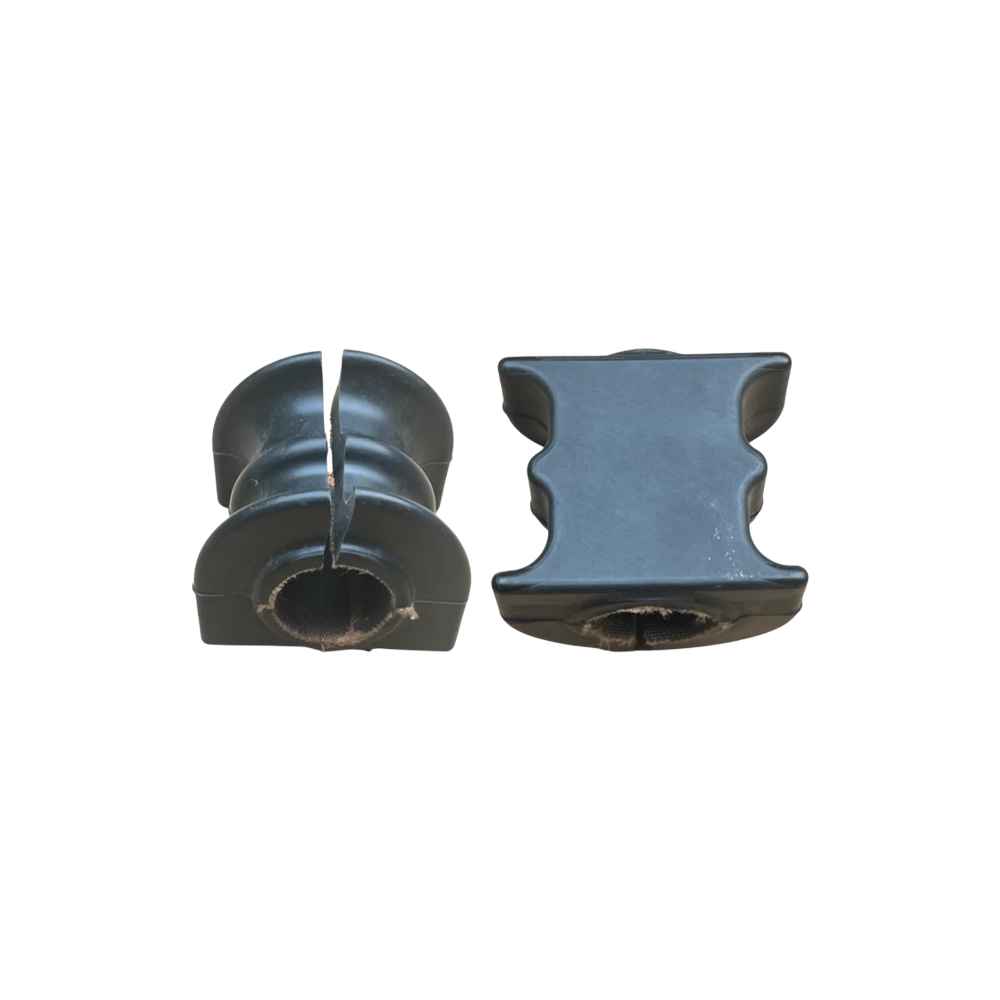
Silicone offers a unique advantage with its flexibility and resilience at both high and low temperatures. While it may not have the same oil resistance as NBR, it shines in applications needing a wide operating temperature range. Silicone is often seen in shock absorber boots and stabilizer bar bushings.
- Temperature Range: Operates effectively from -60°C (-76°F) to 230°C (446°F).
- Applications: Automotive seals, electrical insulation, and medical devices.
- Durability: Great weather resistance but less effective against oils.
Durability Comparison
Choosing between these materials requires a nuanced understanding of their durability. ACM generally provides good all-around performance, while NBR excels in oil-related settings. Viton emerges as the top performer in terms of chemical and thermal deterioration, while silicone offers unmatched flexibility across temperature variations.
In practical applications, the environment plays a crucial role in determining which material stands the test of time. For instance, automotive components subjected to high temperatures and exposure to oils will benefit more from NBR or Victon, whereas parts needing flexibility might prefer silicone.
Wholesale Pricing Insights
When analyzing wholesale prices for these materials, several factors come into play, including raw material costs, manufacturing processes, and market demand. Typically, ACM and NBR tend to be more cost-effective options for general applications, while Viton commands a premium price due to its superior properties.
- Typical Price Range for ACM: $5 - $15 per kg.
- Typical Price Range for NBR: $4 - $12 per kg.
- Typical Price Range for Viton: $20 - $50 per kg.
- Typical Price Range for Silicone: $10 - $30 per kg.
The Role of Quality Manufacturers
Partnering with reputable manufacturers like Guanghua is essential for obtaining high-quality materials. A reliable source can ensure consistent quality and provide valuable insights about the best materials for your specific needs. Furthermore, working directly with wholesalers allows for better pricing negotiations, especially for bulk orders.
Conclusion
In summary, the choice among ACM, NBR, Viton, and silicone largely depends on the specific requirements of the application. Understanding the attributes and limitations of each material will enable you to make informed decisions that enhance performance and longevity. Always consider sourcing from trusted brands and manufacturers to ensure optimal outcomes in your projects.