Understanding Hydraulic Steering and Suspension Protection Bellows
In the automotive industry, ensuring that critical components remain protected against external elements is vital. This is where hydraulic steering and suspension protection bellows come into play. These components are designed to safeguard sensitive parts from dirt, moisture, and debris while contributing to overall vehicle performance.
Materials Used in Bellows
The choice of materials for both hydraulic steering and suspension protection bellows significantly impacts their effectiveness and longevity. Common materials include:
- Rubber: Traditional and widely used due to its flexibility and resilience. Rubber bellows can absorb vibrations well but might degrade over time due to UV exposure or extreme temperatures.
- Polyurethane: Offers better abrasion resistance compared to rubber. This material is more durable and provides a longer lifespan, making it an attractive option for high-performance applications.
- Thermoplastic Elastomers (TPE): A blend of plastic and rubber properties, TPEs offer improved chemical resistance and enhanced durability. They are increasingly popular for modern vehicles.
Durability Considerations
When selecting between hydraulic steering bellows and suspension protection bellows, durability is a key factor. The environment where these components will operate greatly influences their lifespan. For instance, vehicles operating in harsh conditions with frequent exposure to chemicals or extreme temperatures require more robust solutions.
For example, CV Joint Boots are often made from reinforced rubber or thermoplastics to withstand the constant movement and stress placed upon them. Similarly, Steering Rack Boots must endure significant pressure while ensuring proper function, making the right material selection crucial.
Wholesale Pricing Insights
Understanding market dynamics is essential when it comes to pricing strategies for wholesale purchases of bellows. Factors influencing pricing include:
- Material Type: Higher-quality materials like polyurethane generally come at a premium price compared to standard rubber options.
- Production Volume: Bulk orders often result in reduced costs per unit, as manufacturers can optimize production efficiency.
- Brand Influence: Renowned brands such as Guanghua may charge more due to their reputation for quality, but they often provide superior durability and reliability.
Comparative Analysis: Hydraulic Steering vs. Suspension Protection
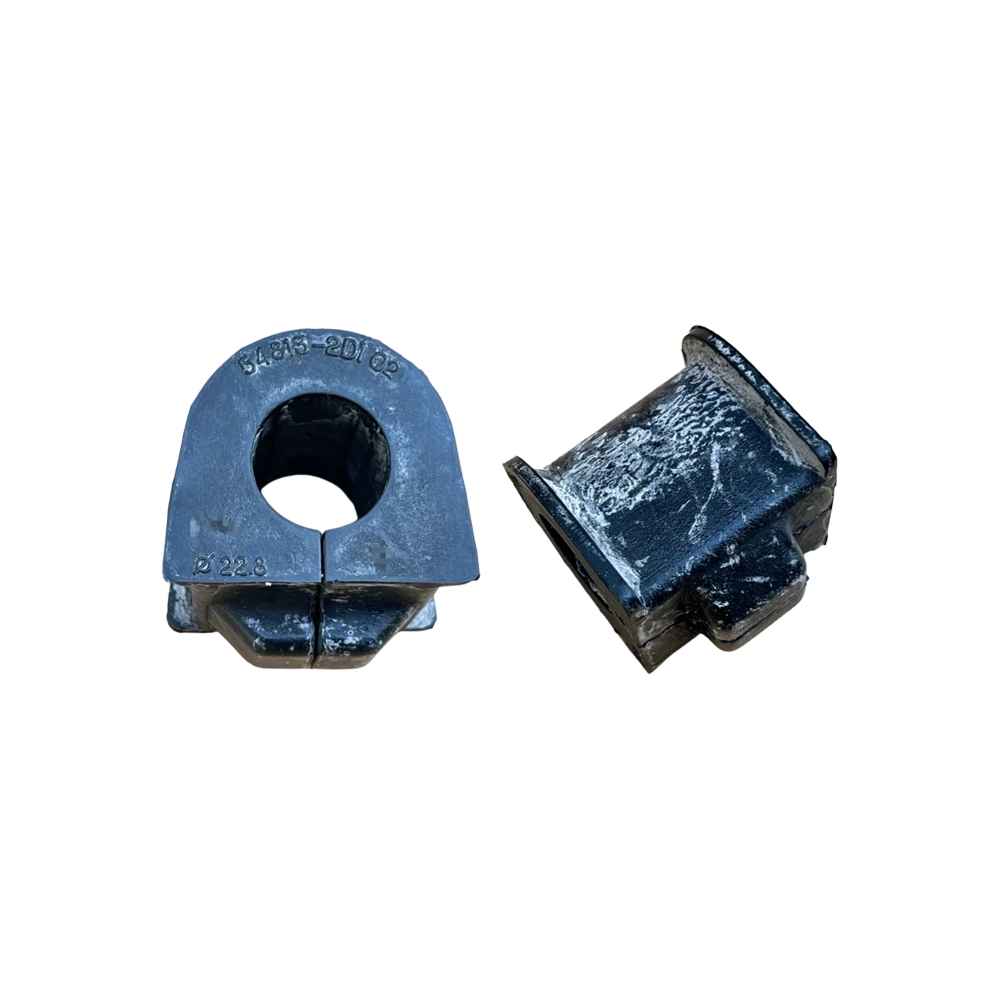
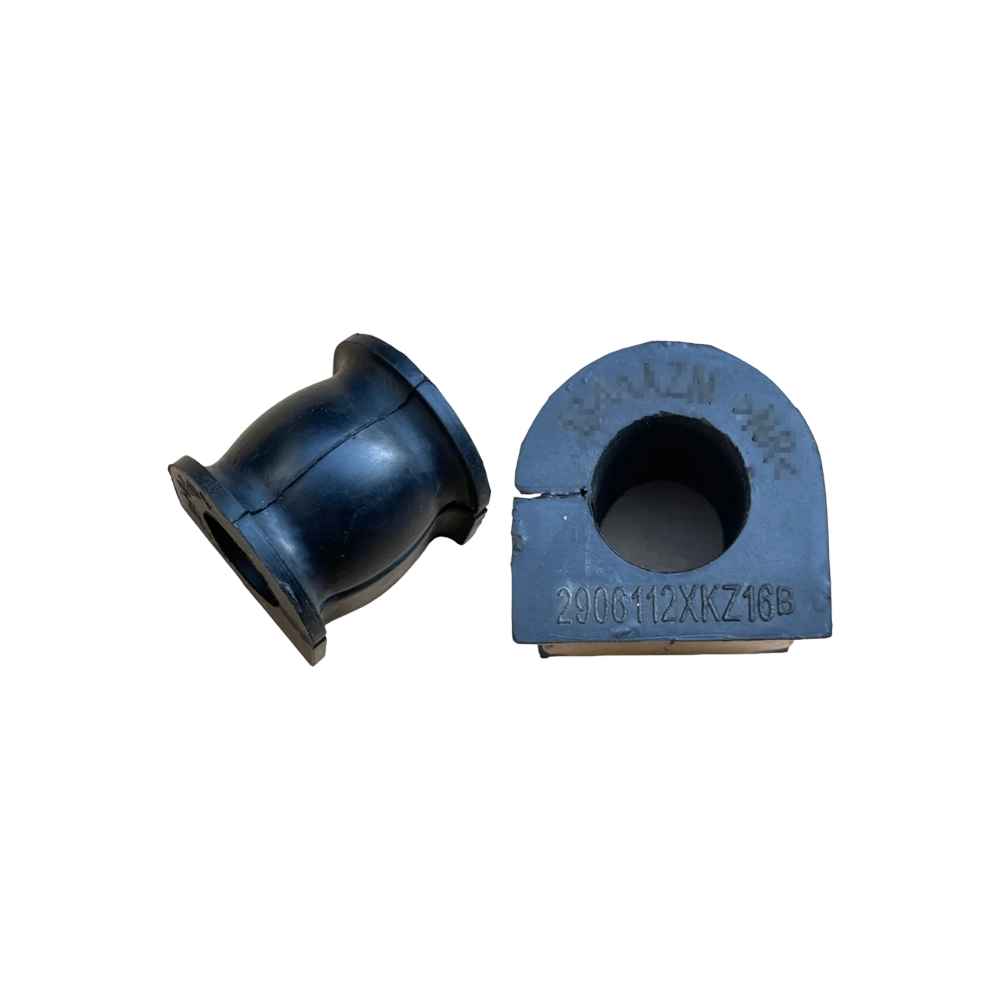
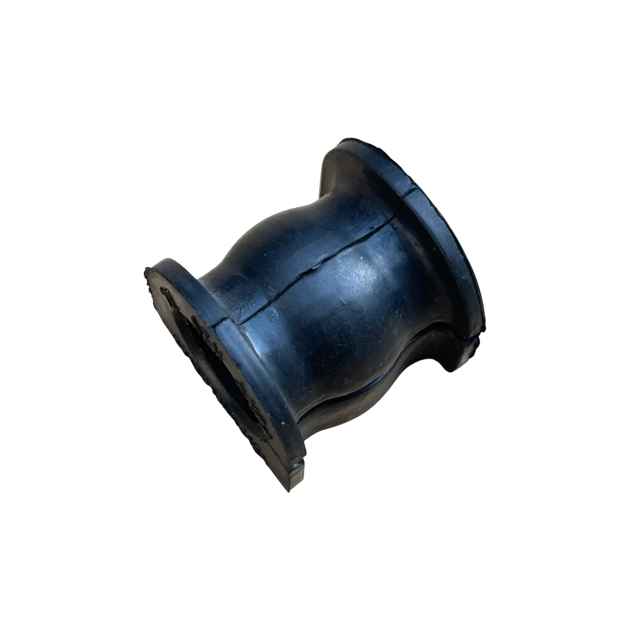
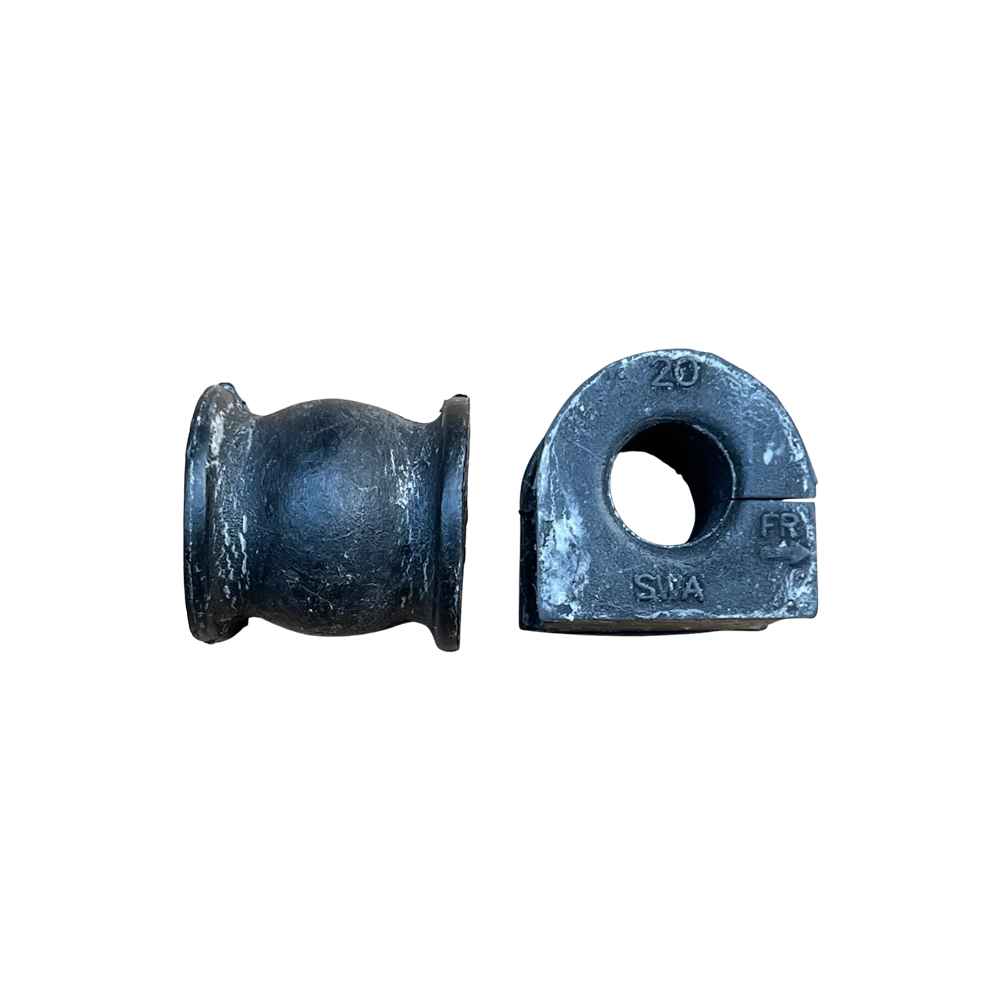
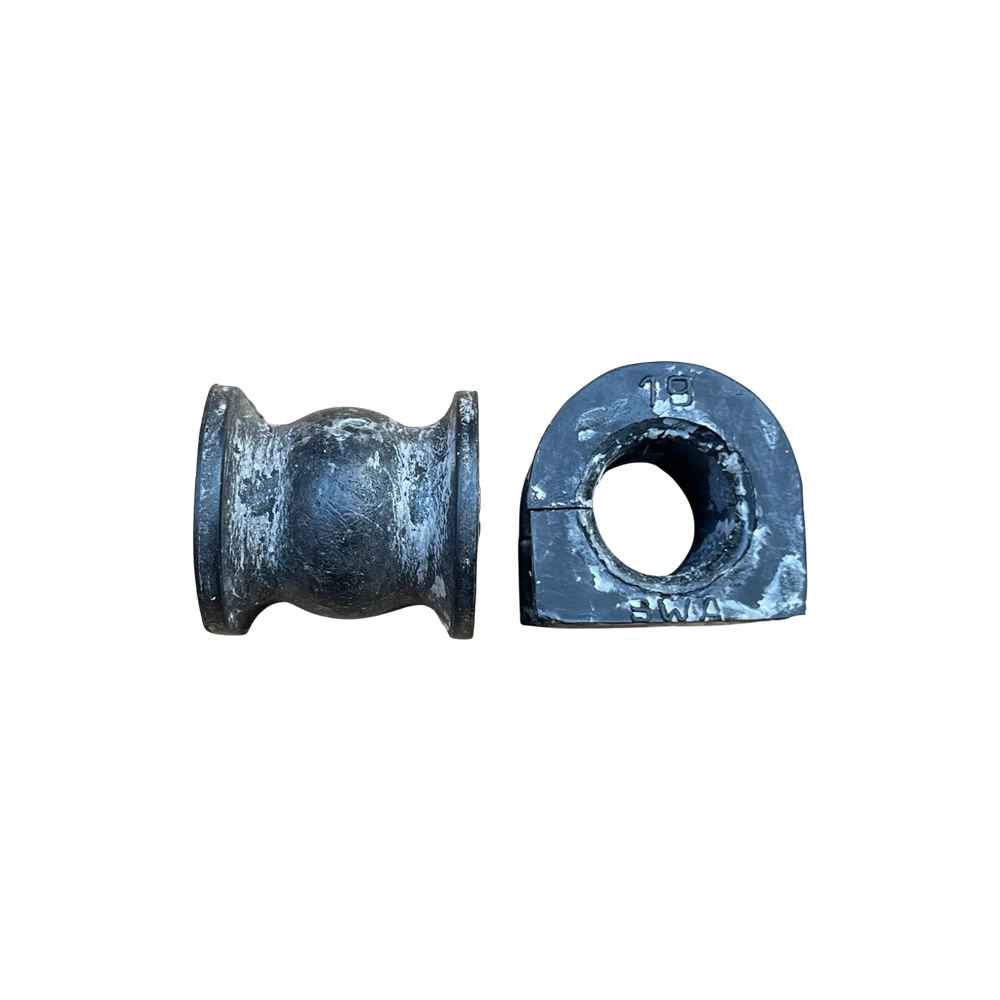
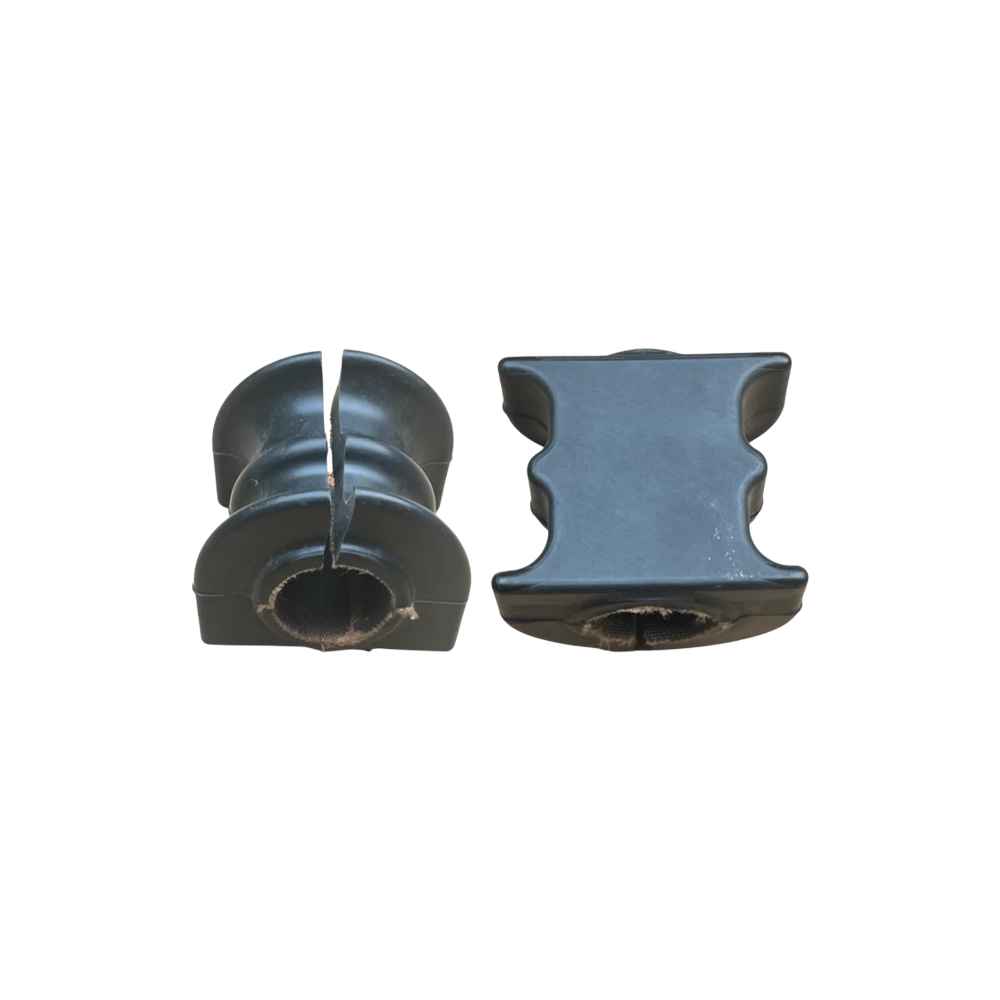
Both hydraulic steering and suspension protection bellows serve distinct purposes within a vehicle's system. Hydraulic steering bellows primarily focus on protecting the steering mechanism while ensuring smooth operation without contamination. In contrast, suspension protection bellows shield various components, including shock absorbers and Stabilizer Bar Bushings , from environmental damage.
Case Study: Analyzing Real-World Applications
Consider a fleet management scenario where vehicles frequently navigate rough terrains. Using high-grade polyurethane bellows can dramatically reduce maintenance frequency and prolong component life. In contrast, opting for cheaper, lower-grade rubber alternatives could lead to premature failures and costly repairs.
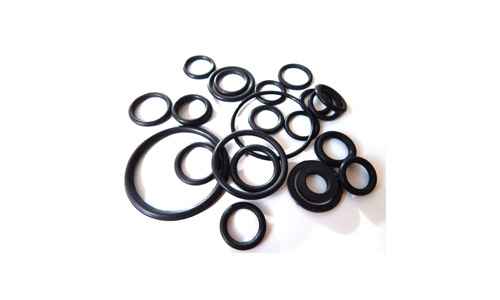
Implementing reliable O-rings & rubber sealing rings in conjunction with bellows can enhance the effectiveness of the sealing systems, ensuring comprehensive protection against leaks and failures.
Best Practices for Selection and Maintenance
Selecting the right bellows goes beyond just picking a material; it involves evaluating the specific application requirements. Regular inspections and maintenance should not be overlooked. Keeping an eye on wear signs, especially in challenging environments, can prevent unexpected breakdowns.
For instance, if you notice any cracks or deformities in your hydraulic steering boots, it's crucial to replace them immediately to avoid damage to the steering system.
Conclusion on Investment Value
Investing in high-quality bellows, whether they're for hydraulic steering or suspension protection, often pays off in the long run through increased durability and reduced maintenance costs. While upfront costs may seem higher, the benefits of fewer repairs and longer-lasting components are undeniable. Ultimately, understanding materials, durability, and pricing helps make informed decisions tailored to specific vehicle needs.