Understanding Bushings in Suspension Systems
Bushings are critical components in a vehicle's suspension system, serving to isolate and cushion the connection between various parts. They play a pivotal role in enhancing ride quality, handling, and reducing noise. Among the various types of bushings used in modern vehicles, inner, outer, and Stabilizer Bar Bushings often come under scrutiny for their distinct functions and materials.
Inner vs. Outer Bushings: Definitions and Functions
Inner bushings typically refer to those that are situated closer to the vehicle's frame, while outer bushings connect suspension components away from the frame. Each type operates under different conditions and experiences varying levels of stress during vehicle operation.
- Inner Bushings: These bushings are primarily responsible for maintaining the alignment of suspension components. They deal with vertical loads and lateral forces, which can significantly impact tire wear and overall vehicle stability.
- Outer Bushings: Positioned at the extremities of the suspension system, outer bushings help absorb impacts from rough roads. Their positioning makes them crucial for handling and ride comfort, particularly when negotiating sharp turns or uneven surfaces.
Stabilizer Bar Bushings : The Unsung Heroes
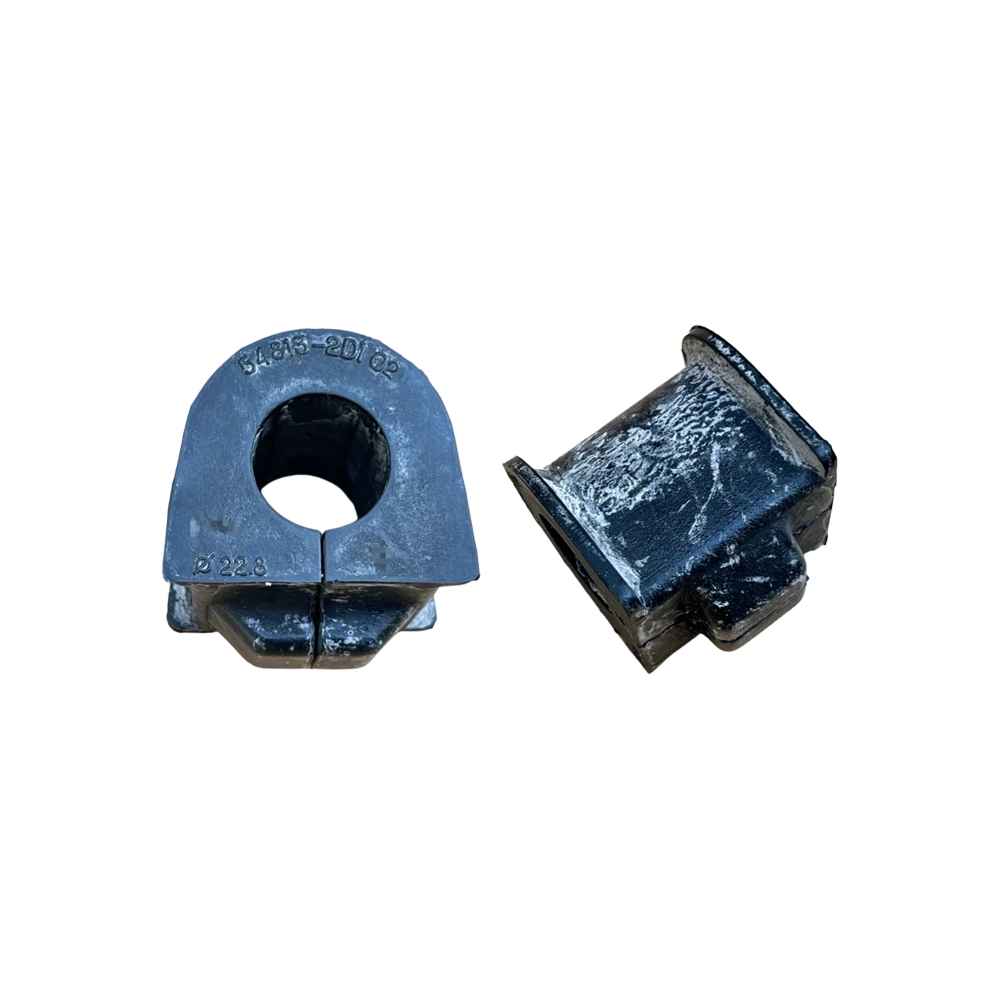
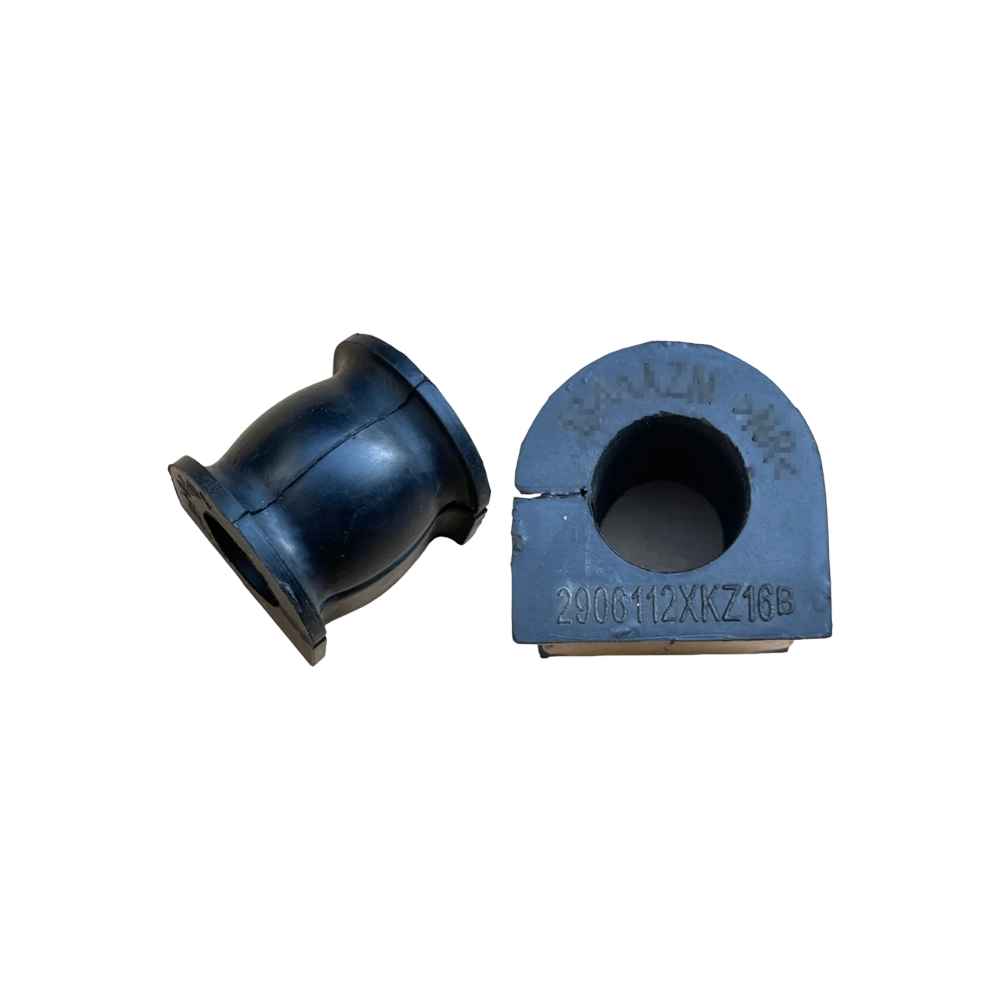
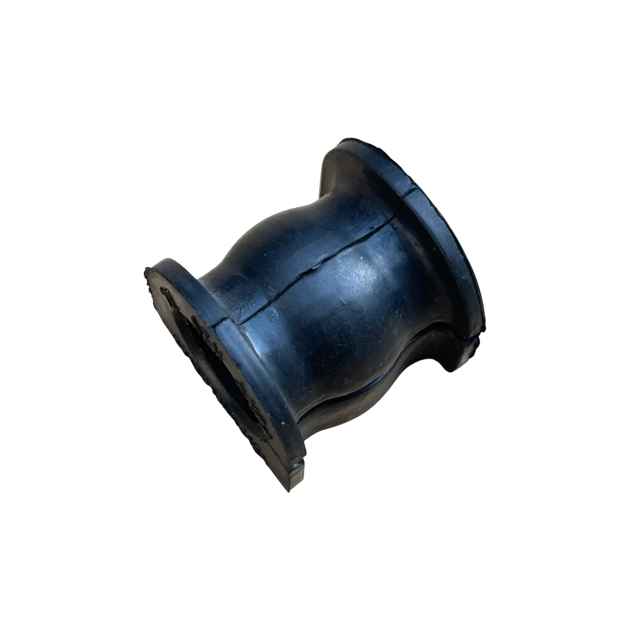
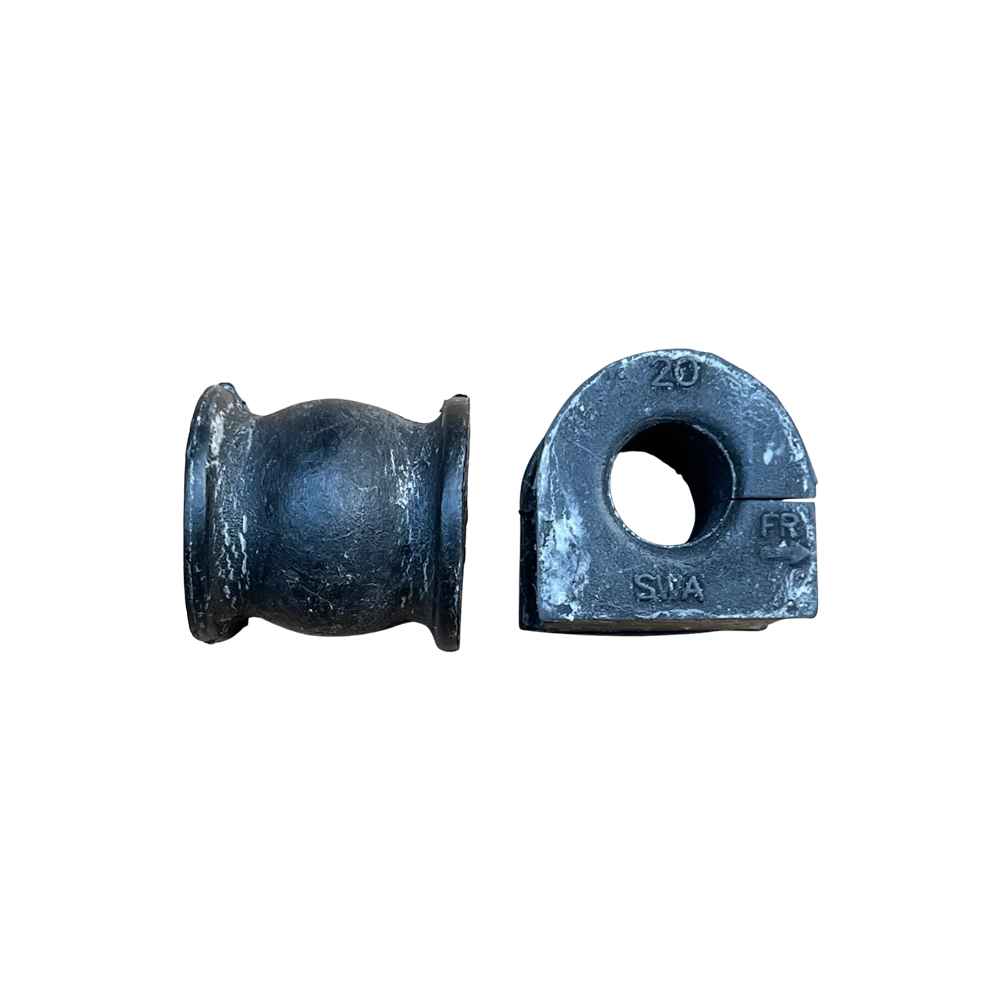
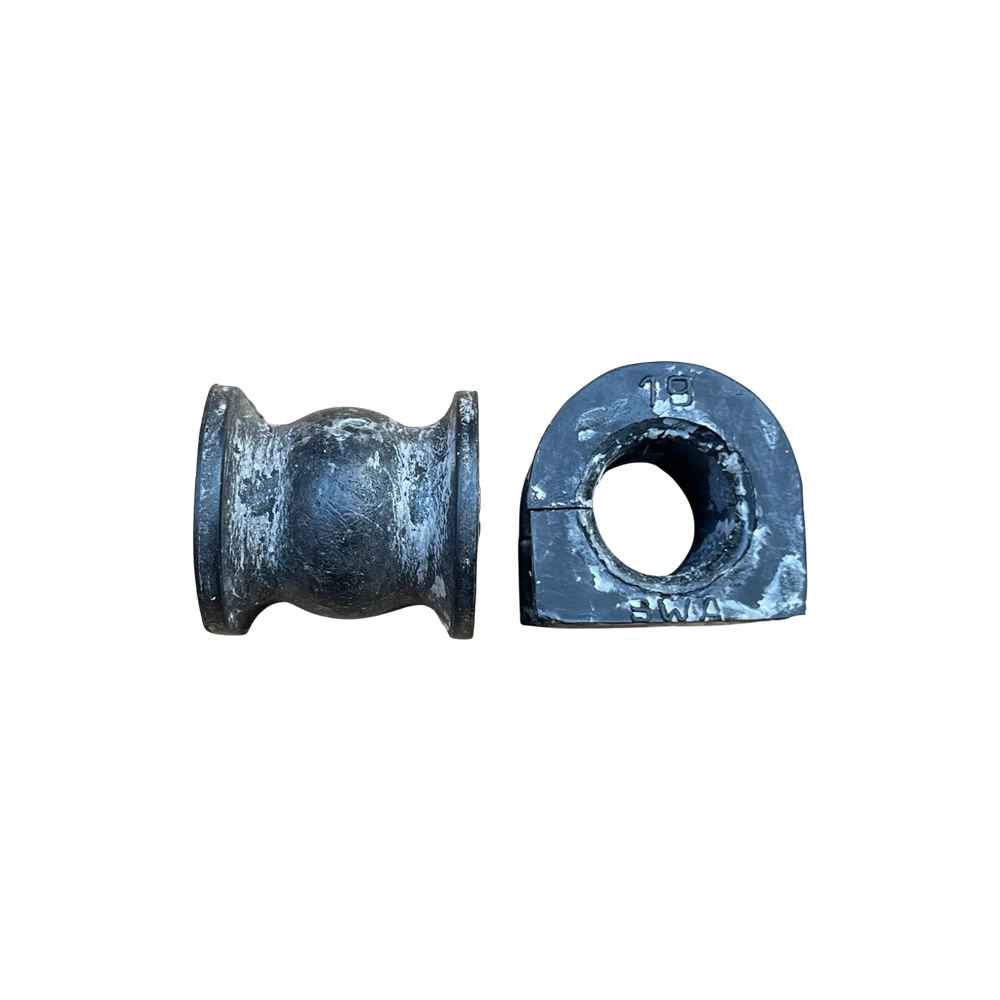
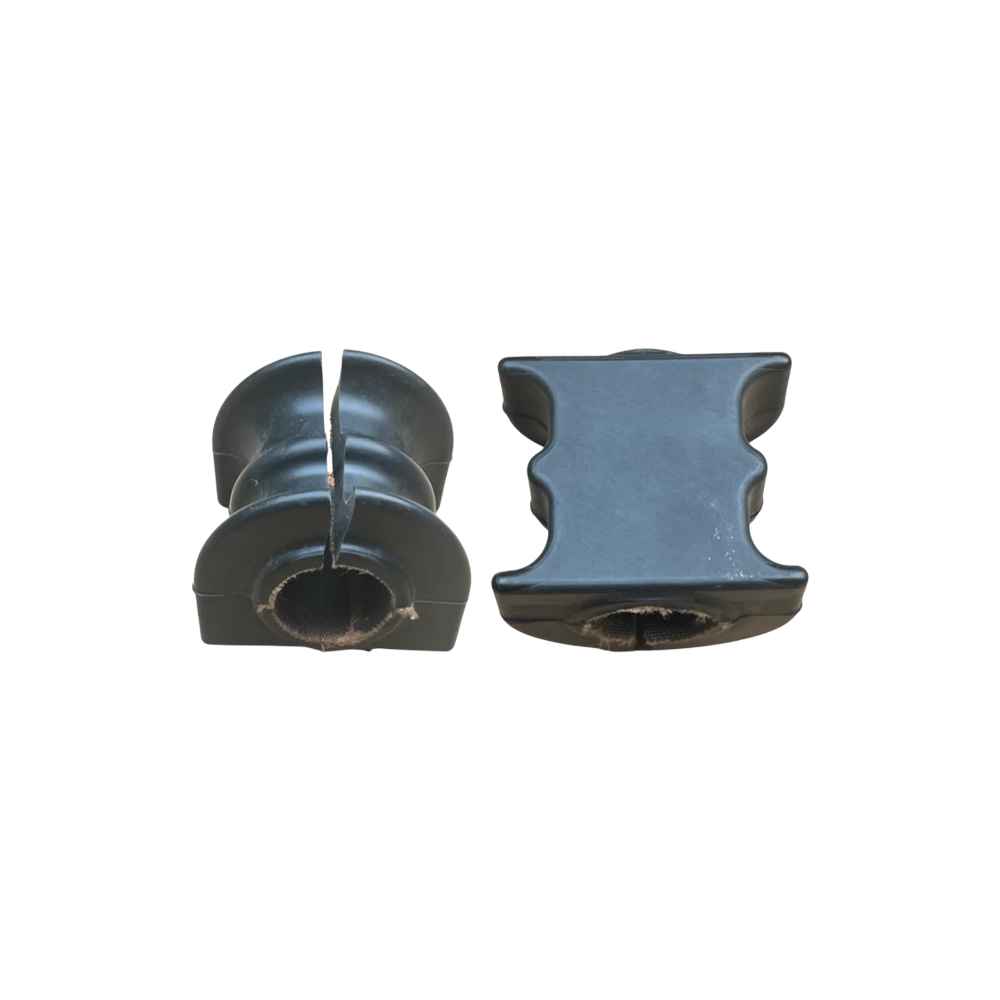
The stabilizer bar, also known as an anti-roll bar, is essential for reducing body roll when a vehicle is cornering. This component relies heavily on Stabilizer Bar Bushings , which allow for some flexibility while maintaining control. Typically made from rubber or polyurethane, these bushings must withstand substantial torsional stress.
Given their critical role, the condition of stabilizer bar bushings should not be overlooked. Worn-out bushings can lead to decreased handling performance and increased cabin noise, making it essential to periodically inspect these components.
Materials Used in Bushings
The selection of materials for bushings is paramount to achieving durability and performance. Various materials have unique properties that lend themselves to specific applications:
- Rubber: Traditionally the most common material, rubber bushings provide a good balance of flexibility and cushioning. However, they can deteriorate over time due to ozone exposure and extreme temperatures.
- Polyurethane: Offering superior strength and longevity compared to rubber, polyurethane bushings are becoming increasingly popular. They resist wear better and often enhance vehicle responsiveness but may transmit more road noise into the cabin.
- Composite Materials: Some high-performance applications utilize composite materials that combine the benefits of rubber and polyurethane. These materials ensure minimal friction and improved longevity.
Cost Insights for Bushings
When considering the installation or replacement of bushings, cost can vary widely based on several factors including material choice, labor costs, and brand reputation. For instance, brands like Guanghua may offer competitive pricing alongside reputable quality.
- Inner and Outer Bushings: Generally ranging from $20 to $100 per bushing, depending on the vehicle make and model.
- Stabilizer Bar Bushings: Often priced similarly to inner and outer bushings, though premium options may exceed $150.
It is advisable for vehicle owners to factor in both the cost of materials and potential labor expenses, which can add significantly to the overall expenditure if professional installation is required.
Installation Considerations
Replacing bushings, whether inner, outer, or stabilizer bar, should ideally be performed by trained professionals, especially given the complexity involved. Proper tools and techniques are essential to avoid damaging surrounding components, ensuring that the vehicle maintains its intended performance characteristics.
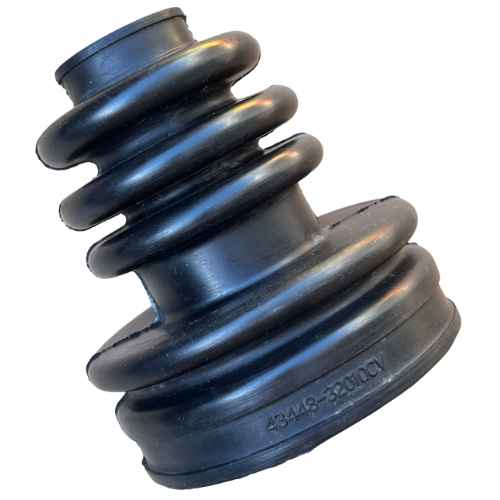
Furthermore, during installation, careful attention should be paid to the condition of related components such as CV Joint Boots, Steering Rack Boots, and Shock Absorber Boots. Ensuring that these parts are intact enhances the longevity and effectiveness of new bushings.
Conclusion
While understanding the differences between inner, outer, and stabilizer bar bushings is critical for any automotive enthusiast, being aware of the materials, costs, and installation intricacies further equips drivers with the knowledge needed to maintain their vehicles effectively. Regular inspections and timely replacements will not only enhance driving experience but also promote safety on the road.