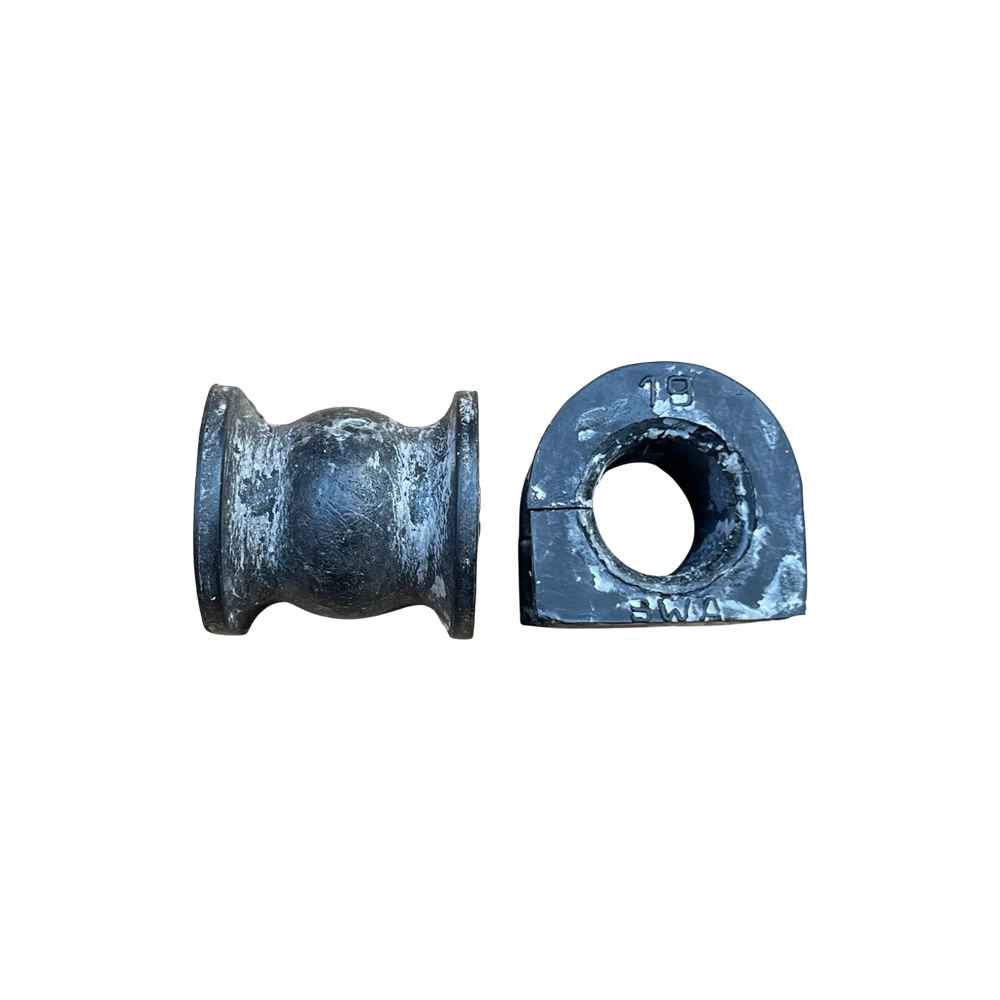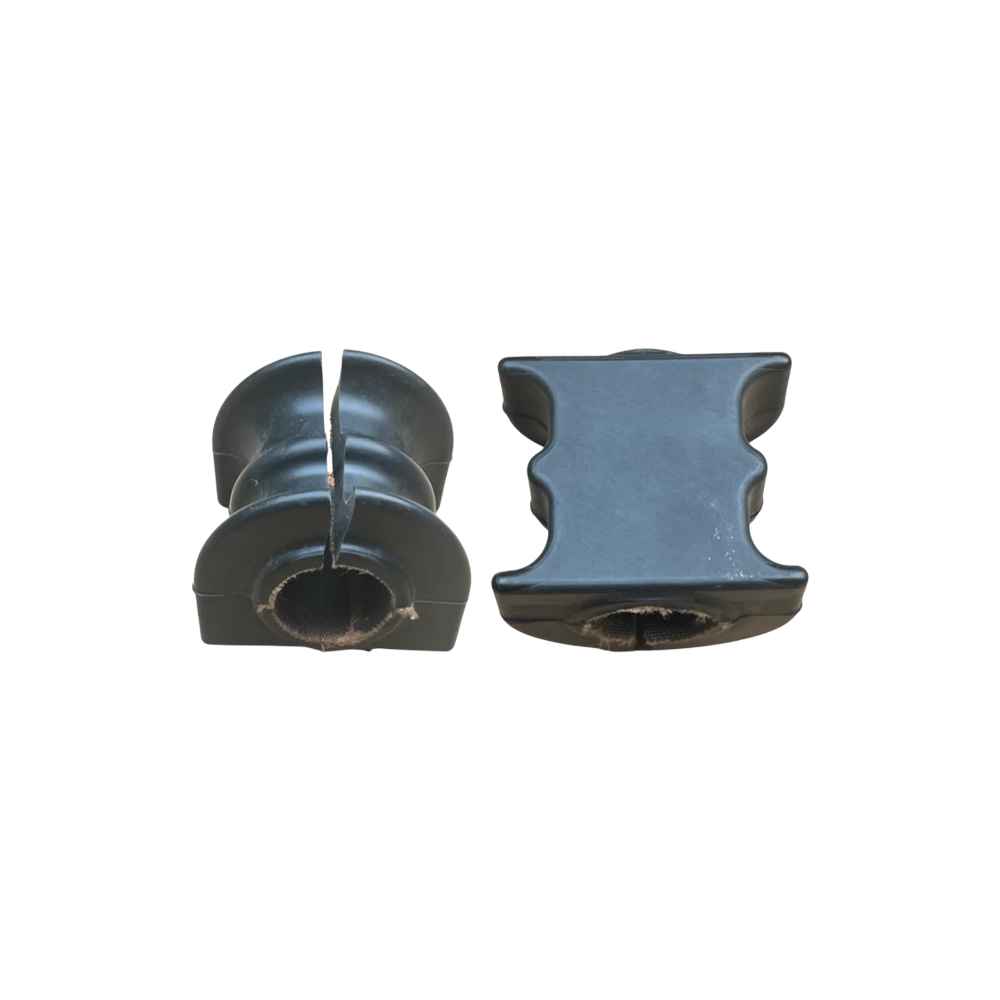
Understanding Sway Bar Bushings
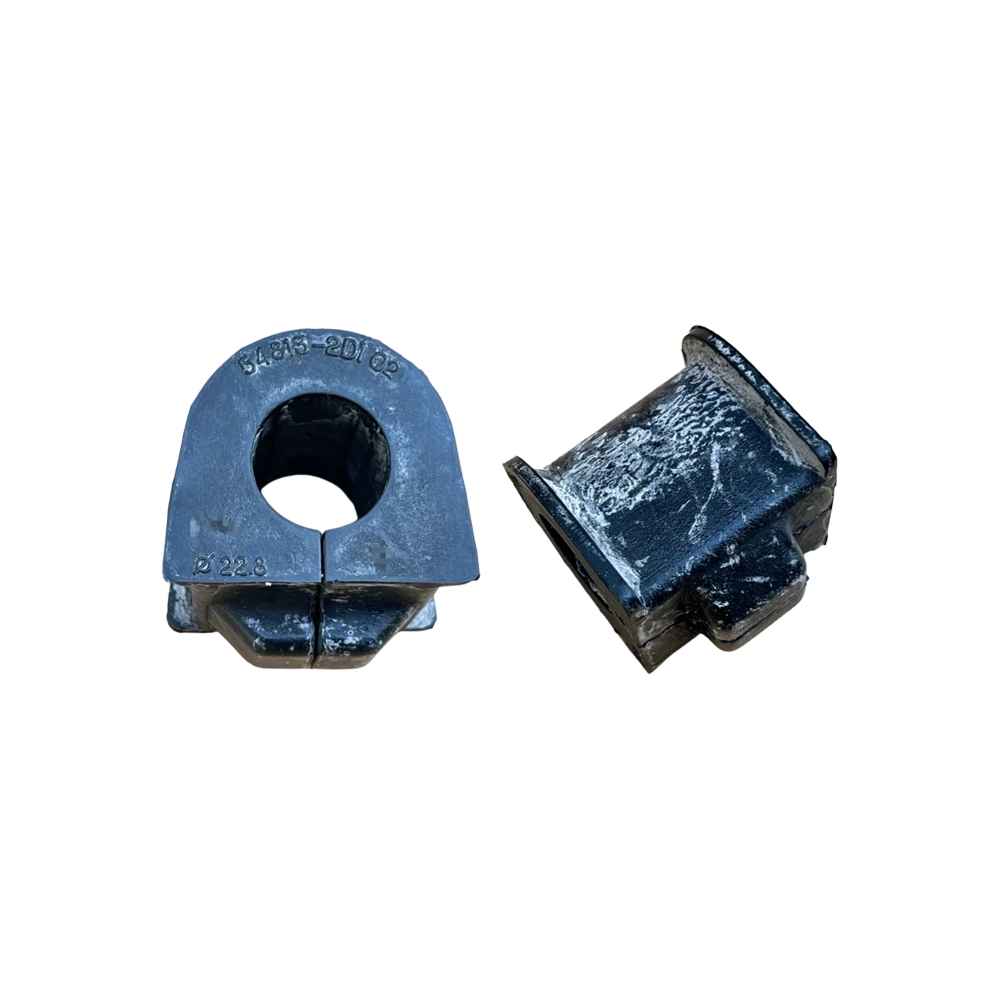
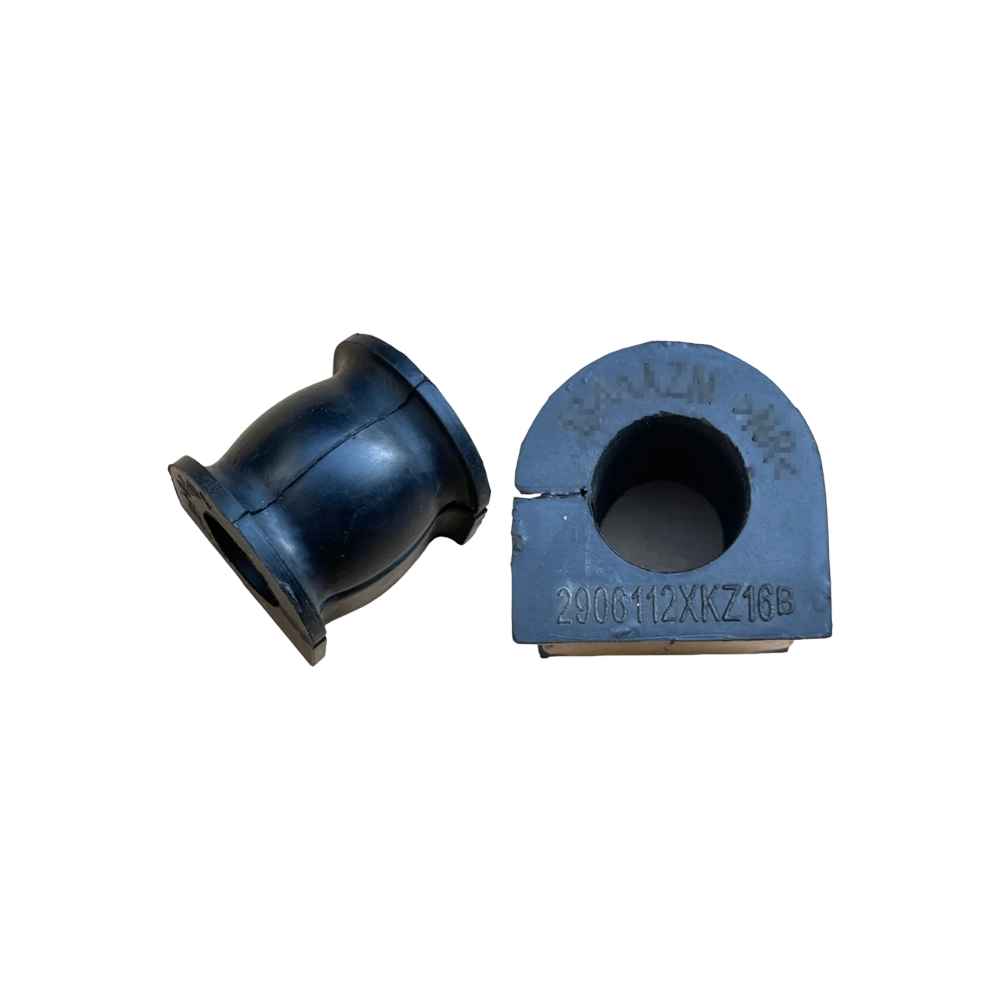
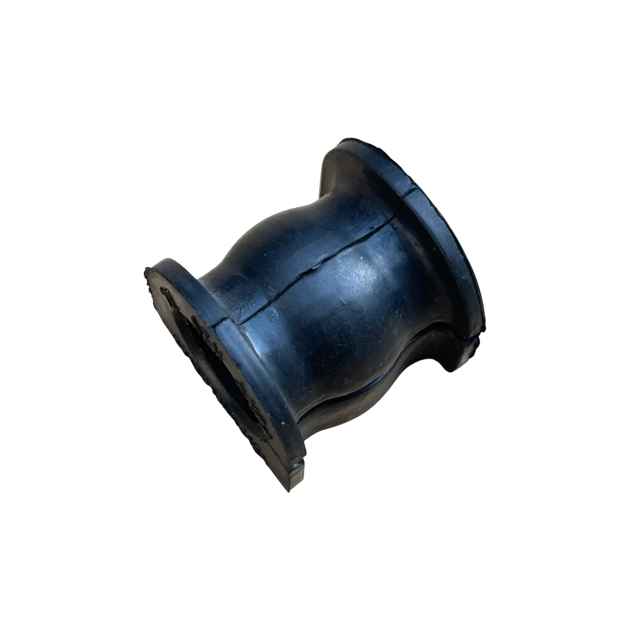
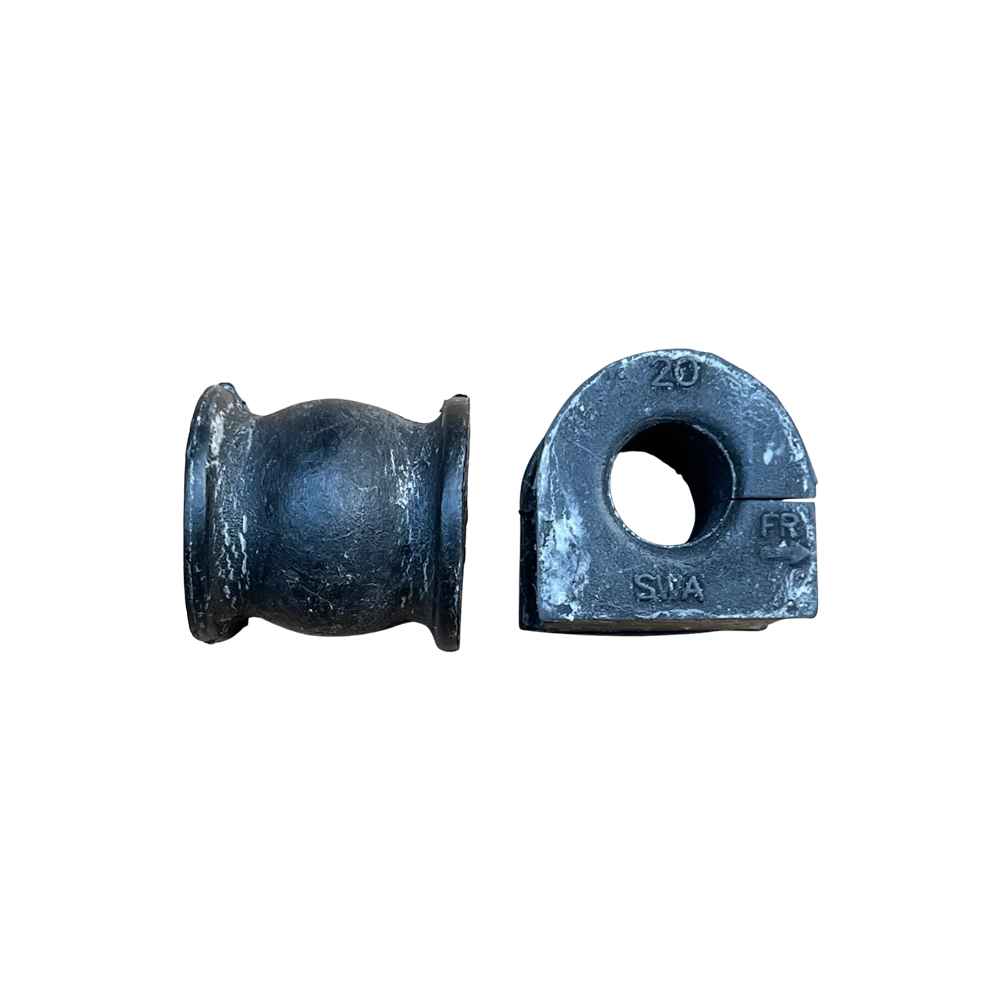
Sway bar bushings are essential components in a vehicle’s suspension system. They help reduce vibrations and keep the sway bar securely mounted, which is crucial for maintaining stability during turns. But, what exactly differentiates inner and outer sway bar bushings? Let’s dive into it.
Inner vs Outer Sway Bar Bushings
At first glance, you might think that all bushings are created equal. However, inner and outer sway bar bushings serve slightly different purposes:
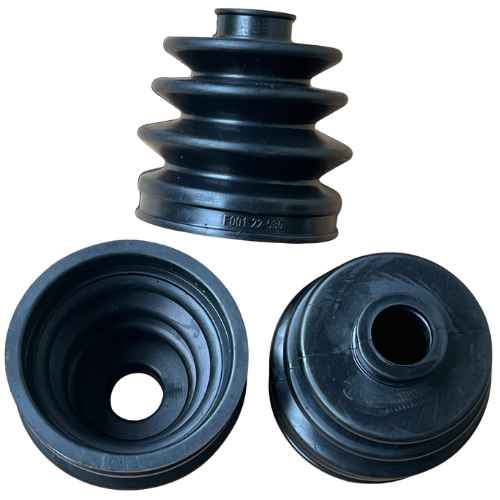
- Inner Sway Bar Bushings: These are located closer to the vehicle's chassis and provide support for the sway bar where it connects to the frame. They tend to wear out less quickly since they experience less movement.
- Outer Sway Bar Bushings: Positioned toward the ends of the sway bar, these bushings deal with more lateral forces. They often require replacement sooner due to their higher level of stress and exposure to elements.
Materials Matter
The type of material used for sway bar bushings can greatly affect performance and durability. Common materials include rubber, polyurethane, and even silicone compounds.
- Rubber: A traditional choice, rubber bushings provide a good balance between comfort and performance but may deteriorate over time due to weather conditions and driving habits.
- Polyurethane: These bushings offer improved strength and durability compared to rubber. They resist oil and other chemicals, making them an excellent choice for high-performance vehicles.
- Silicone: While not as common, silicone bushings can be great for extreme applications. They offer high resistance to heat and aging but come with a higher price tag.
Durability Insights
Durability is often a primary concern when selecting sway bar bushings. Generally, polyurethane bushings last longer than rubber ones, but this can depend on various factors like driving style and environment. For example, if you live in an area with harsh winters, rubber bushings might crack faster due to freezing temperatures.
Additionally, proper installation plays a key role in longevity. If bushings are improperly installed, they can wear out prematurely or even cause damage to adjacent components. So, make sure you're following manufacturer guidelines closely!
Wholesale Pricing: What to Expect
If you’re looking to purchase sway bar bushings in bulk, understanding wholesale pricing is crucial. Prices can vary significantly based on the brand, material, and quantity ordered. For instance, brands like Guanghua often have competitive rates for automotive parts.
- Average Price Range: Typically, you can expect to pay anywhere from $5 to $30 per bushing, depending on the material and brand.
- Bulk Discounts: Many suppliers offer discounts for larger orders, so if you’re running a shop or doing extensive repairs, consider buying in bulk.
Key Factors Influencing Price
A few things can influence the cost of sway bar bushings:
- Material: As mentioned earlier, materials like polyurethane usually cost more than standard rubber.
- Brand Reputation: Well-known brands will naturally carry a premium, but they often ensure better quality.
- Shipping Costs: Don’t forget to factor in shipping! Sometimes local suppliers can save you money here.
Conclusion: Making the Right Choice
When choosing between inner and outer sway bar bushings, material choice, durability, and pricing should guide your decision. Whether you decide to go for rubber or polyurethane, understanding your needs and how they align with what’s available will lead to a more satisfying vehicle performance. And remember, sometimes it's worth investing a little extra for quality—especially when dealing with critical suspension components!