Understanding Engine Gaskets
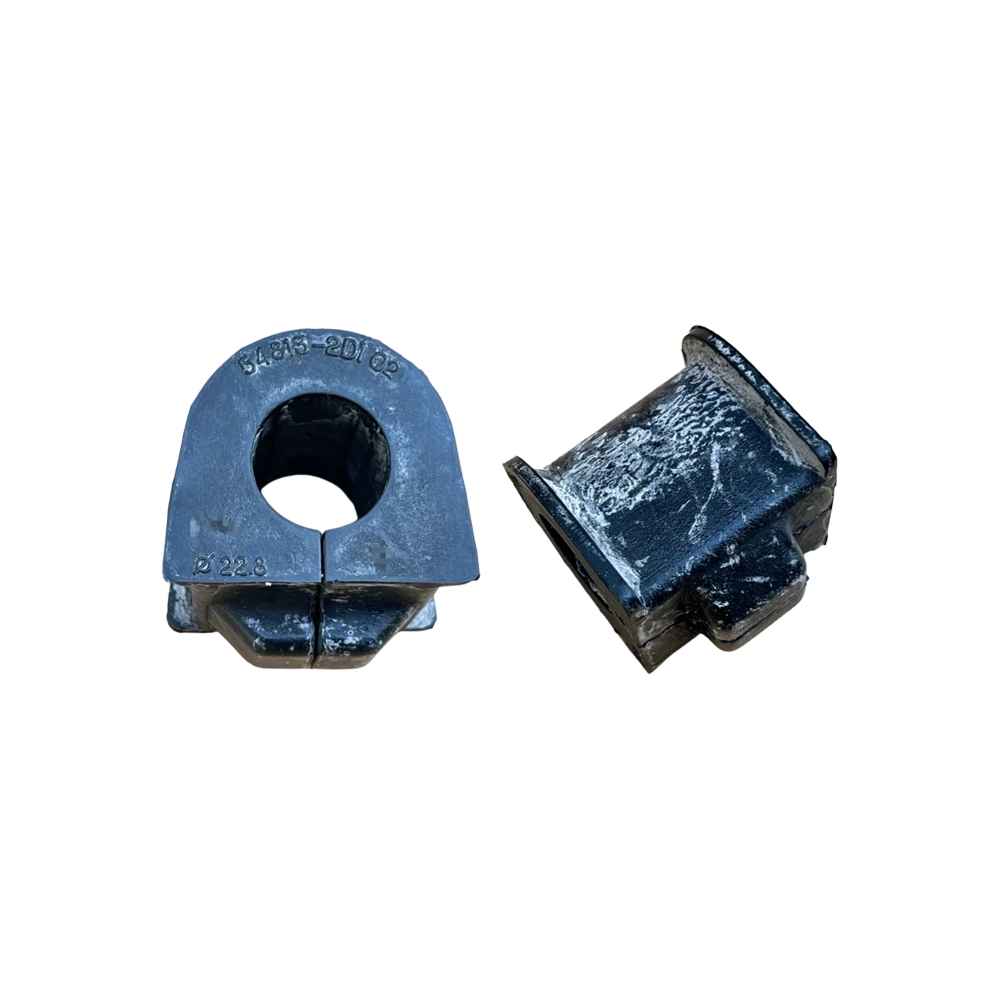
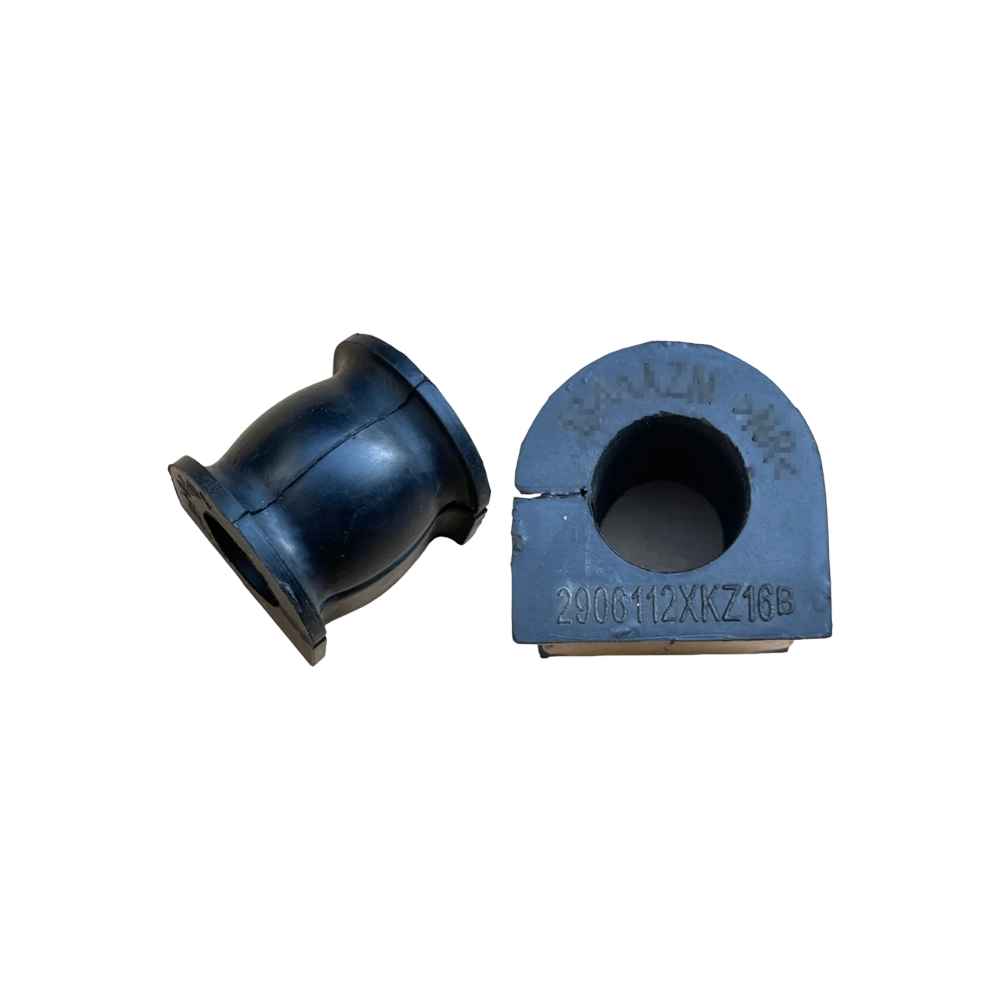
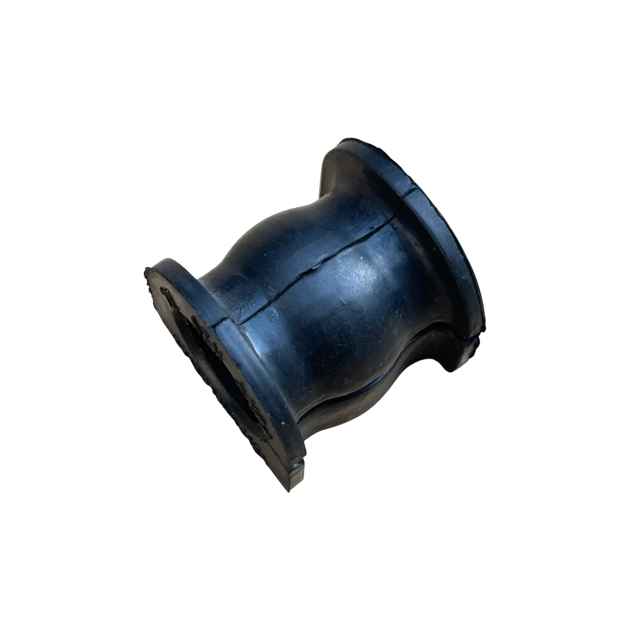
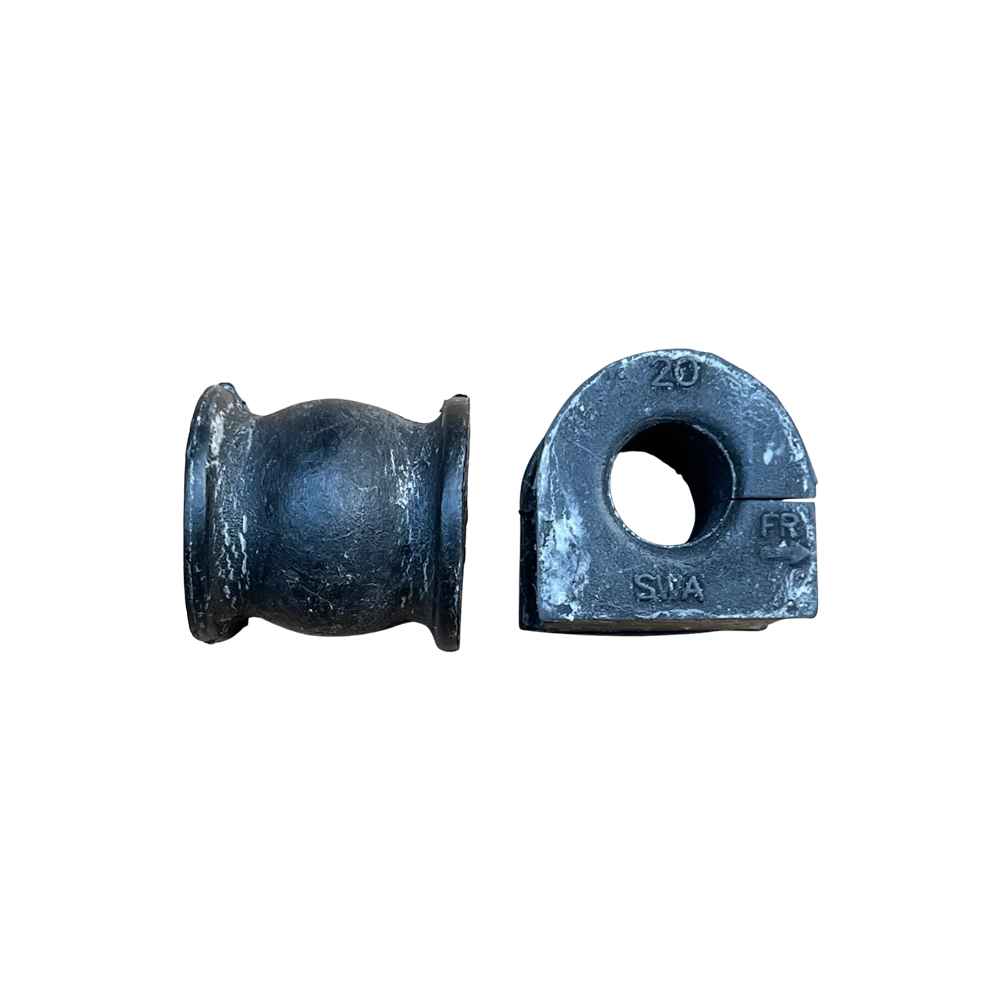
Engine gaskets serve as vital components in various automotive applications, providing a crucial seal between different engine parts. These seals are fundamental for maintaining optimal engine performance and preventing leaks.
Types of Engine Gaskets
There are several types of engine gaskets, each designed for specific functions within the engine assembly. Some of the most common include:
- Head Gasket: This gasket seals the cylinder head to the engine block, preventing coolant and oil from mixing.
- Valve Cover Gasket : Essential for sealing the top of the engine, it ensures that oil does not leak from the valve cover.
- Intake Gasket: Found between the intake manifold and the engine, this gasket helps maintain fuel and air mixture integrity.
The Importance of Leak-proof Seals
Leak-proof seals are critical in maintaining engine efficiency. A well-sealed engine reduces the risk of fluid loss, which can lead to severe mechanical issues over time. Notably, gaskets made from high-quality materials tend to provide better sealing capabilities.
Materials Used in Gaskets
When it comes to materials, gaskets are often crafted from a variety of substances, including:
- Cork: Traditionally used, cork gaskets offer decent sealing but may not withstand extreme conditions.
- Rubber: Commonly used for its elasticity, rubber gaskets can effectively handle vibrations and thermal expansion.
- Composite Materials: Many modern gaskets utilize composite materials for improved durability and resistance to temperature fluctuations.
- Metal: Often used for head gaskets, metal options like aluminum or steel provide exceptional strength and longevity.
Durability Factors
Durability is a significant factor in determining the lifespan of an engine gasket. Various elements influence this, such as:
- Temperature Resistance: High-performance engines generate considerable heat, necessitating gaskets that can withstand these conditions without degrading.
- Chemical Compatibility: Gaskets must resist exposure to oils, coolants, and other chemicals to remain effective.
- Wear and Tear: Frequent vibration and movement can wear down gaskets over time, making material selection essential.
Wholesale Pricing Insights
For those involved in automotive retail or repair, understanding wholesale pricing for engine gaskets is crucial. Prices vary significantly based on several factors:
- Material: Premium materials typically come at a higher cost, while standard options are more budget-friendly.
- Branding: Established brands like Guanghua may have premium pricing due to their reputation for quality and reliability.
- Quantity Discounts: Ordering in bulk often leads to significant savings. Distributors may offer lower prices per unit when purchased in large quantities.
Comparing Leak-proof Gaskets with Standard Options
Leak-proof gaskets are engineered to provide superior sealing capabilities compared to standard options. While standard gaskets may suffice for everyday use, those requiring enhanced durability under extreme conditions should consider leak-proof alternatives.
Performance Considerations
In terms of performance, leak-proof gaskets tend to offer:
- Better resistance to oil and coolant leaks.
- Improved longevity under high-stress environments.
- Less frequent replacement cycles, saving time and costs in the long run.
Final Thoughts
Choosing the right gasket type involves assessing the specific needs of your vehicle or repair shop. Whether opting for a traditional option or investing in advanced leak-proof technology, understanding materials, durability, and pricing can help make informed decisions. Remember, a reliable seal is paramount for a smoothly operating engine!