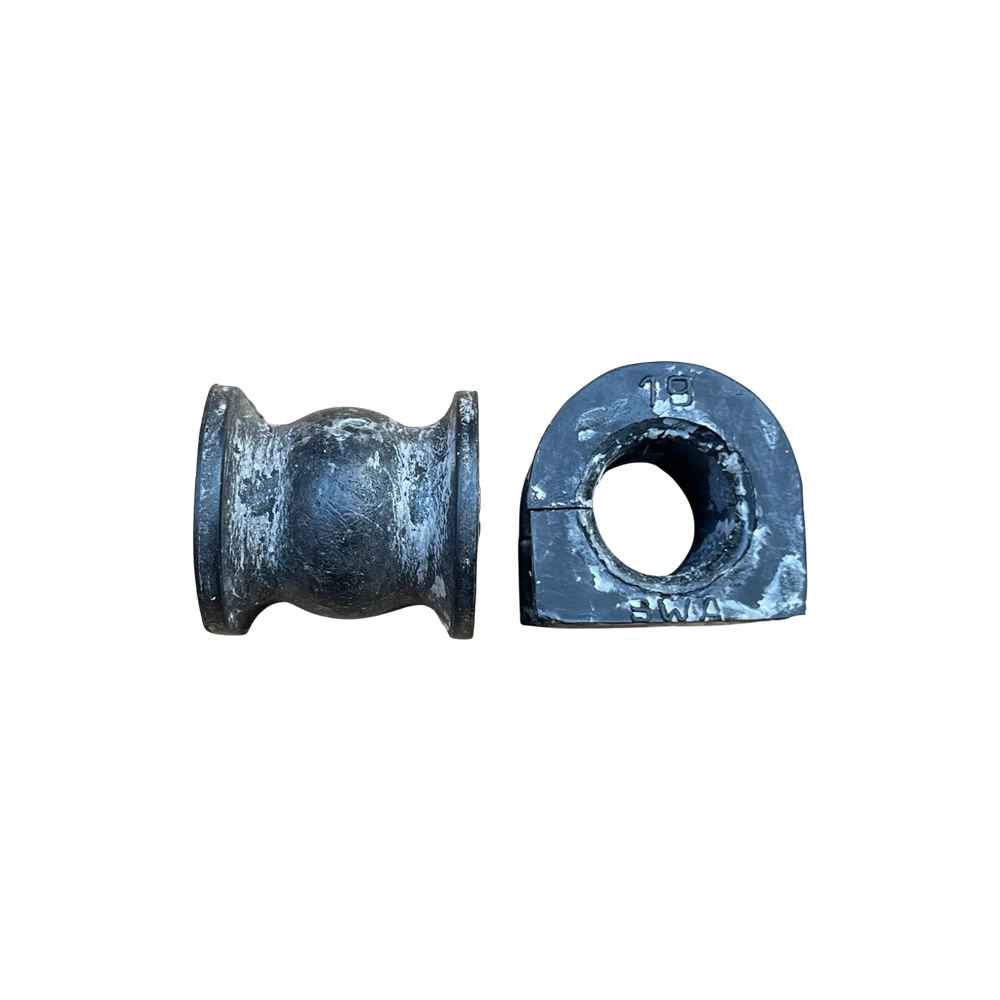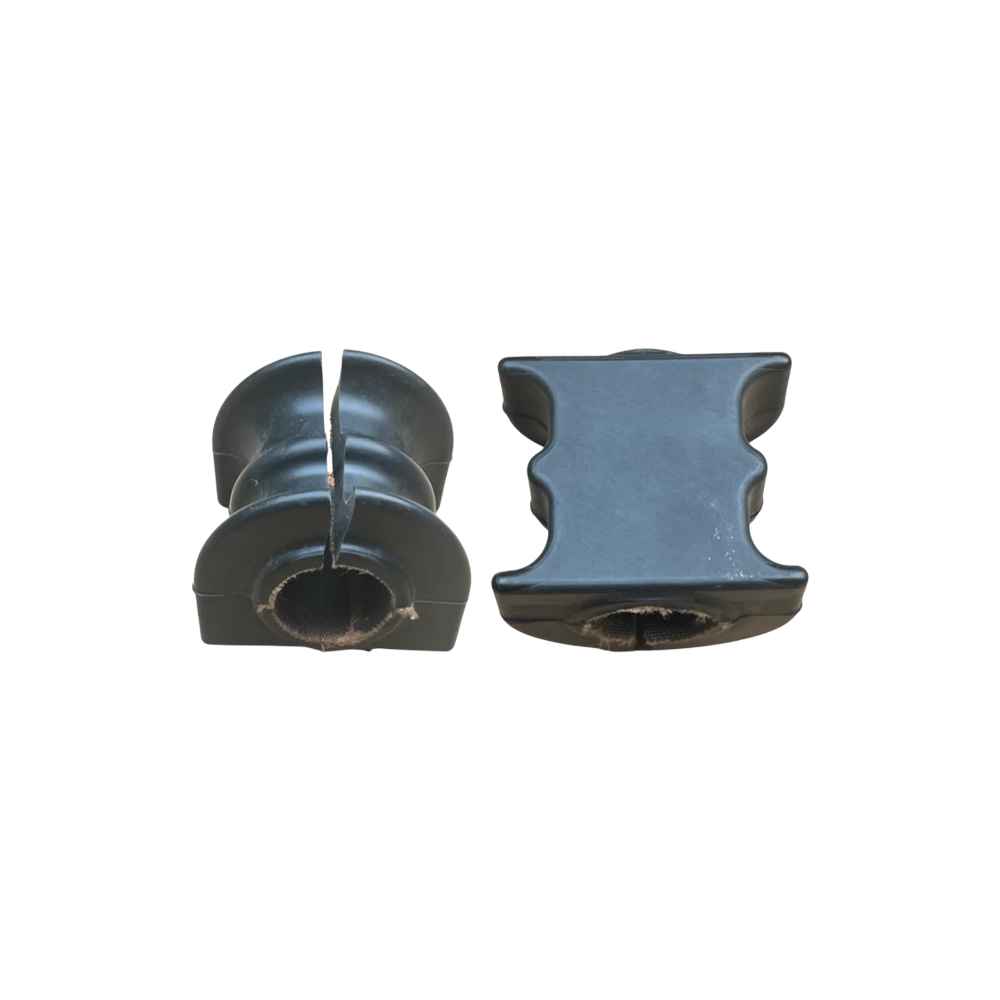
Understanding Leak-proof vs Steering Bellows
When it comes to maintaining vehicle performance and longevity, understanding the differences between leak-proof bellows and steering bellows is essential. These components play a vital role in ensuring that critical systems remain free from contaminants and wear. But what sets them apart? Let’s delve into the materials, costs, and functionalities of each.
What are Leak-proof Bellows?
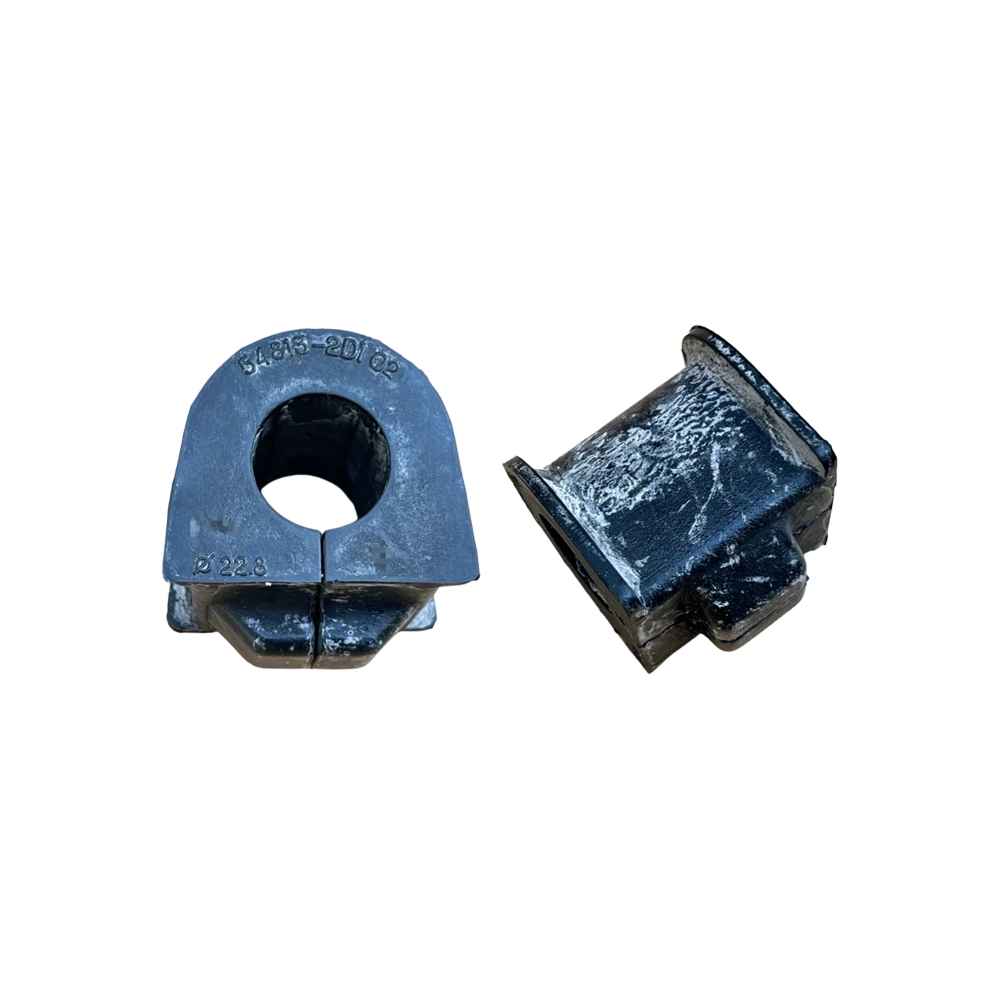
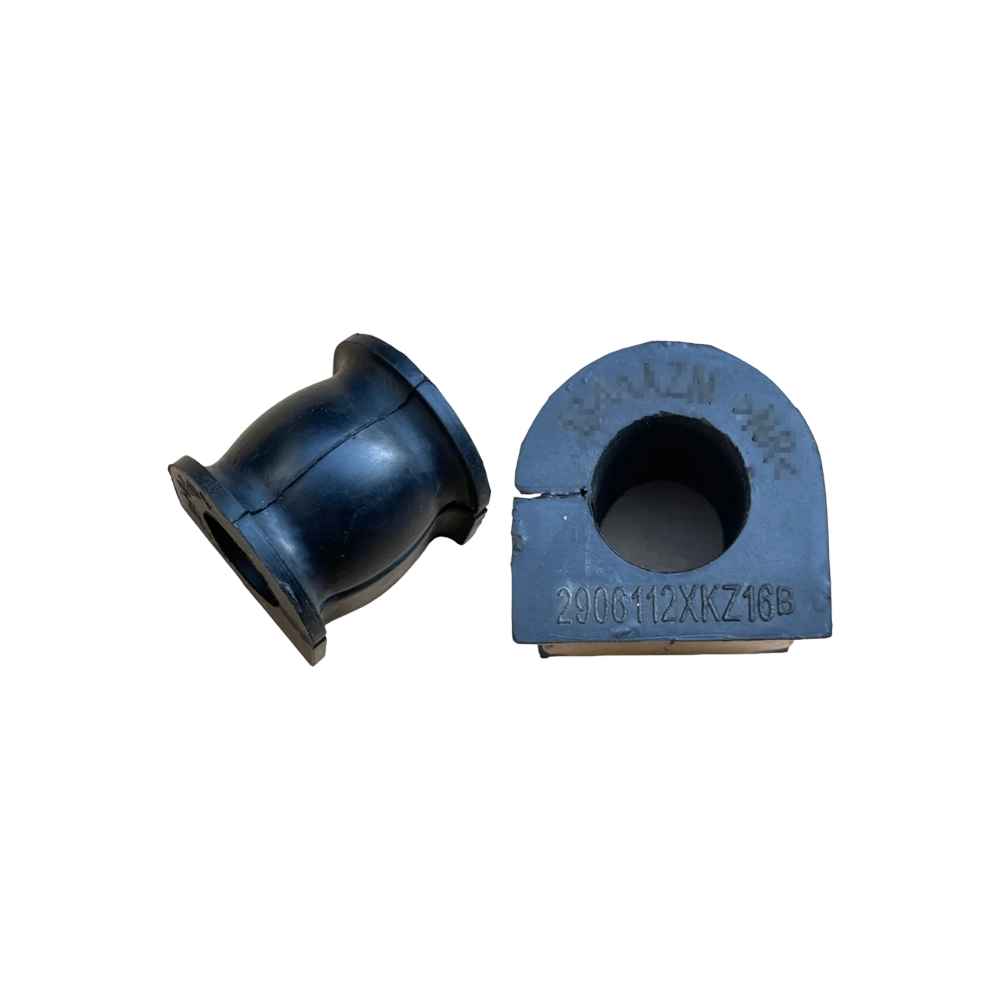
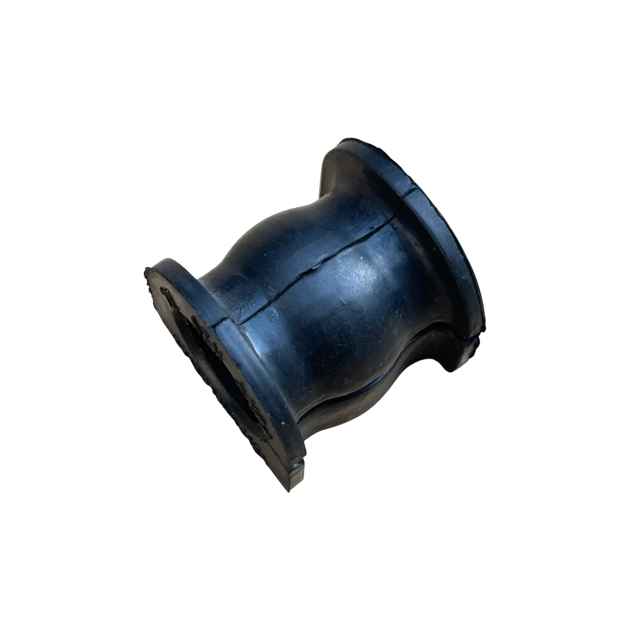
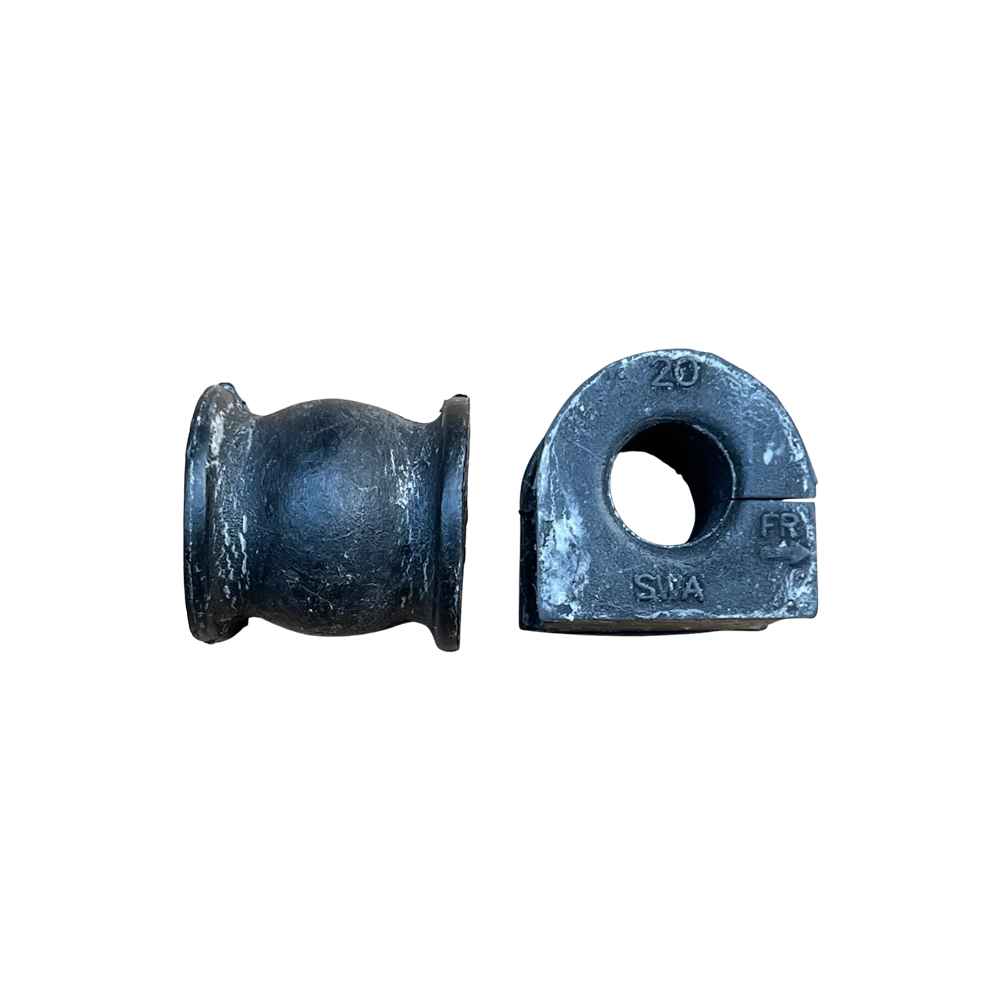
Leak-proof bellows are designed primarily to prevent leakage of fluids or gases in various mechanical systems. They act as protective barriers, ensuring that lubricants stay within the desired areas while keeping foreign particles out. This is particularly important in automotive applications where oil or hydraulic fluid leaks can result in significant performance issues.
Materials Used in Leak-proof Bellows
Typically, leak-proof bellows are made from a variety of materials including:
- Rubber: A popular choice due to its flexibility and resilience. Rubber can withstand various temperatures and environmental conditions.
- Polyurethane: Known for its durability, polyurethane bellows offer excellent resistance to abrasion and chemicals.
- Silicone: Often used for high-temperature applications, silicone provides an effective seal against leaks and can handle extreme conditions.
The Cost Factor
Cost considerations vary widely based on the material and application. Generally, rubber leak-proof bellows are the most economical option, often priced between $10 to $30. In contrast, specialized options like silicone can range from $20 to $50 or more depending on the complexity of the design.
What are Steering Bellows?
Steering bellows, also known as Steering Rack Boots , serve a different purpose. They protect the steering mechanism and ensure that dirt and debris do not enter the steering system. By safeguarding against contamination, these bellows help maintain the proper function of steering components and prolong their lifespan.
Materials Used in Steering Bellows
Like leak-proof bellows, steering bellows are typically constructed from resilient materials. The most common include:
- Thermoplastic Elastomers (TPE): TPE is favored for its superior flexibility and strength, making it ideal for dynamic applications.
- Natural Rubber: While slightly less durable than synthetic variants, natural rubber offers good sealing properties and is cost-effective.
Price Insights
The price range for steering bellows generally falls between $15 to $40, depending on the chosen material and brand. For instance, well-known brands like Guanghua might carry a premium price tag due to their reputation for quality and reliability.

Comparative Analysis: Leak-proof vs Steering Bellows
While both leak-proof and steering bellows share similarities, their functions and construction materials differ significantly. Here’s a quick comparison:
- Functionality: Leak-proof bellows focus on preventing fluid loss, while steering bellows aim to keep dirt out of the steering mechanism.
- Material Choices: Leak-proof bellows might use silicone or polyurethane for better sealing, whereas steering bellows rely heavily on thermoplastics.
- Cost: Generally, leak-proof bellows are less expensive than steering bellows due to the materials used and specific applications.
Installation Considerations
Installing either type of bellows requires careful attention to detail. Ensuring a proper fit is crucial; otherwise, you could face leaks or contamination. Many mechanics recommend replacing these components during routine maintenance to avoid potential failures down the line.
Common Mistakes to Avoid
Here are a few common pitfalls when dealing with these components:
- Choosing the wrong size can lead to improper sealing.
- Using incompatible materials may result in premature wear or failure.
- Neglecting regular inspections can allow minor issues to escalate.
Conclusion
In summary, understanding the differences between leak-proof and steering bellows is crucial for maintaining your vehicle's overall health. Whether you're looking for CV Joint Boots or Steering Rack Boots , assessing material quality and cost will help you make informed choices that enhance your vehicle’s performance. It's worth investing a bit more in quality components, especially from reputable brands like Guanghua, to ensure longevity and reliability.