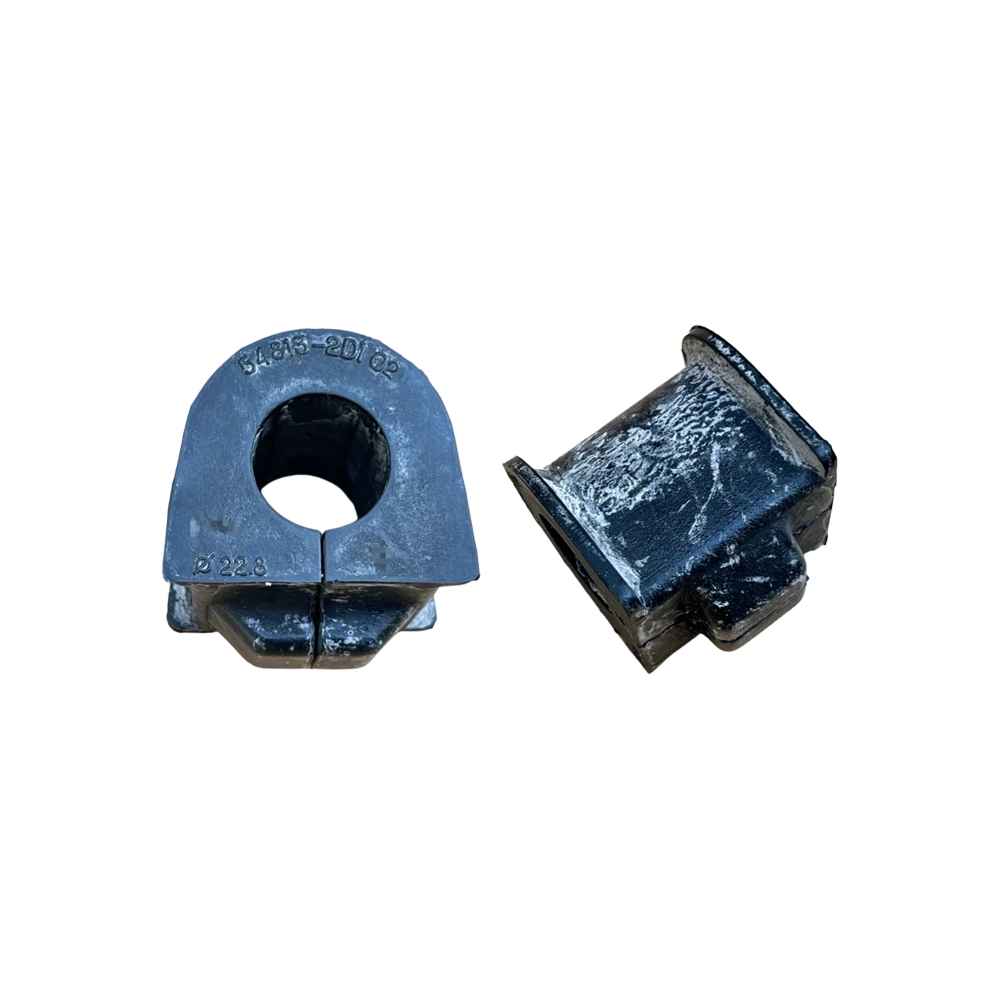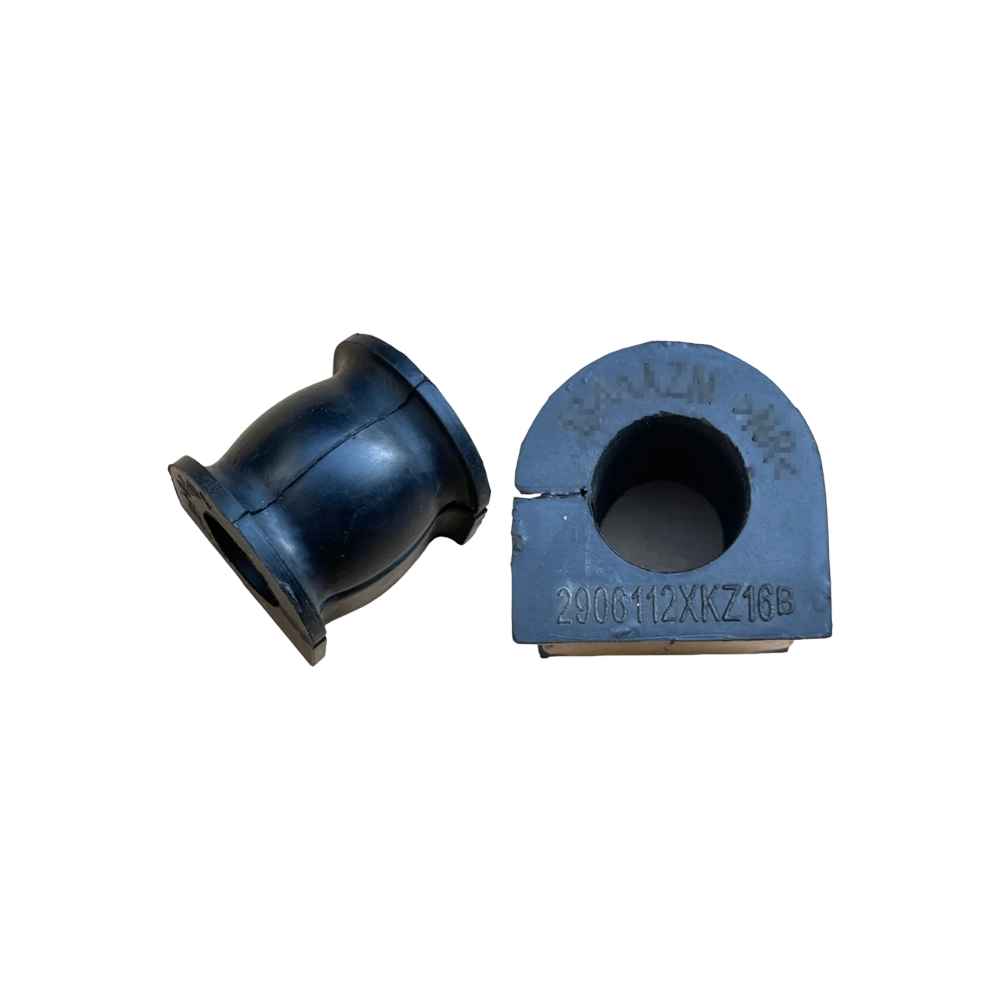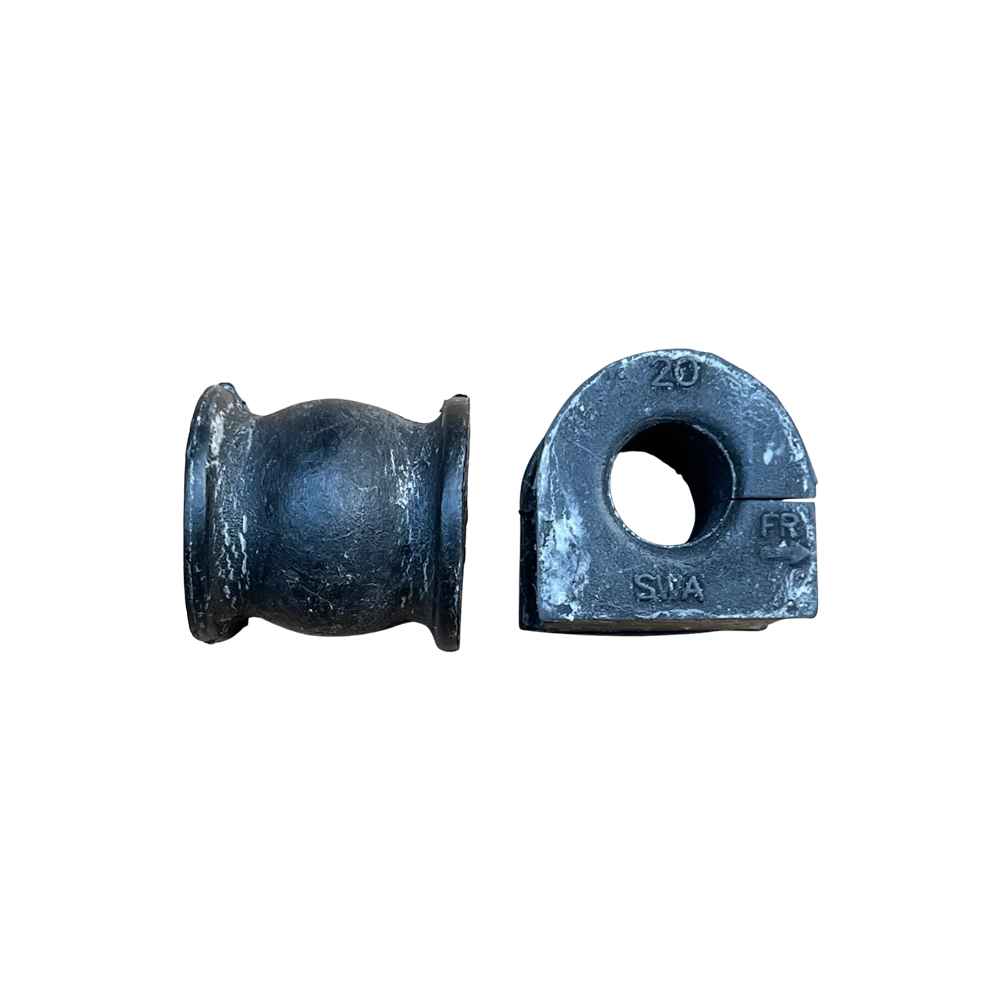
Understanding O-Rings & Rubber Sealing Rings
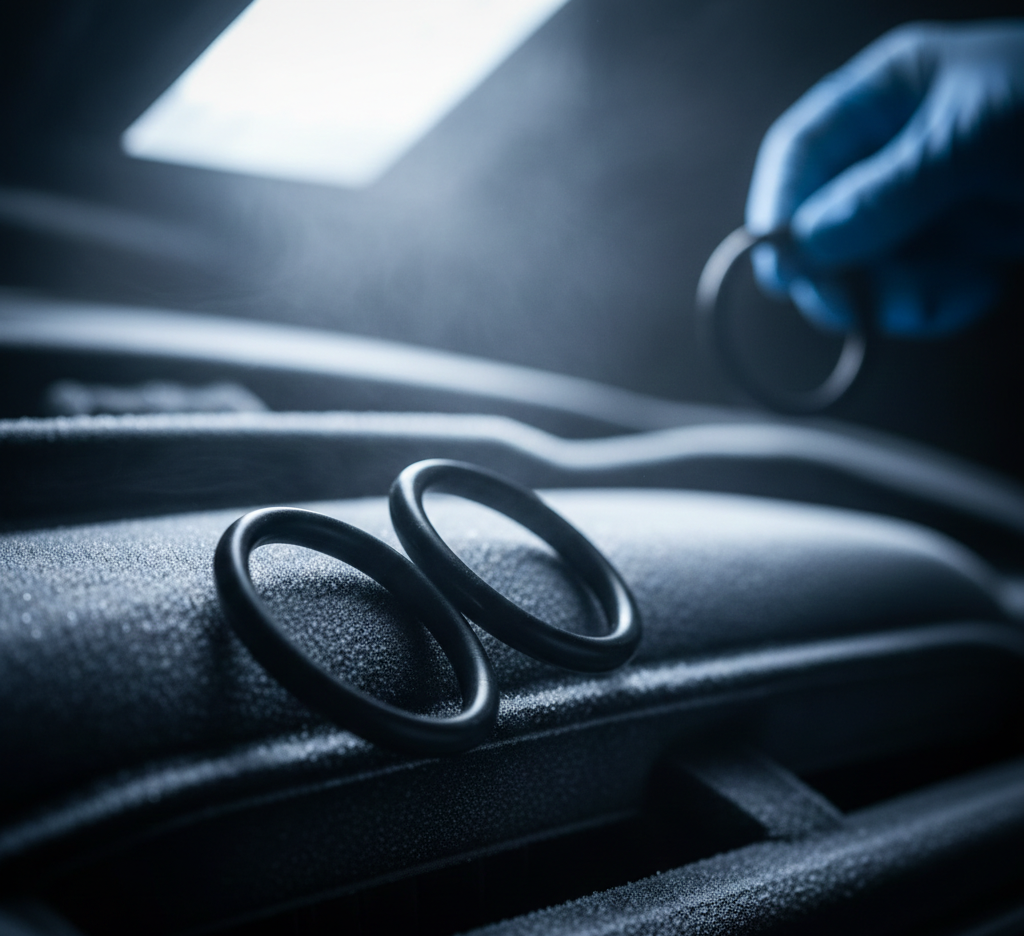
When it comes to sealing technology, O-Rings and rubber sealing rings are often seen as the unsung heroes. They play a critical role in various applications, from automotive to aerospace. Their versatility is astounding. But what materials are commonly used, and how do they stack up against rocker cover seals?
Material Composition
The materials chosen for O-Rings and rubber sealing rings can significantly affect their performance. Commonly used materials include:
- Nitrile (Buna-N)
- Fluoroelastomer (FKM)
- Silicone
- EPDM (Ethylene Propylene Diene Monomer)
Nitrile is often favored for its excellent resistance to oils and fuels, while fluoroelastomers shine in high-temperature environments.
Durability Comparison with Rocker Cover Seals
Interesting fact: Rocker cover seals, made primarily of cork or rubber, have been around for ages. But do they last longer than O-Rings? Not necessarily! The durability of a seal depends on several factors, including temperature extremes and exposure to chemicals.
For instance, a rubber sealing ring used in an automotive engine might last approximately 5-10 years under ideal conditions. In contrast, O-Rings crafted from silicone can withstand extreme temperatures ranging from -60°F to over 400°F, drastically increasing their lifespan when properly installed and maintained.
Wholesale Pricing Insights
Ah, pricing! It's always a hot topic. Wholesale prices for O-Rings can range widely based on size, material, and supplier. For example, a typical Nitrile O-Ring might cost about $0.10 to $0.50 each in bulk orders, while specialized FKM variants could go up to $1.00 or more. On the other hand, rocker cover seals usually hover around $2.00 to $5.00 per unit depending on the make and model of the vehicle.
An Example Scenario
Consider a situation where a small automotive manufacturer decides to switch to O-Rings instead of traditional rocker cover seals. They source their O-Rings from Guanghua, a reputable brand known for quality. The initial investment increases, but the long-term savings on maintenance—due to decreased leaks and longer service intervals—can be substantial.
In one year, they save thousands by reducing oil leaks and unnecessary replacements. Who would’ve thought such a simple change could yield such impressive results?
The Bottom Line
O-Rings and rubber sealing rings offer unique advantages for different applications. Emphasizing durability, material selection, and price can lead to significant operational efficiencies. Are you still considering traditional rocker cover seals? You might want to rethink that. Juggling between choices isn’t just about functionality; it’s a strategic decision that can resonate through your entire manufacturing process.