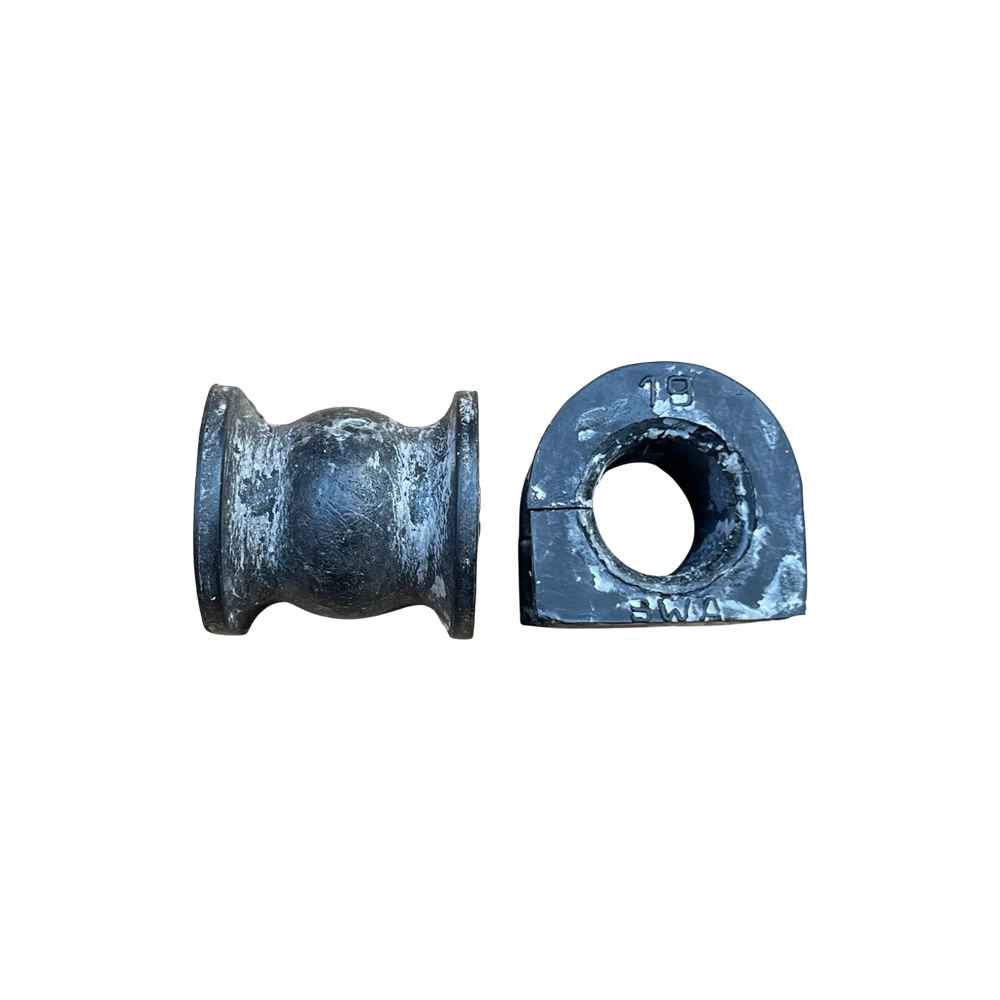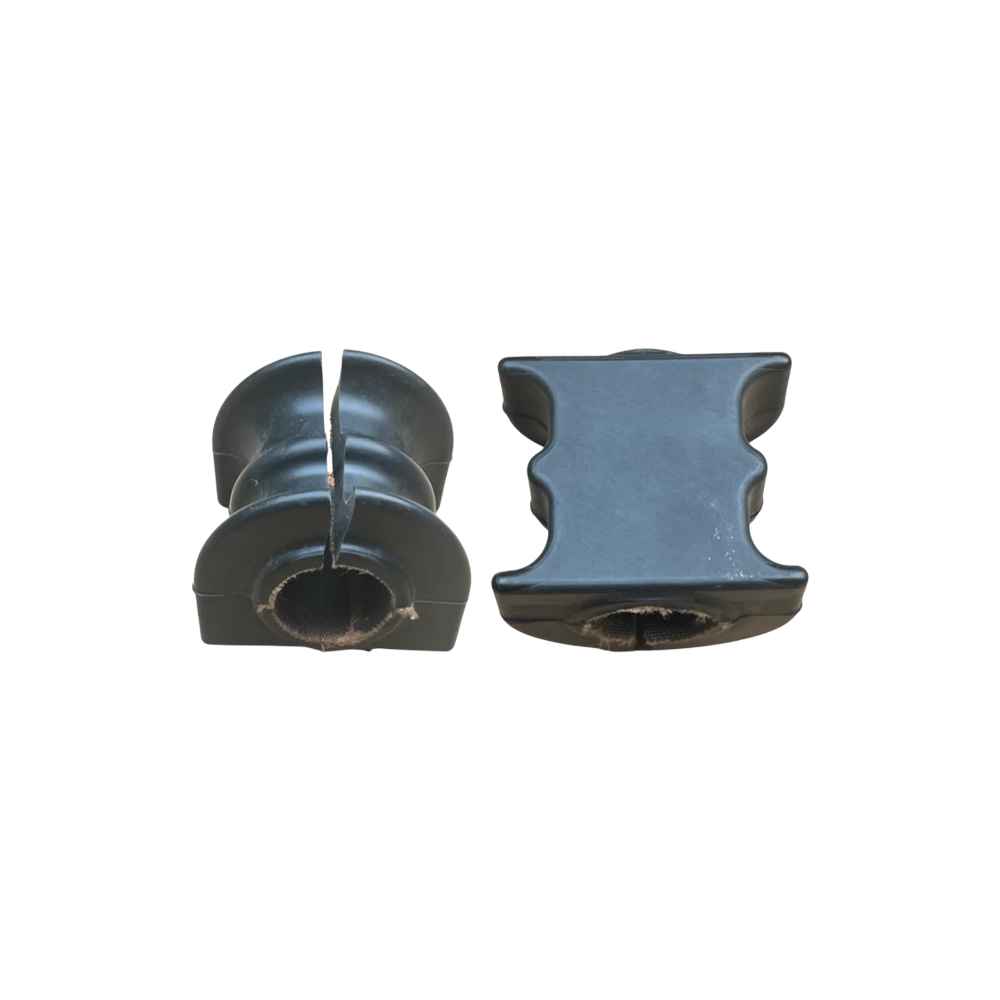
Understanding the Basics of O-Rings & Rubber Sealing Rings
O-Rings and rubber sealing rings are fundamental components in various mechanical systems. They serve as seals that prevent liquids or gases from leaking, making them indispensable in many applications. The magic lies in their simple shape—a ring— which allows for flexibility and effective sealing.
Materials Used for O-Rings
When it comes to materials, O-Rings can be crafted from different types of rubber compounds, each tailored for specific environments. Here are some common materials:
- Nitrile (Buna-N): Great for oils and fuels, nitrile is often the go-to for automotive applications.
- Fluoroelastomer (Viton): Excellent resistance to high temperatures and chemicals; perfect for harsh environments.
- Silicone: Offers a wide temperature range but isn’t quite the champ for oils.
Rubber Sealing Rings: A Step Beyond
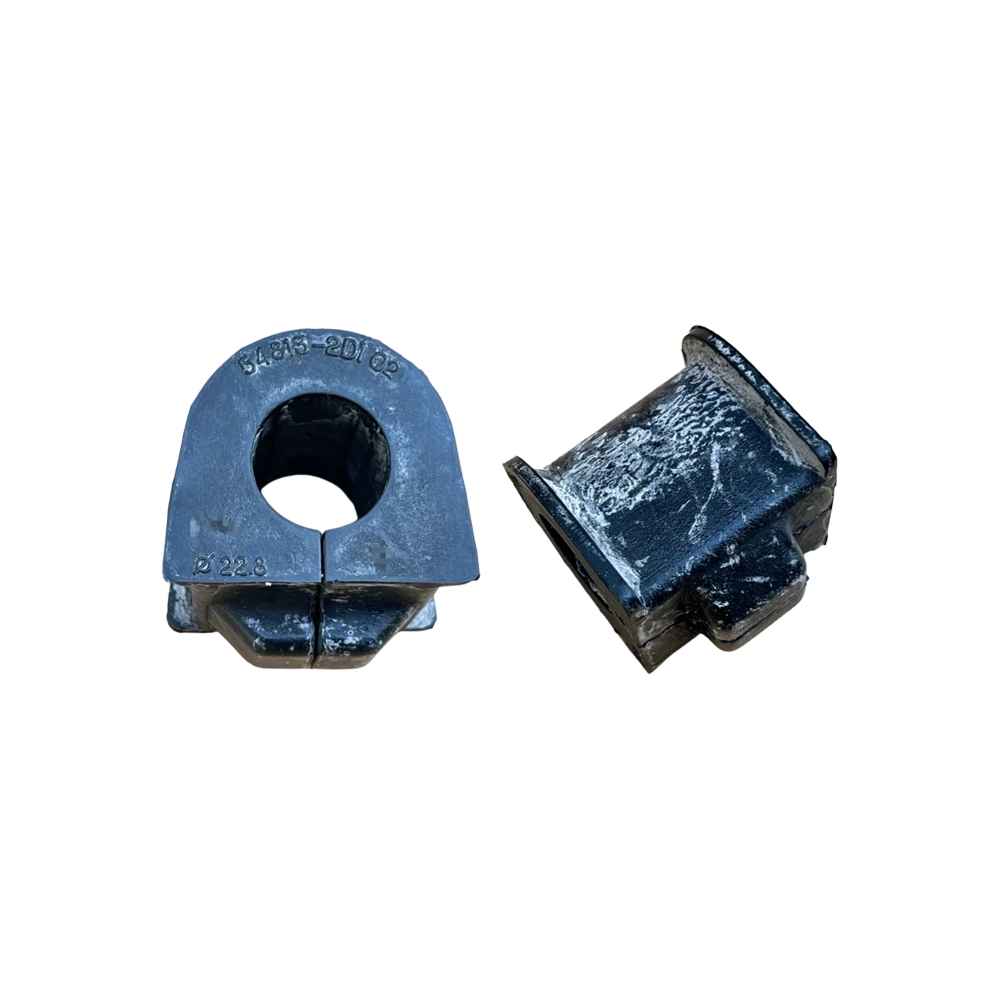
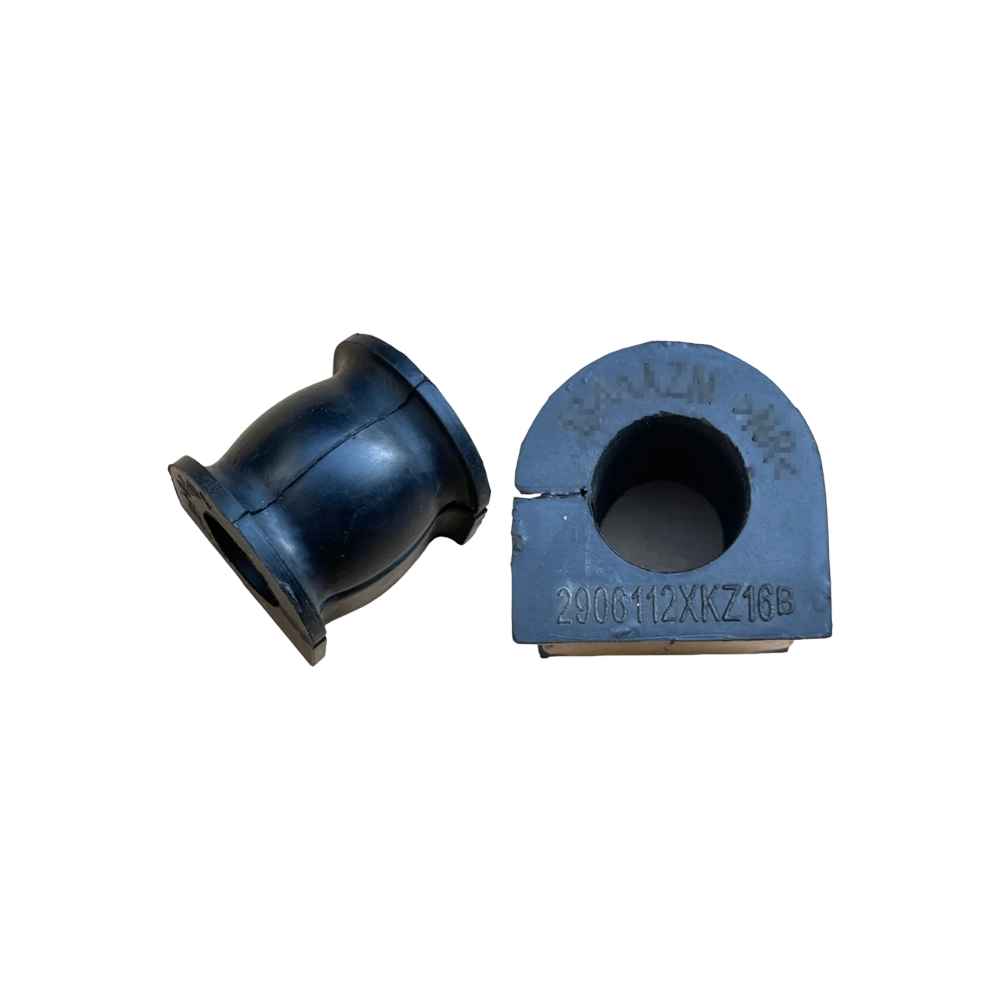
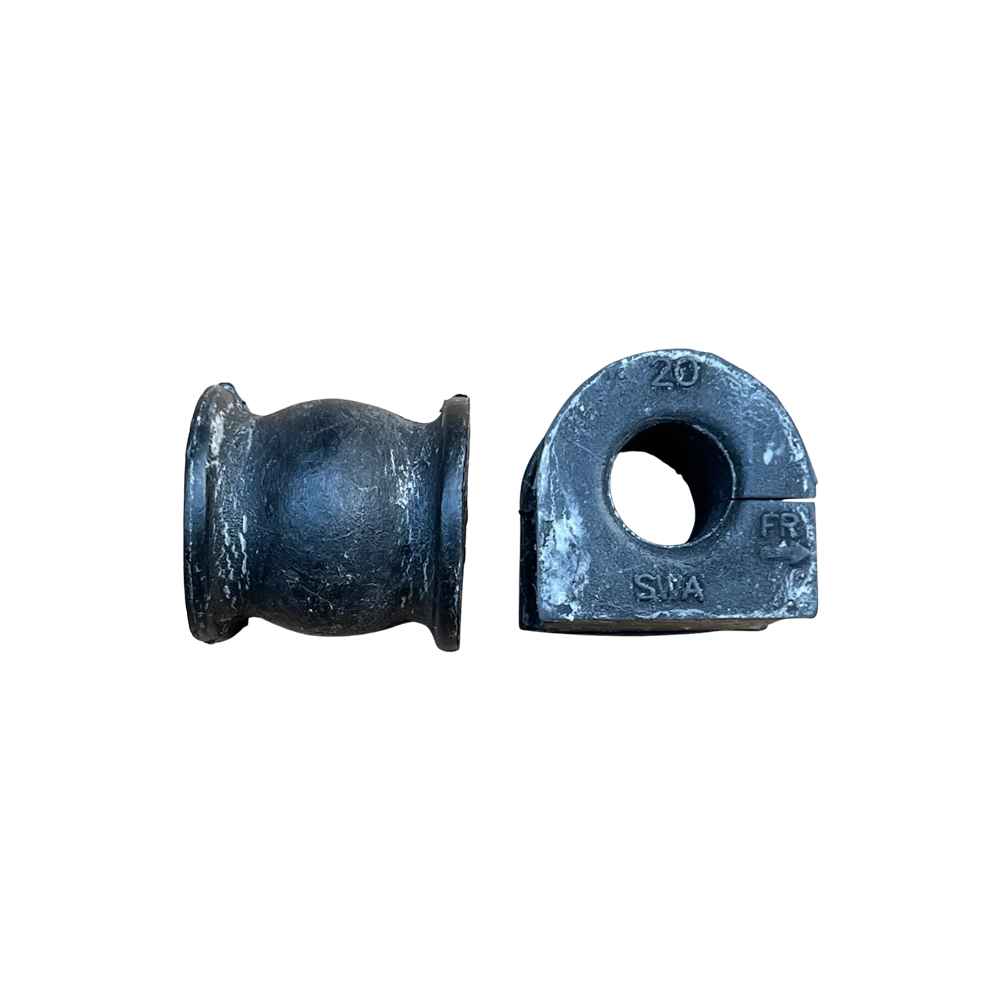
Similar to O-Rings but slightly more specialized, rubber sealing rings tend to have a broader application scope. They often come in various shapes and sizes, designed for specific sealing tasks. These designs enhance their adaptability in unique settings. You might find these bad boys in hydraulic systems, where pressure is critical.
Valve Cover Gaskets: What You Need to Know
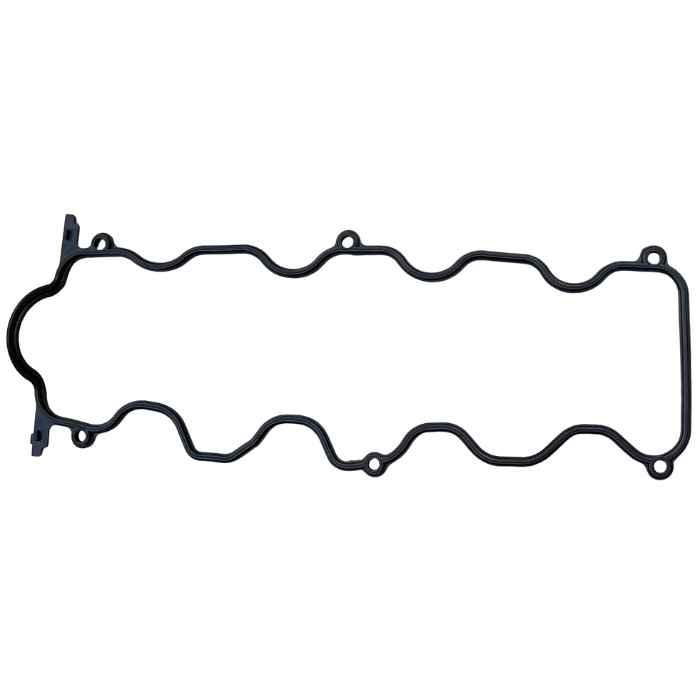
The Valve Cover Gasket , on the other hand, is a vital component specifically for internal combustion engines. It ensures that oil stays in the engine while preventing leaks around the covers. It’s typically made from cork, rubber, or silicone materials, depending on the engine specifications.
Material Breakdown for Valve Cover Gaskets
Unlike O-Rings, the choice of material for valve cover gaskets is crucial due to exposure to heat and oil. Here’s a quick rundown of options:
- Cork: Traditional and effective, but tends to wear out quicker than other materials.
- Rubber: Durable and flexible, suitable for most modern engines.
- Silicone: Provides excellent longevity and endurance against extreme temperatures.
Cost Insights: O-Rings vs. Valve Cover Gaskets
Now let’s talk dollars and cents. Generally, O-Rings and rubber sealing rings are pretty affordable, with prices ranging anywhere from a couple of bucks to a handful of dollars each, depending on size and material. On the flip side, valve cover gaskets can set you back anywhere from $10 to $50 or more, particularly if you're looking at performance-grade materials. This price difference can impact overall project costs significantly, especially in larger repairs.
Application Scenarios: When to Use Which?
Choosing between O-Rings, rubber sealing rings, and valve cover gaskets depends largely on the application's requirements. For example, if you’re sealing a hydraulic line, O-Rings are usually your best bet. However, when working on an engine rebuild, the Valve Cover Gasket becomes essential to maintain oil integrity.
Performance Considerations
The performance of these sealing solutions can vary widely based on environmental factors. For instance, using a nitrile O-Ring in high-temperature areas might not yield the best results. Similarly, using a cork valve cover gasket in a high-performance engine could lead to premature failure. Always cross-reference your application with manufacturer recommendations!
Brands You Can Trust
When it comes to sourcing quality sealing products, brands matter! Companies like Guanghua offer reliable options for both O-Rings and rubber sealing rings, ensuring that whatever you’re working on holds up under stress. It’s worth doing a little research into the brand’s reputation before making a purchase.
Conclusion: Making Your Choice
Ultimately, whether you choose O-Rings, rubber sealing rings, or valve cover gaskets, it all boils down to understanding the specific needs of your project. Remember to consider material properties, cost, and the intended application. With the right knowledge, you can make decisions that keep your machinery running smoothly and efficiently.