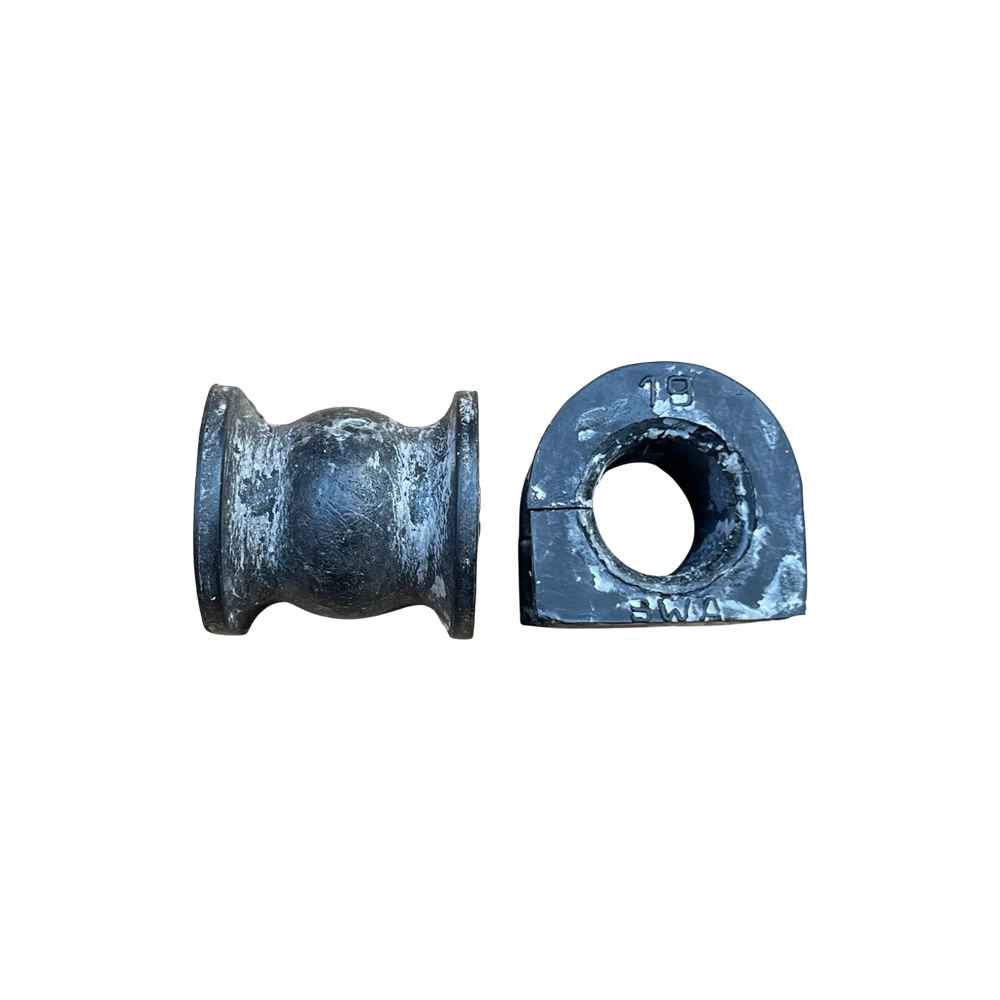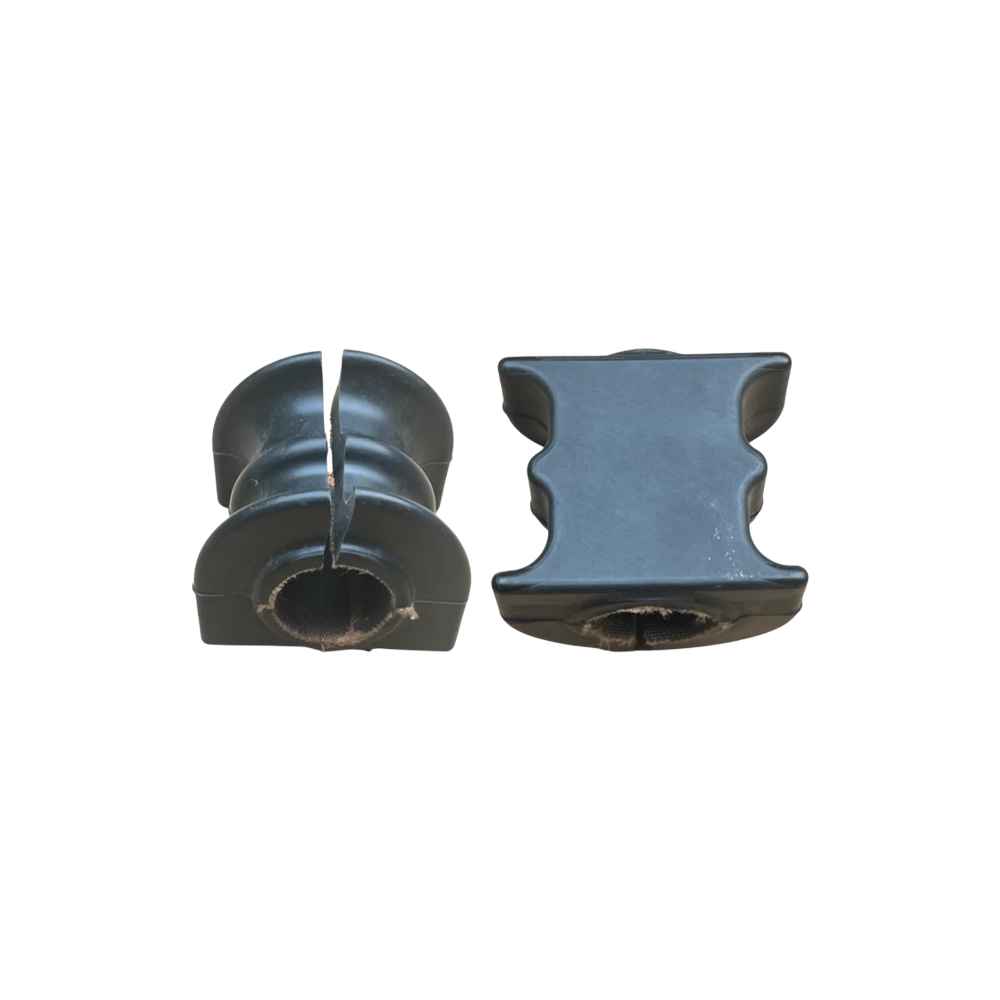
Understanding Rack and Pinion Boots
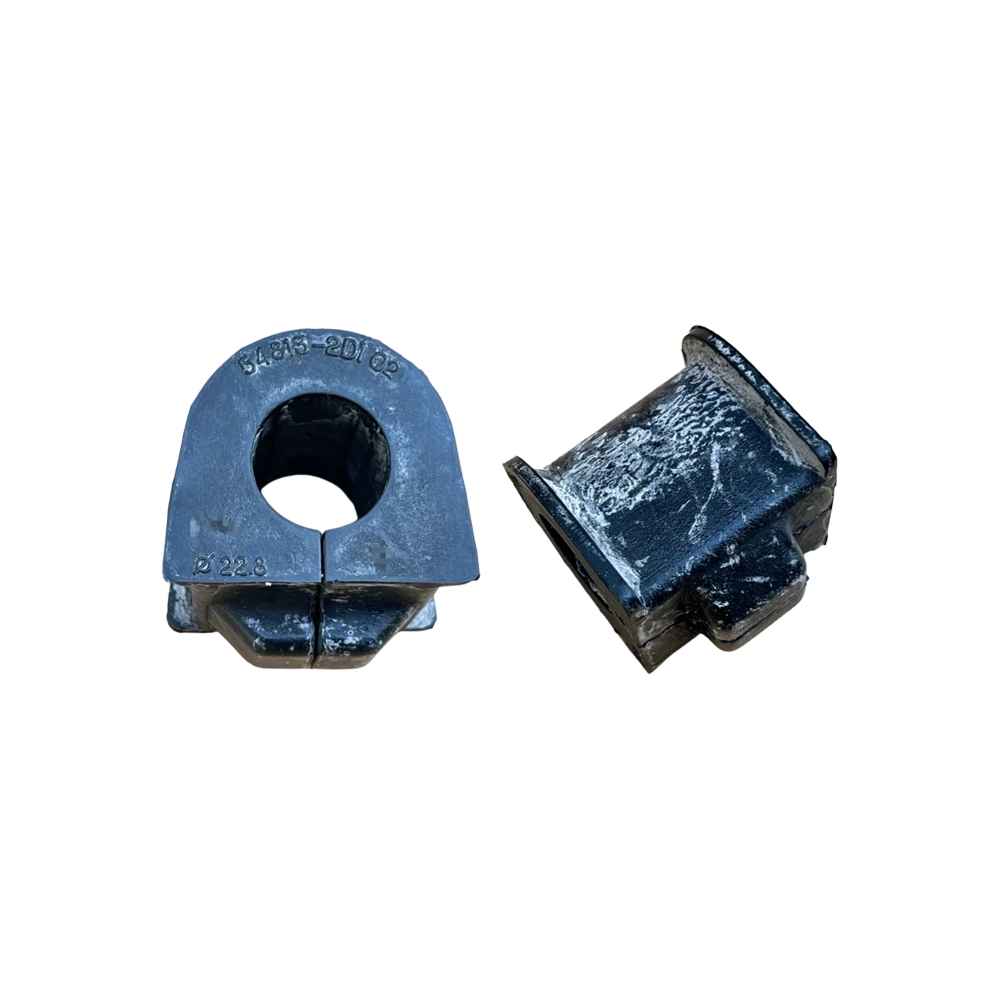
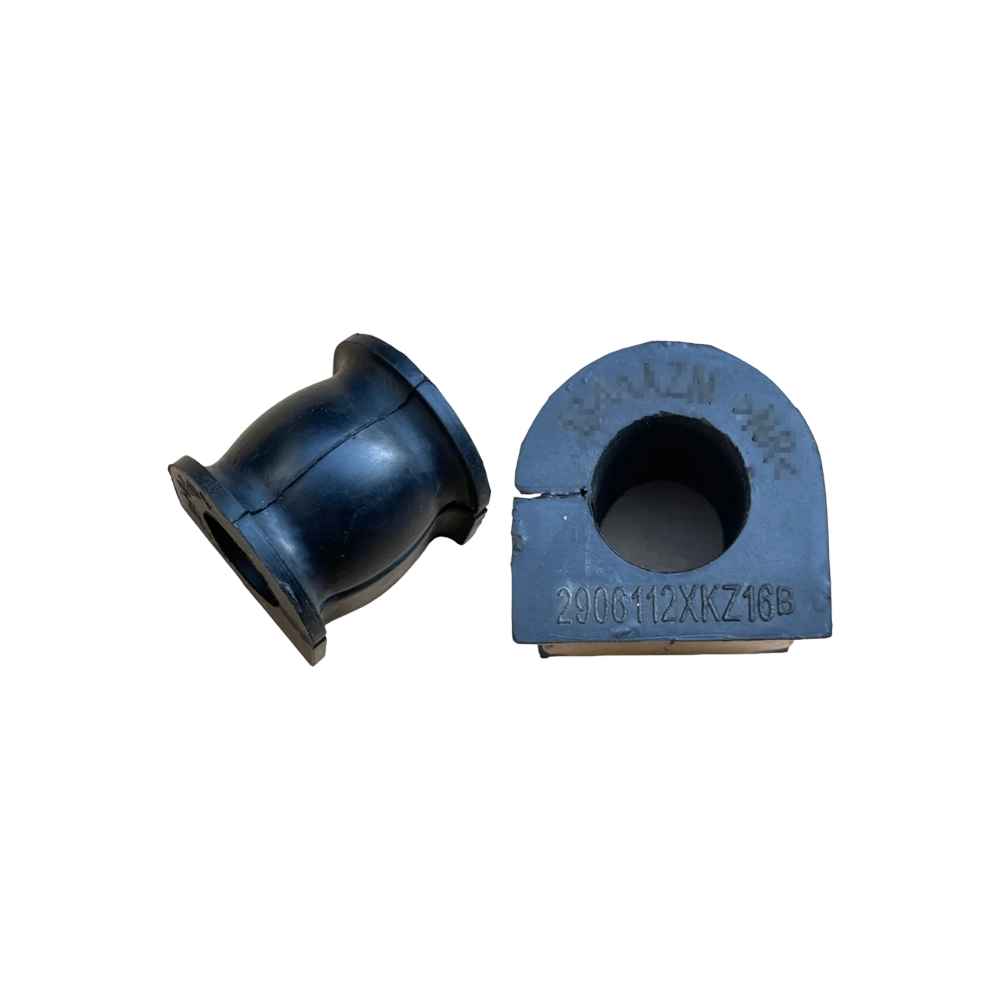
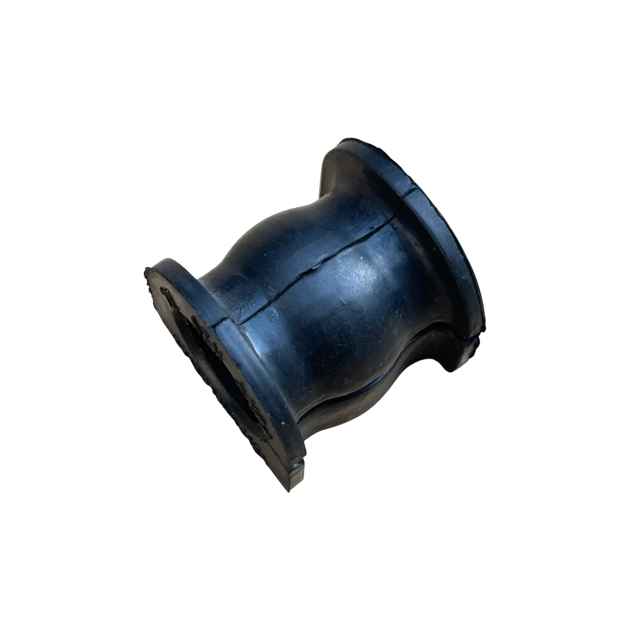
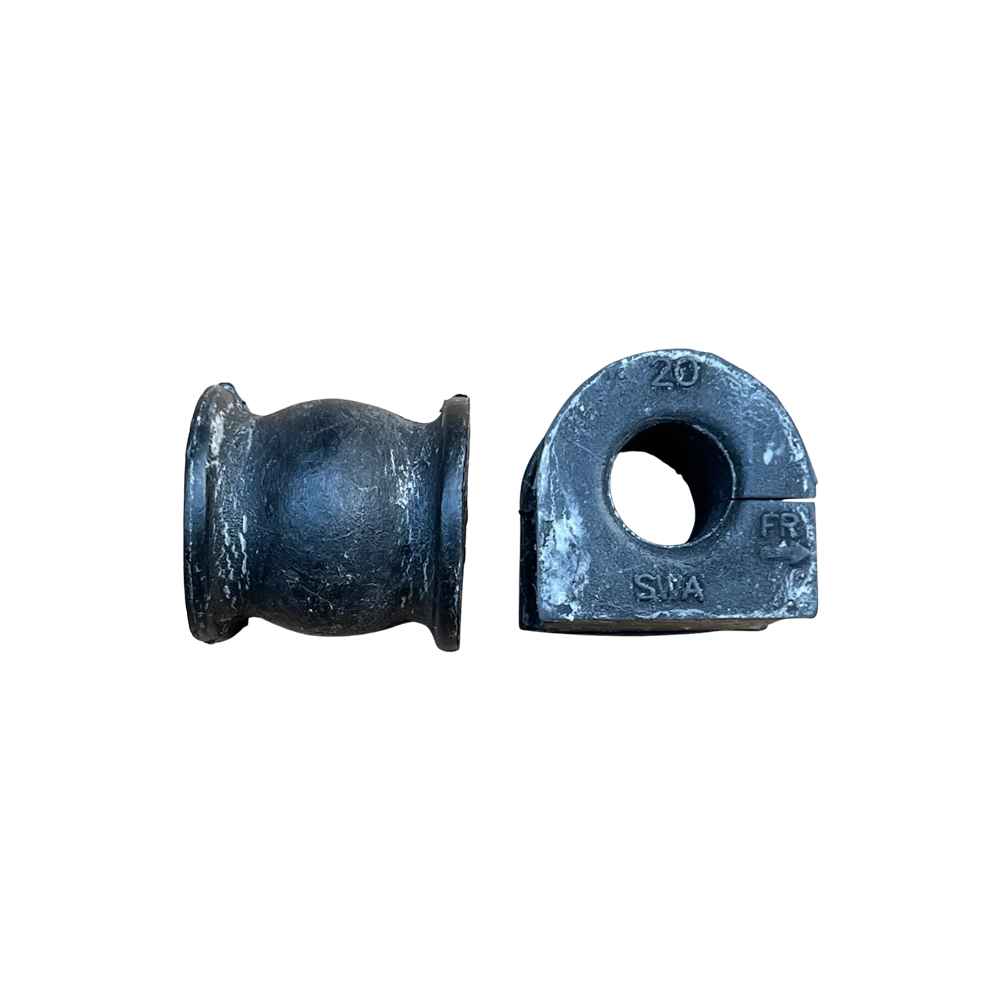
Rack and pinion boots are essential components in the steering system of a vehicle. They protect the rack and pinion mechanism from dirt, debris, and moisture, which can lead to premature wear or failure. If you’re a car enthusiast or just someone who wants to keep their vehicle in top shape, understanding these boots is crucial.
Material Composition
The materials used in rack and pinion boots vary, but most commonly, they're made from durable rubber or thermoplastic elastomer (TPE). Rubber offers excellent flexibility and durability, while TPE provides better resistance to environmental factors such as UV rays and extreme temperatures. Over time, however, even the best materials degrade, so regular inspection is key.
Cost Considerations
- OEM vs Aftermarket: OEM (Original Equipment Manufacturer) parts tend to be more expensive but often offer better fit and longevity. Aftermarket options, like those from Guanghua, can provide cost savings without sacrificing too much quality.
- Installation Costs: Don't forget about labor costs if you're not installing the boots yourself. Professional installation might add significantly to the total expense.
Cv Axle Boots Explained
CV axle boots, on the other hand, are designed to protect the constant velocity joints found at both ends of the axles. These joints allow for the transfer of torque at a constant speed while accommodating the up-and-down motion of the suspension.
Material Variances
Like rack and pinion boots, CV axle boots are typically made from rubber or silicone-based materials. The choice of material impacts their ability to withstand heat generated during operation and exposure to road grime. Silicone boots are particularly known for their longevity and resistance to cracking.

Financial Aspects
- Replacement Frequency: CV axle boots usually need to be replaced more frequently than rack and pinion boots due to their exposure to higher levels of stress and wear.
- Price Range: On average, CV axle boots range from $20 to $50 each, while installation can add another $75-$150 depending on your local mechanic's rates.
Comparative Analysis: Rack and Pinion Boots vs CV Axle Boots
When deciding between rack and pinion boots and CV axle boots, it’s important to consider various factors, including your driving conditions, how often you service your vehicle, and budget constraints. Here's a simple breakdown:
- Longevity: Rack and pinion boots generally last longer if properly maintained compared to CV axle boots.
- Maintenance: Regular inspections and timely replacements can save you from costly repairs later on.
- Functionality Impact: A failure in either boot can lead to decreased performance. For instance, failing CV axle boots can lead to joint damage, while damaged rack and pinion boots can cause steering issues.
Choosing the Right Boot for Your Vehicle
When selecting the right boot, consider whether you prefer OEM parts for guaranteed compatibility and durability or aftermarket alternatives for better value. Brands like Guanghua are gaining recognition for providing quality aftermarket parts that meet or exceed OEM specifications.
Installation Tips
If you decide to tackle the installation yourself, here are some tips:
- Ensure you have the correct tools, including pliers and a jack.
- Refer to your vehicle's manual for specific instructions on how to remove old boots and install new ones.
- Use high-quality lubricant when fitting new boots, especially for CV axles.
Conclusion
Both rack and pinion boots and CV axle boots play critical roles in the functionality and safety of your vehicle. Understanding the materials they are made from, their costs, and their maintenance requirements can help you make informed decisions. Keeping an eye on these components will ensure your vehicle runs smoothly and saves you from unexpected repair bills down the line.