Understanding Rack and Pinion Boots
The rack and pinion system plays a crucial role in the steering mechanism of vehicles. It converts the rotational motion of the steering wheel into linear motion, allowing the wheels to turn. However, this system is susceptible to wear and tear, which is where rack and pinion boots come into play.
What Are Rack and Pinion Boots?
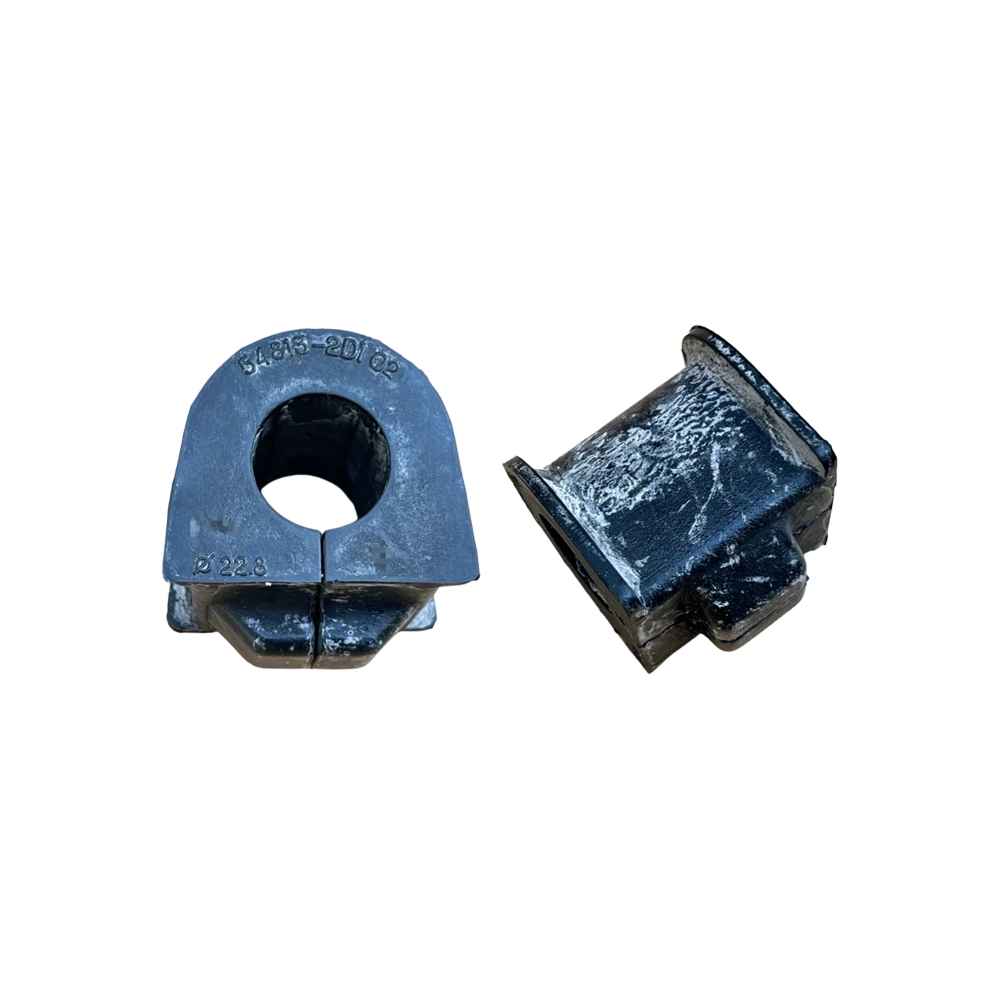
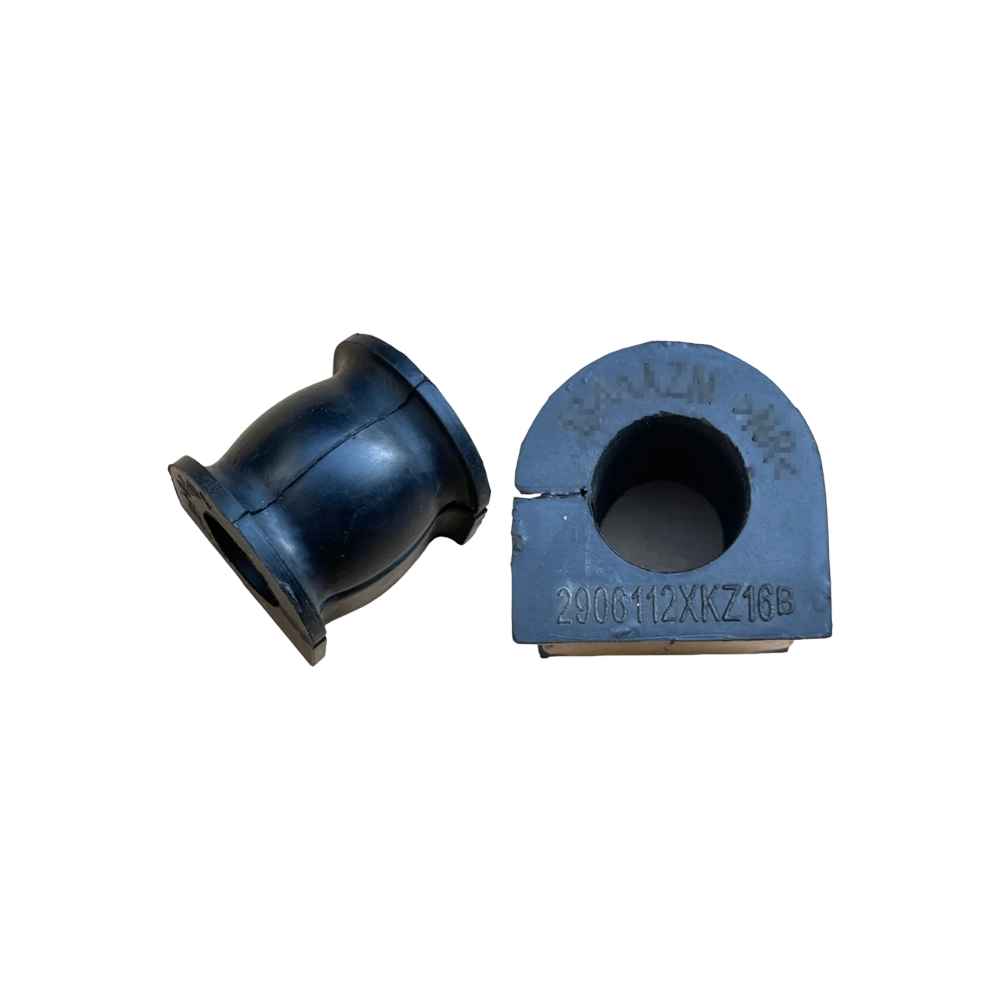
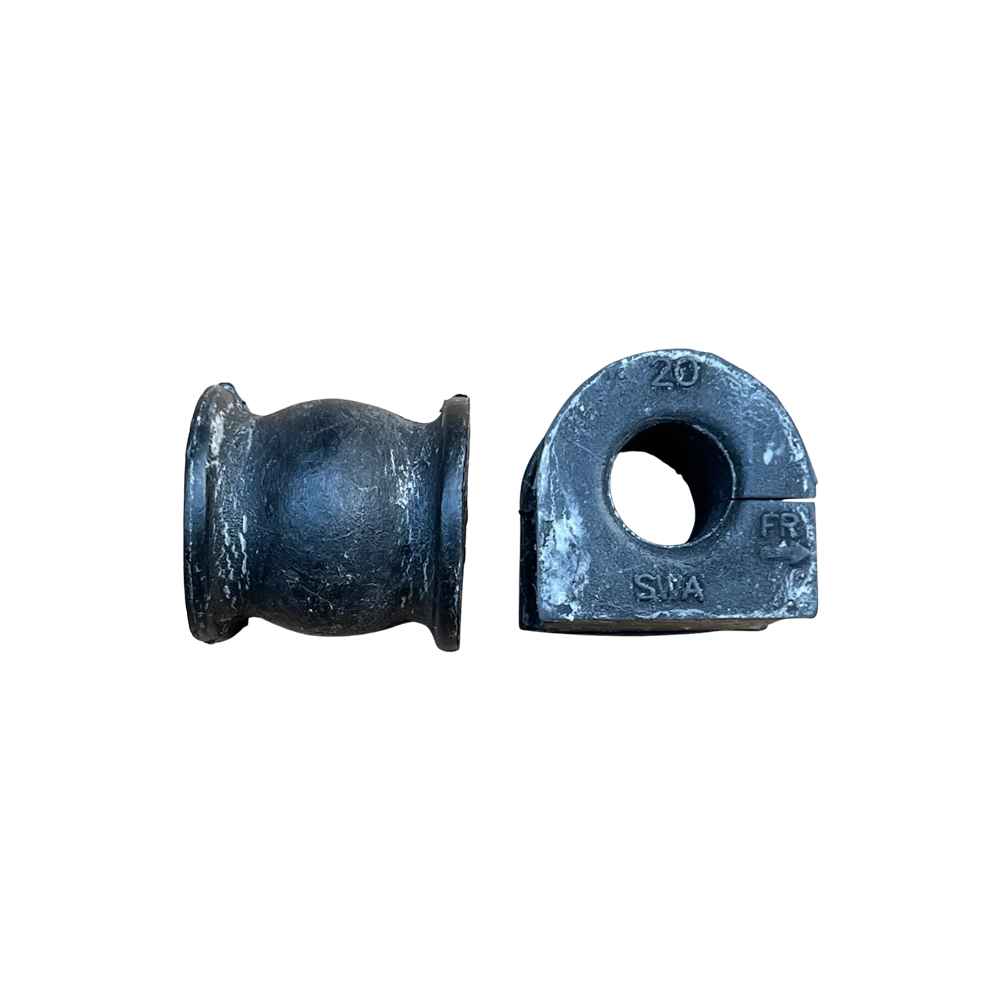
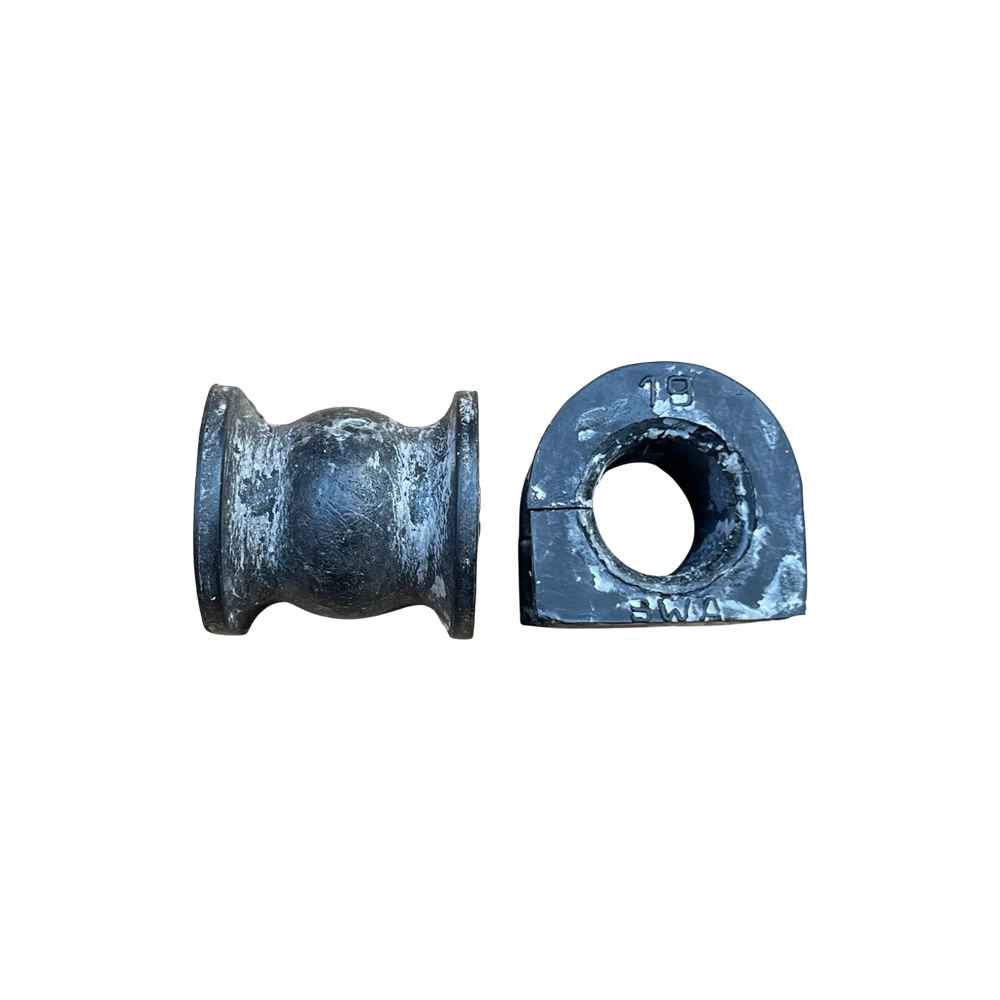
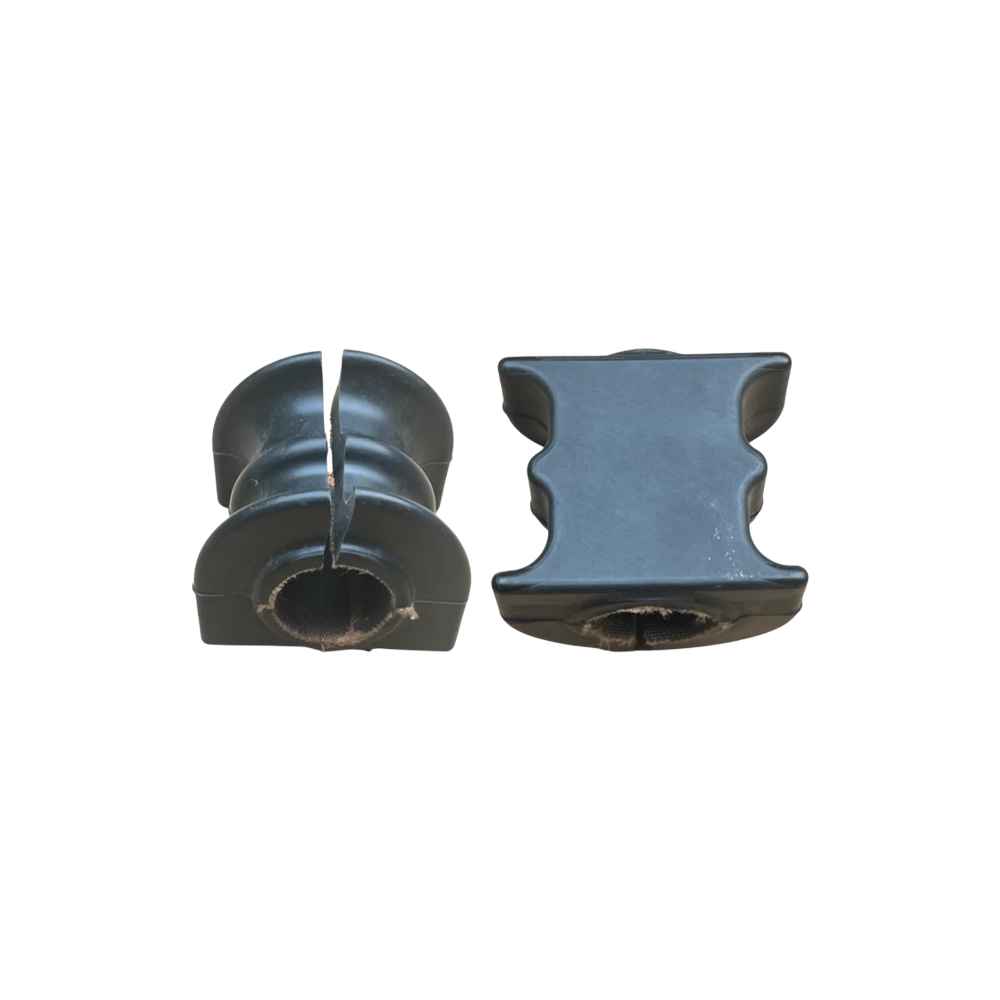
Rack and pinion boots are protective covers that shield the inner components of the steering rack from dirt, moisture, and debris. They act as a barrier, preventing contamination that could lead to premature failure of the steering rack. In addition to safeguarding the internal gear, these boots also help maintain the proper lubrication within the assembly.
Steering Rack Boot vs Rack and Pinion Boot
It’s common to hear the terms "steering rack boot" and "rack and pinion boot" used interchangeably. However, there can be subtle differences based on application. The steering rack boot typically refers to the outer cover designed specifically for the steering mechanism, while the rack and pinion boot may encompass a broader range of applications in various types of vehicles. Understanding this difference can help you make informed decisions when it comes to replacements or upgrades.
Materials Used in Rack and Pinion Boots
When selecting rack and pinion boots, material choice is critical. The longevity and performance of the boots depend largely on their composition. Here are some common materials:
- Rubber: Natural rubber is popular due to its flexibility and resistance to wear but can degrade under UV exposure.
- Thermoplastic Elastomer (TPE): TPE combines the advantages of rubber and plastic, offering superior durability and resistance to chemicals.
- Polyurethane: This material is known for its excellent tensile strength and elasticity, making it ideal for high-performance applications.
Performance Characteristics
The choice of material affects several performance characteristics, including:
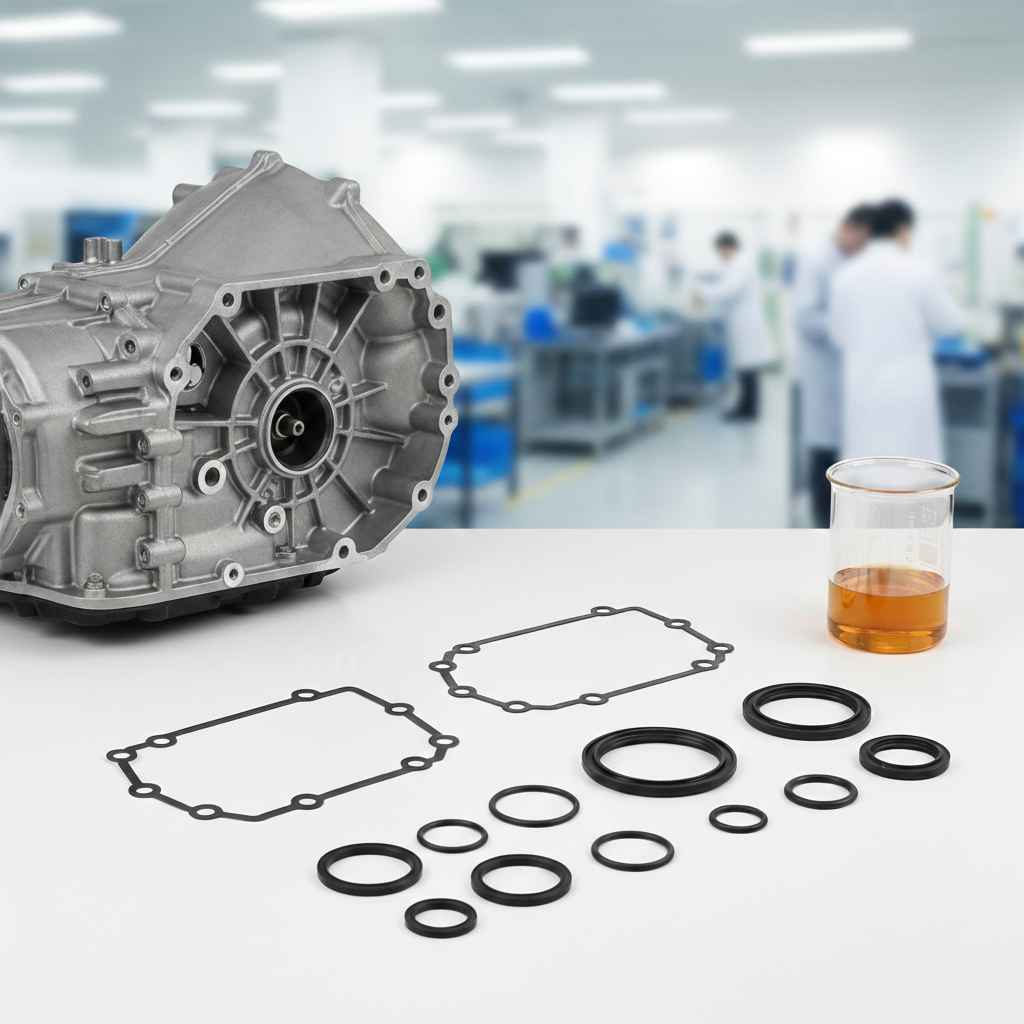
- Flexibility—how well the boot can expand and contract with movement.
- Temperature resistance—critical in maintaining performance over a range of operating conditions.
- Chemical resistance—protecting against automotive fluids and road contaminants.
Cost Insights
Pricing for rack and pinion boots varies widely depending on the material and brand. For example, standard rubber boots might cost less than more advanced polyurethane options. Generally speaking, expect to pay anywhere from $10 to $50 per unit, not including installation costs.
Brand Considerations
Brands like Guanghua offer a range of reliable options in the market. Choosing a reputable brand often guarantees better quality and longer-lasting products. While it might be tempting to opt for cheaper alternatives, investing in higher-quality boots can save you from frequent replacements, ultimately reducing your total expenditure in the long run.
Installation and Maintenance Tips
Proper installation of rack and pinion boots is essential for optimal performance. Follow these tips to ensure longevity:
- Ensure all surfaces are clean before installation to prevent any debris from entering the assembly.
- Use the appropriate adhesive or clamps to secure the boots in place.
- Regularly inspect the boots for signs of wear or damage, and replace them as necessary to avoid larger problems.
Signs of Damage
Be on the lookout for signs of failing boots, such as:
- Cracks or tears visible on the surface.
- Leaking lubricants around the steering assembly.
- Unusual noises while turning the steering wheel.
Conclusion
In summary, understanding the differences between rack and pinion boots and Steering Rack Boots is vital for anyone looking to maintain or upgrade their vehicle's steering system. With the right materials and proper care, you can extend the lifespan of this essential component, keeping your car running smoothly.