Understanding Rocker Cover Seals and O-Ring Seals
When it comes to sealing applications in automotive engineering, rocker cover seals and O-ring seals are often compared. While both serve similar purposes—preventing leaks and ensuring optimal engine performance—they differ significantly in materials, design, and cost. Curious yet? Let’s delve deeper.
Material Composition
Rocker cover seals are typically made from rubber or silicone. These materials provide the necessary flexibility and temperature resistance required for engine environments. For instance, silicone can withstand extreme temperatures, making it an ideal choice for high-performance engines.
- Rubber: Standard in everyday vehicles, rubber is cost-effective but may degrade over time.
- Silicone: Preferred for high-performance applications due to its durability and heat resistance.
On the other hand, O-rings are commonly constructed from nitrile rubber (NBR), fluorocarbon rubber (Viton), or silicone. The choice of material here highly depends on the application’s specific requirements like chemical exposure and operating temperature.
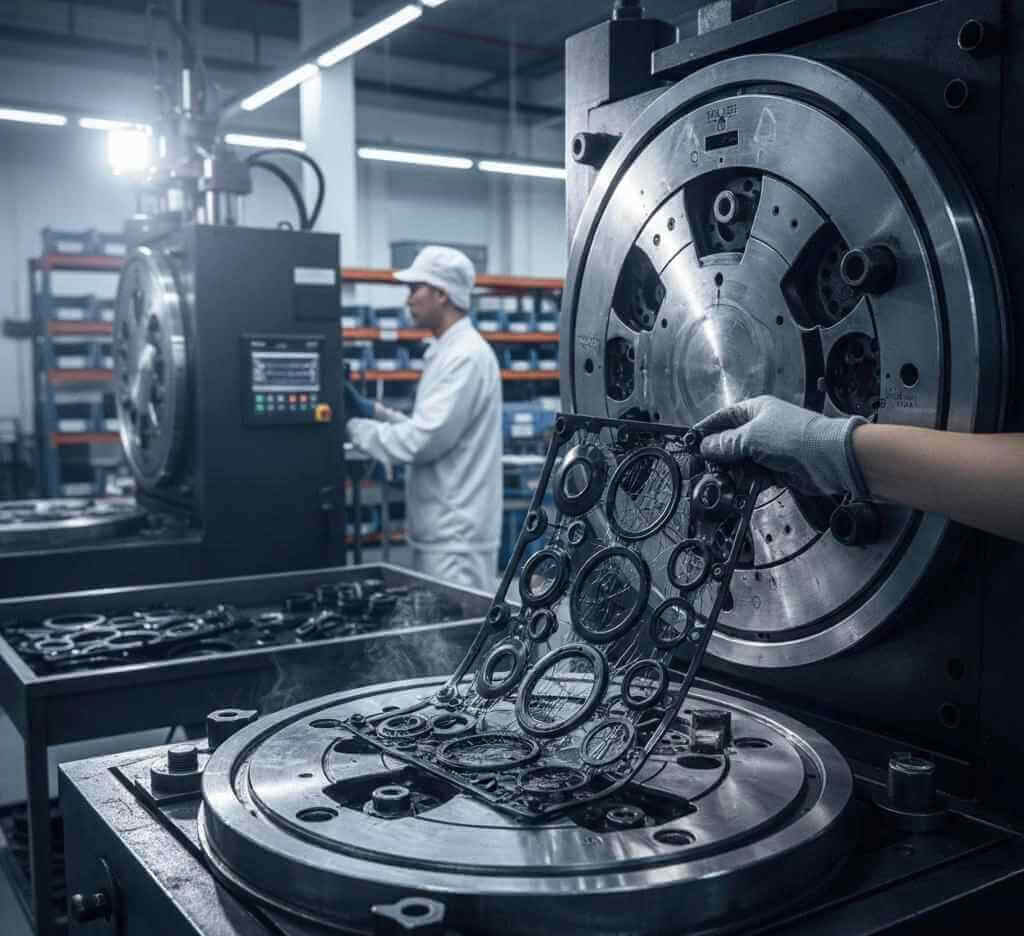
- Nitrile Rubber: Good for fuel and oil resistance; widely used in various automotive applications.
- Fluorocarbon Rubber: Excellent for harsh chemical environments; a bit pricier but worth it!
Design Differences
Have you ever noticed the design variations? Rocker cover seals usually come as a flat gasket that fits snugly against the valve cover and cylinder head. This flat design distributes pressure evenly, which is crucial for preventing leaks.
In contrast, O-rings have a circular cross-section. Their design allows them to seal by compressing against the mating surfaces. When correctly installed, they create a tight seal even under pressure. But, if not fitted properly, they can easily slip or extrude, leading to potential failures.
Cost Analysis
Cost factors can vary quite dramatically. For example, a rocker cover seal might cost anywhere between $10 to $30, depending on the brand and material quality. Take Guanghua's silicone rocker cover seal, renowned for its longevity, priced around $25, making it a worthy investment for enthusiasts.
In comparison, O-ring seals are relatively cheaper. A typical nitrile O-ring can range from $1 to $5. However, don’t let the price fool you! If your application requires high-wear materials like those from premium brands, expect to pay more.
Performance Considerations
Performance is where things get interesting. Rocker cover seals excel in high-temperature situations, offering long-lasting reliability. Meanwhile, O-rings are versatile, functioning well across a wide range of pressures and temperatures.
Consider a scenario: An engine running at peak performance with a silicone rocker seal experiences minimal leaks, ultimately extending engine life. What about using O-rings in hydraulic systems? They can efficiently handle varying pressures but may require frequent replacements if exposed to unfavorable conditions.
Conclusion?
There's no one-size-fits-all answer when choosing between rocker cover seals and O-ring seals. It boils down to application, material preferences, and budget considerations. Are you an enthusiast who wants the best for your engine? Investing in high-quality rocker cover seals might be your best bet.
Ultimately, understanding these differences equips you with the knowledge needed to make informed decisions. After all, every detail counts in achieving the perfect balance between performance and cost.