Understanding Steering Gear Boots
Steering gear boots are essential components that protect the delicate parts of your vehicle's steering system. They serve as a shield against dirt, moisture, and other contaminants. When we talk about these boots, we're often referring to materials like rubber or thermoplastic elastomers, which offer excellent resistance to wear and tear.
However, not all steering gear boots are created equal. Factors such as climate, driving conditions, and overall wear can significantly affect their lifespan. In colder regions, for example, the material may become brittle, leading to cracks over time. This is a key consideration if you're looking into wholesale pricing—cheaper options might save you money initially but cost more down the road when replacements are needed.
Hydraulic Steering: The Basics
On the flip side, hydraulic steering systems use fluid pressure to assist in steering. Unlike traditional mechanical linkages, these systems offer smoother handling and require less effort from the driver. Hydraulic steering can be particularly beneficial in larger vehicles where manual steering would be cumbersome.
But, let’s be real—hydraulic components also have their own set of vulnerabilities. Leaks can occur in the system due to worn seals or hoses, which could lead to catastrophic failures if not addressed promptly. Regular maintenance checks can help mitigate these risks, ensuring that both the hydraulic system and steering gear boots stay in good shape.
Materials Matter: A Closer Look
When comparing steering gear boots and hydraulic steering systems, the materials used should be at the forefront of your mind. For instance, high-quality rubber compounds typically found in brands like Guanghua are designed specifically to withstand extreme temperatures and environmental conditions, extending the life of the boot.
- Rubber: Offers flexibility and durability, often the go-to choice for many manufacturers.
- Thermoplastic Elastomers (TPE): These provide a balance between elasticity and chemical resistance, making them suitable for various applications.
- Polyurethane: Known for its toughness, polyurethane can handle higher stress levels but may be pricier.
Durability: How Long Will It Last?
Durability is a critical factor whether you're investing in steering gear boots or hydraulic steering mechanisms. Quality steering boots, if properly maintained, can last anywhere from 5 to 10 years. On the other hand, hydraulic systems can last longer, provided there are no significant leaks or damage to the components.

It’s crucial to keep an eye on both systems. Signs of wear can include cracks in the boots, fluid leaks, or odd noises during turns. If you notice any of these symptoms early, addressing them can prevent further complications and costly repairs.
Wholesale Pricing Insights
Pricing can vary dramatically based on several factors. Bulk purchases often yield substantial savings, especially when you're sourcing components like steering gear boots or hydraulic parts. Many suppliers offer competitive rates on products, especially if they specialize in wholesale distributions.
- OEM Parts: Original Equipment Manufacturer parts tend to be more expensive but ensure compatibility and reliability.
- Aftermarket Parts: Generally cheaper, these parts may not always meet OEM standards but can be a cost-effective solution.
- Bulk Discounts: Always inquire about discounts when purchasing in larger quantities. Suppliers appreciate loyal customers!
Final Thoughts on Choosing Wisely
When it comes to deciding between steering gear boots and hydraulic steering solutions, consider not just the initial cost but the long-term value. While cheap options might look appealing, investing in reputable brands like Guanghua can save you money in the long run. Remember, you get what you pay for!
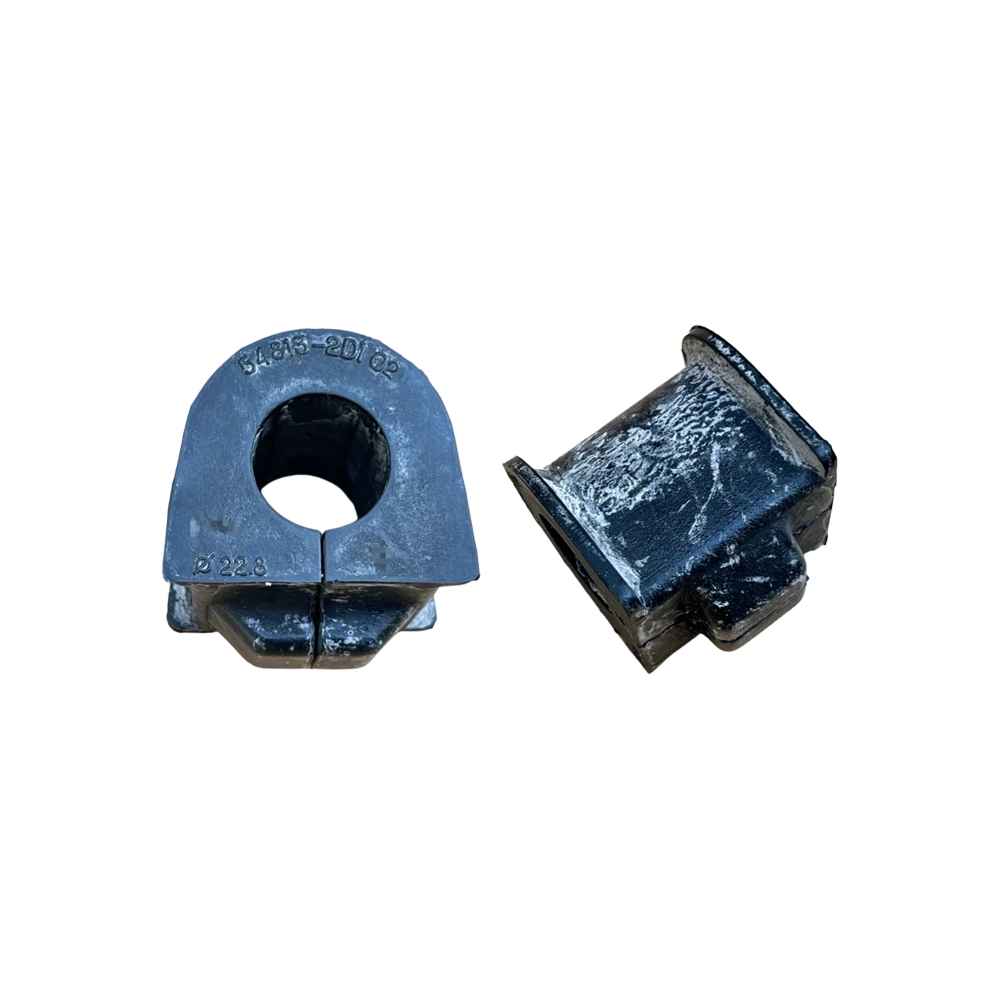
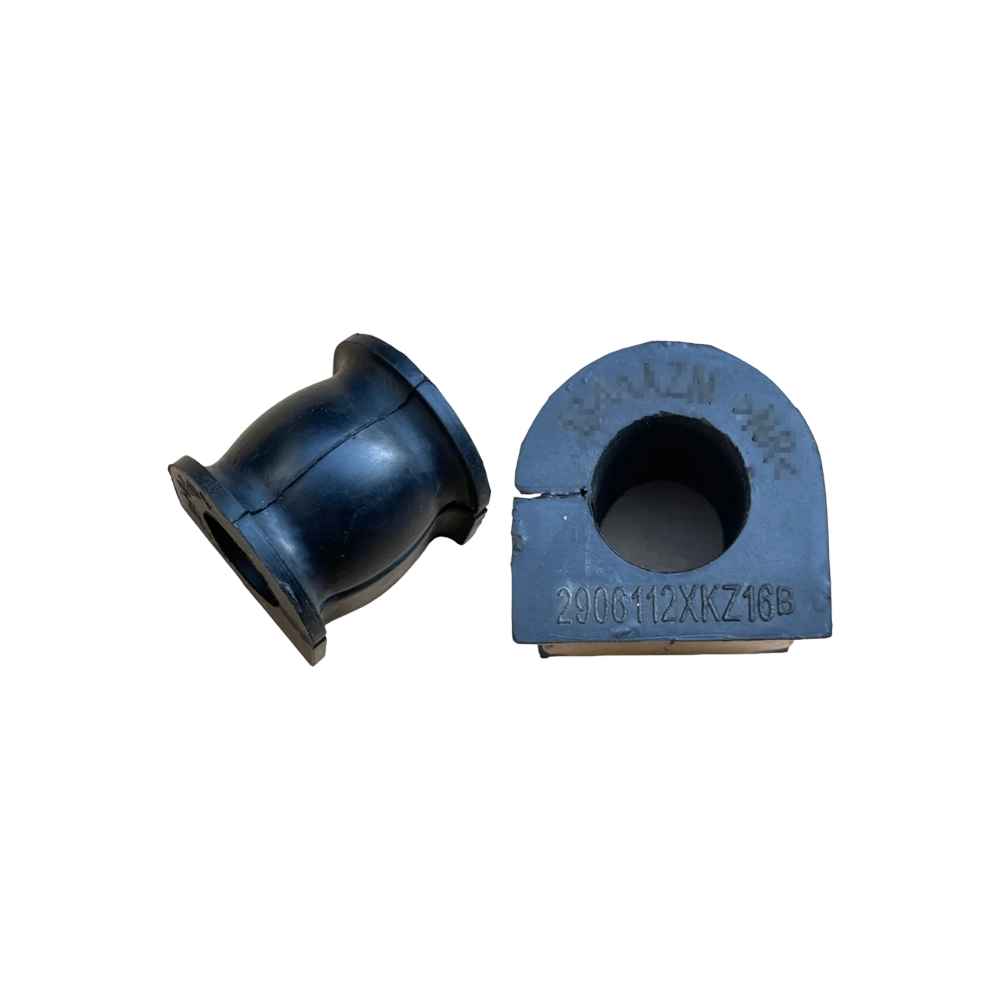
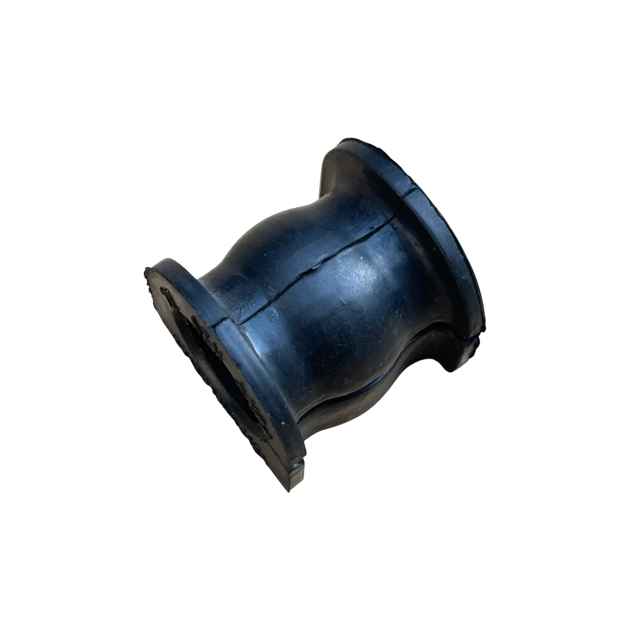
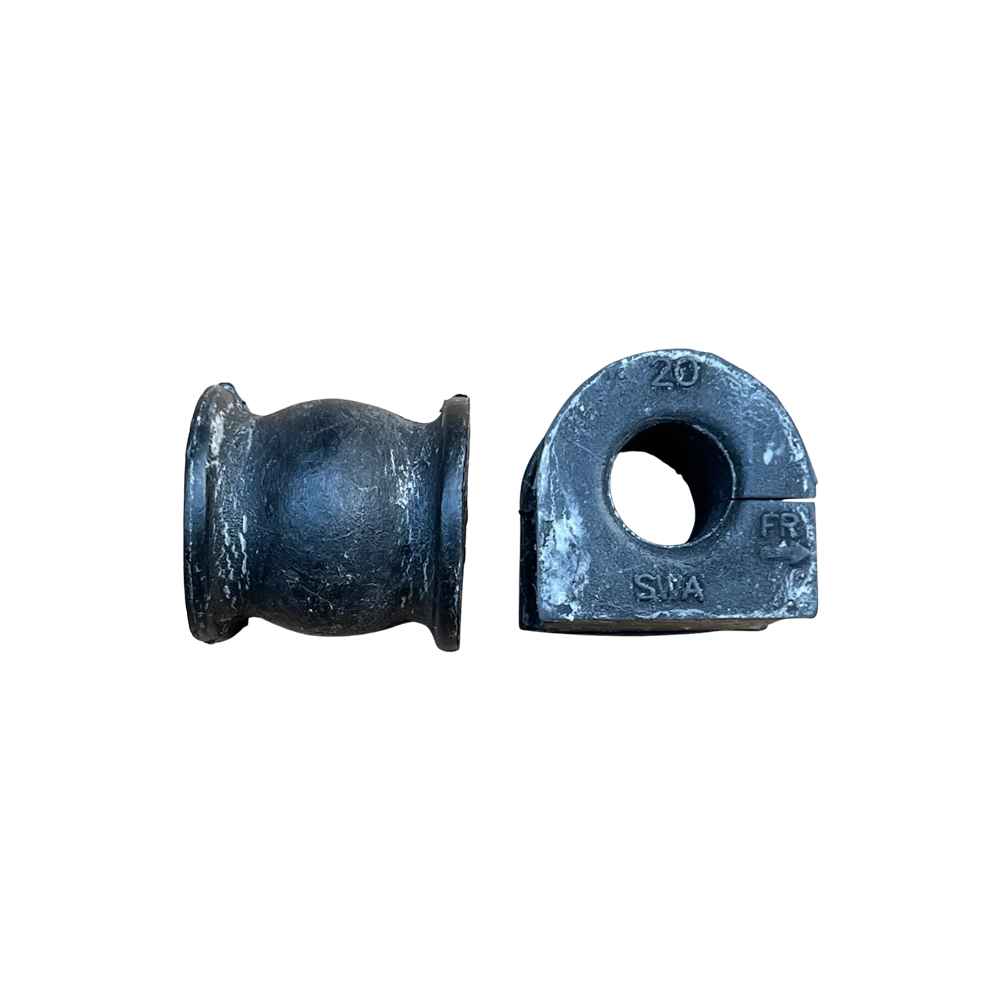
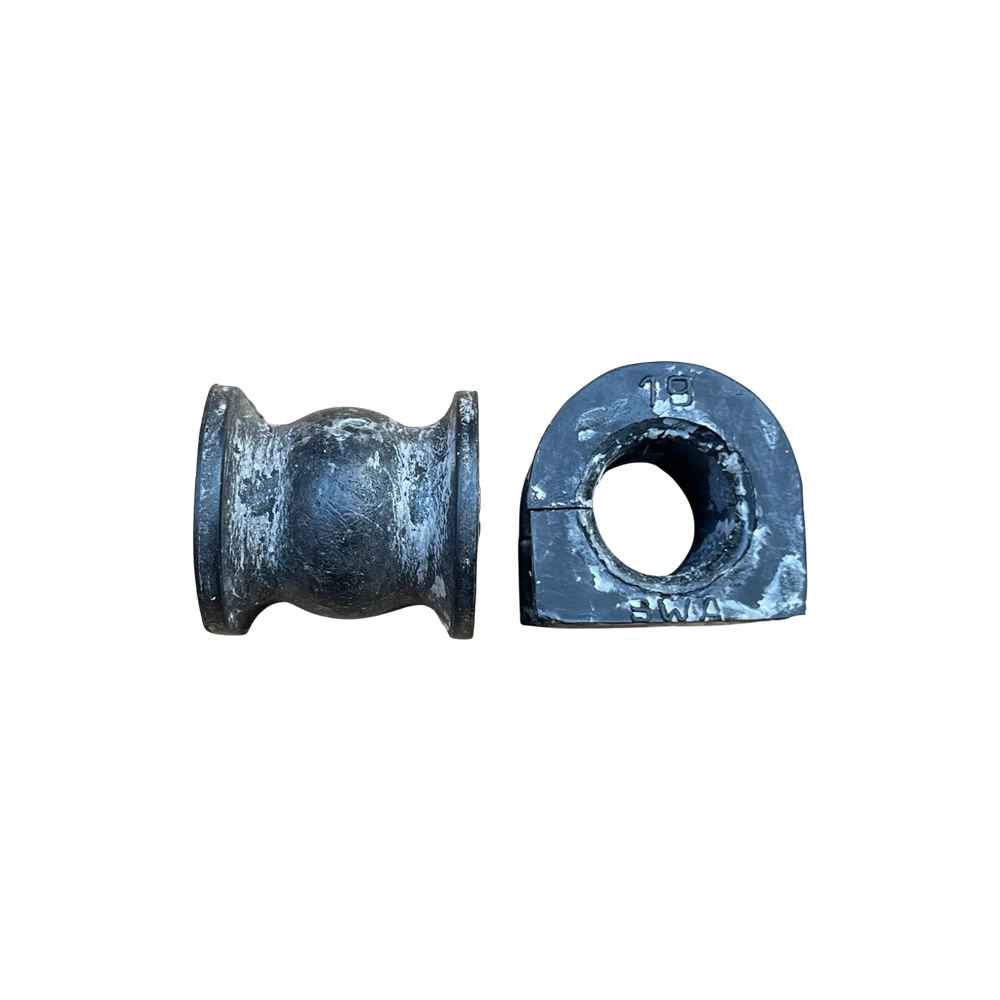
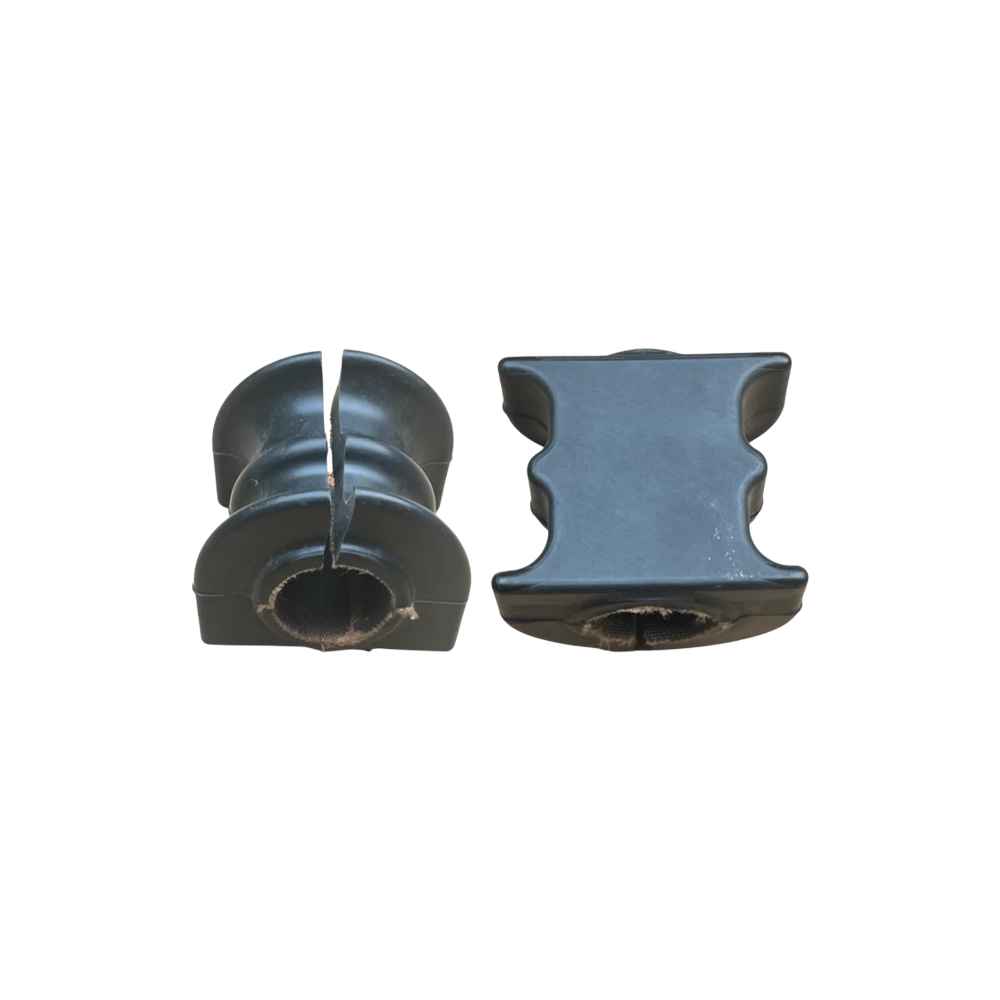
So, whether you’re in the market for durable CV Joint Boots or sturdy Stabilizer Bar Bushings , take your time. Research, compare, and don’t hesitate to ask questions. Your vehicle will thank you in the end!