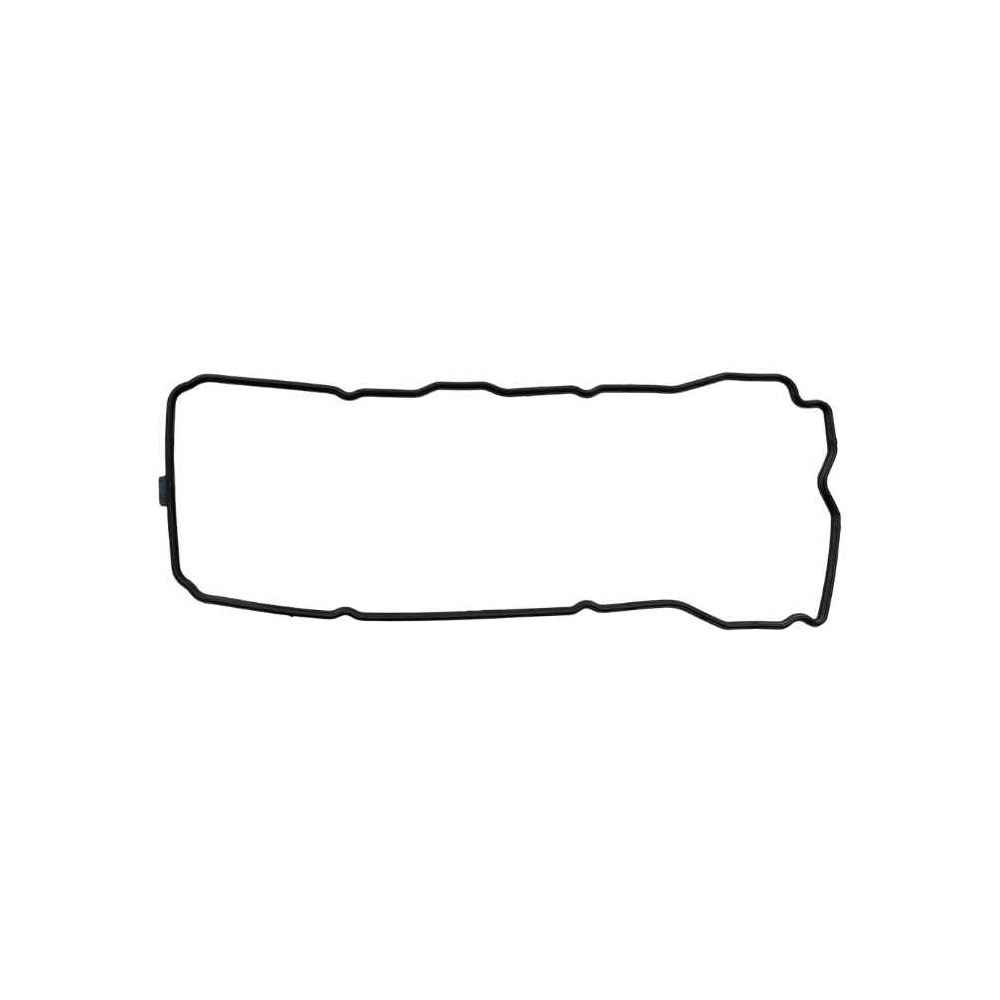
Understanding Steering Gear Boots
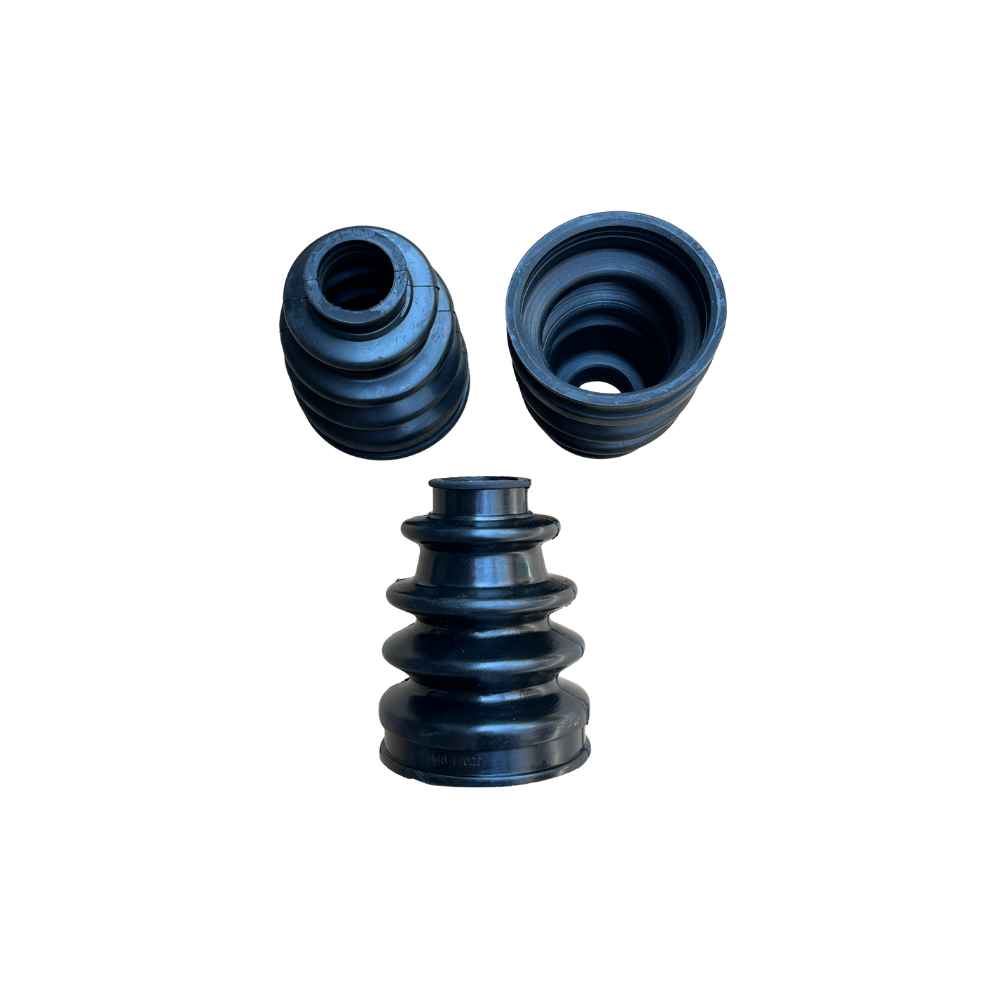
When we talk about steering gear boots, it’s easy to overlook their importance in the grand scheme of vehicle functionality. These handy little components play a crucial role in protecting the steering mechanism from dirt, debris, and moisture. Not only do they keep the internals clean, but they also contribute to the overall noise vibration harshness (NVH) levels within the vehicle.
Materials Used in Steering Gear Boots
The materials used for manufacturing steering gear boots are pivotal. Most commonly, you’ll find them made from rubber or thermoplastic elastomers (TPE). Rubber is well-known for its durability and excellent resistance to wear and tear, making it a popular choice. TPE, on the other hand, showcases flexibility, which may offer better NVH characteristics due to its ability to absorb vibrations effectively.
- Rubber: Durable, great for heavy-duty use.
- TPE: Flexible, offers improved vibration absorption.
Cost Considerations
Now, let’s get into the nitty-gritty of costs. Pricing can vary significantly based on the material, brand, and design. On average, steering gear boots range between $10 to $50 per piece. If you go for premium brands like Guanghua, you might find yourself paying on the higher end, but it’s often worth the investment considering their reliability.
NVH Reduction Techniques
One of the primary functions of steering gear boots is NVH reduction. By providing a barrier that minimizes vibration transfer, these boots help create a smoother driving experience. But how do they actually accomplish this? It’s all about the material properties and design intricacies.
The Science Behind NVH
NVH issues typically stem from mechanical components interacting within the vehicle. The right materials can absorb shocks and dampen vibrations before they reach the cabin. This means fewer rattles and an overall more pleasurable ride for both driver and passengers.
Importance of Proper Installation
It’s not just about having good quality steering gear boots; installation plays a key part too! A poorly installed boot can lead to premature wear, increasing noise levels instead of reducing them. So, make sure to have a professional handle the installation if you’re unsure.
Comparing Steering Gear Boots to Other Components
While steering gear boots are essential, they aren’t the only players in the NVH reduction game. For instance, Shock Absorber Boots and Stabilizer Bar Bushings also contribute significantly to minimizing unwanted sounds and vibrations.
- Shock Absorber Boots : Help protect shock absorbers from dirt and moisture.
- Stabilizer Bar Bushings: Provide cushioning and support for sway bars, enhancing stability.
It's fascinating how different parts work together in harmony. Each component has its role, yet when combined, they form a cohesive unit focused on delivering a pleasant driving experience.
Choosing the Right Component for Your Vehicle
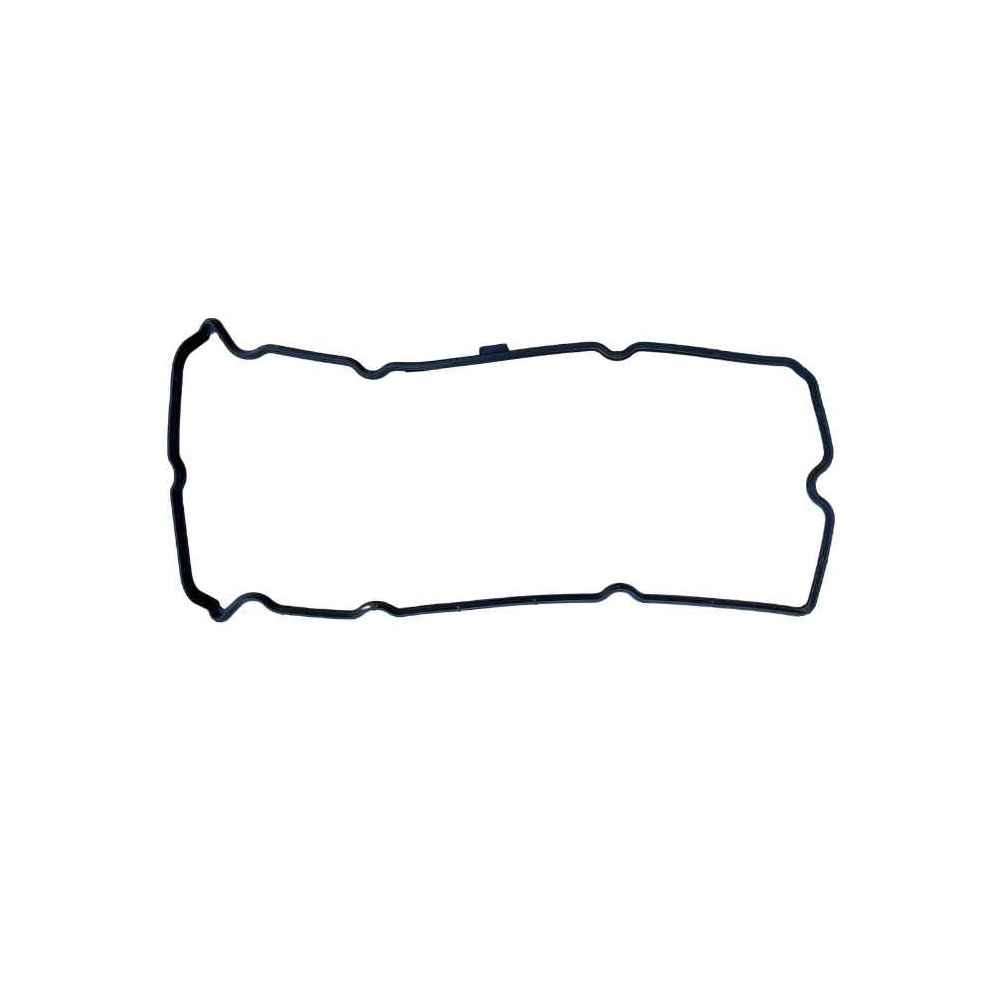
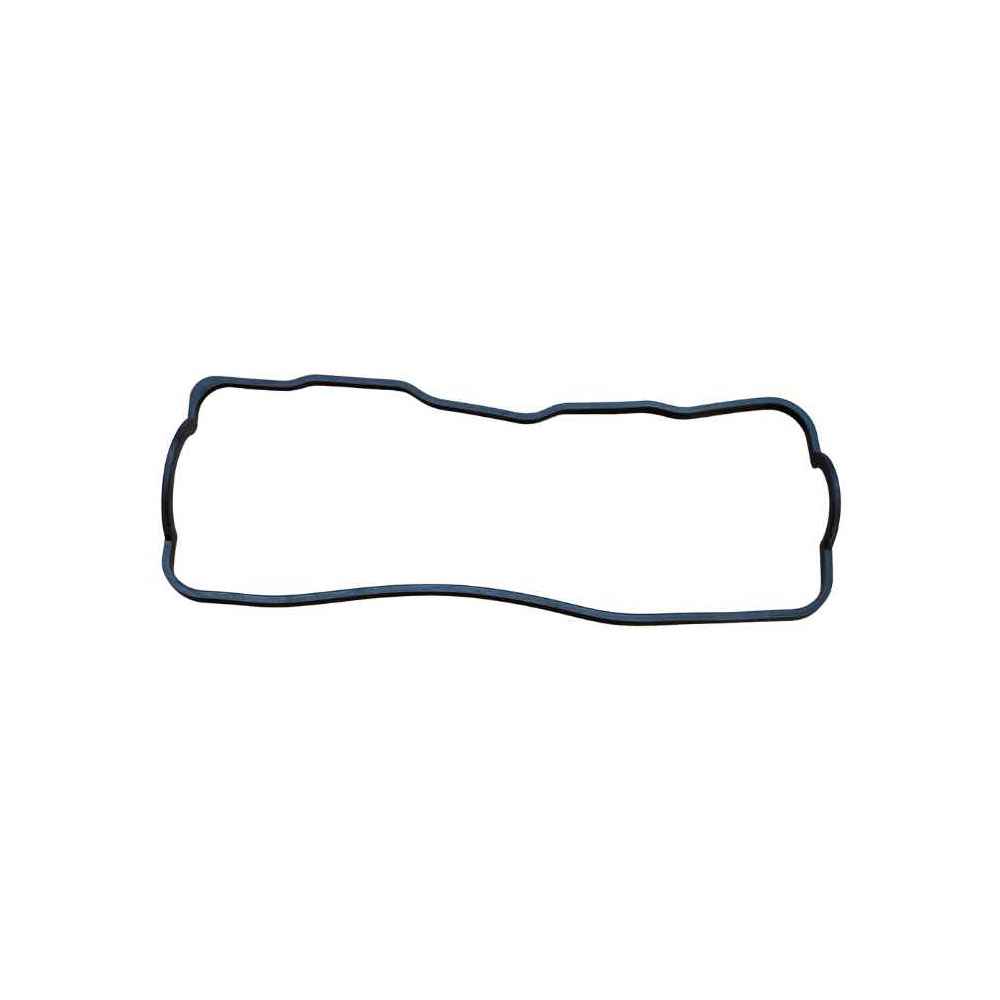
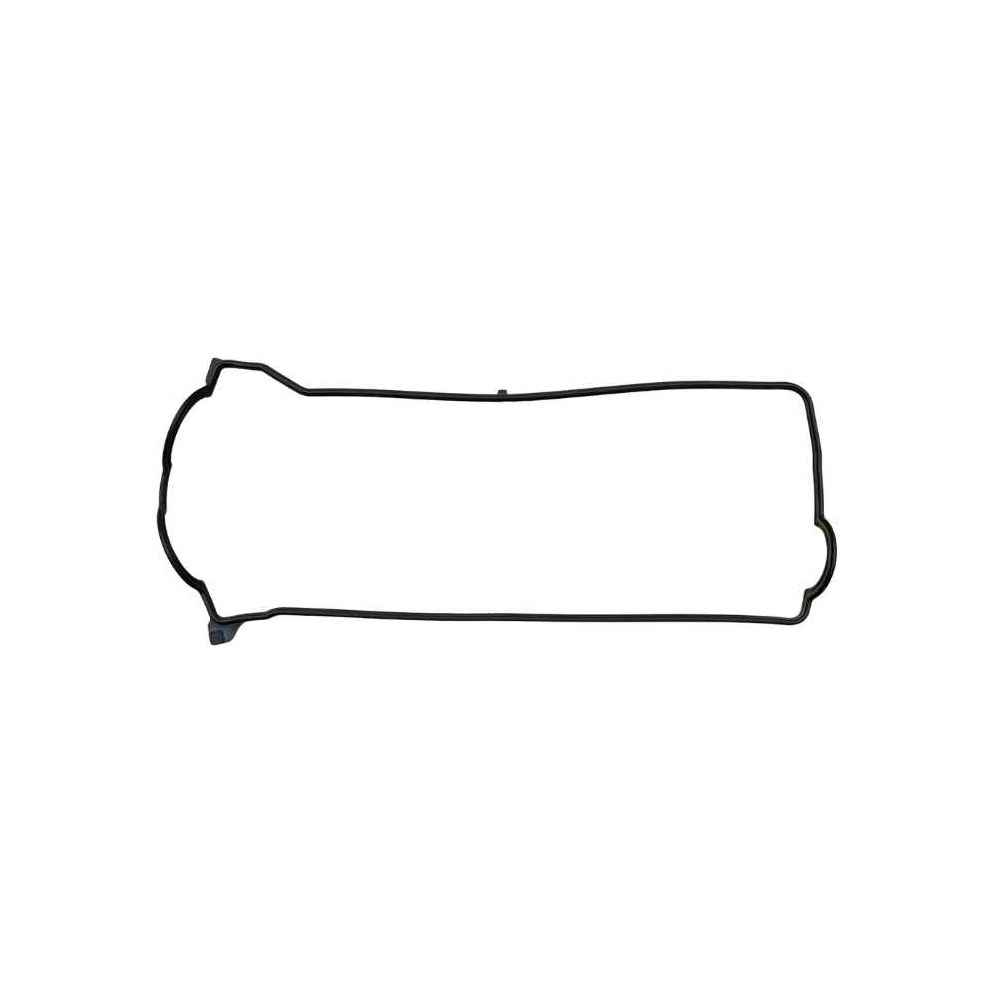
When selecting a steering gear boot, consider factors like compatibility with your vehicle model, environmental conditions, and budget. Keeping an eye out for high-quality options can save you from frequent replacements down the line. Look for seals, like O-Rings & rubber sealing rings, that work hand in hand with your steering gear boots for maximum effectiveness!
Maintenance Tips for Steering Gear Boots
Maintaining your steering gear boots is relatively simple but often overlooked. Regular checks can prevent minor issues from escalating into major problems. Here are a few tips:
- Inspect for cracks or tears regularly.
- Clean boots with mild soap and water to remove grime.
- Replace them as soon as you notice wear.
By being proactive, you can ensure that your steering system remains in top shape while keeping NVH levels down.
Conclusion
While steering gear boots are just one part of the complex puzzle that makes up your vehicle, their role in NVH reduction is significant. Choose wisely when it comes to materials and brands, ensure proper installation, and maintain them regularly to enjoy a quieter ride.