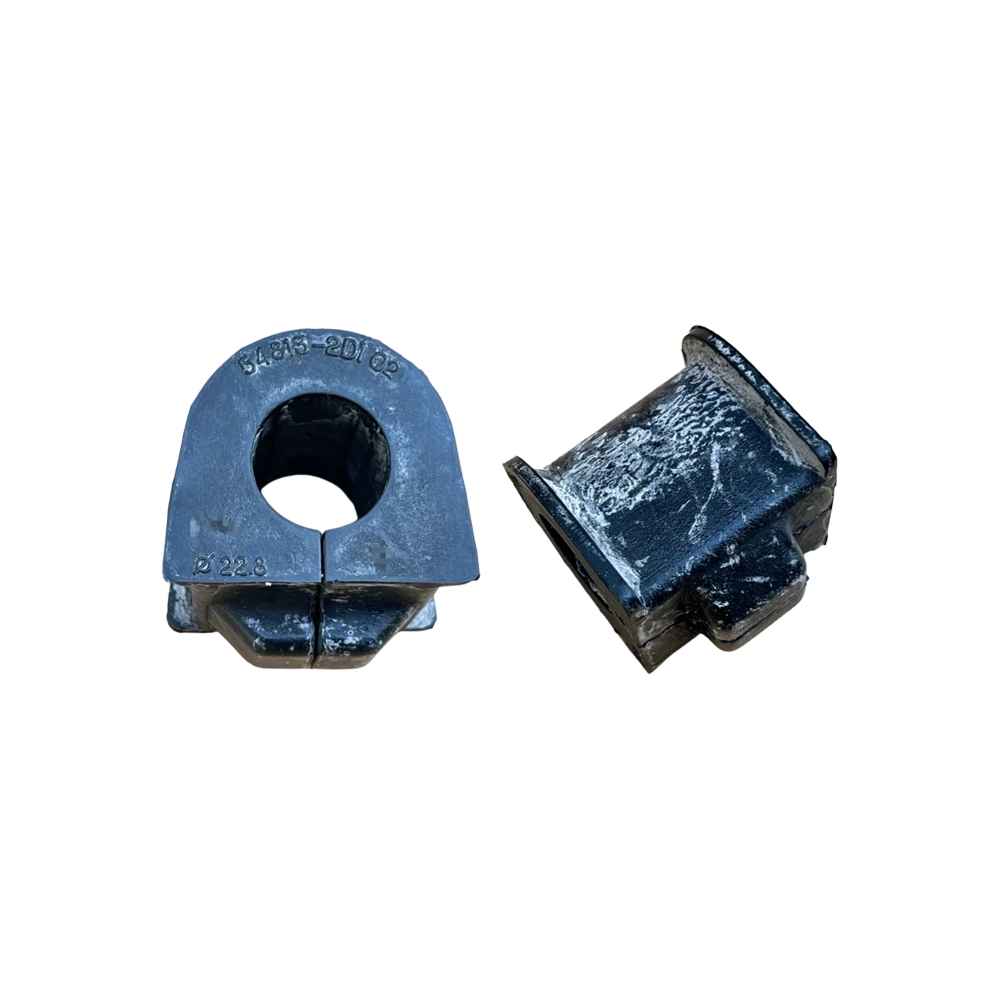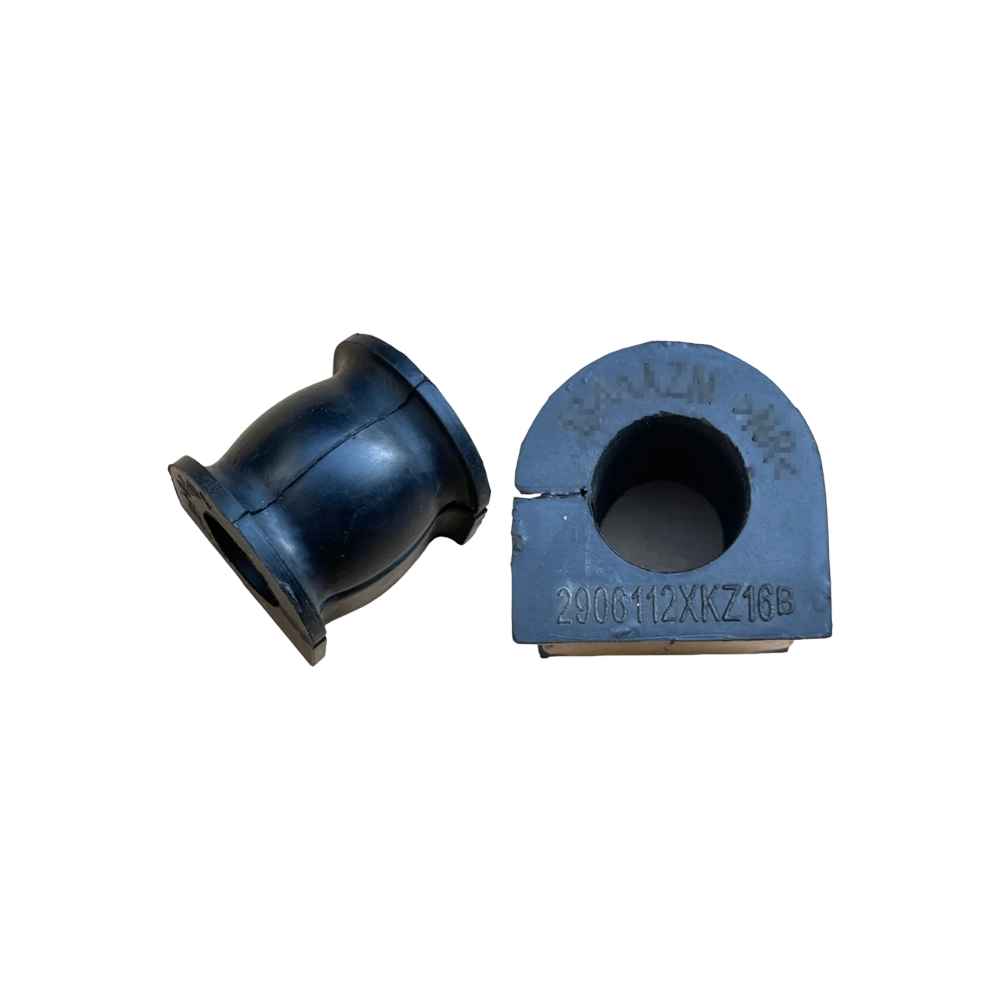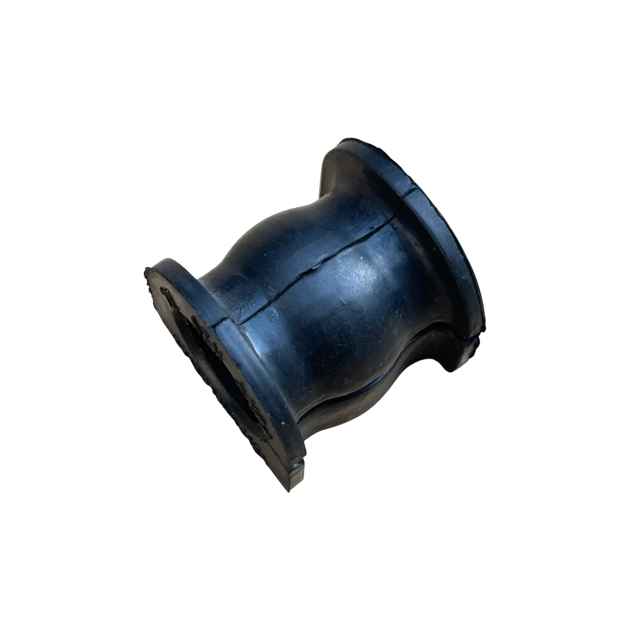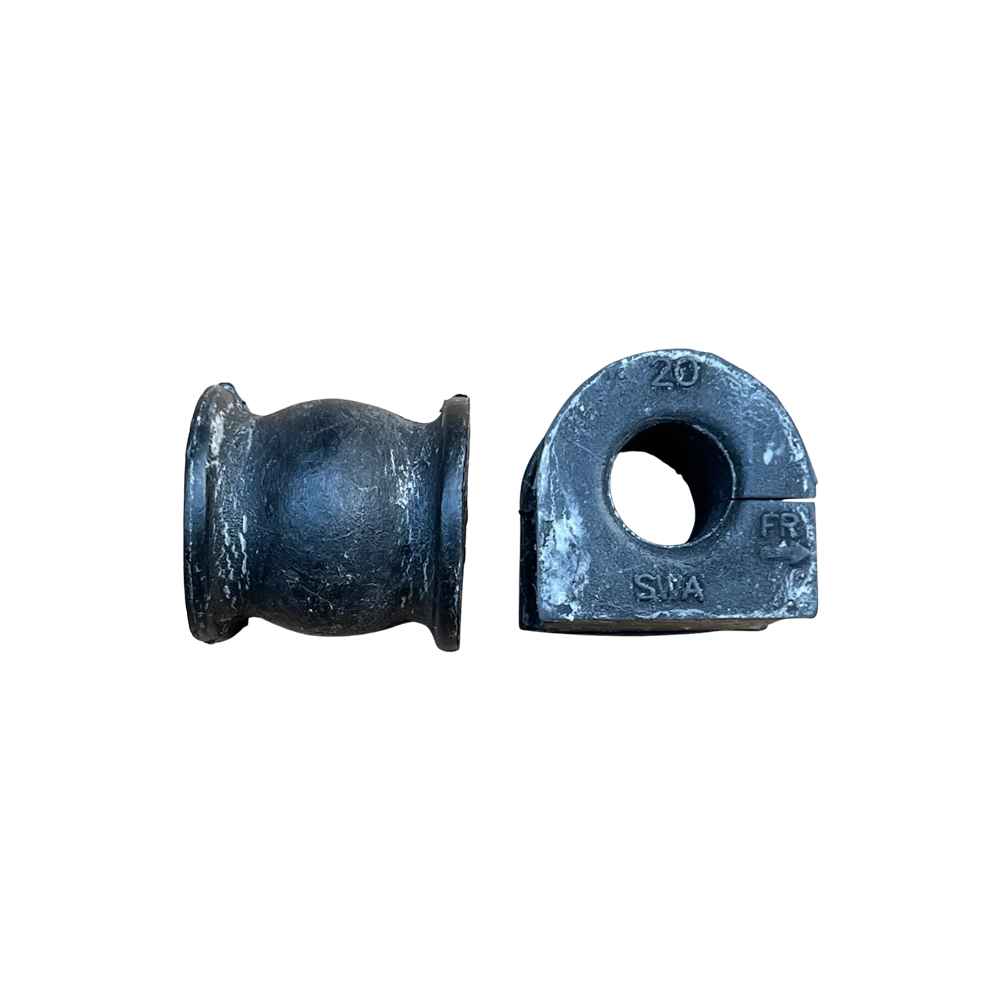
Understanding Steering Rack Boots
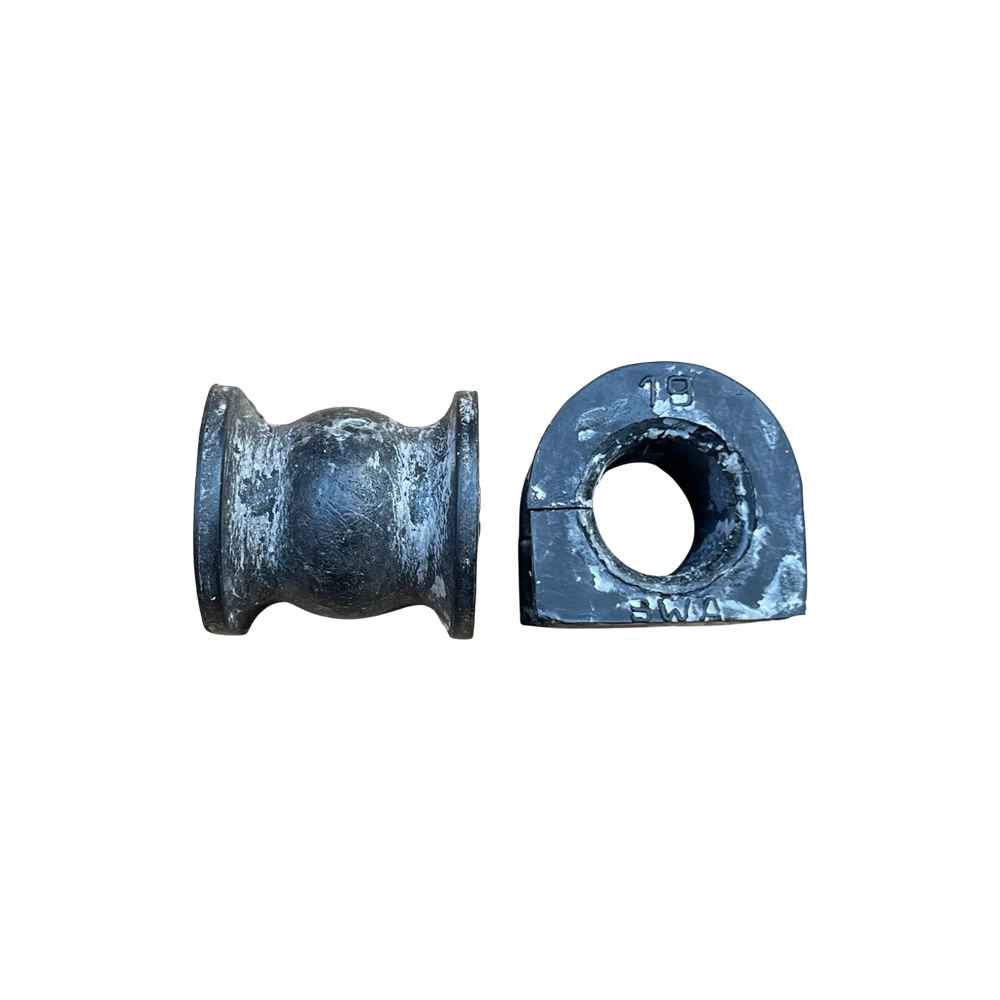
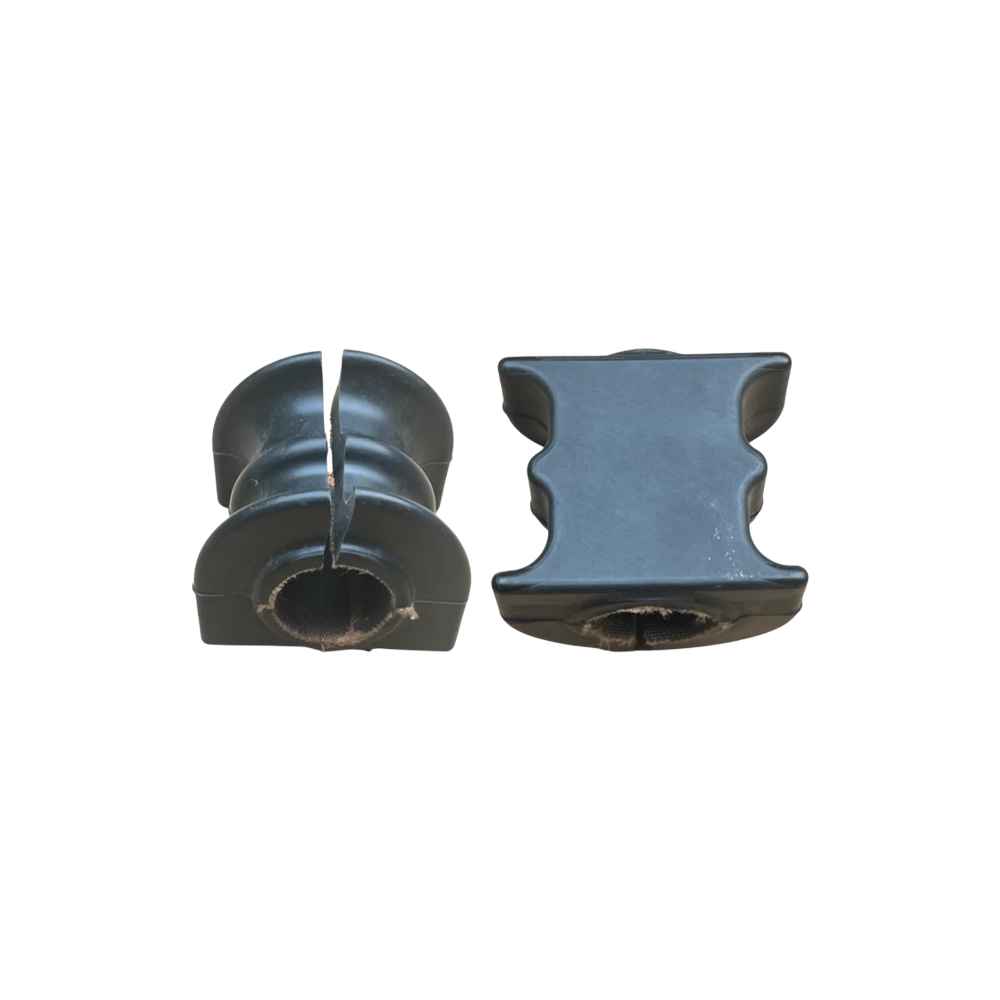
Steering Rack Boots , those rubbery wonders that often go overlooked, play a vital role in maintaining your vehicle’s steering system. They protect the steering rack from dust, debris, and moisture, which can lead to wear and tear over time. But what truly sets them apart from inner and outer components? Let’s dive into materials, durability, and even some wholesale pricing insights.
Materials Matter
The first thing to consider is the material used in making Steering Rack Boots . Most commonly, you’ll find rubber or thermoplastic elastomers (TPEs) being utilized. Each has its pros and cons:
- Rubber: Traditionally favored for its flexibility and resilience, but it can degrade with exposure to extreme temperatures or chemicals.
- TPE: Offers excellent resistance to oxidation and ozone, making it a durable option in varying environmental conditions.
Choosing the right material can extend the life of these boots significantly, so it's worth doing a bit of homework before deciding.
Durability Insights
How long do these boots last? Well, it largely depends on the environment they’re subjected to and the quality of the material. Higher-quality boots, like those manufactured by Guanghua, typically boast better longevity. On average, steering rack boots can last anywhere from 50,000 to 100,000 miles. However, factors such as road conditions and weather can impact this lifespan.
Inner vs Outer: What's the Difference?
When discussing steering rack boots, it's crucial to recognize the differences between inner and outer types. Inner boots generally serve to connect the steering shaft to the rack, while outer boots protect the ends of the steering linkage. The distinction may seem minimal, but each plays a unique role in the overall functionality of the steering system.
- Inner Boots: Located closer to the steering column, they are often subject to less wear and tear than their outer counterparts.
- Outer Boots: These are more exposed to dirt and debris, hence they usually require more frequent inspections and replacements.
Wholesale Pricing Insights
If you’re sourcing steering rack boots, understanding wholesale pricing can save you a pretty penny. Prices can vary based on brand, material, and quantity purchased. For example, rubber boots might range from $5 to $15 per unit, whereas TPE options can be slightly pricier but offer longer-term savings due to their durability.
Bulk purchases can also yield significant discounts. Many wholesalers provide tiered pricing based on volume, so if you're running a shop or managing fleet vehicles, it pays to get quotes from multiple suppliers.
Factors Influencing Cost
Besides the material and brand, several other factors can influence the cost of steering rack boots:
- OEM vs Aftermarket: Original Equipment Manufacturer parts tend to be more expensive compared to aftermarket alternatives, but they often come with a warranty.
- Shipping Costs: Don’t forget to factor in shipping, especially if you're ordering from far away.
- Seasonal Discounts: Sometimes, you might find seasonal sales at specific times of the year, where certain brands go on sale.
Common Issues and Solutions
Even the best steering rack boots face issues from time to time. Cracking and tearing are common problems, primarily caused by age or exposure to harsh environments. Regular inspections can help catch these issues early, allowing for replacements before serious damage occurs to the steering system.
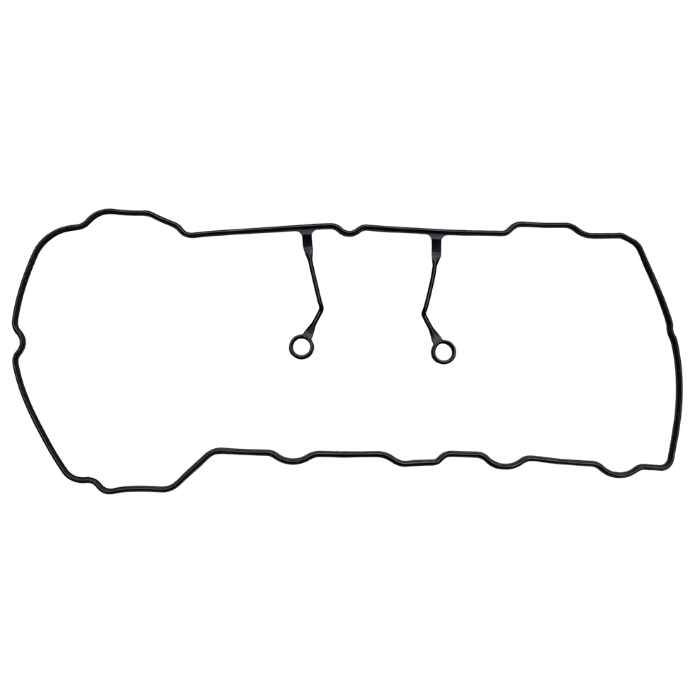
For effective repairs, make sure to use high-quality O-Rings & Rubber Sealing Rings to ensure proper sealing when replacing damaged boots.
Installation Tips
Installing new steering rack boots might seem daunting, but it’s achievable with the right tools and guidance. Always remember:
- Clean the area thoroughly before installation.
- Use a suitable lubricant to ease the sliding of the boot onto the steering rack.
- Check alignment during installation to avoid future issues.
Final Thoughts on Choosing the Right Boot
In summary, investing in high-quality steering rack boots can save you time and money in the long run. Whether you opt for rubber or TPE, ensure you understand the specifics of your vehicle's needs. And don’t overlook the importance of sourcing your parts wisely—after all, the more informed you are, the better choices you can make.