Understanding the Basics
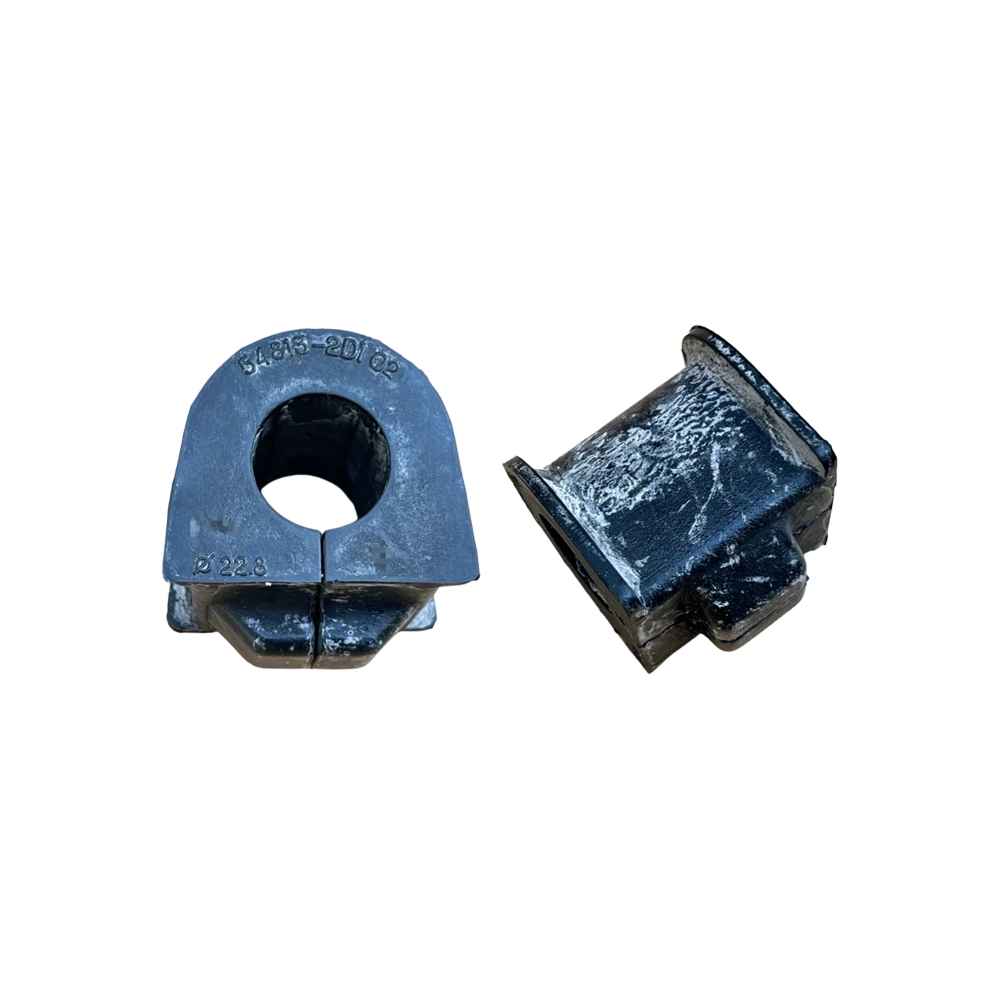
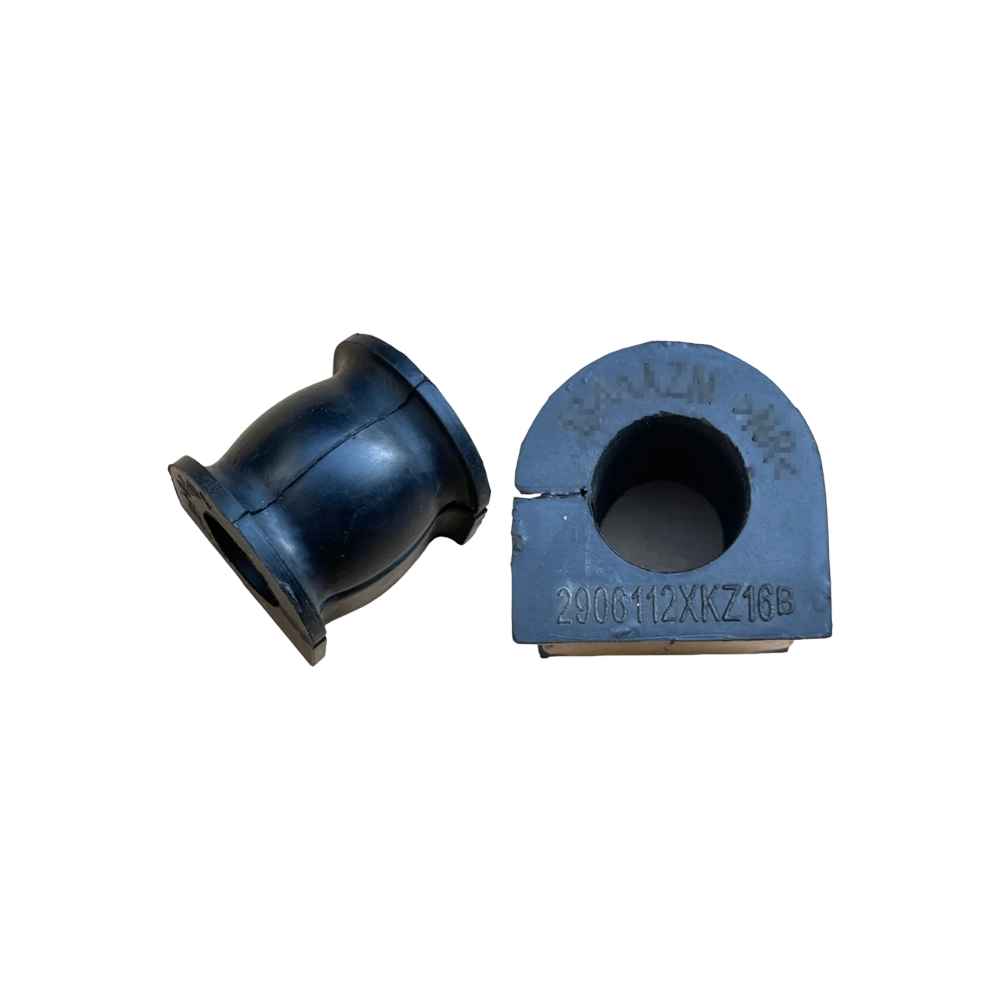
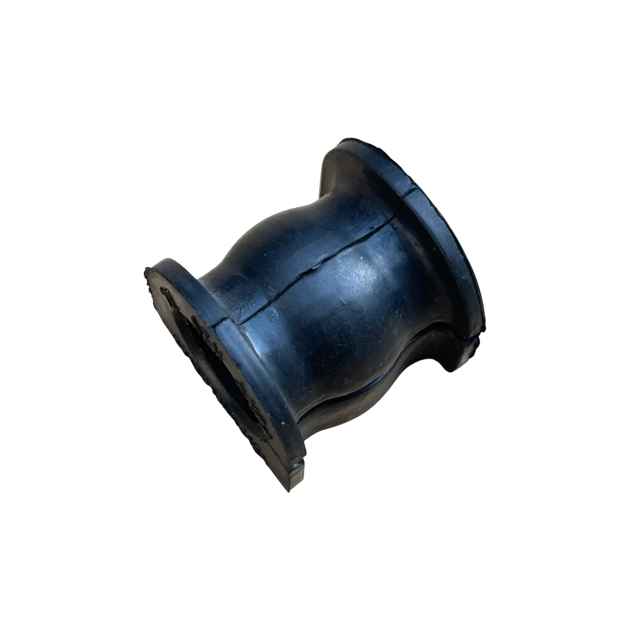
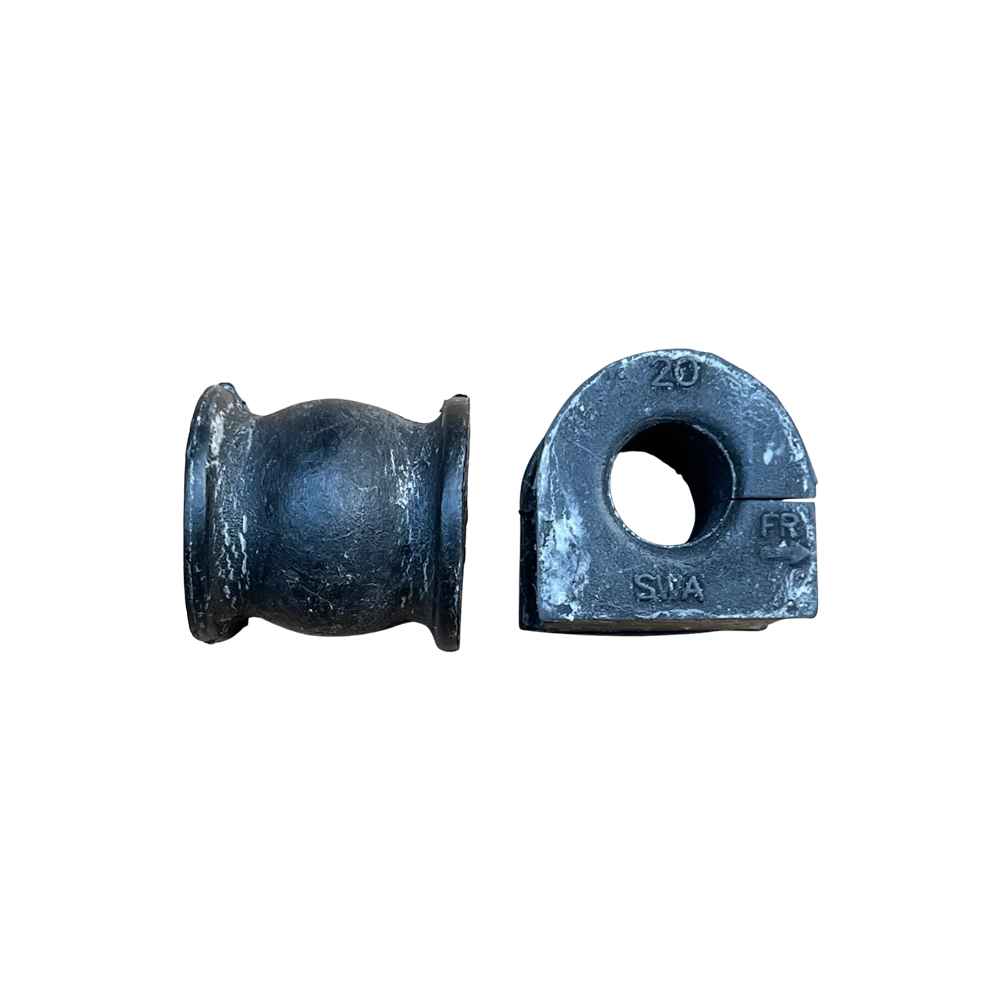
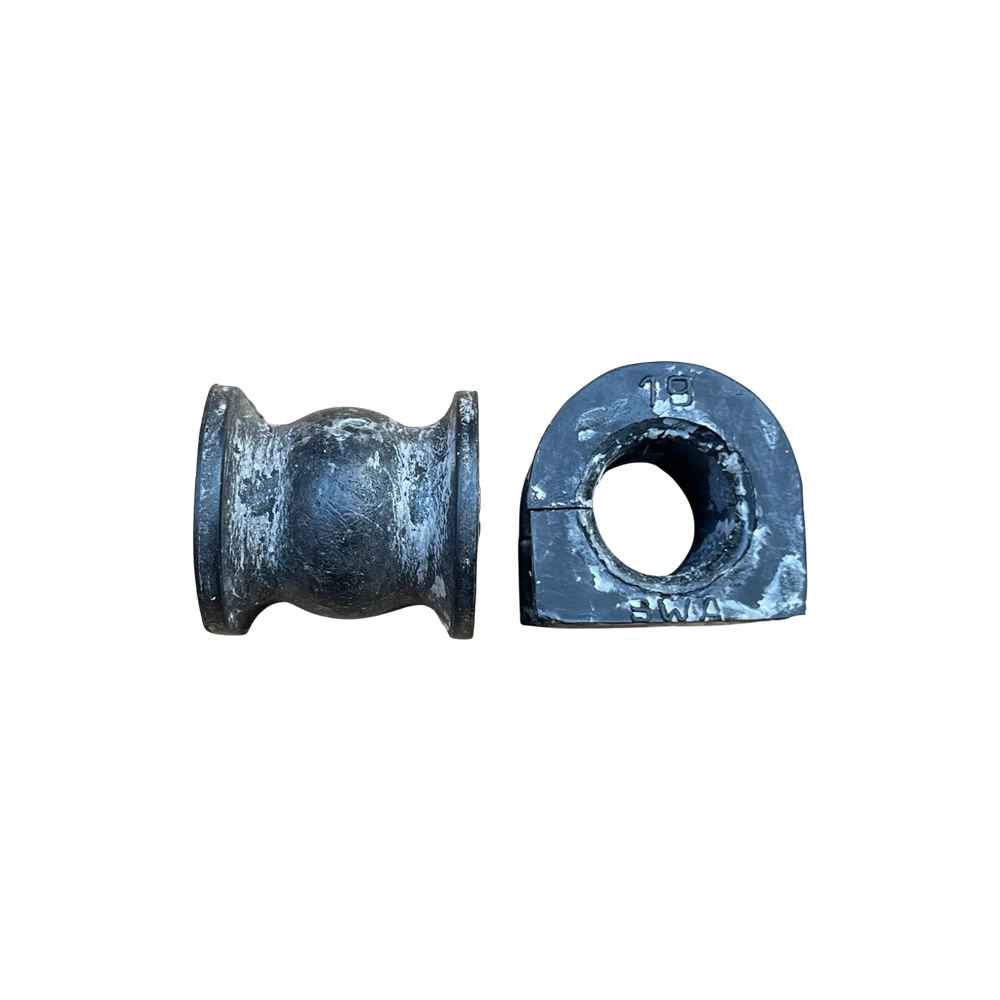
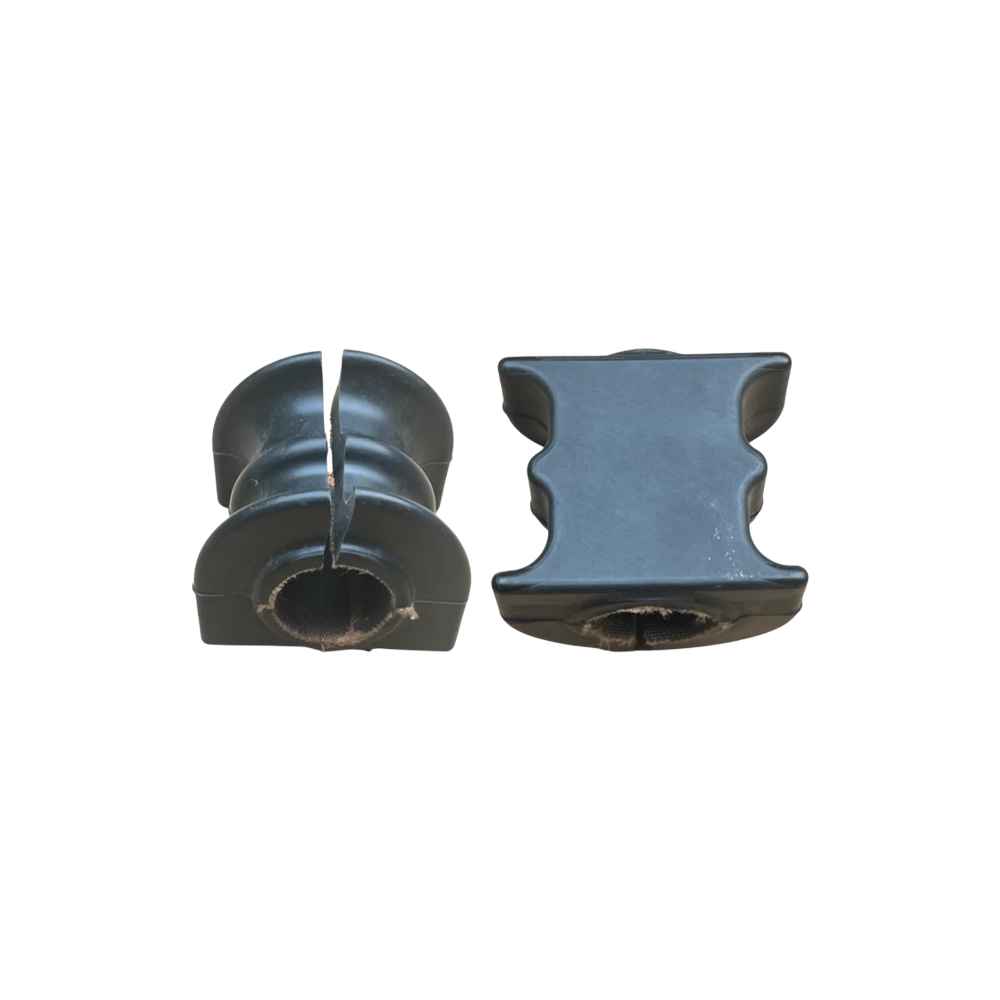
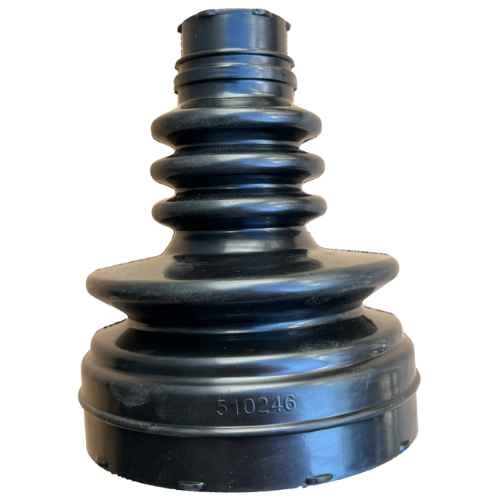
Steering Rack Boots and strut dust sleeves—two essential components in automotive suspension systems. But what sets them apart? The materials they use, their durability, and pricing can make a significant difference when it comes to performance and longevity. Why are these little parts so crucial?
Materials Matter
Let’s dive into materials. Steering Rack Boots are often made from neoprene or thermoplastic rubber. These materials resist both heat and wear, vital attributes for components exposed to constant movement. On the other hand, strut dust sleeves usually utilize polyethylene, which is lightweight but lacks the same durability as its counterpart.
- Neoprene: Excellent resistance to oil & ozone.
- Thermoplastic Rubber: Good elasticity and resistant to UV rays.
- Polyethylene: Cost-effective but less durable.
Durability: A Closer Look
Durability is another critical factor. Steering Rack Boots face constant friction, dirt, and moisture. A study found that high-quality steering rack boots could last up to 10 years, provided they are not compromised by external factors. Conversely, strut dust sleeves, while cheaper, often need replacement every three to five years due to environmental wear. Isn't it rather disheartening how short-lived some car components can be?
In terms of real-world scenarios, I recall a case where a fleet of delivery vans outfitted with Guanghua steering rack boots experienced significantly lower maintenance costs compared to those using standard strut dust sleeves. The data clearly indicated that investing in quality pays off.
Wholesale Pricing Insights
When discussing pricing, one must consider wholesale rates. Steering rack boots typically range between $5 to $25 depending on the brand and material quality. Strut dust sleeves are generally cheaper, priced between $3 to $15. But is price always indicative of quality? It makes you wonder, doesn’t it?
- Steering Rack Boots: $5 - $25
- Strut Dust Sleeves: $3 - $15
For bulk purchases, companies like Guanghua offer competitive discounts. They provide packages that can significantly reduce per-unit costs, making it an attractive option for automotive repair shops.
Installation Considerations
The installation process also varies between these two components. Steering rack boots often require special tools and knowledge to install properly. Failing to secure them correctly can lead to premature failure.
On the flip side, strut dust sleeves are relatively straightforward. However, improper installation might lead to future complications, such as exposure to dirt and debris. Who wants to deal with that hassle later on?
Comparative Advantages
So, why choose one over the other? Steering rack boots offer superior protection and durability, making them well worth the investment for vehicles subjected to harsh conditions. Yet, if you're looking for a quick solution for less demanding applications, strut dust sleeves serve their purpose just fine.
- Steering Rack Boots: Best for heavy-duty use
- Strut Dust Sleeves: Suitable for light-duty applications
Real-World Implications
Consider this: A customer once came to me frustrated after repeatedly replacing his vehicle's strut dust sleeves. After a thorough consultation, we opted for high-quality steering rack boots instead. The result? Zero issues for nearly four years now! Talk about a game changer!
The decision-making process shouldn't just be based on upfront cost but also on the long-term benefits these components bring to the table. It's a classic case of "you get what you pay for."
Final Thoughts
Ultimately, whether opting for steering rack boots or strut dust sleeves, understanding material properties, durability, and pricing can profoundly impact your vehicle's performance. Trust quality brands like Guanghua to deliver products that stand the test of time—even under the most challenging conditions.
Remember, investing in the right components today prevents headaches tomorrow!