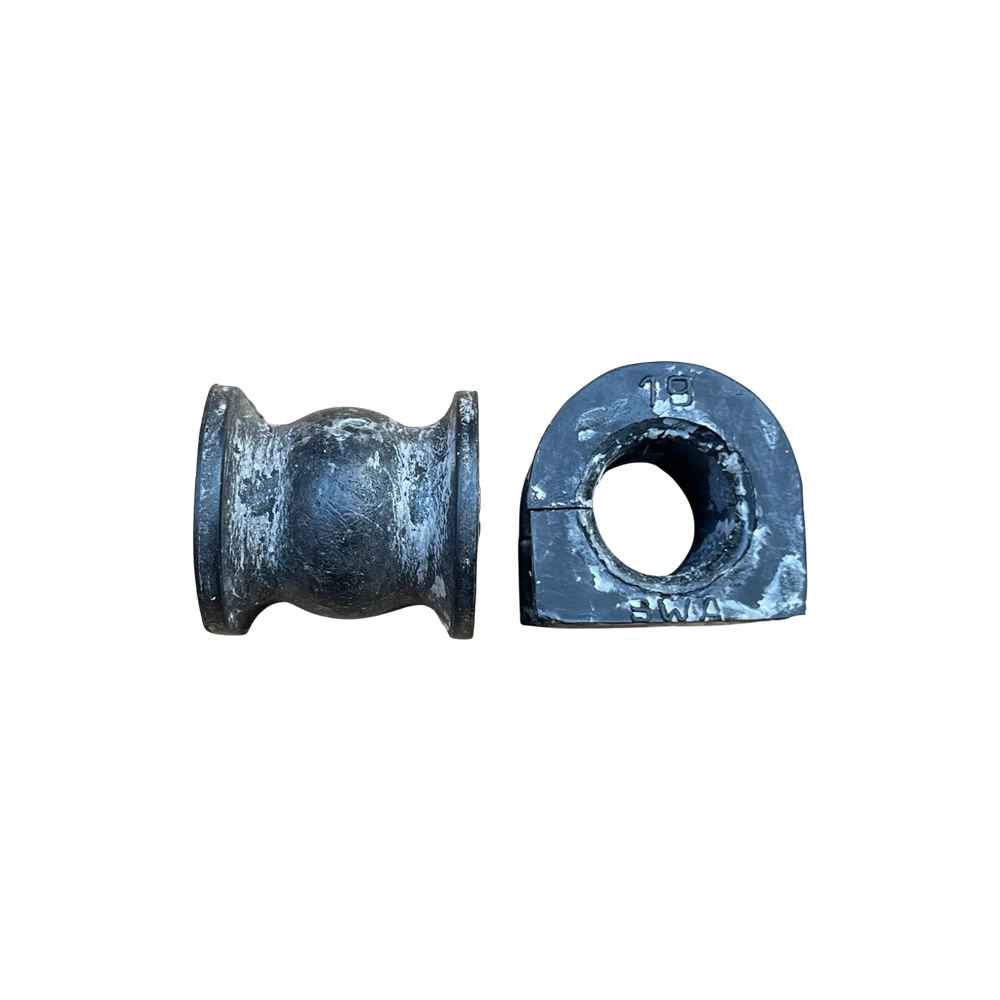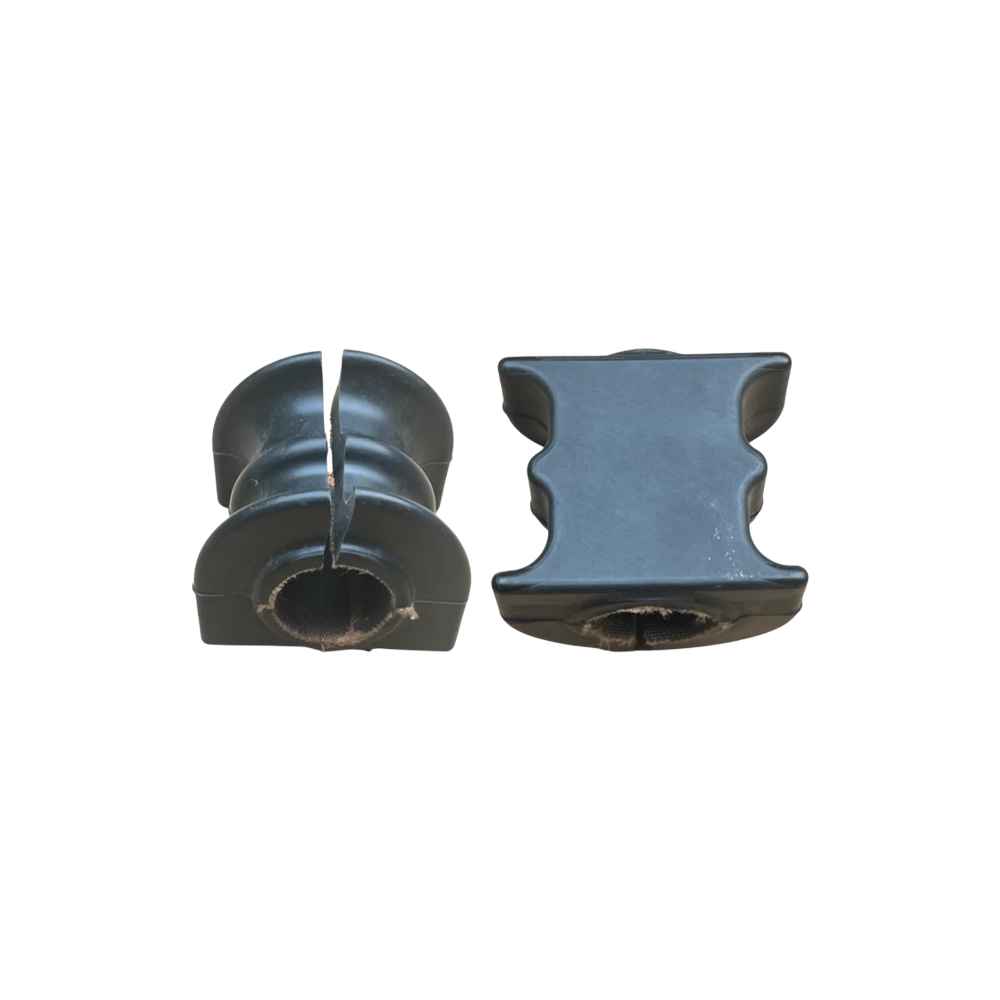
Understanding Strut Dust Sleeves
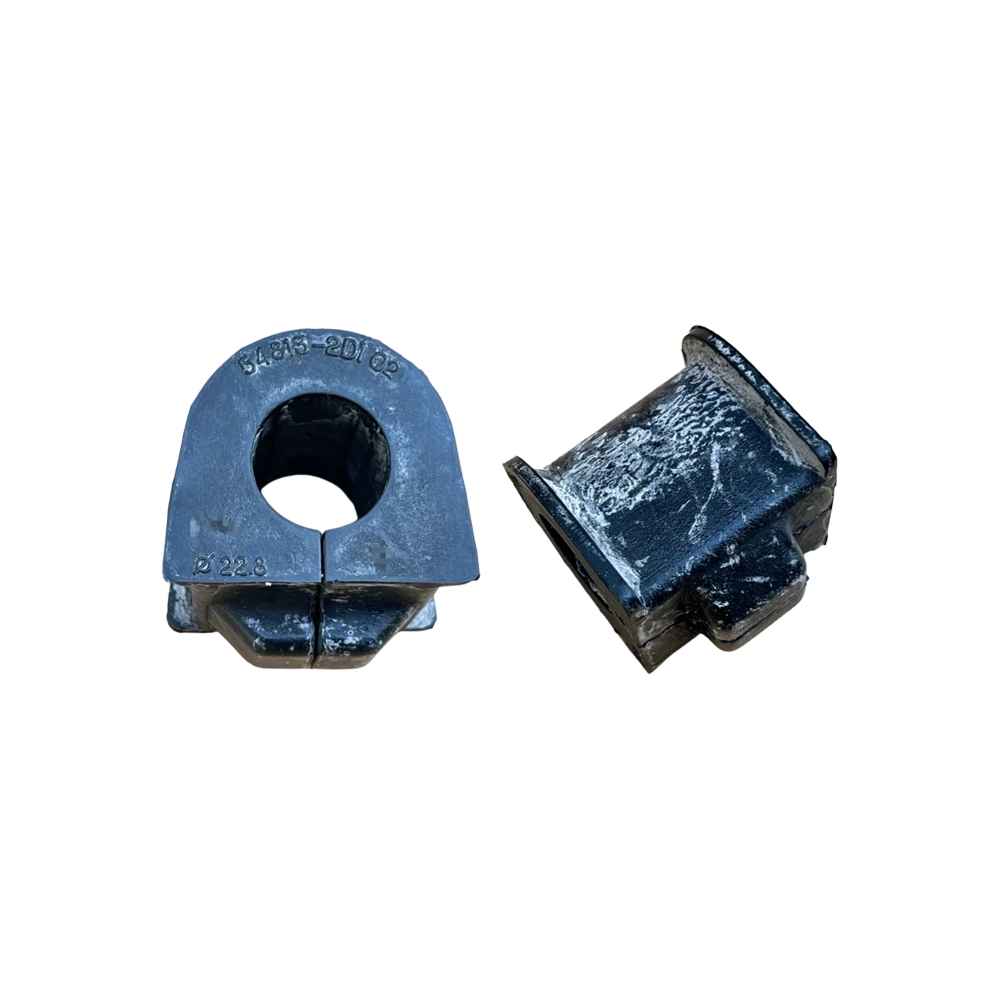
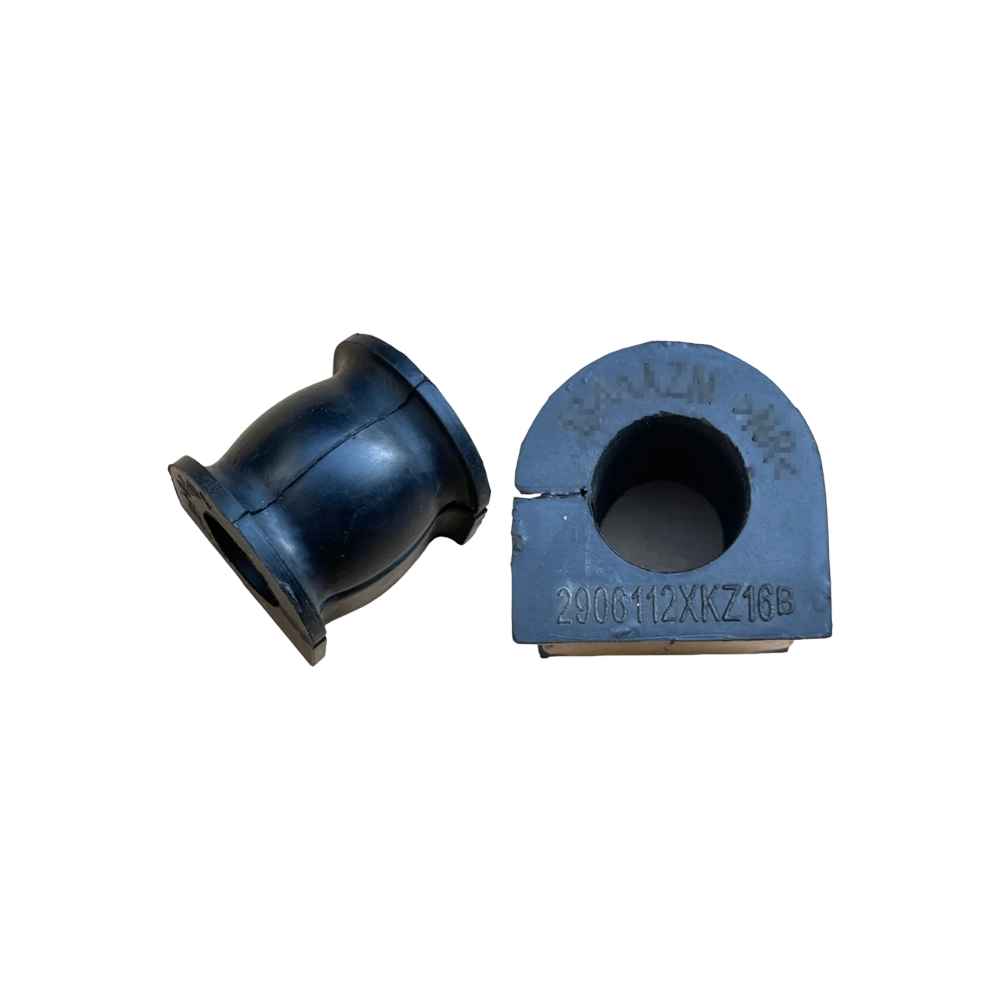
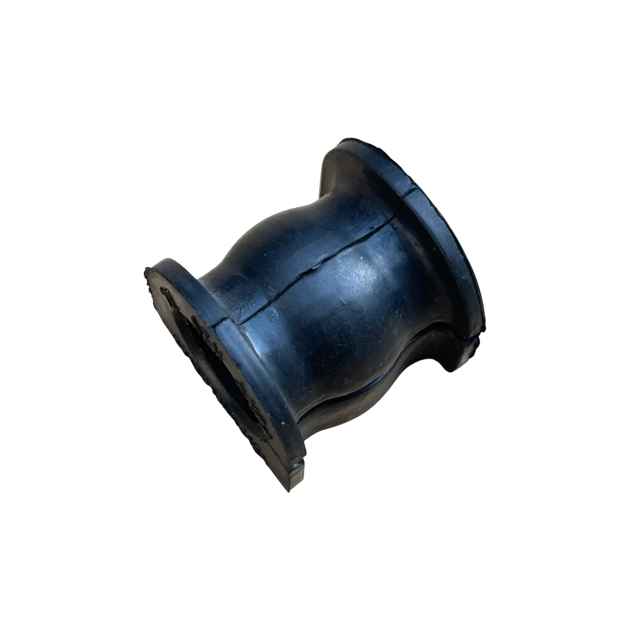
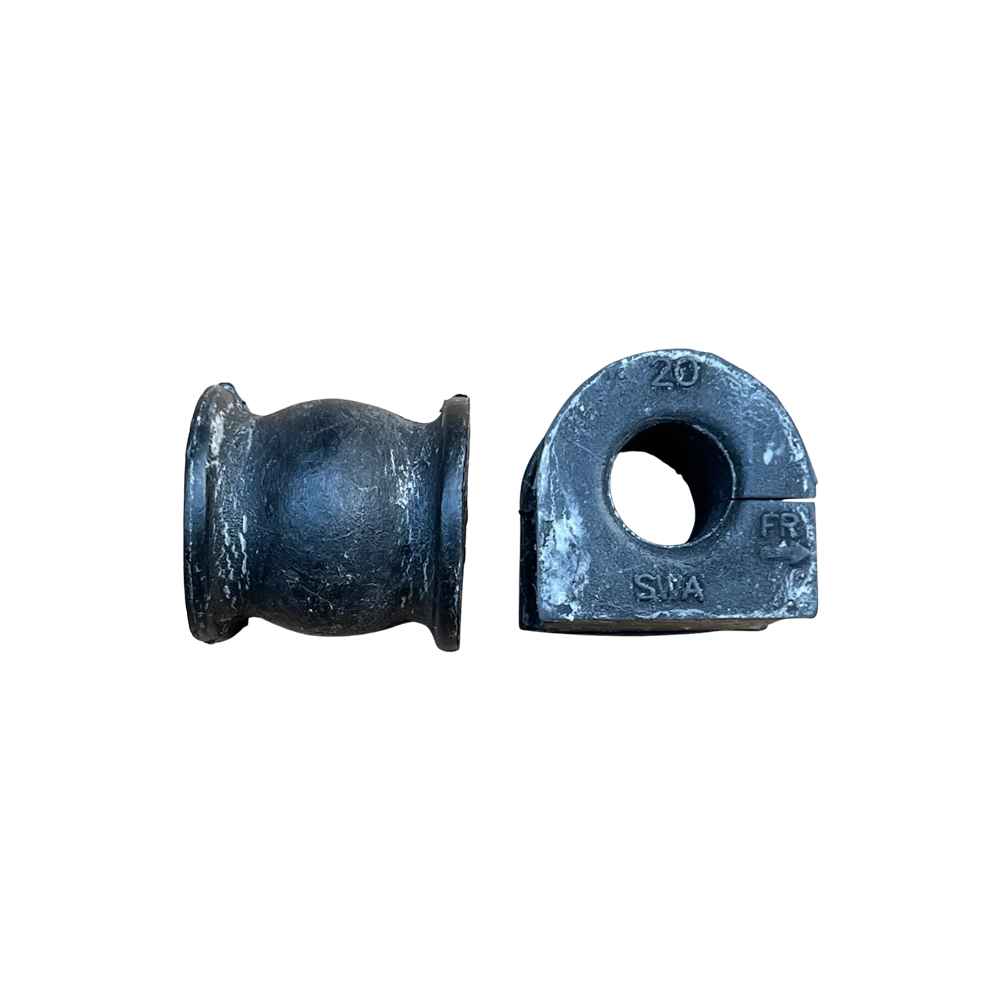
The strut dust sleeve, often overlooked, is critical in maintaining your vehicle's suspension system. Imagine a world where you can drive smoothly without the annoying vibrations and noise that come from wear and tear. These sleeves protect components like shock absorbers from dirt and debris. But why are they essential? Without them, your car would experience premature failure of its struts.
Materials Matter
Strut dust sleeves are made from various materials, primarily rubber and polyurethane. Rubber is the traditional choice—it's affordable, flexible, and provides decent durability. However, you might be surprised to learn that polyurethane offers even greater longevity. It withstands harsh environmental conditions better than rubber. In fact, polyurethane sleeves can last almost twice as long as their rubber counterparts. Is it worth the investment? Absolutely!
Durability Insights
- Temperature Resistance: Both materials need to handle extreme temperatures. Polyurethane performs exceptionally well, maintaining its properties under heat and cold.
- Wear and Tear: Rubber wears out faster due to UV exposure and ozone degradation. If you're in a region with harsh sunlight, consider upgrading.
- Flexibility: While rubber has good flexibility, polyurethane maintains its integrity over time, reducing the risk of cracks or tears.
NVH Reduction: What's the Connection?
Noise, Vibration, and Harshness (NVH) is a crucial factor in vehicular comfort. A well-functioning suspension system should minimize NVH levels. Strut dust sleeves play a vital role in this aspect. They not only prevent dirt ingress but also absorb some vibrations before they reach the cabin. It's intriguing how such a small component can significantly impact driving experience.
How Strut Dust Sleeves Affect NVH
When strut dust sleeves fail, it leads to increased NVH levels. For instance, a 2018 study showed that vehicles with worn-out sleeves reported a 20% increase in cabin noise. Isn't that a staggering figure? Properly functioning sleeves mitigate this issue by providing a buffer against vibrations. Consider this: a premium brand like Guanghua offers advanced strut dust sleeves designed specifically for NVH reduction, proving that quality does correlate with performance.
Wholesale Pricing Insights
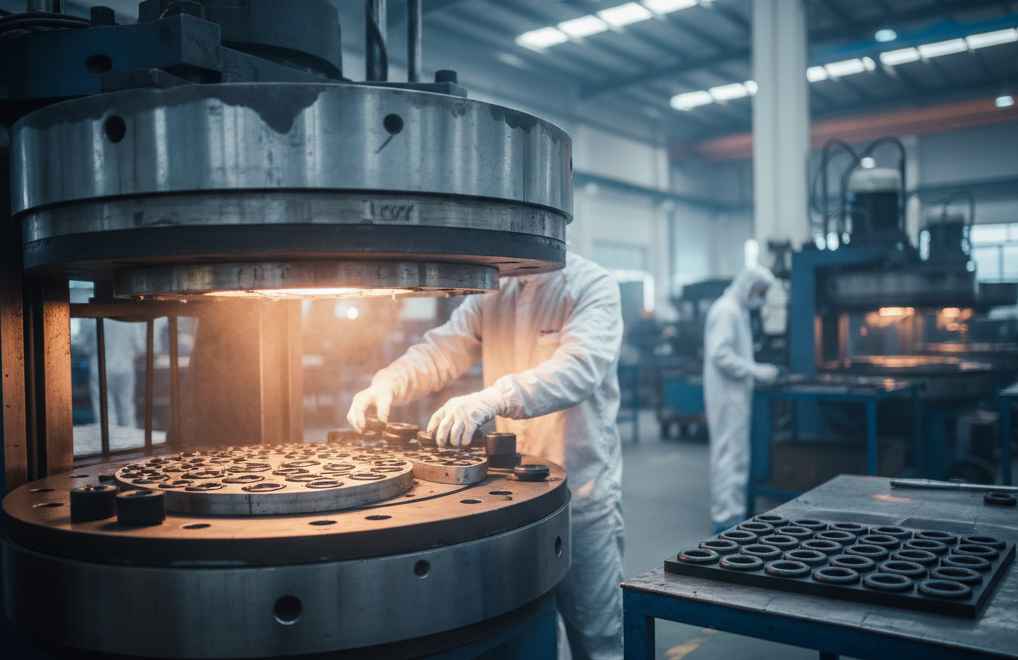
Are you looking for cost-effective solutions? Understanding wholesale pricing for strut dust sleeves can help both retailers and consumers make informed decisions. Typically, prices vary based on material and manufacturer. Rubber sleeves might cost $5–$15 per unit, while high-end polyurethane sleeves range from $15 to $30.
- Unit Costs: When buying in bulk, discounts can range from 10% to 25%. For example, purchasing 100 units could reduce the price per unit by up to $3.
- Brand Variations: Brands like Guanghua, known for their durability, may command higher prices but often provide better value in the long term due to lower replacement rates.
- Market Trends: Keep an eye on trends; demand fluctuations can significantly impact prices. Recent supply chain disruptions have caused rubber prices to rise, affecting the overall market.
Choosing the Right Sleeve for Your Needs
It's not just about picking any strut dust sleeve; it's about selecting one that meets your specific needs. Factors such as climate, driving habits, and the type of vehicle matter. If you're seldom on rough roads, standard rubber sleeves might suffice. Conversely, for off-road enthusiasts, investing in durable polyurethane options pays off. Just remember, the right choice can enhance your vehicle’s performance dramatically.
Real-World Applications
Consider a fleet manager responsible for maintaining a range of delivery vans. By opting for higher-quality strut dust sleeves, they noticed reduced maintenance costs and improved driver satisfaction thanks to lower NVH levels. Such decisions lead to a more efficient operation and happier employees. Who wouldn’t want that?
Conclusion
In summary, strut dust sleeves are more than mere accessories—they are pivotal components of your vehicle's suspension system. Their role in NVH reduction cannot be overstated. Whether you're considering the materials, evaluating durability, or assessing wholesale pricing, making an informed decision will undoubtedly pay dividends in the long run. Don't skimp on quality; after all, your vehicle deserves the best!