Understanding Strut Dust Sleeves
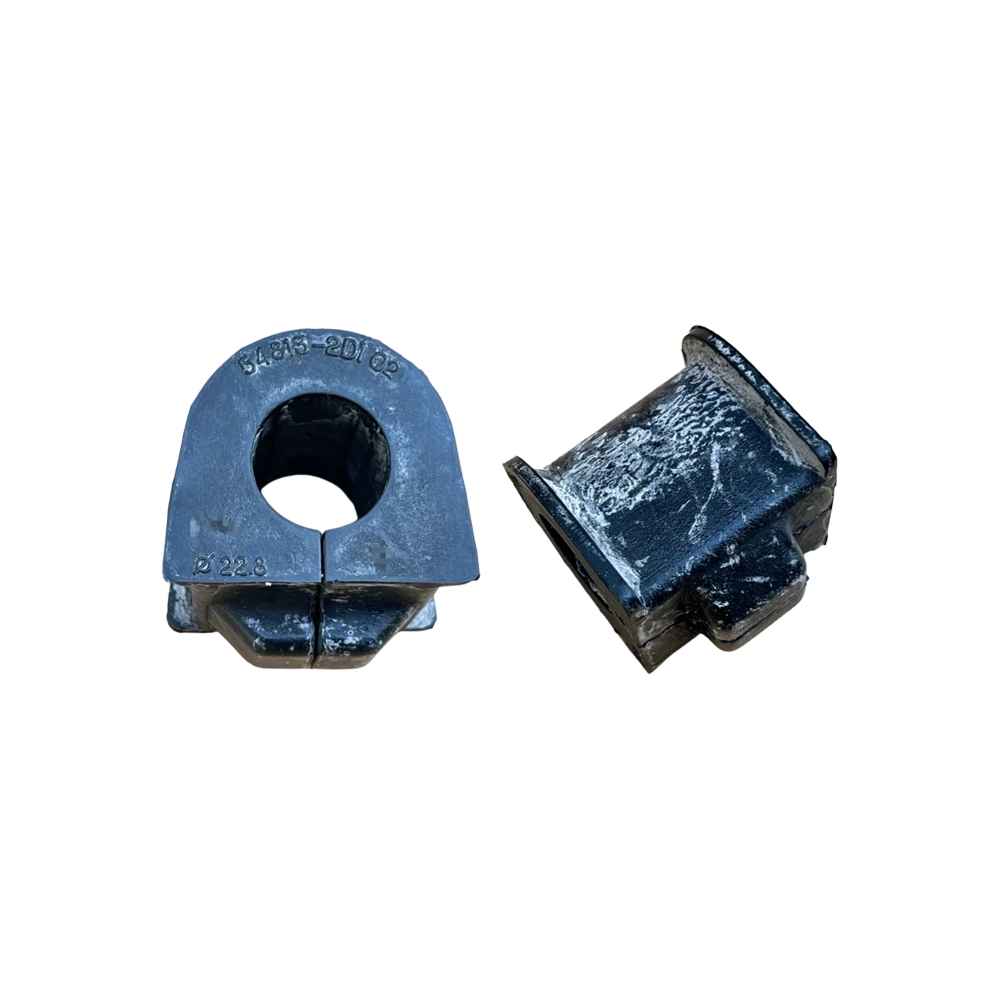
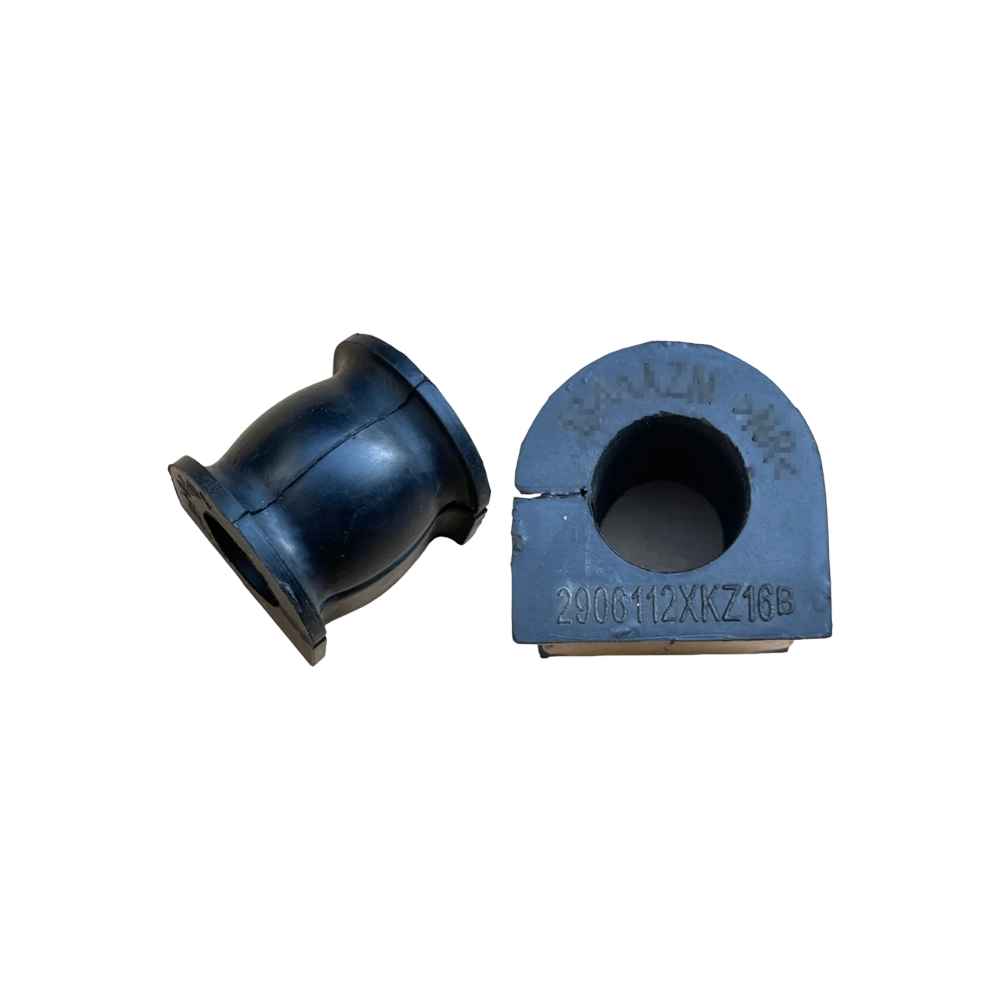
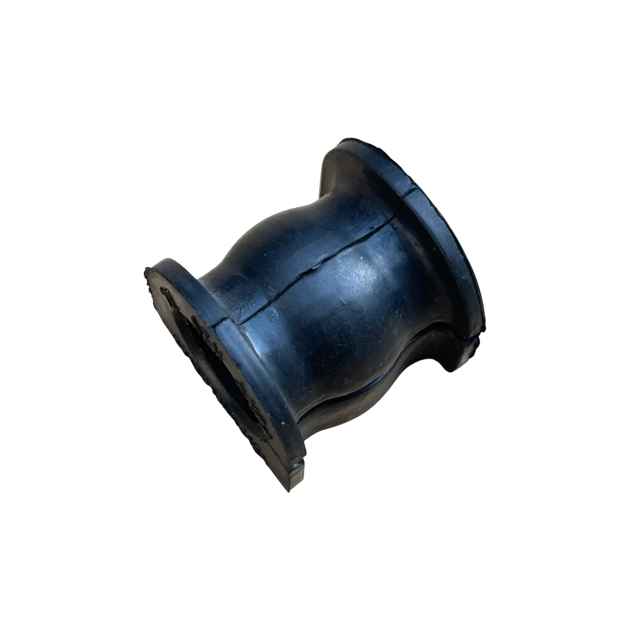
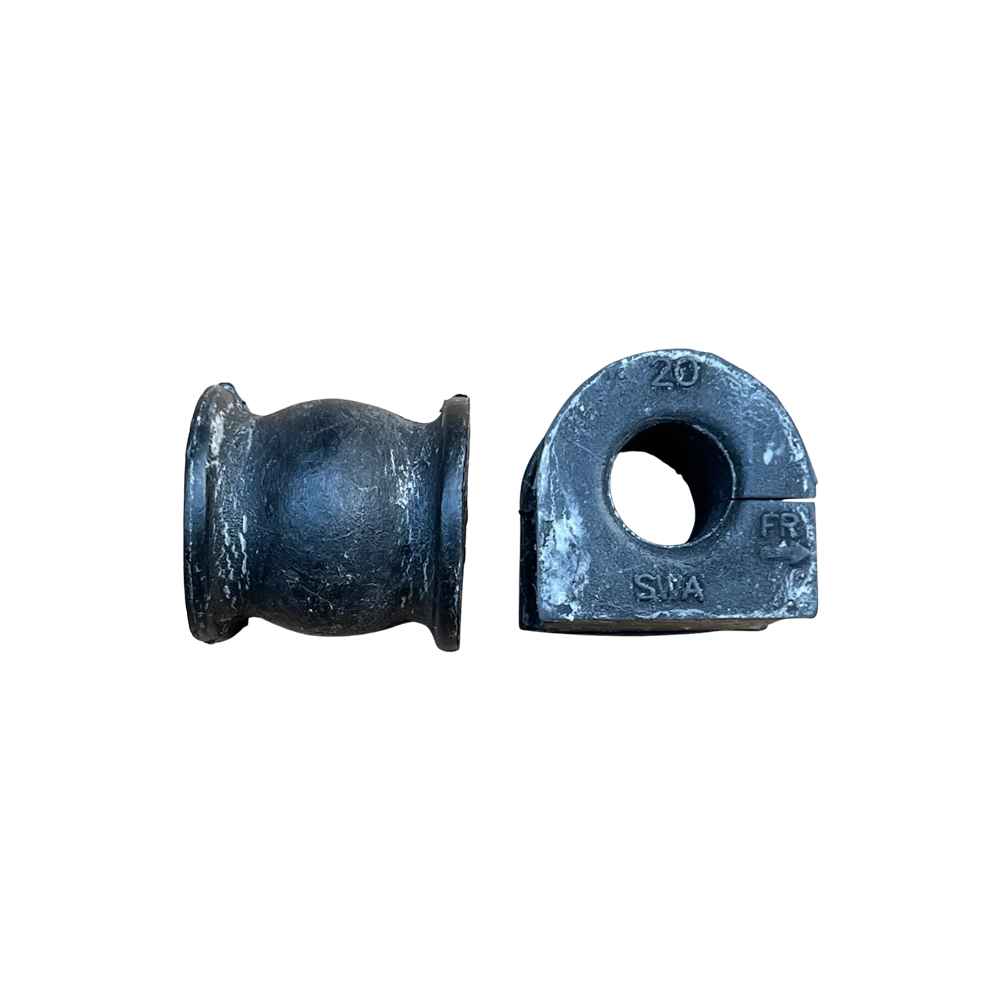
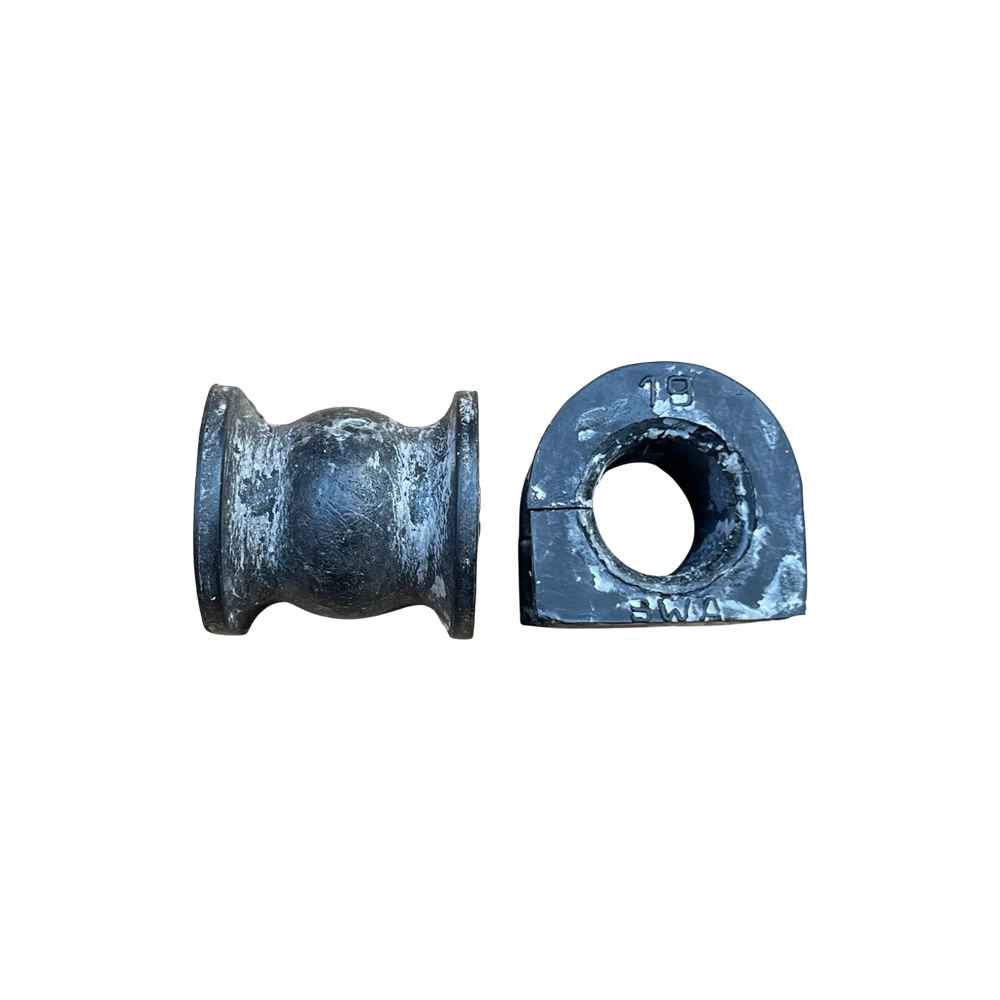
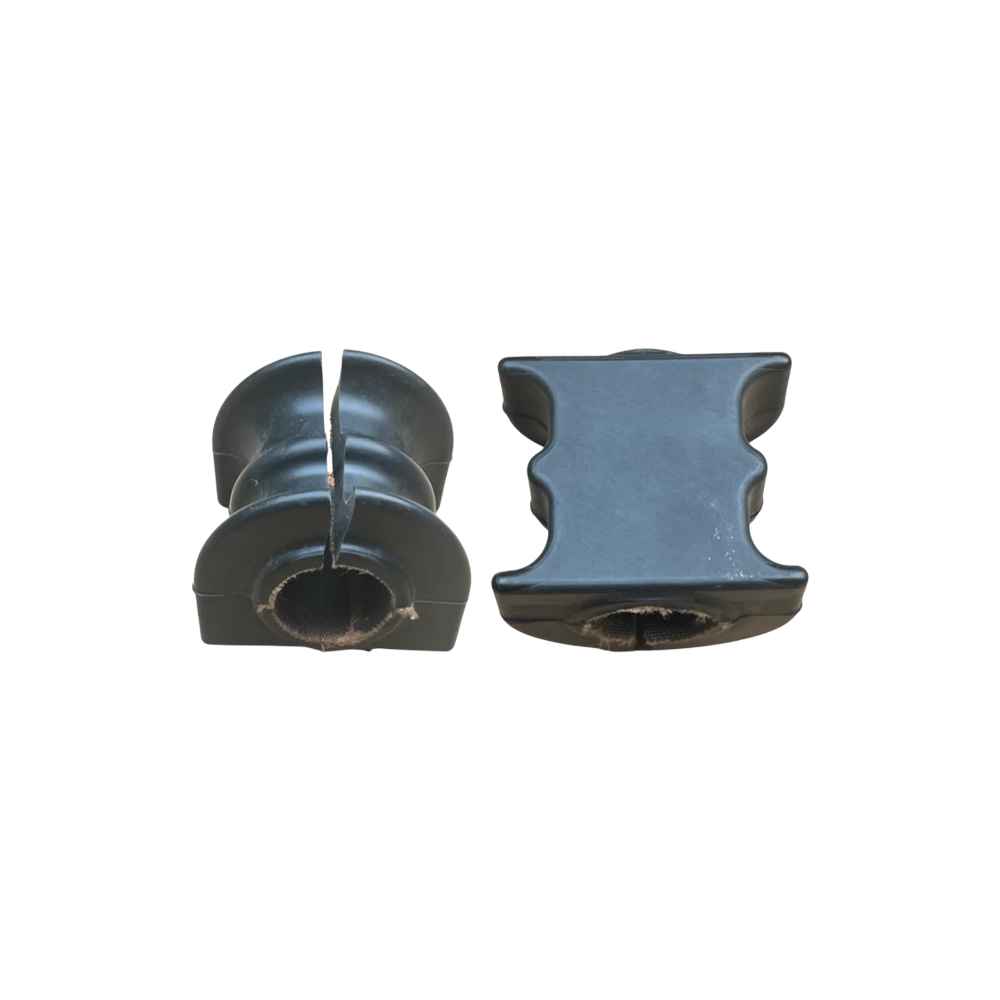
Strut dust sleeves, also known as strut boots, serve a crucial function in the suspension system of vehicles. Typically constructed from durable rubber or synthetic materials, these components protect the strut assembly from dirt, debris, and moisture, which can lead to premature wear and failure.
Materials Used in Strut Dust Sleeves
The choice of material for strut dust sleeves is vital for their performance and longevity. Commonly, manufacturers utilize high-quality rubber compounds that can withstand extreme temperatures and environmental conditions. Some brands, like Guanghua, have developed proprietary blends that enhance flexibility and resistance against cracking and tearing.
Durability and Performance Factors
- UV Resistance: Exposure to sunlight can degrade rubber over time, making UV stability an important feature.
- Temperature Tolerance: The ability to endure a wide range of temperatures adds to the lifespan of strut dust sleeves.
- Mechanical Strength: Robust construction helps these components withstand the dynamic loads they encounter during vehicle operation.
Rack and Pinion Boots: Function and Structure
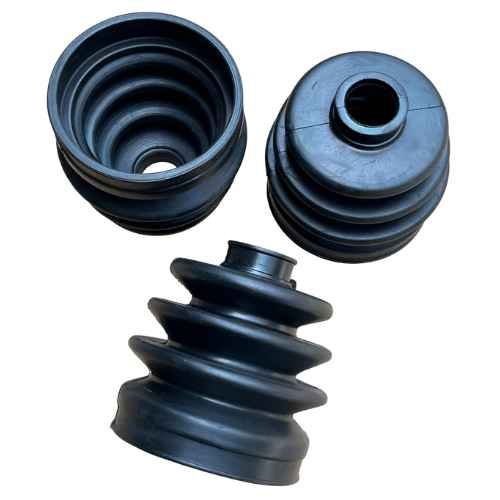
In contrast, rack and pinion boots are designed to encase the steering rack, providing protection against contaminants that could impair steering functionality. These boots play a significant role in maintaining the integrity of the steering system by preventing corrosion and wear caused by grime and moisture.
Comparative Materials Between Strut Dust Sleeves and Rack and Pinion Boots
While both strut dust sleeves and rack and pinion boots share similar protective purposes, their material compositions often differ based on functional requirements. Rack and pinion boots may employ heavier-duty materials due to the higher stresses associated with steering mechanisms.
Factors Influencing Durability
- Environmental Conditions: Both types of boots are exposed to harsh conditions; however, those used in steering applications might require more robust materials due to constant movement and friction.
- Design Engineering: Effective engineering design contributes significantly to how well these boots perform under stress.
Wholesale Pricing Insights
The cost of strut dust sleeves and rack and pinion boots varies considerably depending on several factors, including material quality, brand reputation, and market demand. Wholesale pricing typically reflects these variables, with notable differences between generic and premium brands.
Cost Analysis by Material Type
As a rule of thumb, rubber-based boots tend to be more affordable than those made from advanced synthetic materials. However, investing in higher-priced boots, such as those offered by Guanghua, can lead to better long-term value due to enhanced durability.
Market Trends Affecting Prices
- Supply Chain Dynamics: Fluctuations in raw material costs can impact the final pricing of boots.
- Consumer Demand: Increased awareness regarding vehicle maintenance has led to a rise in demand for quality parts, affecting wholesale pricing.
Conclusion on Choosing the Right Boot
When selecting between strut dust sleeves and rack and pinion boots, one must consider not only the material and durability but also the specific application needs. While both components serve essential roles in maintaining vehicle health, understanding their differences allows for informed purchasing decisions.
Important Considerations for Maintenance
Regular inspection of strut dust sleeves and rack and pinion boots is paramount for optimal performance. Signs of wear or damage should prompt immediate replacement to prevent more extensive mechanical issues. Properly maintained boots can safeguard critical components, thereby extending the overall lifespan of the vehicle’s suspension and steering systems.