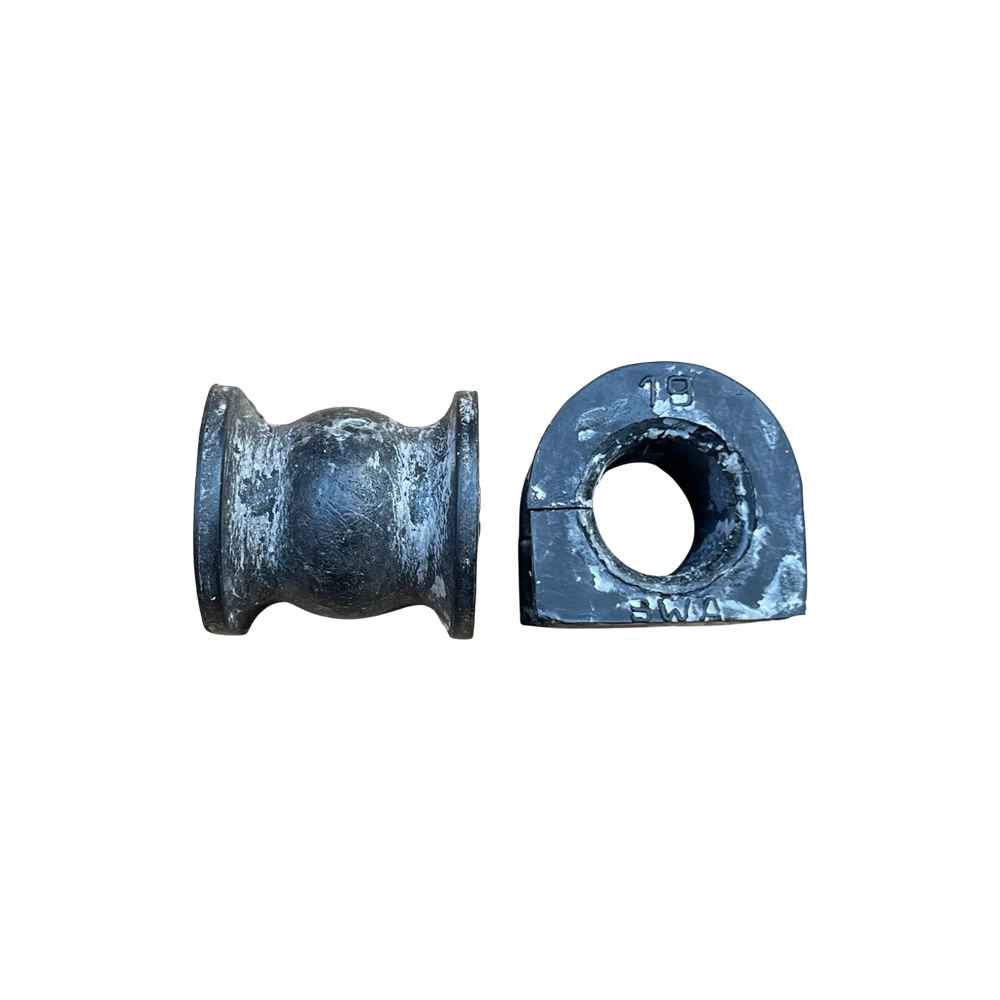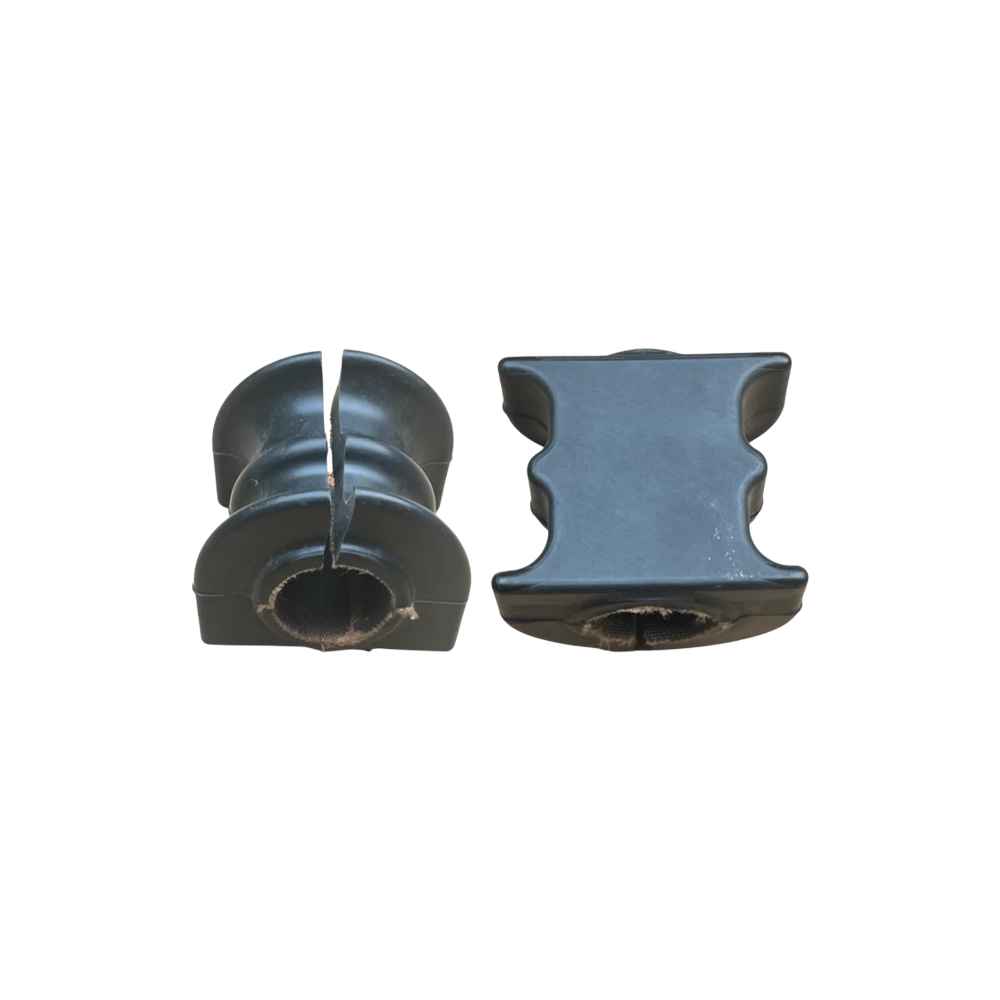
Understanding Strut Dust Sleeves
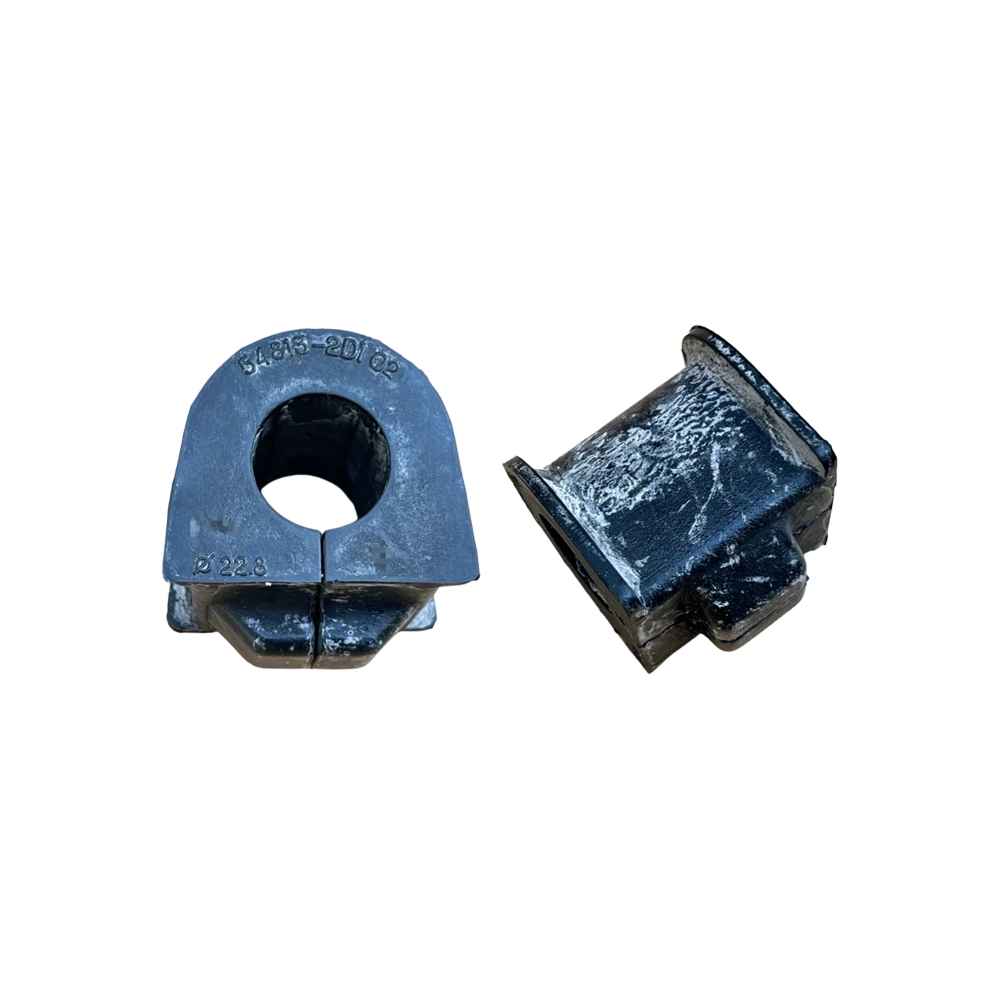
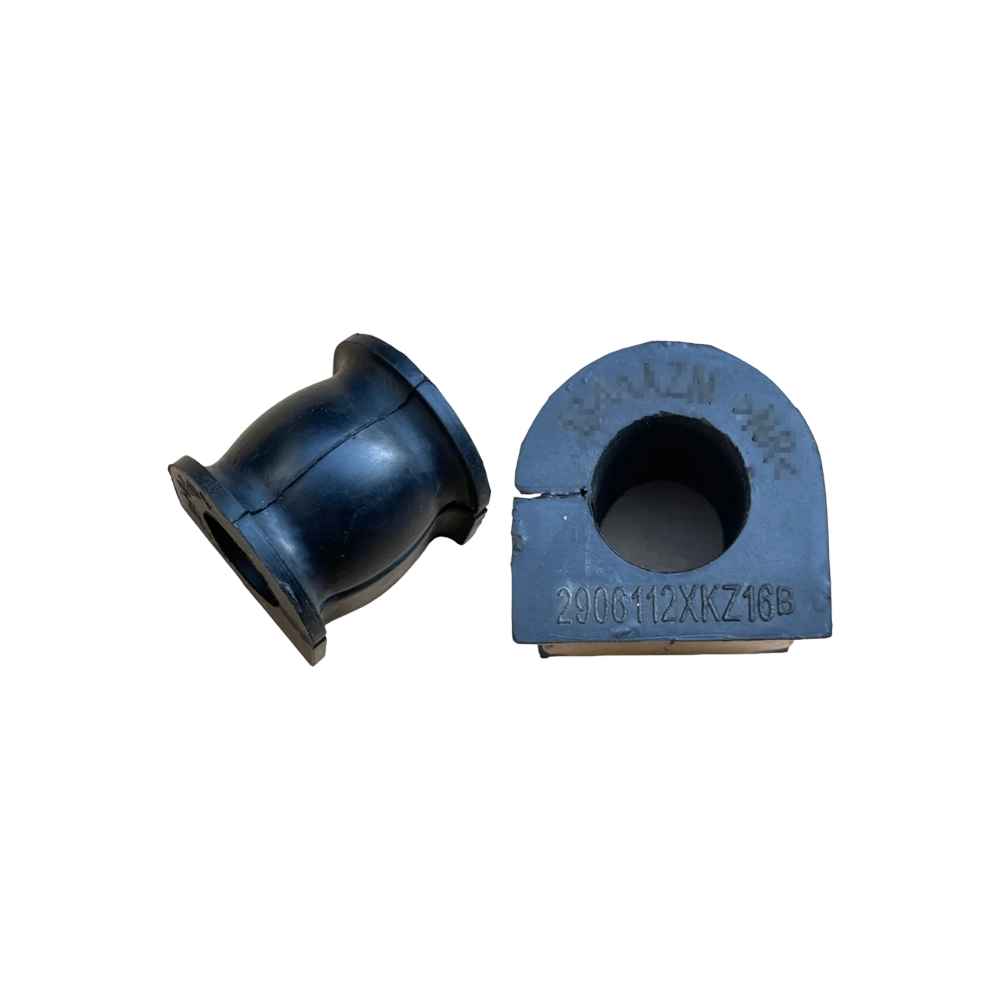
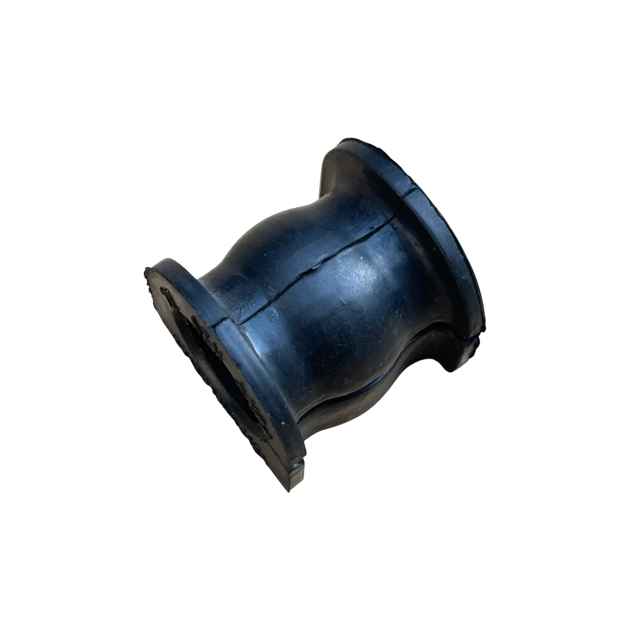
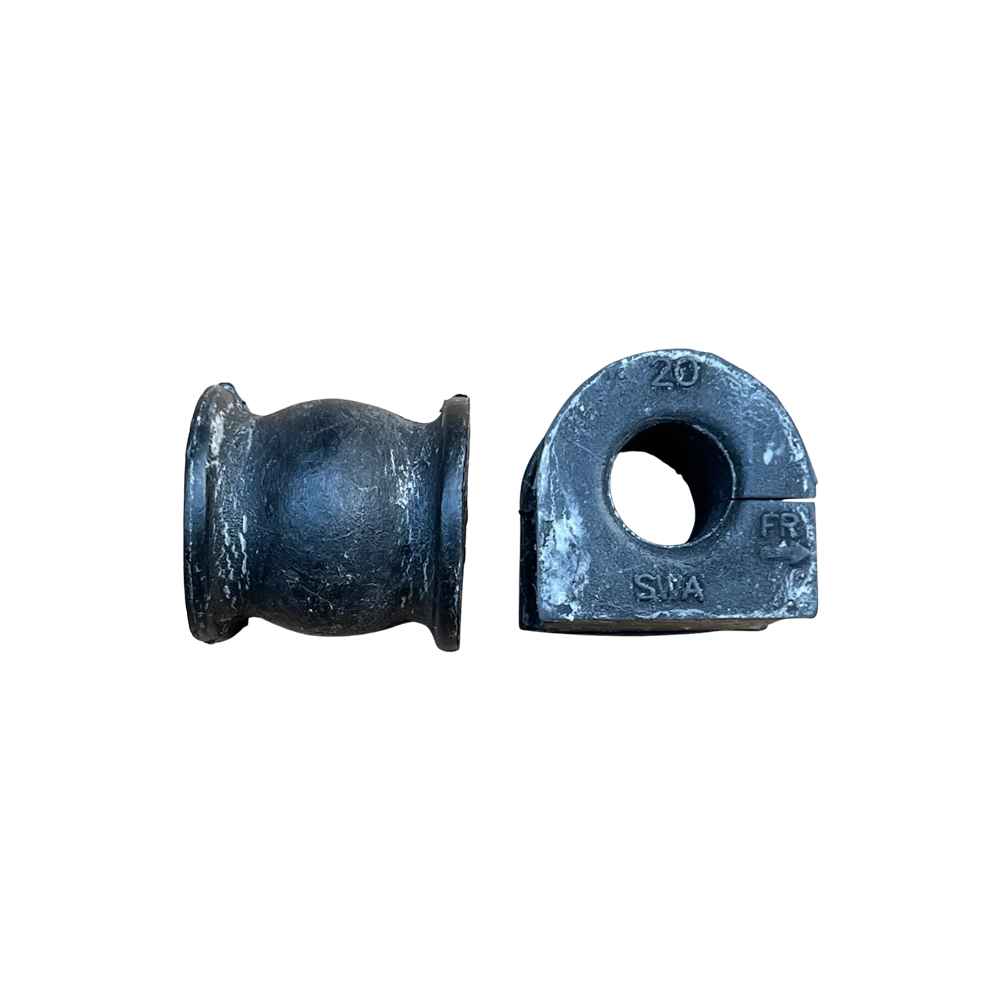
Strut dust sleeves, often referred to as strut boots, are protective components designed to shield the internal parts of a vehicle's strut assembly from dirt and debris. They play a critical role in maintaining the functionality and lifespan of the strut itself. Typically constructed from rubber or thermoplastic materials, these boots not only prevent contamination but also act as a barrier against moisture, which can lead to corrosion.
Materials Used in Strut Dust Sleeves
The choice of material for strut dust sleeves significantly influences their effectiveness and durability. Common materials include:
- Rubber: Known for its flexibility and resistance to wear, rubber is commonly used in strut dust sleeves. However, it can degrade over time due to exposure to UV light and extreme temperatures.
- Thermoplastic Elastomers (TPE): These materials combine the properties of rubber and plastic, offering excellent longevity and resistance to environmental factors.
- Polyurethane: This material is recognized for its superior abrasion resistance and is sometimes used for high-performance applications.
Durability Considerations
When evaluating the durability of strut dust sleeves, several factors come into play. The thickness of the material, the quality of manufacturing, and environmental conditions all contribute to how well these components perform. For instance, strut boots must withstand constant movement, extreme temperatures, and exposure to chemicals found on roads, such as salt and oil.
Moreover, reputable brands like Guanghua offer strut dust sleeves that have been rigorously tested for durability, providing consumers with assurance regarding their longevity and performance.
Exploring Steering Gear Boots
Steering gear boots serve a similar purpose to strut dust sleeves; however, they are specifically designed for the steering system. These boots protect the steering rack and ensure that contaminants do not infiltrate sensitive areas of the steering mechanism.
Materials and Construction
Steering gear boots are typically crafted from materials that can endure both dynamic forces and environmental stressors. The commonly used materials include:
- Neoprene: Offering excellent resistance to oils and temperature fluctuations, neoprene is often favored in steering gear boots.
- Silicone: This material provides high flexibility and can maintain performance across a wide range of temperatures.
These components must be robust enough to handle the stresses of steering while effectively keeping out dirt and moisture.
RubberORings.jpg)
Factors Affecting Durability
The longevity of steering gear boots is influenced by the same factors affecting strut dust sleeves. The environment plays a crucial role, especially in regions with harsh weather conditions. Additionally, regular inspections can help identify signs of wear early, allowing for timely replacements and preventing costly repairs down the line.
Wholesale Pricing Insights
When considering wholesale purchasing of strut dust sleeves and steering gear boots, several key aspects should be taken into account. Pricing can vary based on material quality, brand reputation, and quantity ordered.
Generally, bulk purchases yield better pricing per unit. It is essential to assess the balance between cost and quality, as cheaper products may not offer the same level of durability or performance. For instance, brands like Guanghua might command higher prices but often justify that through enhanced material quality and reliability.
Comparative Cost Analysis
On average, strut dust sleeves range from $5 to $25 per piece when purchased wholesale, while steering gear boots may fall within a similar price bracket but can reach upwards based on specific vehicle compatibility and additional features. Factors influencing these costs include:
- Material Quality: Higher-grade materials will typically incur an increased cost.
- Brand Premium: Established brands might charge more due to their reputation for quality and durability.
- Market Demand: Seasonal demands and vehicle trends can affect pricing dynamics.
Conclusion on Selection Criteria
Selecting the right strut dust sleeve or steering gear boot involves considering various criteria including material properties, intended use, and pricing. Investing in quality components, regardless of the cost, can lead to significant savings in maintenance and repairs over time. Prioritize durability and brand trust—especially when choosing wholesalers—to ensure optimal vehicle performance and longevity.